
Untitled work by Kanpo Yoshikawa
- Source:
- ukiyo-e.org
Description
This untitled woodblock print by Kanpo Yoshikawa exemplifies the Kyoto woodblock tradition that flourished alongside the better-known Tokyo-based shin-hanga movement of the 1920s and 1930s. Yoshikawa, born in Kyoto in 1894, trained at the Kyoto Municipal School of Painting and Crafts and studied under the towering nihonga master Takeuchi Seiho, absorbing the lyrical naturalism and refined draftsmanship that defined the Shijo school. When he turned to print design, he carried this painterly sensibility into the woodblock medium, producing works that emphasized atmosphere and quiet observation over the dramatic compositions favored by some of his Tokyo contemporaries. As a leading figure in the Kyoto branch of shin-hanga, Yoshikawa collaborated with skilled local carvers and printers who maintained the technical traditions inherited from generations of Kansai craftsmen, producing impressions notable for their subtle color modulation, soft bokashi shading, and careful registration. The print is held in the collection of the Harvard Art Museums, whose Carpenter collection has become an essential resource for the study of early-twentieth-century Japanese prints. Yoshikawa's body of work spans kabuki actor portraits, atmospheric landscapes of Kyoto and its environs, and quiet figural studies, all unified by a sensibility that valued contemplation over assertion. He played a role in the broader Kyoto woodblock community alongside artists like Tokuriki Tomikichiro and was instrumental in keeping the city's print tradition alive during a period when Tokyo publishers dominated the international market. For collectors interested in the regional diversity of the shin-hanga movement, this print offers an introduction to a strand of the tradition shaped less by export markets than by the deep painterly heritage of the old imperial capital.
More Prints by Kanpo Yoshikawa

The Actor Kataoka Gado IV as Miyuki in the play Shoutsushi Asagao Nikki (The Diary of the Morning Glory)
c. 1924
Color woodblock print; oban

Five, Hinazō
early summer 1922
Woodblock print, ink and color on paper with mica
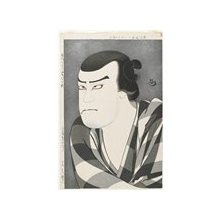
The Actor Nakamura Enjaku II as the Snarling Gonta
Woodblock print
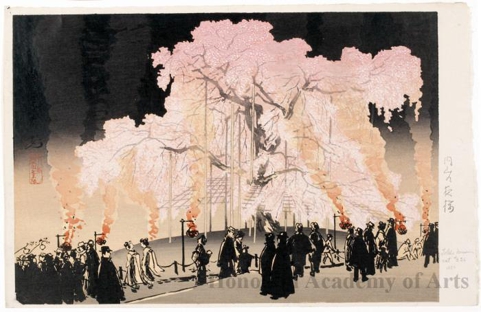
Cherry Blossoms at Night, Maruyama
Woodblock print
Featured in Collections
Curated cross-cuts that include this print.
Frequently Asked Questions
(untitled) was created by Kanpo Yoshikawa (吉川観方).