
Ima o tobe (Tocho-Ⅰ) 今を翔べ(都庁ーⅠ) (The Flying (Metropolitan Government Office-Ⅰ)) / Tokyo hyakkei niju-isseiki e no messeeji 東京百景 21世紀へのメッセージ (One Hundred Views of Tokyo: Message to the 21st Century)
- Source:
- ukiyo-e.org
Description
Ima o tobe (Tocho-I), or The Flying (Metropolitan Government Office-I), is a Japanese woodblock print by Kawachi Seiko, drawn from the series Tokyo hyakkei niju-isseiki e no messeeji, translated as One Hundred Views of Tokyo: Message to the 21st Century. The print belongs to a contemporary reimagining of the venerable hyakkei, or hundred-views, tradition that stretches back through Hiroshige's nineteenth-century landscapes to the meisho-e prints of Edo. Where earlier hyakkei series catalogued bridges, shrines, and seasonal pleasures, Kawachi Seiko's twenty-first-century message takes the modern capital itself as its subject, training the woodblock idiom on the steel, glass, and verticality of post-bubble Tokyo. The Tocho, Tokyo's Metropolitan Government Office complex in Shinjuku designed by Kenzo Tange and completed in 1991, became the city's most photographed civic landmark almost overnight, and Kawachi Seiko's choice to render its twin towers in carved relief situates the print squarely within the sosaku-hanga lineage of artists who insisted that woodblock could speak to the present moment as fluently as to the past. The phrase ima o tobe, literally an exhortation to fly through the now, sets a tone of forward propulsion appropriate to a series framed as a message dispatched across the millennium. In keeping with sosaku-hanga, or creative-print, practice as it developed across the twentieth century, the artist took responsibility for the full chain of design, carving, and printing, refusing the older ukiyo-e division of labor in favor of personal authorship of every block and impression. This particular sheet is preserved in the collection of the British Museum and was documented through ukiyo-e.org, which serves as the museum source for the cataloguing record. As a Japanese woodblock print at the close of the twentieth century, the work stands as evidence that the medium remained a living vehicle for civic observation rather than a museum relic.
More Prints by Kawachi Seiko
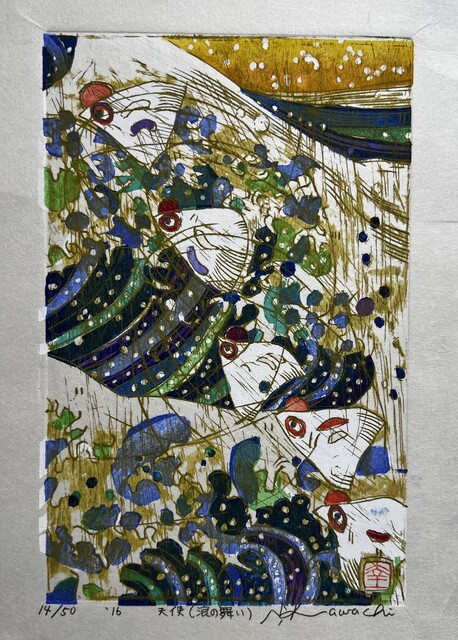
天使(兎の舞い) – Angel (Dance of the Rabbits)
2015
Multi-block woodcut print on washi paper
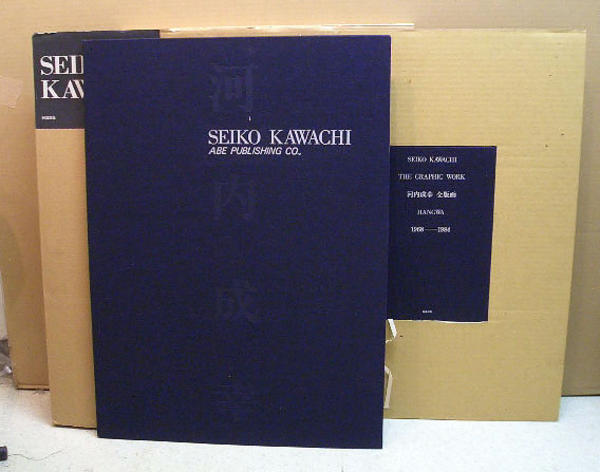
Catalog- complete works
Woodblock print

The Flying (Metropolitan Goverment-I) (One Hundred Views of Tokyo, Message to the 21st Century 東京百景 21世紀へのメッセジ)
1989-99
Color woodblock print
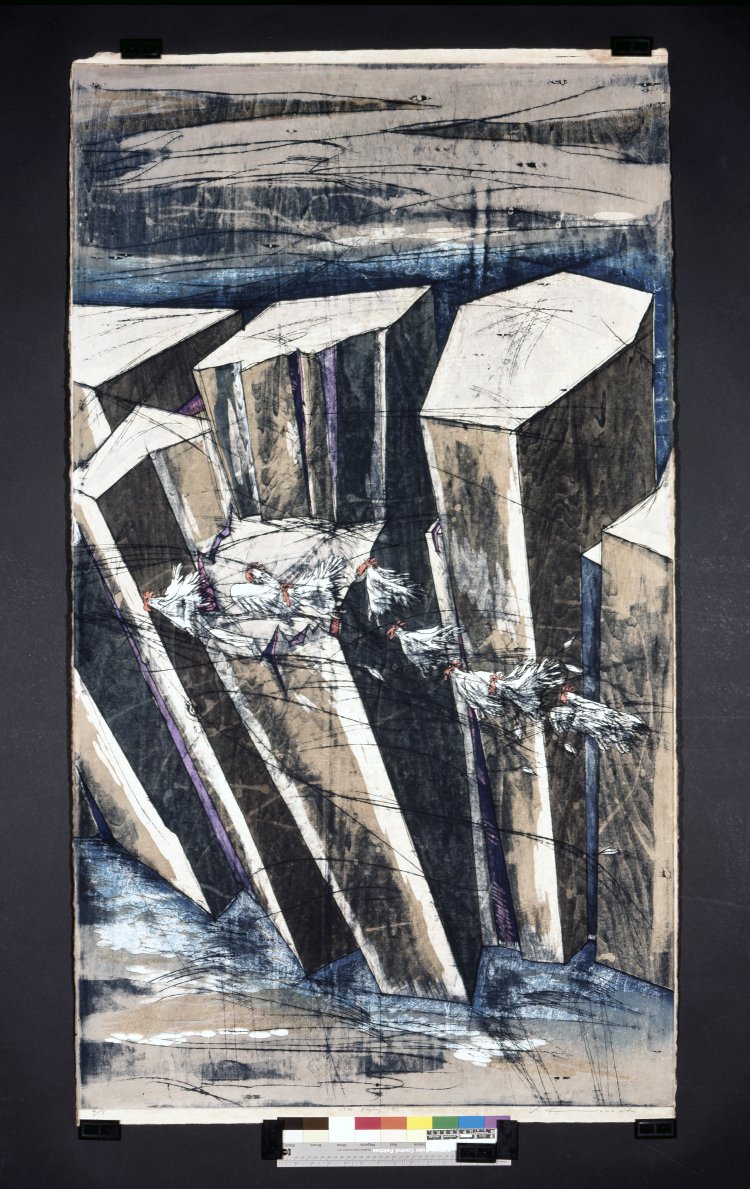
The Flying: Sho (The Flying: Development)
Woodblock print
More Snow Scenes Prints
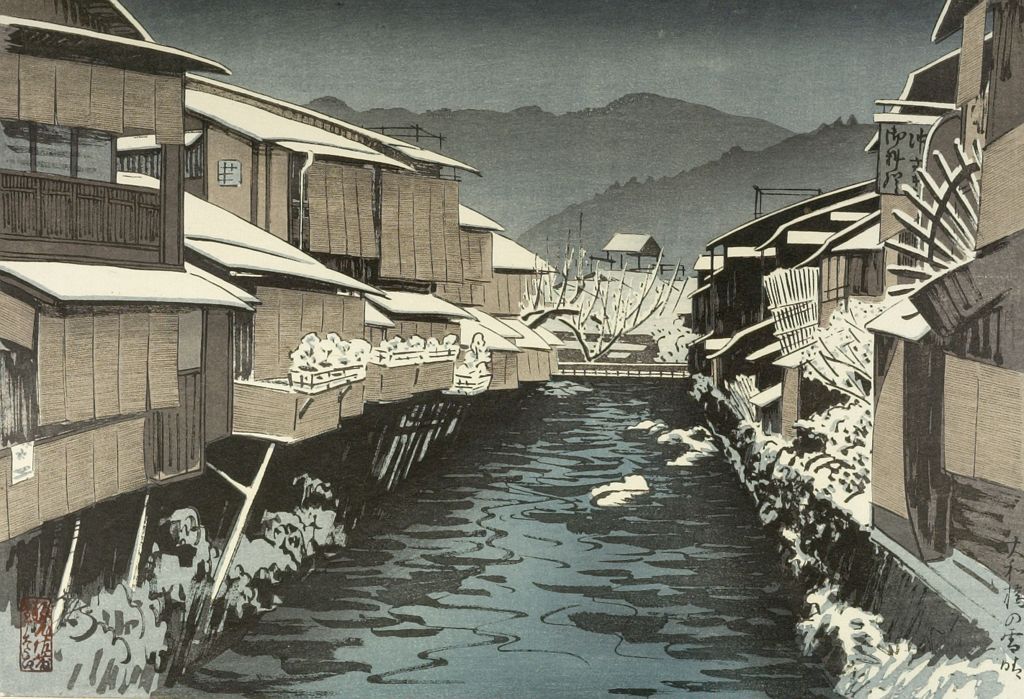
Fair Weather After Snow at Yamato Bridge, Kyoto (Yamato bashi no yukibare), Taishô period, dated 1924
Woodblock print

The Compound of the Tenman Shrine at Kameido in the Snow (Kameido Tenmangu keidai no yuki), from the series "Famous Places in the Eastern Capital (Toto meisho)"
c. 1832/38
Color woodblock print; oban

Miyajima in Snow (Yuki no Miyajima)
Yuki no Miyajima
1929
Color woodblock print; oban
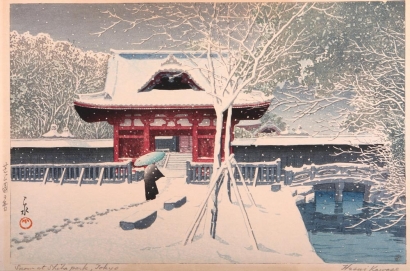
Evening Snow at Shiha Park, Tokyo
1932
Woodblock print
Frequently Asked Questions
Ima o tobe (Tocho-Ⅰ) 今を翔べ(都庁ーⅠ) (The Flying (Metropolitan Government Office-Ⅰ)) / Tokyo hyakkei niju-isseiki e no messeeji 東京百景 21世紀へのメッセージ (One Hundred Views of Tokyo: Message to the 21st Century) was created by Kawachi Seiko (河内清光).
Ima o tobe (Tocho-Ⅰ) 今を翔べ(都庁ーⅠ) (The Flying (Metropolitan Government Office-Ⅰ)) / Tokyo hyakkei niju-isseiki e no messeeji 東京百景 21世紀へのメッセージ (One Hundred Views of Tokyo: Message to the 21st Century) depicts snow scenes.