
Old Picture of the Rashômon Gate (Rashômon no ko zu), from the series Scenes of Famous Places along the Tôkaidô Road (Tôkaidô meisho fûkei), also known as the Processional Tôkaidô (Gyôretsu Tôkaidô), here called Tôkaidô meisho tsuzuki
- Medium:
- Woodblock print
- Source:
- Museum of Fine Arts Boston
- Image courtesy of
- Museum of Fine Arts Boston
Description
A second impression or variant printing of the Rashômon Gate composition from the Tôkaidô meisho fûkei series. The Rashômon Gate — the great southern gate of ancient Heiankyô — had vanished by the Heian period but persisted as a potent literary site, most famously associated with Akutagawa's later retelling and older setsuwa tales of demons lurking among the timbers. Kyosai's choice to frame this as a 'ko zu' (old picture) within a Tôkaidô series is characteristic of his intellectual play between historical citation and popular travel imagery. Differences between this impression and related states may include variations in block wear, pigment application, or minor compositional adjustments reflecting the commercial reprinting practices of mid- to late-Edo publishers. Nishiki-e production routinely generated multiple impression runs with detectable variation in bokashi gradation and color saturation across the print run.
More Prints by Kawanabe Kyosai
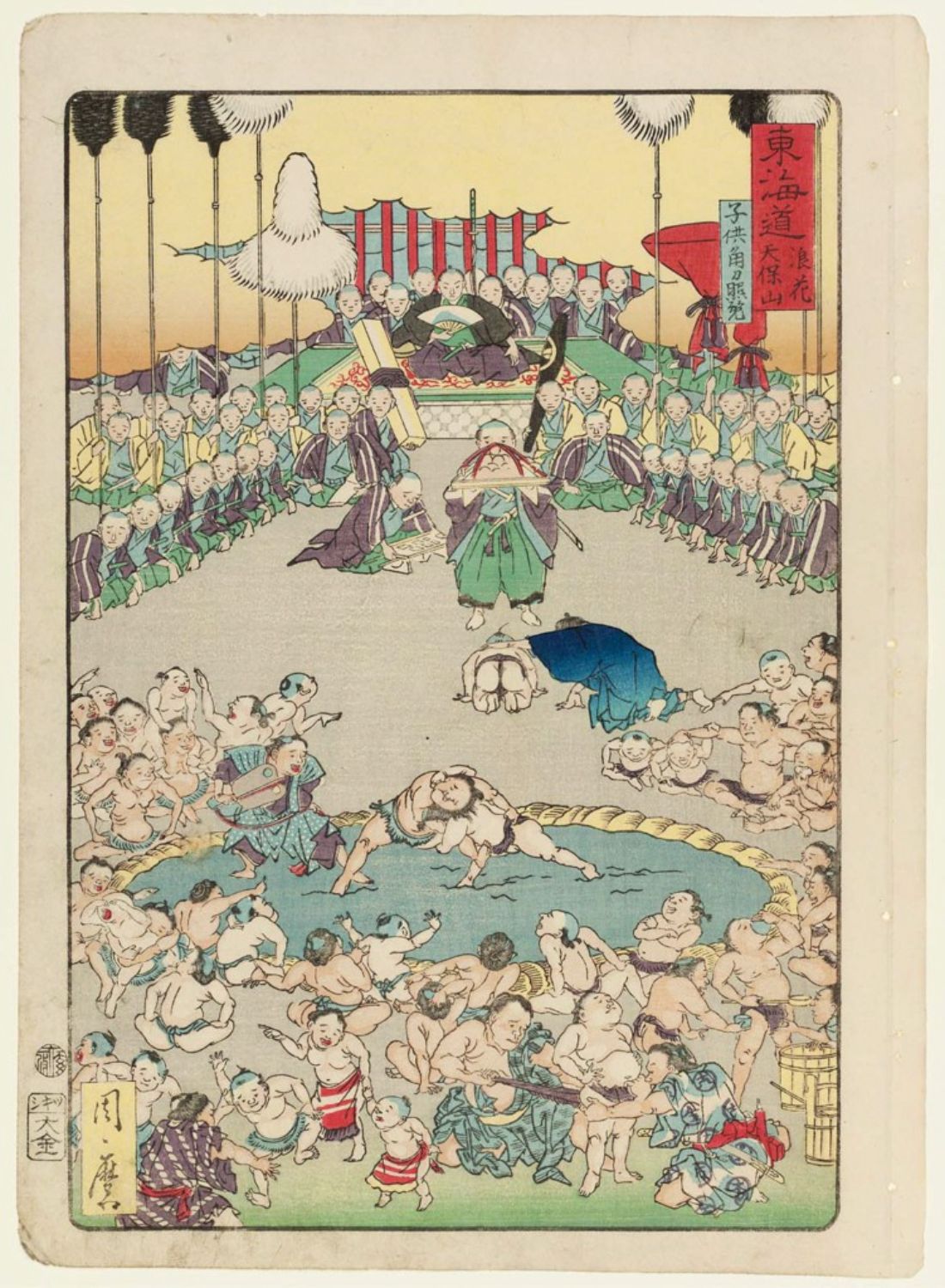
Tenpôzan in Osaka: Viewing Children's Sumo (Naniwa Tenpôzan kodomo sumô shôran), from the series Scenes of Famous Places along the Tôkaidô Road (Tôkaidô meisho fûkei), also known as the Processional Tôkaidô (Gyôretsu Tôkaidô), here called Tôkaidô
1863
Woodblock print
Kyosai, Royal Academy, London, FREE DOMESTIC SHIPPING
2022
Original Museum Lithographic Exhibition Poster
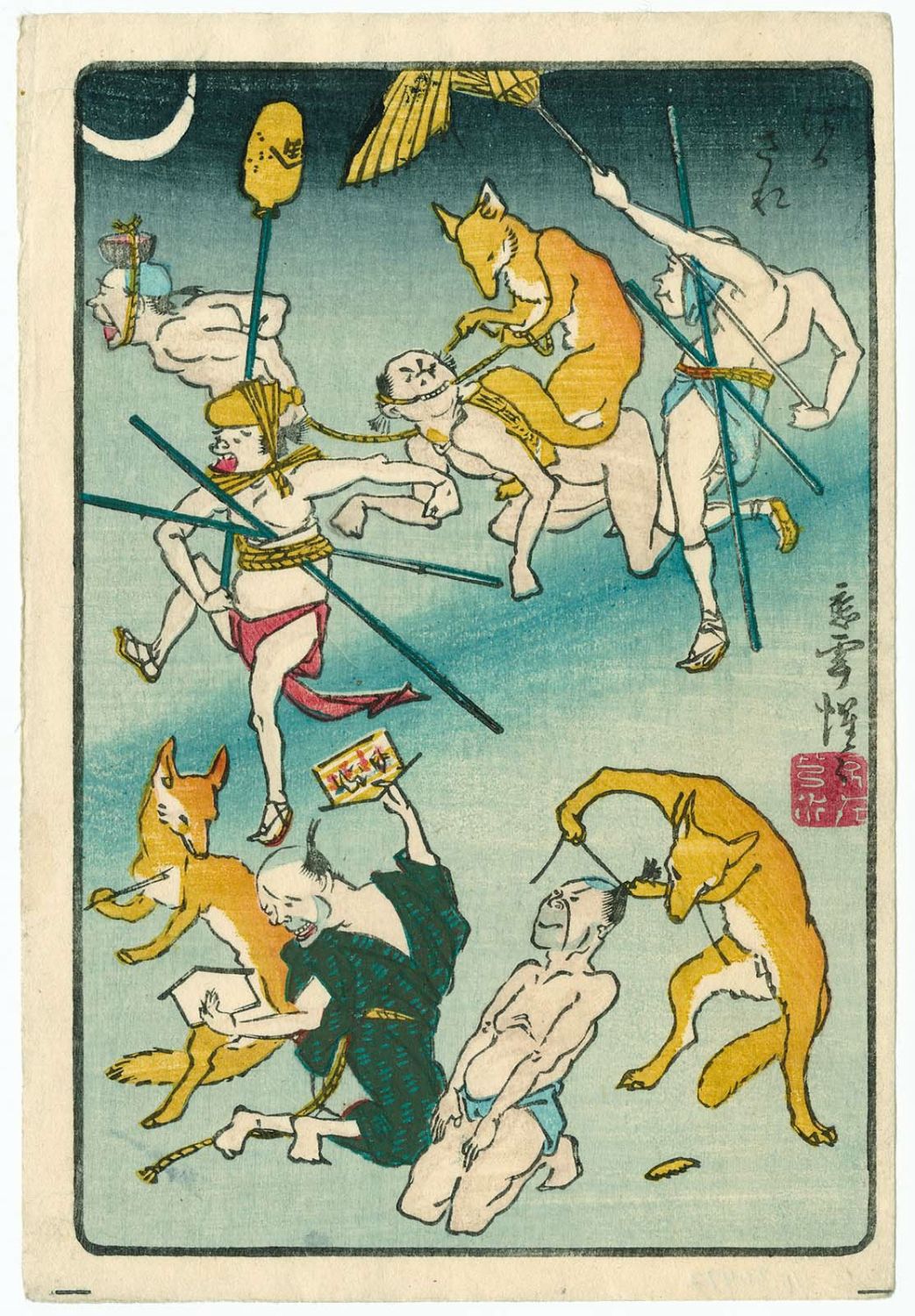
from the series One Hundred Pictures by Kyôsai (Kyôsai hyakuzu)
Woodblock print
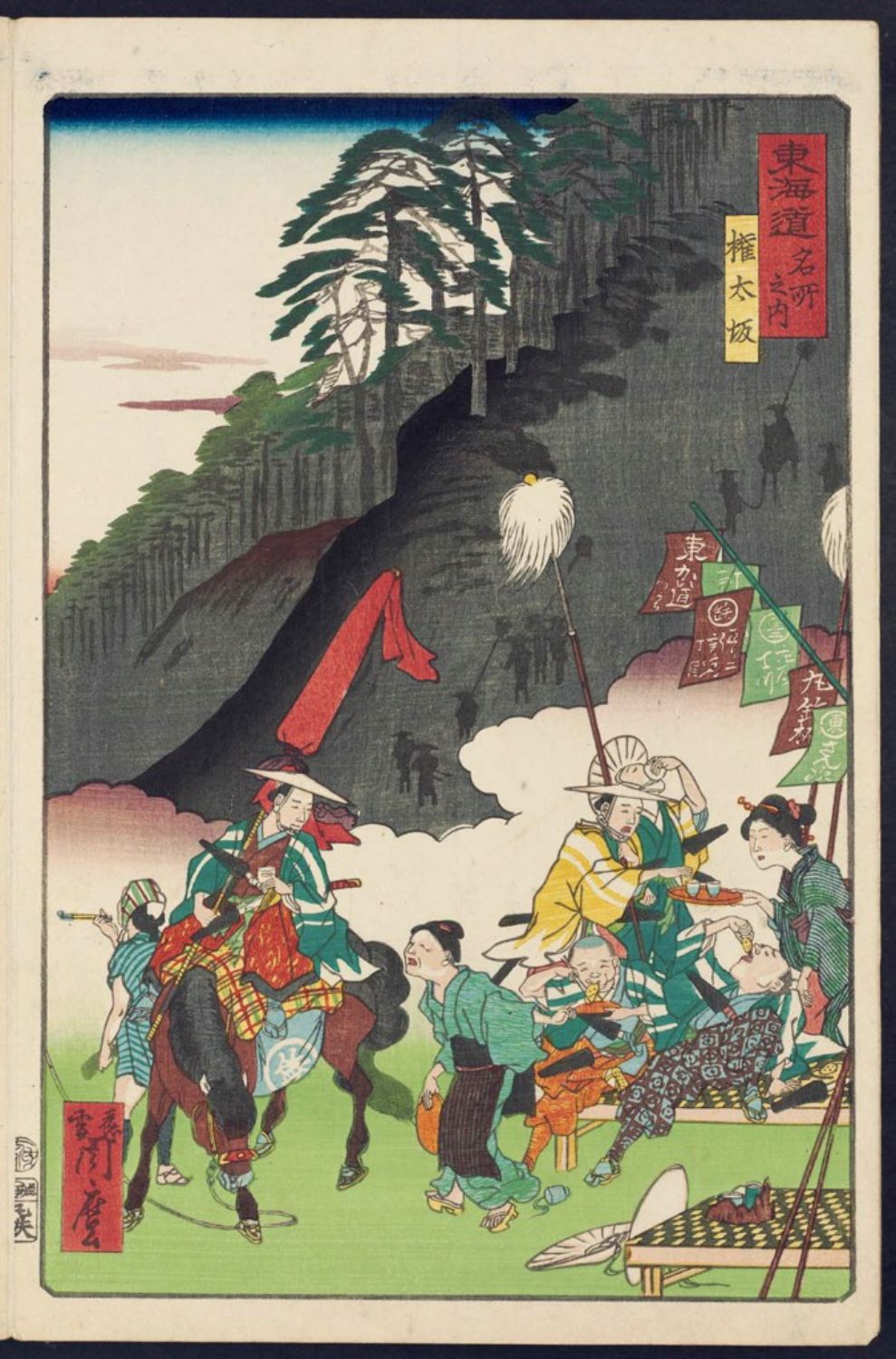
Gontazaka, from the series Scenes of Famous Places along the Tôkaidô Road (Tôkaidô meisho fûkei), also known as the Processional Tôkaidô (Gyôretsu Tôkaidô), here called Tôkaidô meisho no uchi
Woodblock print
More Transportation Prints
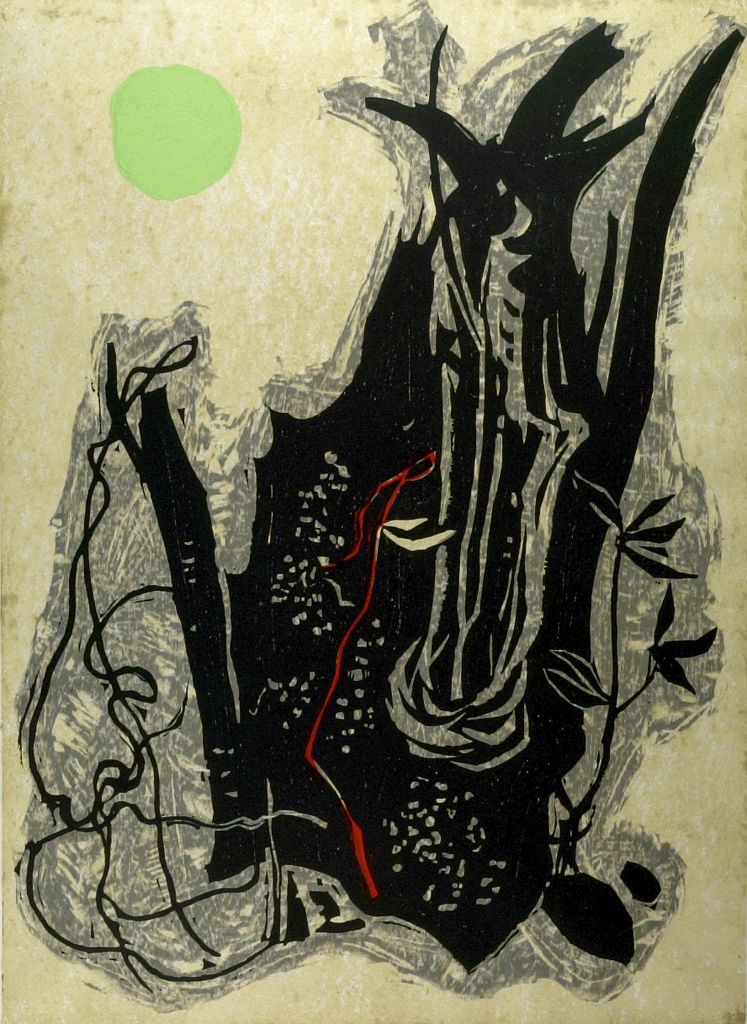
Old Tree and Path of the Sun, Shôwa period, dated 1961
Woodblock print
Nagoya Castle
Woodblock print
Battle at Jinzhoucheng on the Road to Port Arthur
1894 (Meiji 27)
Woodblock print (nishiki-e); ink and color on paper
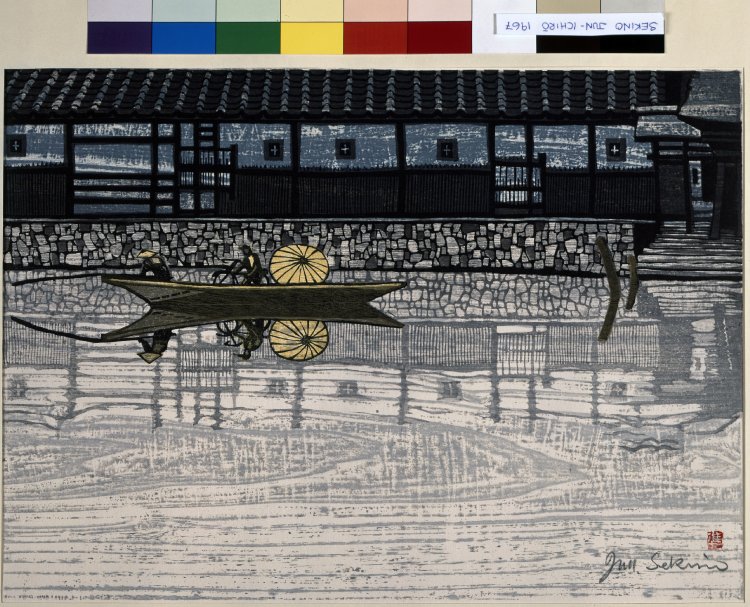
Mitsuke / Tokaido gojusan tsugi ('Fifty-three Stations of the Tokaido Road)
Woodblock print
Frequently Asked Questions
Old Picture of the Rashômon Gate (Rashômon no ko zu), from the series Scenes of Famous Places along the Tôkaidô Road (Tôkaidô meisho fûkei), also known as the Processional Tôkaidô (Gyôretsu Tôkaidô), here called Tôkaidô meisho tsuzuki was created by Kawanabe Kyosai (河鍋暁斎).
Yes — Old Picture of the Rashômon Gate (Rashômon no ko zu), from the series Scenes of Famous Places along the Tôkaidô Road (Tôkaidô meisho fûkei), also known as the Processional Tôkaidô (Gyôretsu Tôkaidô), here called Tôkaidô meisho tsuzuki is part of the Scenes of Famous Places along the Tôkaidô Road series by Kawanabe Kyosai.
Old Picture of the Rashômon Gate (Rashômon no ko zu), from the series Scenes of Famous Places along the Tôkaidô Road (Tôkaidô meisho fûkei), also known as the Processional Tôkaidô (Gyôretsu Tôkaidô), here called Tôkaidô meisho tsuzuki depicts transportation, tōkaidō, and travel scenes.