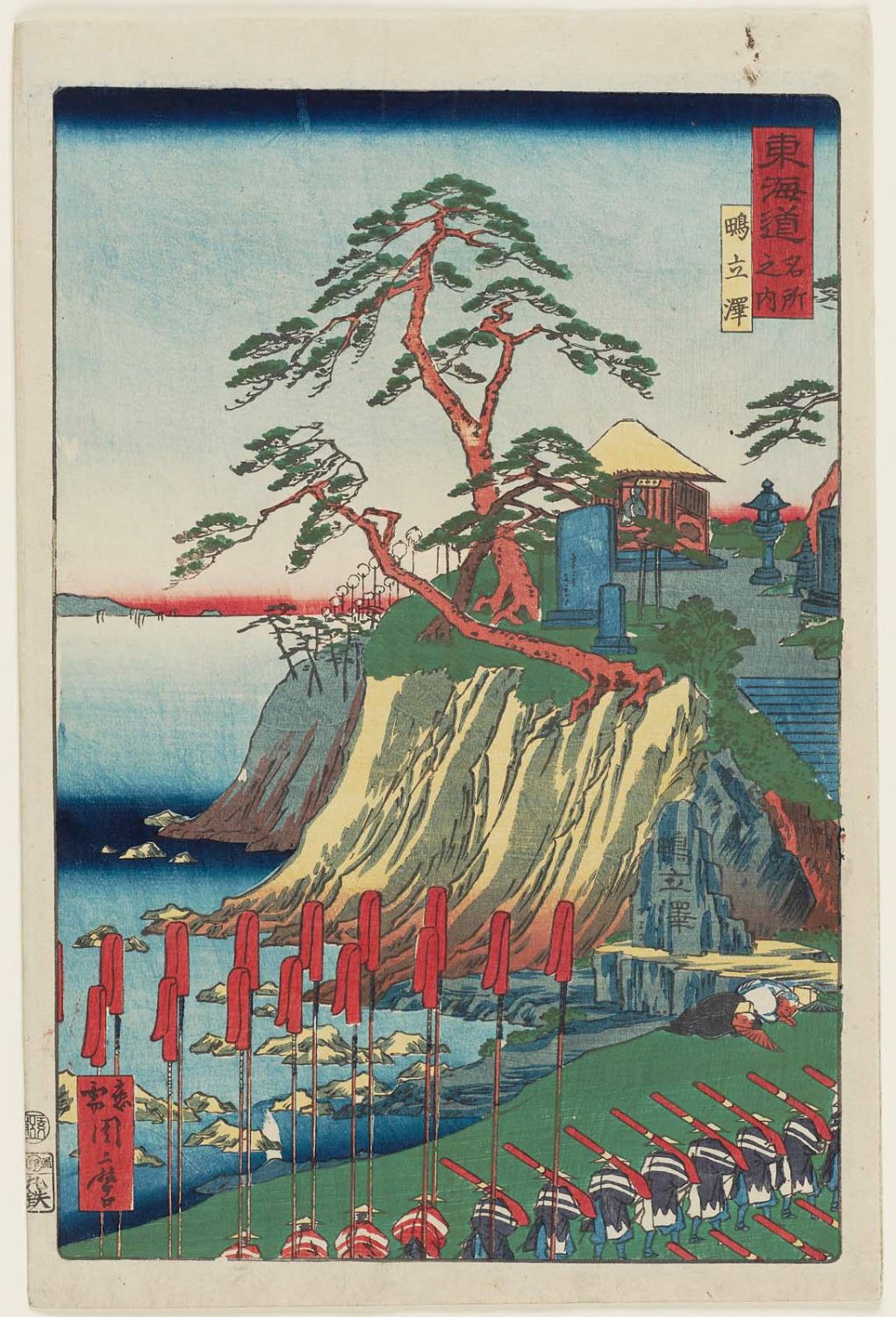
Snipe Marsh (Shigi tatsu sawa), from the series Scenes of Famous Places along the Tôkaidô Road (Tôkaidô meisho fûkei), also known as the Processional Tôkaidô (Gyôretsu Tôkaidô), here called Tôkaidô meisho no uchi
- Medium:
- Woodblock print
- Source:
- Museum of Fine Arts Boston
- Image courtesy of
- Museum of Fine Arts Boston
Description
A steep pine-topped bluff overlooks a bay, with a shrine building and a wind-bent pine tree at its crest and a rope of red torii gates lining the path below in tight zigzagging rows; the sea and a hazy shoreline stretch across the upper background in blue and grey tones. Green foliage covers the cliff face, and a red-roofed structure sits partway down the slope amid the trees. The palette is dominated by blue-greens, ochre, and vermillion, giving the scene a bright, clear-day mood. Woodblock print, "Snipe Marsh (Shigi tatsu sawa)" from Kawanabe Kyosai's Scenes of Famous Places along the Tôkaidô Road.
More Prints by Kawanabe Kyosai
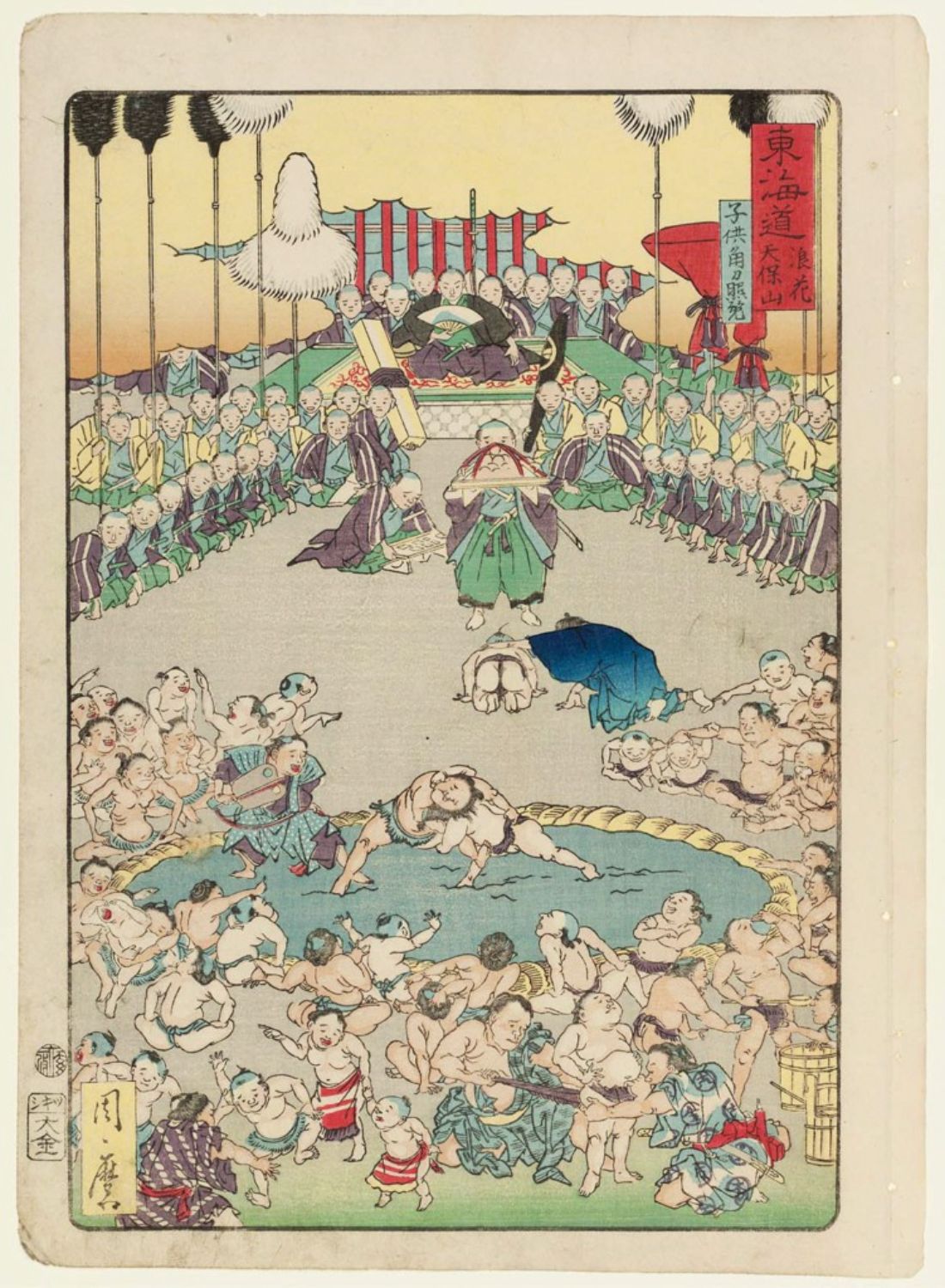
Tenpôzan in Osaka: Viewing Children's Sumo (Naniwa Tenpôzan kodomo sumô shôran), from the series Scenes of Famous Places along the Tôkaidô Road (Tôkaidô meisho fûkei), also known as the Processional Tôkaidô (Gyôretsu Tôkaidô), here called Tôkaidô
1863
Woodblock print
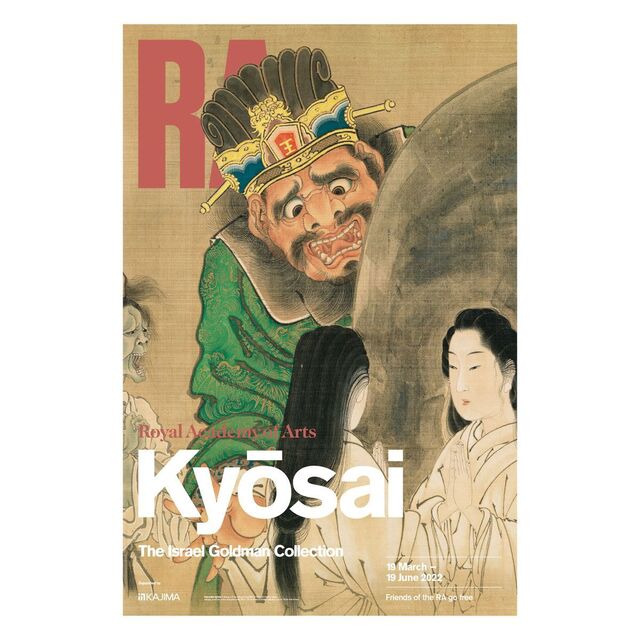
Kyosai, Royal Academy, London, FREE DOMESTIC SHIPPING
2022
Original Museum Lithographic Exhibition Poster
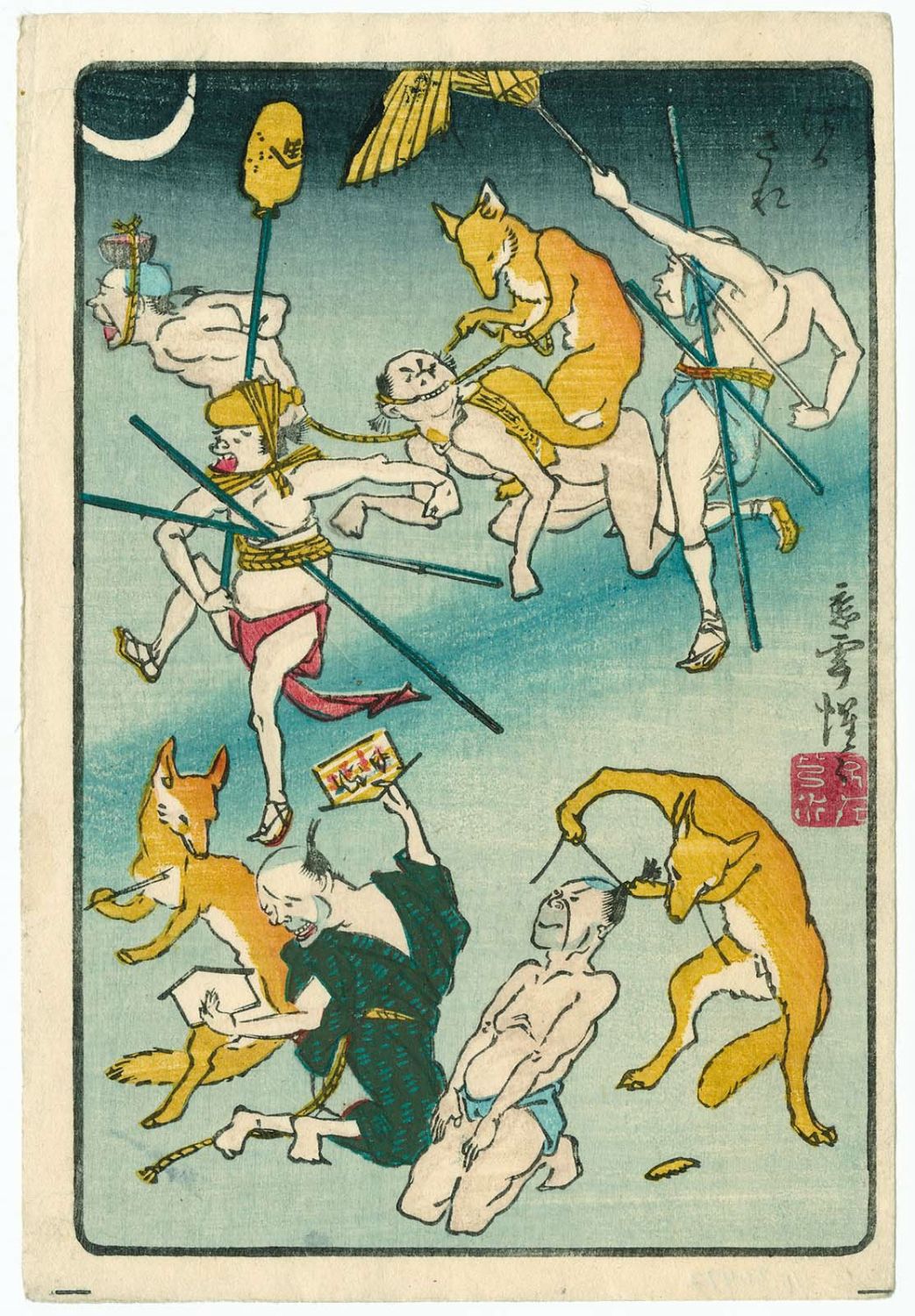
from the series One Hundred Pictures by Kyôsai (Kyôsai hyakuzu)
Woodblock print
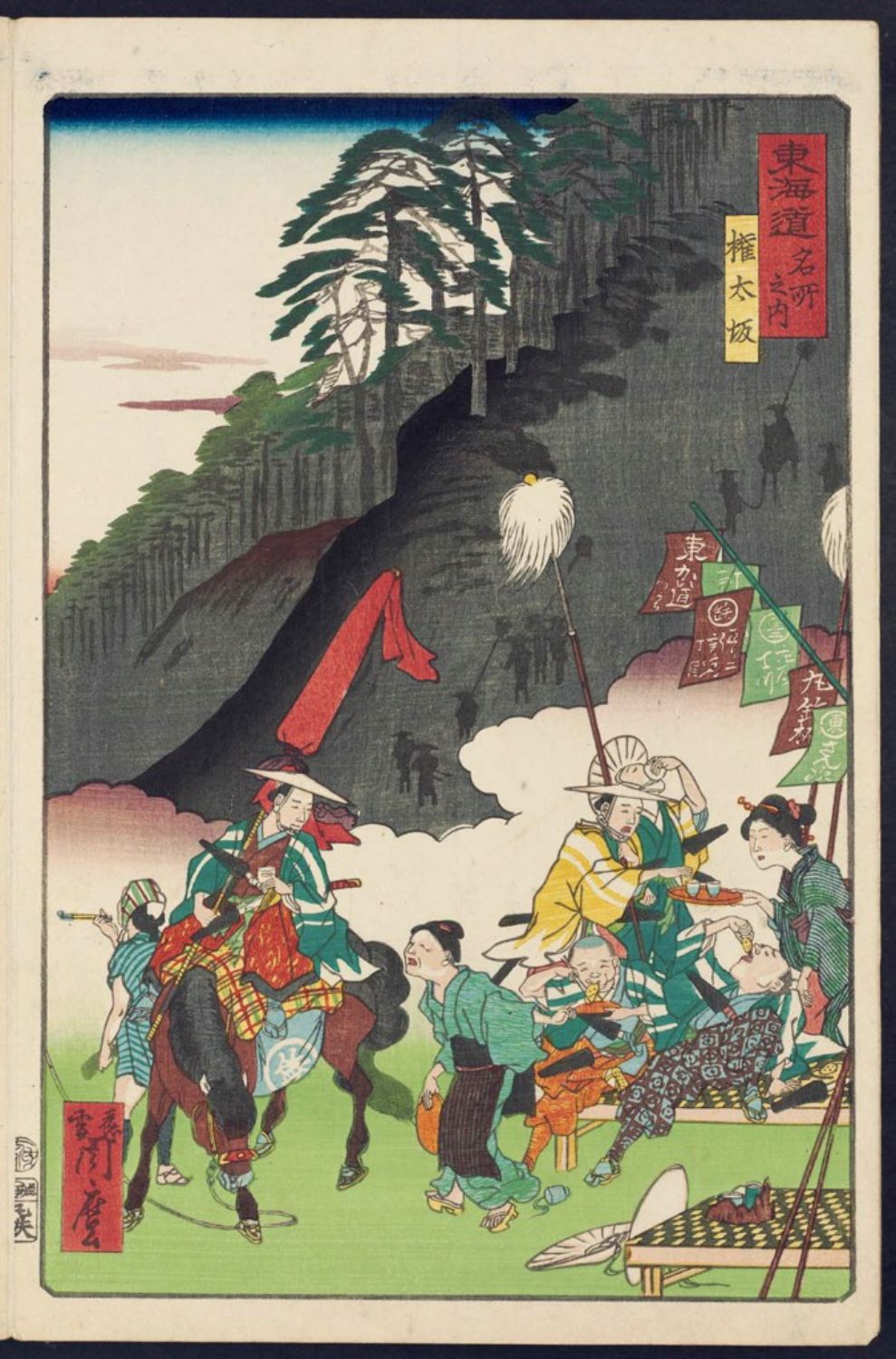
Gontazaka, from the series Scenes of Famous Places along the Tôkaidô Road (Tôkaidô meisho fûkei), also known as the Processional Tôkaidô (Gyôretsu Tôkaidô), here called Tôkaidô meisho no uchi
Woodblock print
More Transportation Prints
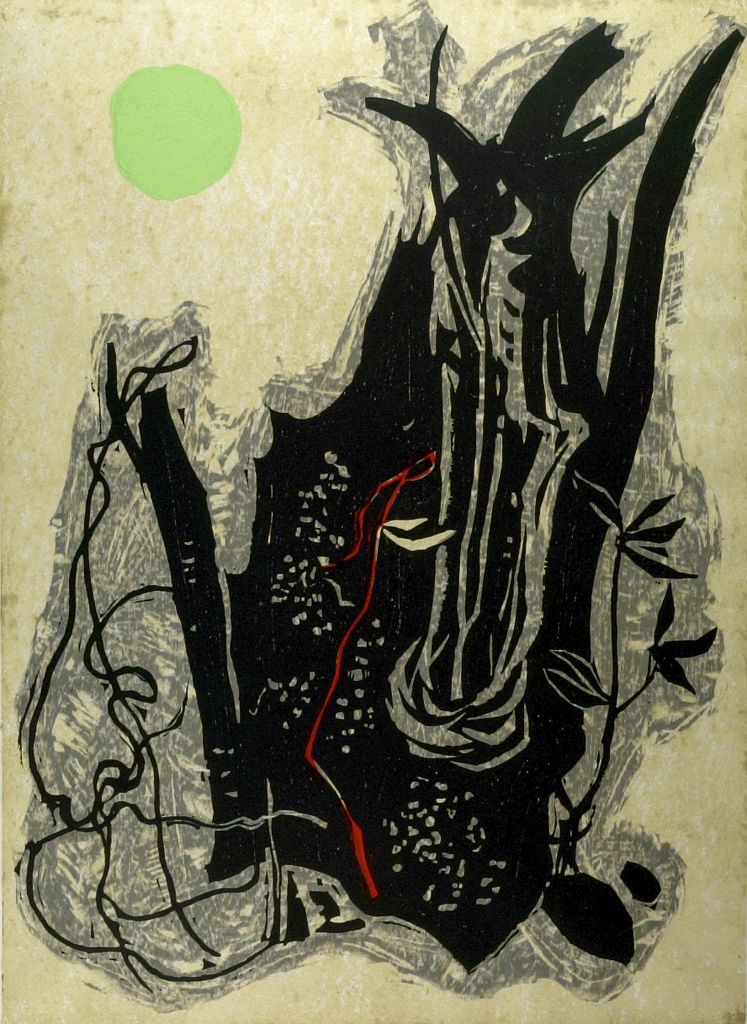
Old Tree and Path of the Sun, Shôwa period, dated 1961
Woodblock print
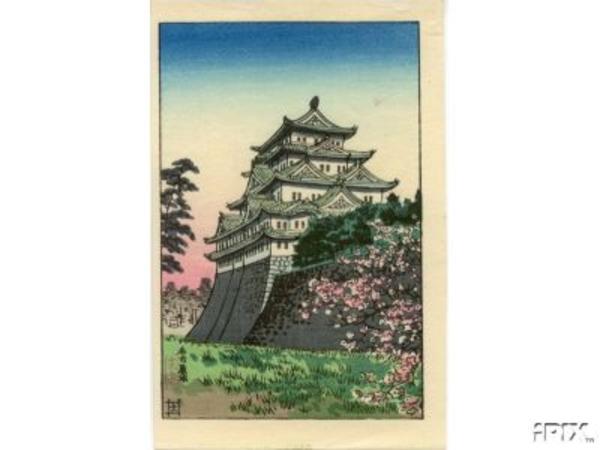
Nagoya Castle
Woodblock print
Battle at Jinzhoucheng on the Road to Port Arthur
1894 (Meiji 27)
Woodblock print (nishiki-e); ink and color on paper
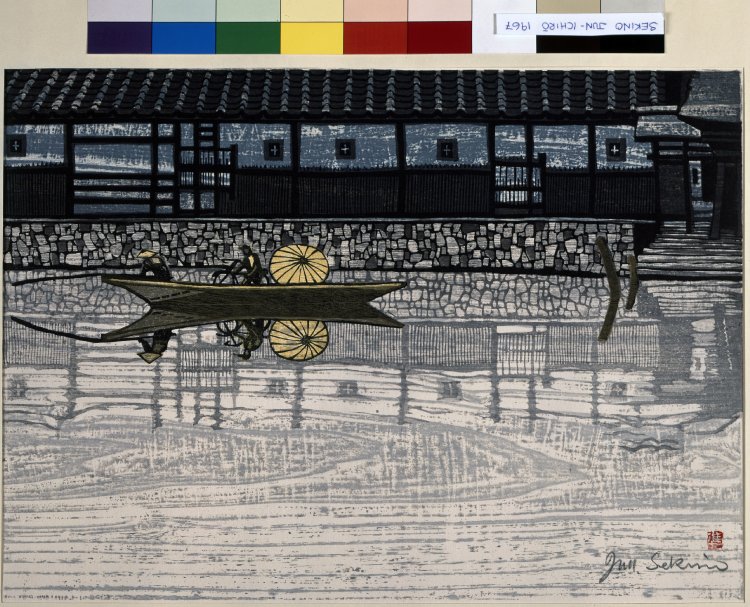
Mitsuke / Tokaido gojusan tsugi ('Fifty-three Stations of the Tokaido Road)
Woodblock print
Frequently Asked Questions
Snipe Marsh (Shigi tatsu sawa), from the series Scenes of Famous Places along the Tôkaidô Road (Tôkaidô meisho fûkei), also known as the Processional Tôkaidô (Gyôretsu Tôkaidô), here called Tôkaidô meisho no uchi was created by Kawanabe Kyosai (河鍋暁斎).
Yes — Snipe Marsh (Shigi tatsu sawa), from the series Scenes of Famous Places along the Tôkaidô Road (Tôkaidô meisho fûkei), also known as the Processional Tôkaidô (Gyôretsu Tôkaidô), here called Tôkaidô meisho no uchi is part of the Scenes of Famous Places along the Tôkaidô Road series by Kawanabe Kyosai.
Snipe Marsh (Shigi tatsu sawa), from the series Scenes of Famous Places along the Tôkaidô Road (Tôkaidô meisho fûkei), also known as the Processional Tôkaidô (Gyôretsu Tôkaidô), here called Tôkaidô meisho no uchi depicts transportation, tōkaidō, and travel scenes.