
Bamboo and Squirrels
竹に栗鼠図
- Date:
- late 19th–early 20th century
- Medium:
- Hanging scroll; ink and color on silk
Description
Bamboo and Squirrels is a vertically composed hanging scroll by Mochizuki Gyokusen pairing two squirrels with a stand of bamboo, a combination that had been a standard subject of Kyoto kachō-e (bird-and-flower picture) painting since the eighteenth century. The pairing draws on Chinese literati associations — bamboo as an emblem of moral fortitude and the squirrel as a small and energetic counterpoint — and on the Shijō tradition of pairing close zoological observation with carefully selected botanical companions. Gyokusen's drawing of the squirrels follows the Maruyama-Shijō practice of working from sketches of living animals, with attention to the angle of the head, the curve of the back, and the texture of the tail; the bamboo is rendered in the more calligraphic mode that Kyoto painters of his generation inherited from both the Chinese Yuan-Ming bamboo masters and the native Shijō repertoire. The Minneapolis Institute of Art's scroll (accession 2013.29.304) entered the museum as part of the Mary Griggs Burke bequest in 2013. It is representative of Gyokusen's smaller-format hanging scrolls of the late Meiji period, paintings made for the domestic tokonoma alcove rather than for temple or palace display.
More Prints by Mochizuki Gyokusen

Black Bull
黒牛図
late 19th–early 20th century
Hanging scroll; ink and color on silk

Landscape with Fisherman Outside a Cave
洞窟漁夫山水図
late 19th–early 20th century
Hanging scroll; ink and light color on silk
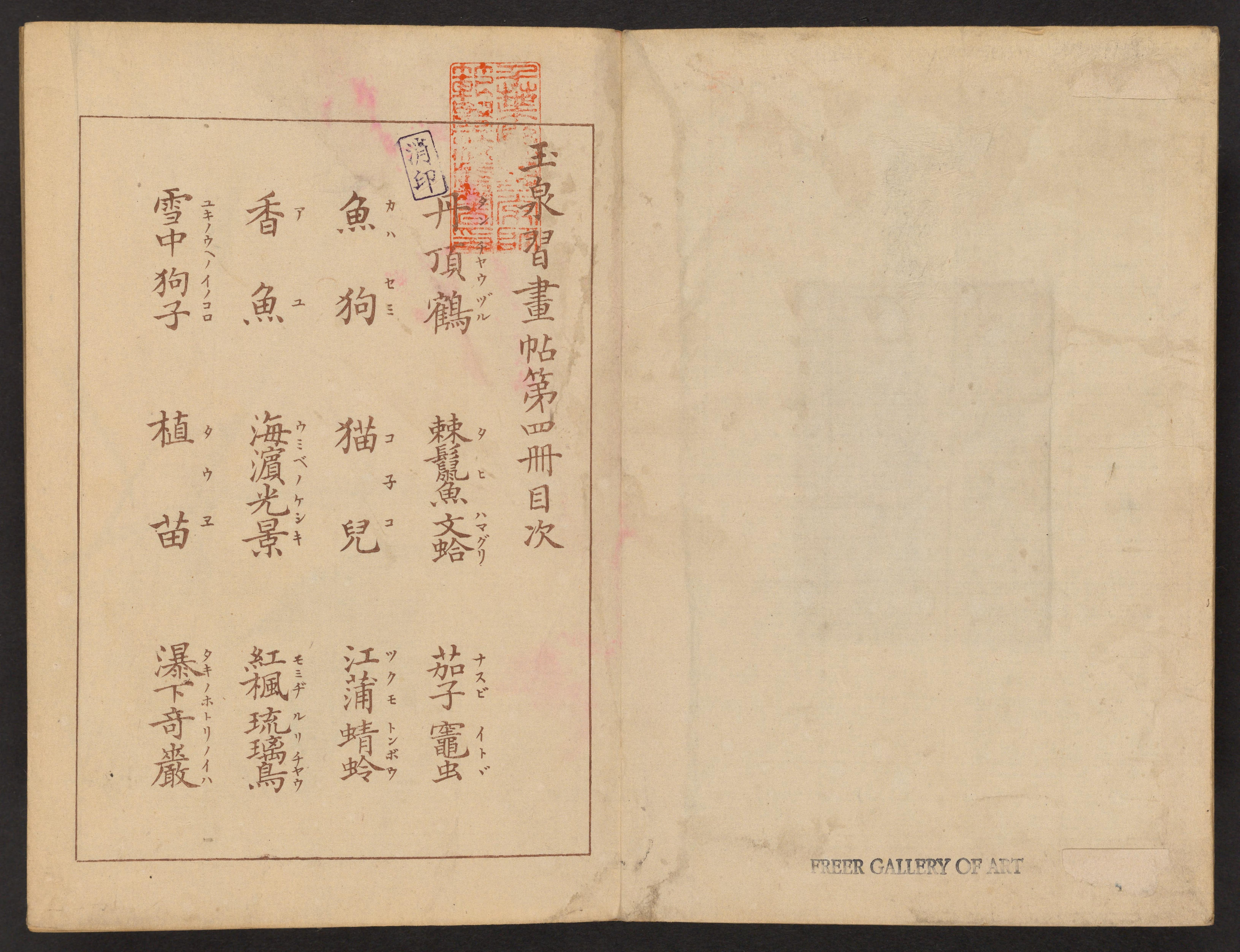
Gyokusen shūgajō (Gyokusen's Collected Picture Album)
玉泉習画帖
1891
Woodblock-printed book; ink and color on paper

Snow Landscape
雪景山水図
1879
Hanging scroll; ink on silk
Frequently Asked Questions
Bamboo and Squirrels (竹に栗鼠図) was created by Mochizuki Gyokusen (望月玉泉) in late 19th–early 20th century.