
Landscape with Fisherman Outside a Cave
洞窟漁夫山水図
- Date:
- late 19th–early 20th century
- Medium:
- Hanging scroll; ink and light color on silk
Description
Landscape with Fisherman Outside a Cave is a tall hanging-scroll landscape by Mochizuki Gyokusen depicting a single fisherman before the dark mouth of a cliffside cave, a composition that draws together two strands of the Kyoto Shijō landscape tradition: the Chinese-influenced literati landscape, with its hermits, fishermen, and remote dwellers as figures of withdrawn moral integrity, and the closer Shijō practice of native Japanese mountain and coast scenery drawn from direct observation. The vertical format and the use of strong negative space below the cave reflect the Shijō preference for asymmetric, axially weighted compositions; the figure of the fisherman is small but carefully placed to anchor the picture's narrative. Gyokusen's brushwork shows the discipline of his Shijō training together with the somewhat looser, more atmospheric ink practice that Kyoto nihonga painters developed in response to both literati painting and the early stirrings of Western tonal landscape painting in the late nineteenth century. The Minneapolis Institute of Art's scroll (accession 2013.29.789), part of the Mary Griggs Burke bequest of 2013, is a fine example of his figural landscape practice and complements the museum's holdings of related works by Bairei, Keinen, and the next generation of Kyoto nihonga painters.
More Prints by Mochizuki Gyokusen

Black Bull
黒牛図
late 19th–early 20th century
Hanging scroll; ink and color on silk
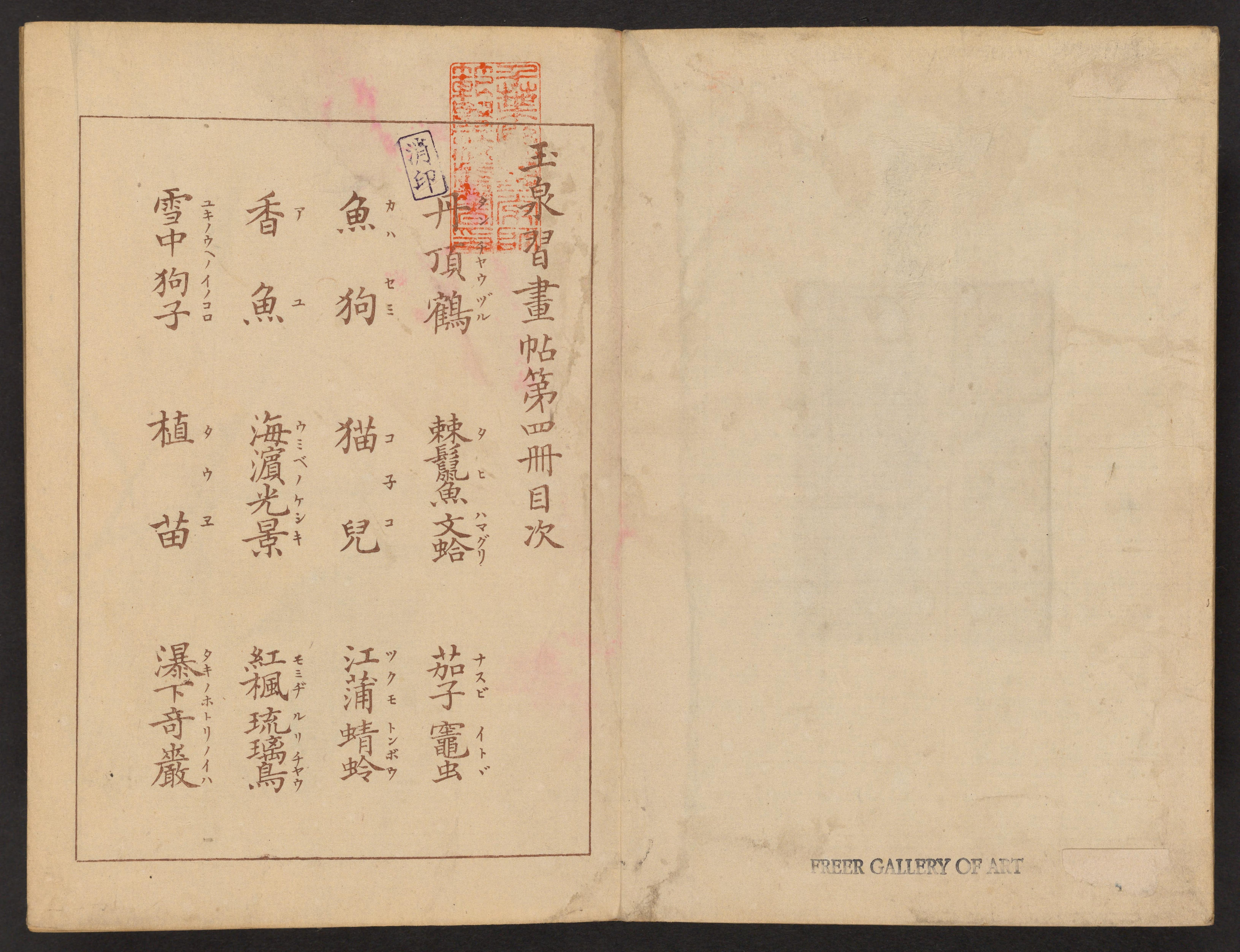
Gyokusen shūgajō (Gyokusen's Collected Picture Album)
玉泉習画帖
1891
Woodblock-printed book; ink and color on paper

Snow Landscape
雪景山水図
1879
Hanging scroll; ink on silk

Eagle on Rock by Waves
怒涛巖上鷲図
late 19th–early 20th century
Pair of hanging scrolls; ink and color on silk
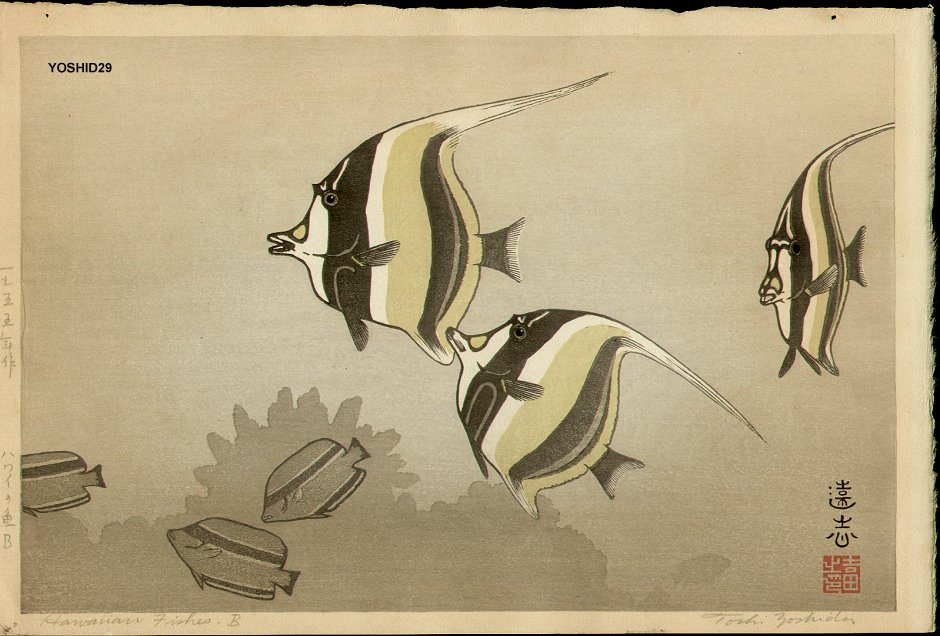
More Fish Prints


Frequently Asked Questions
Landscape with Fisherman Outside a Cave (洞窟漁夫山水図) was created by Mochizuki Gyokusen (望月玉泉) in late 19th–early 20th century.
Landscape with Fisherman Outside a Cave depicts fish.