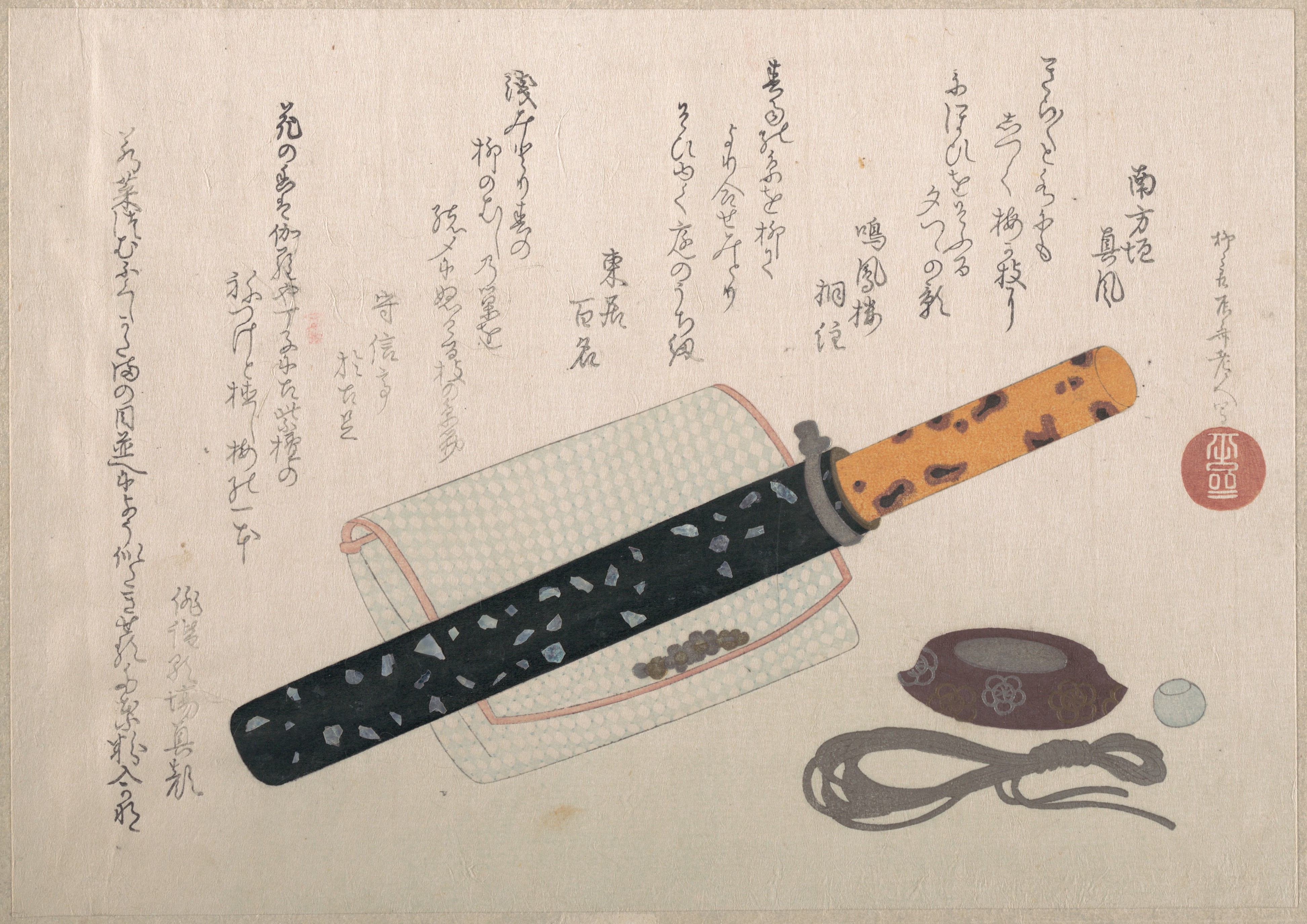
Hanging Tobacco Set
- Date:
- 19th century
- Medium:
- Part of an album of woodblock prints (surimono); ink and color on paper
- Source:
- Metropolitan Museum of Art
Description
Hanging Tobacco Set is a surimono by Ryuryukyo Shinsai in the Metropolitan Museum of Art, dated to around 1800. The print depicts a complete portable tobacco outfit suspended for display, including the pouch, pipe case, and ojime cord ornaments that an Edo townsman would have worn at the waist. As a designer within the Hokusai school, Shinsai brought to surimono an exact eye for the surfaces and structures of luxury accessories, and this sheet reads almost as a connoisseur's catalogue plate of the era's pipe culture. The components are drawn with sharp contours and tonal modeling that distinguish leather, brocade, metal fittings, and woven cord from one another, while embossing and metallic pigments characteristic of surimono printing add tactile richness without overwhelming the muted palette. Tobacco sets were prized objects in the early nineteenth century, used as markers of taste and personal style among the poets and merchants who commissioned surimono, and the choice of subject would have flattered the kyoka club whose verses accompanied the design. Shinsai's framing isolates the set against a plain ground, letting the eye follow the cord and ornament from pouch to pipe in a way that mirrors how the object would have been admired in the hand. The work demonstrates how the Hokusai school's followers used the surimono format to fuse precise object portrayal with poetic suggestion for a knowledgeable urban audience.
More Prints by Ryūryūkyo Shinsai
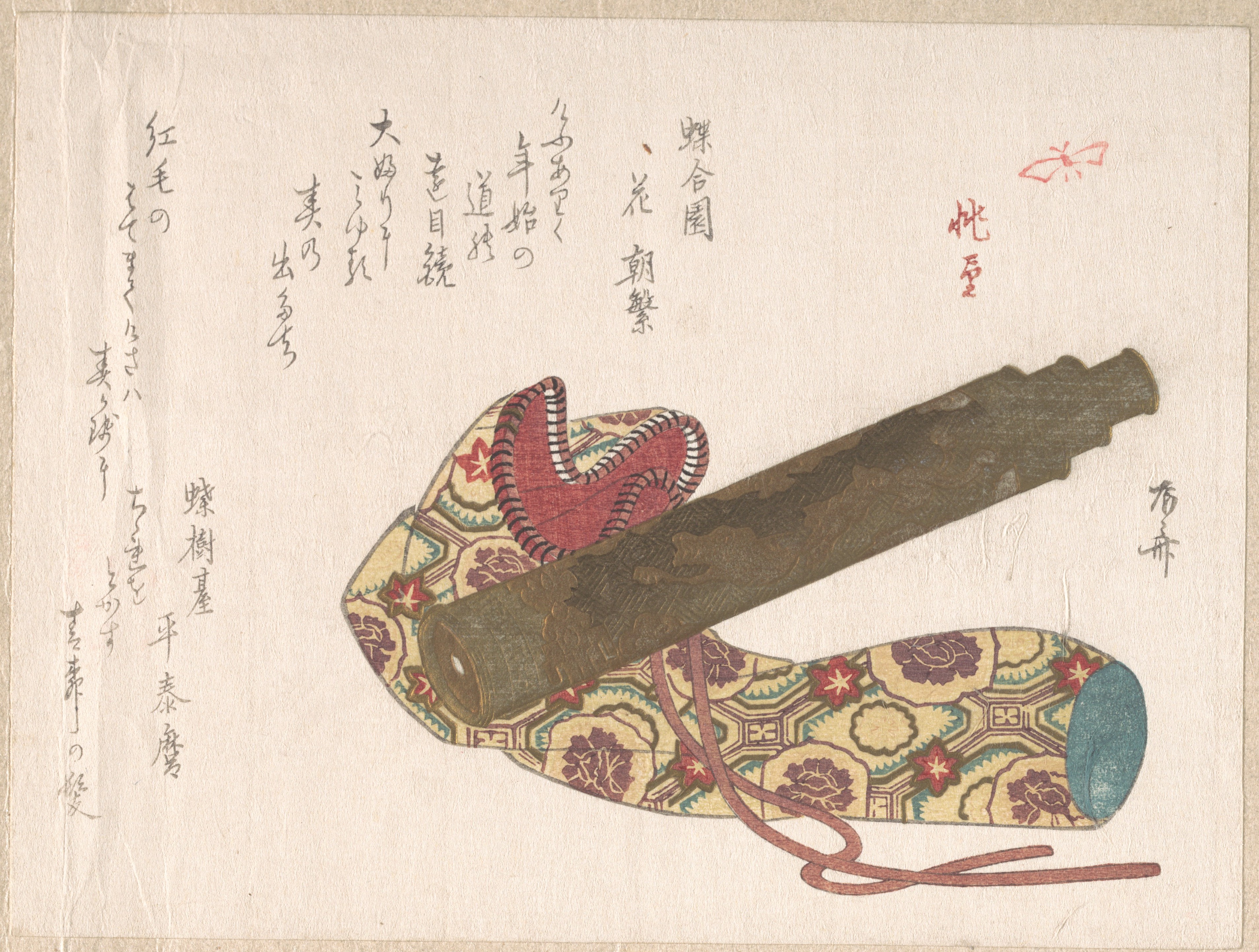
Telescope with Its Bag
19th century
Woodblock print (surimono); ink and color on paper
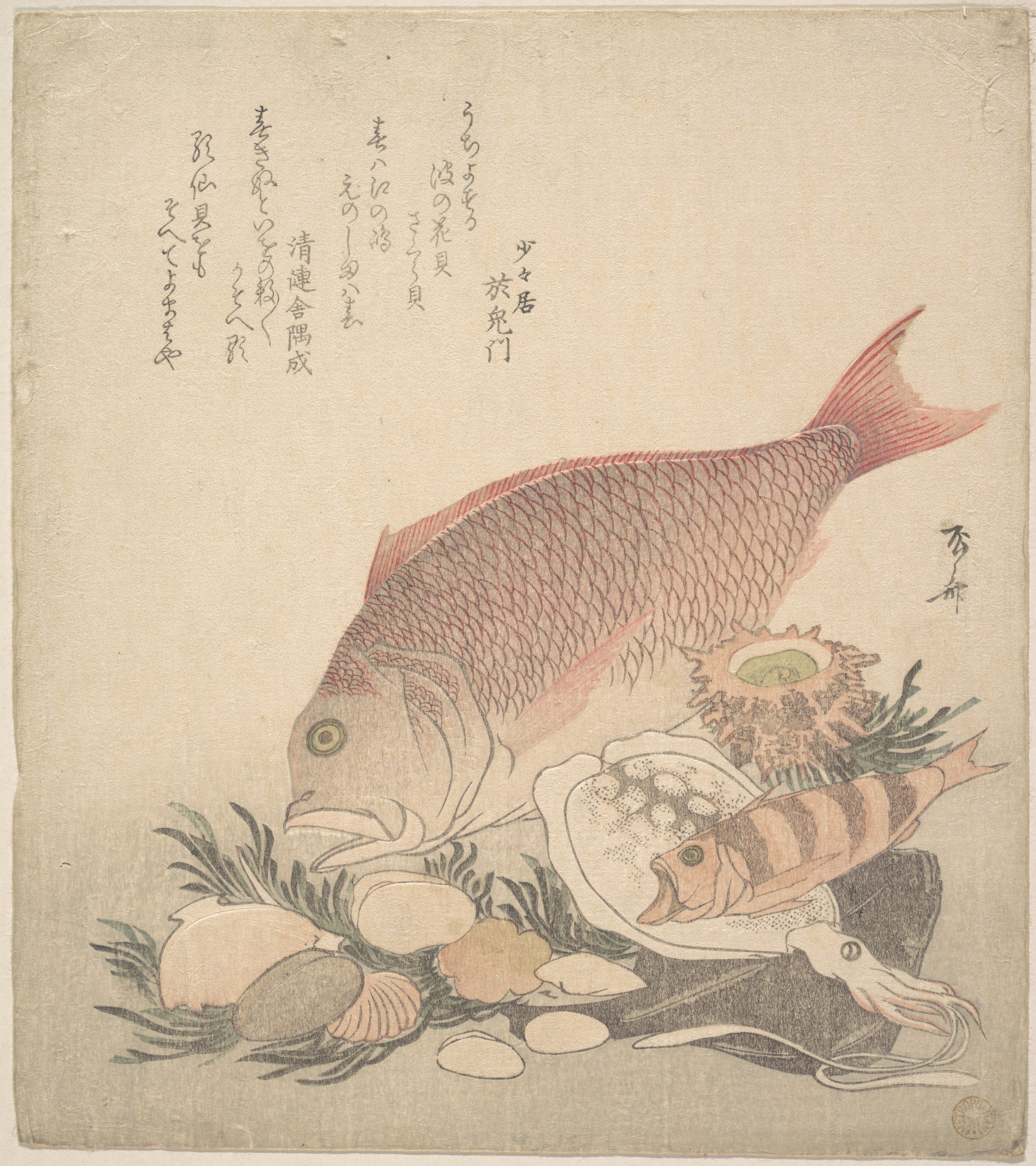
Large and Small Fish Swimming Among Shells and Moss at the Bottom of the Sea
ca. 1830
Woodblock print (surimono); ink and color on paper
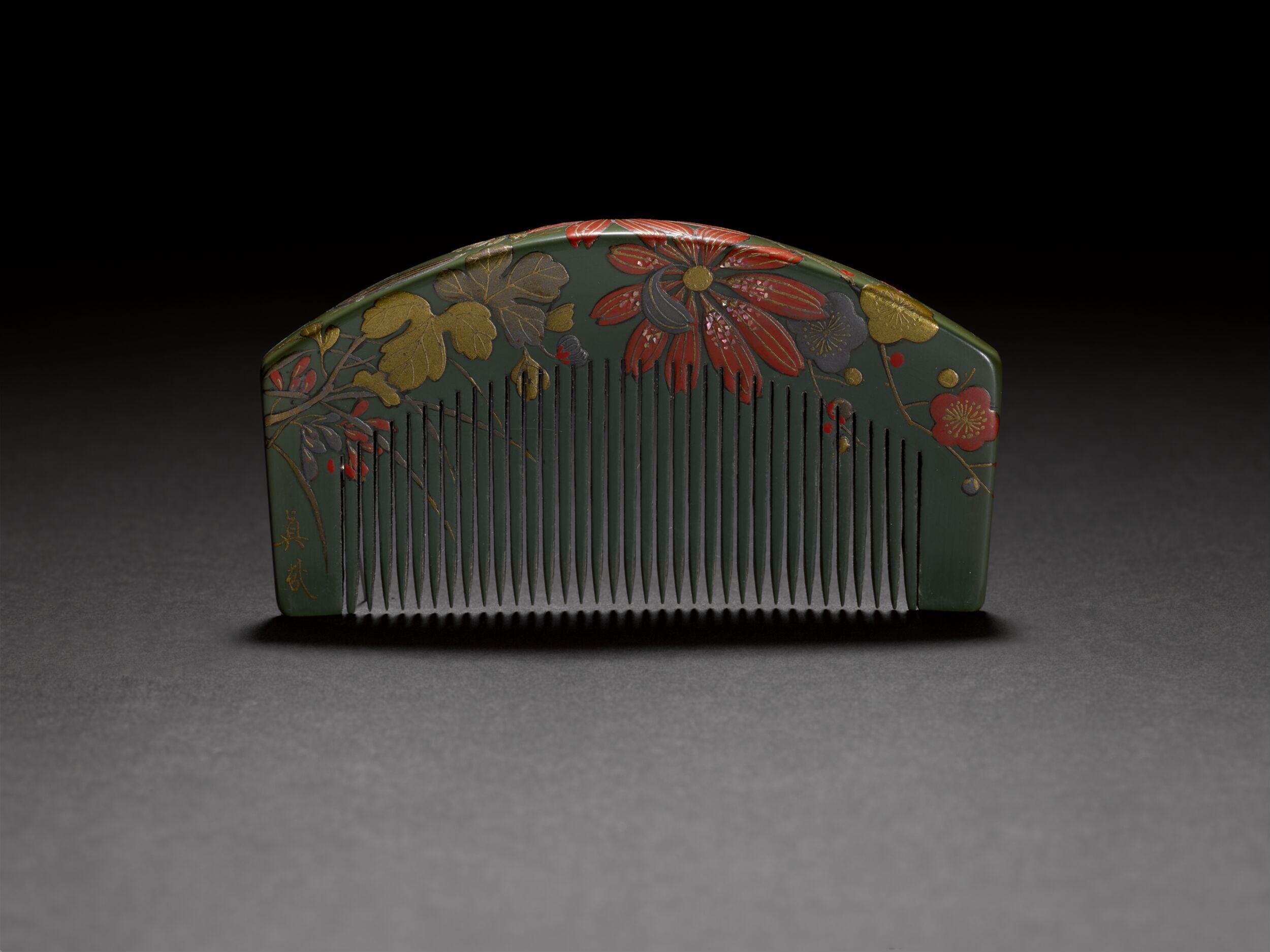
Untitled
1880 - 1895
Two Young Ladies Having Tea Attended by Elderly Servant
Woodblock print (surimono); ink and color on paper
Frequently Asked Questions
Hanging Tobacco Set was created by Ryūryūkyo Shinsai (柳々居辰斎) in 19th century.