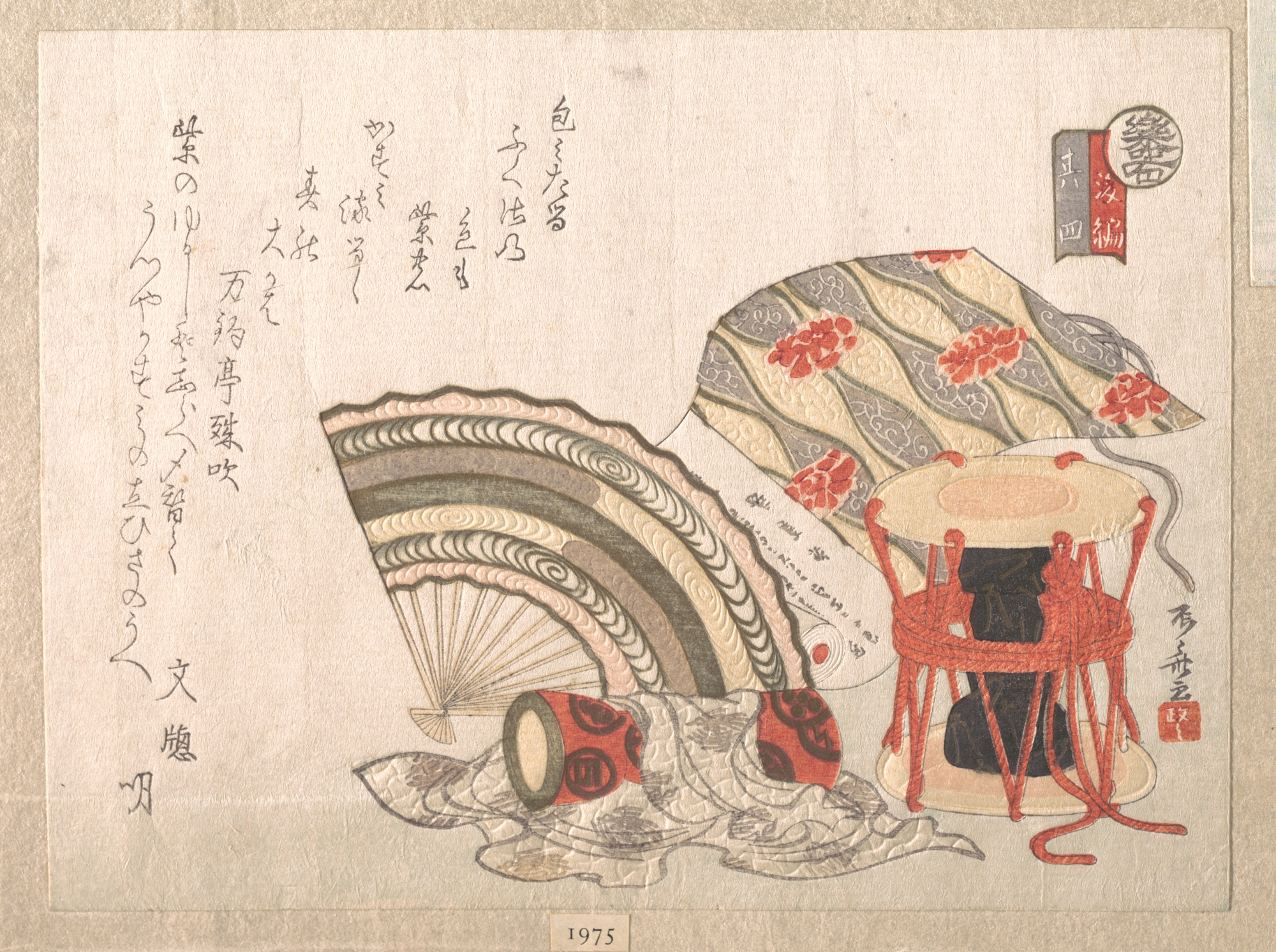
Musical Instruments for the Noh Dance
- Date:
- 19th century
- Medium:
- Woodblock print (surimono); ink and color on paper
- Source:
- Metropolitan Museum of Art
Description
Musical Instruments for the Noh Dance is a surimono print by Ryuryukyo Shinsai in the Metropolitan Museum of Art, dated to around 1800. The composition assembles the percussion instruments associated with Noh theater, including a small hand drum and likely a larger drum or flute, presented as though displayed for a connoisseur's inspection rather than in performance. Working in the Hokusai school's surimono tradition after his earlier training under Tawaraya Sori, Shinsai often produced sheets in which objects of cultivated practice serve as visual essays on taste. The lacquered shells and cords of the drums offered the surimono printer an opportunity to use blind embossing and metallic pigments to suggest the gleam of urushi and the texture of woven hemp, and Shinsai's design choices isolate each instrument so its construction can be admired in detail. Noh references in early nineteenth-century Edo carried strong associations with samurai patronage and classical learning, and a kyoka poetry club commissioning this surimono would have welcomed verses on themes of restrained virtuosity, training, and the meeting of music and silence. The composition stands apart from the artist's more familiar still lifes of household goods by reaching into the formal world of theater, while still using the same Hokusai school language of careful contour, balanced negative space, and modulated color. The Metropolitan Museum of Art preserves the work alongside other Shinsai surimono.
More Prints by Ryūryūkyo Shinsai
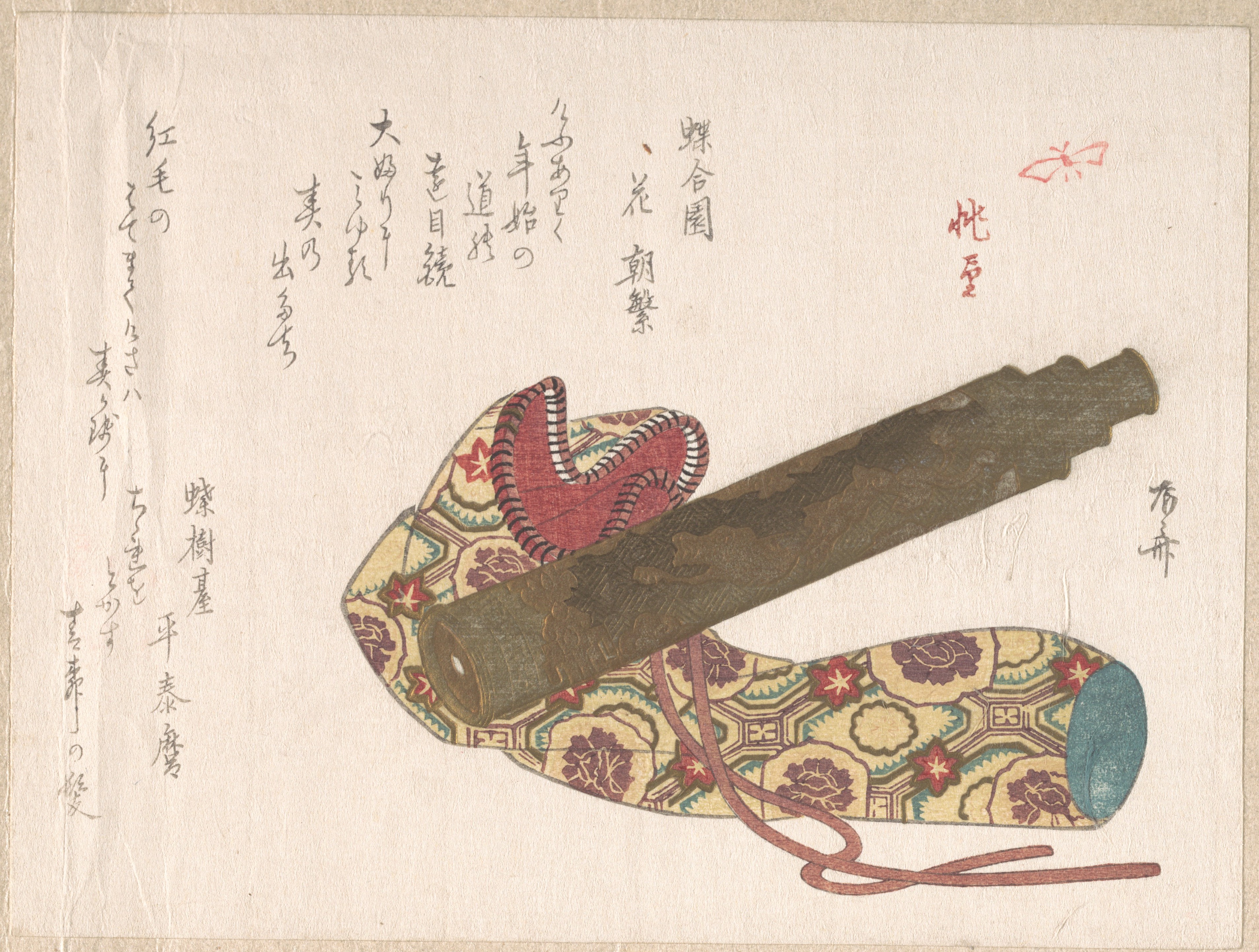
Telescope with Its Bag
19th century
Woodblock print (surimono); ink and color on paper
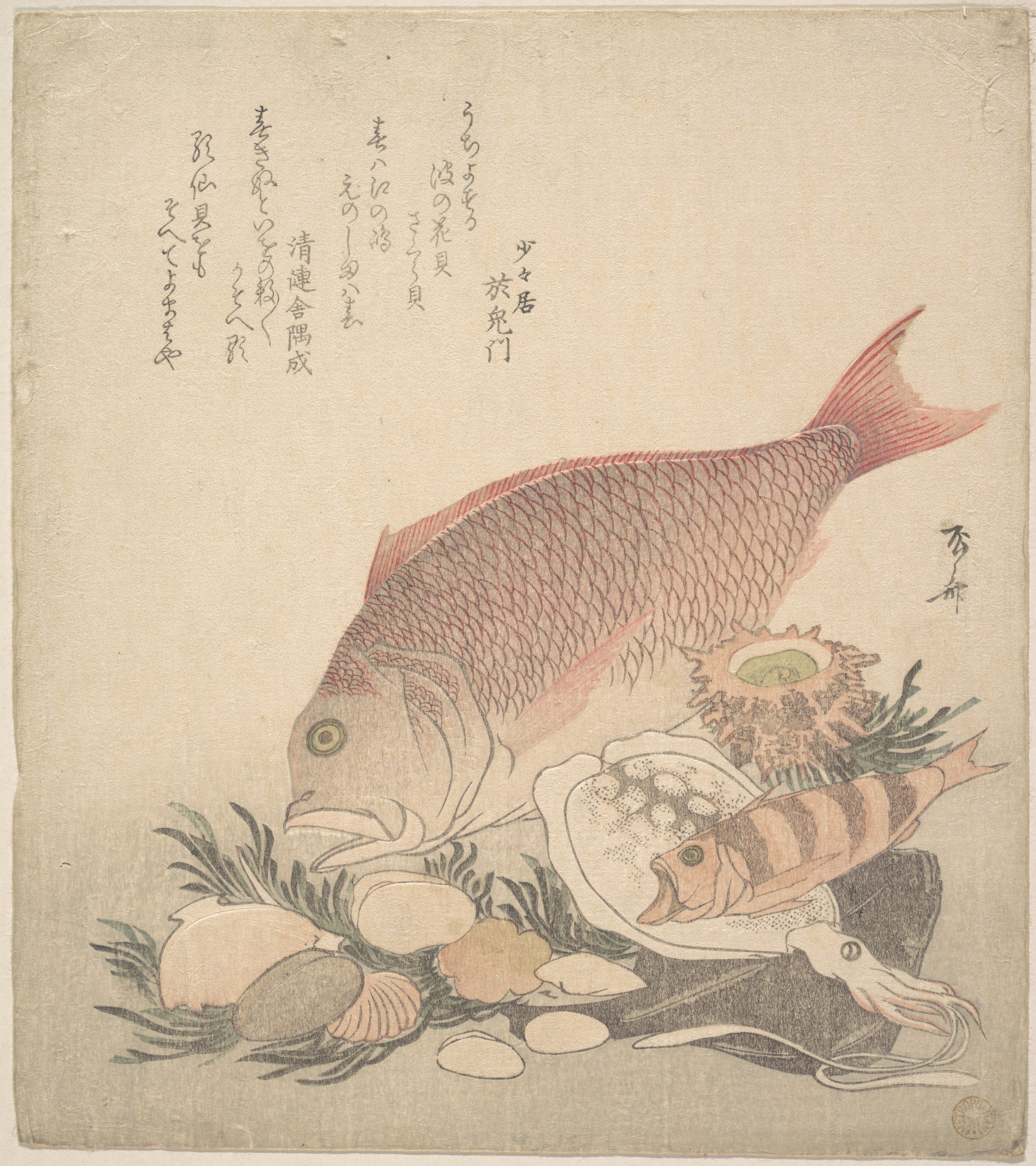
Large and Small Fish Swimming Among Shells and Moss at the Bottom of the Sea
ca. 1830
Woodblock print (surimono); ink and color on paper
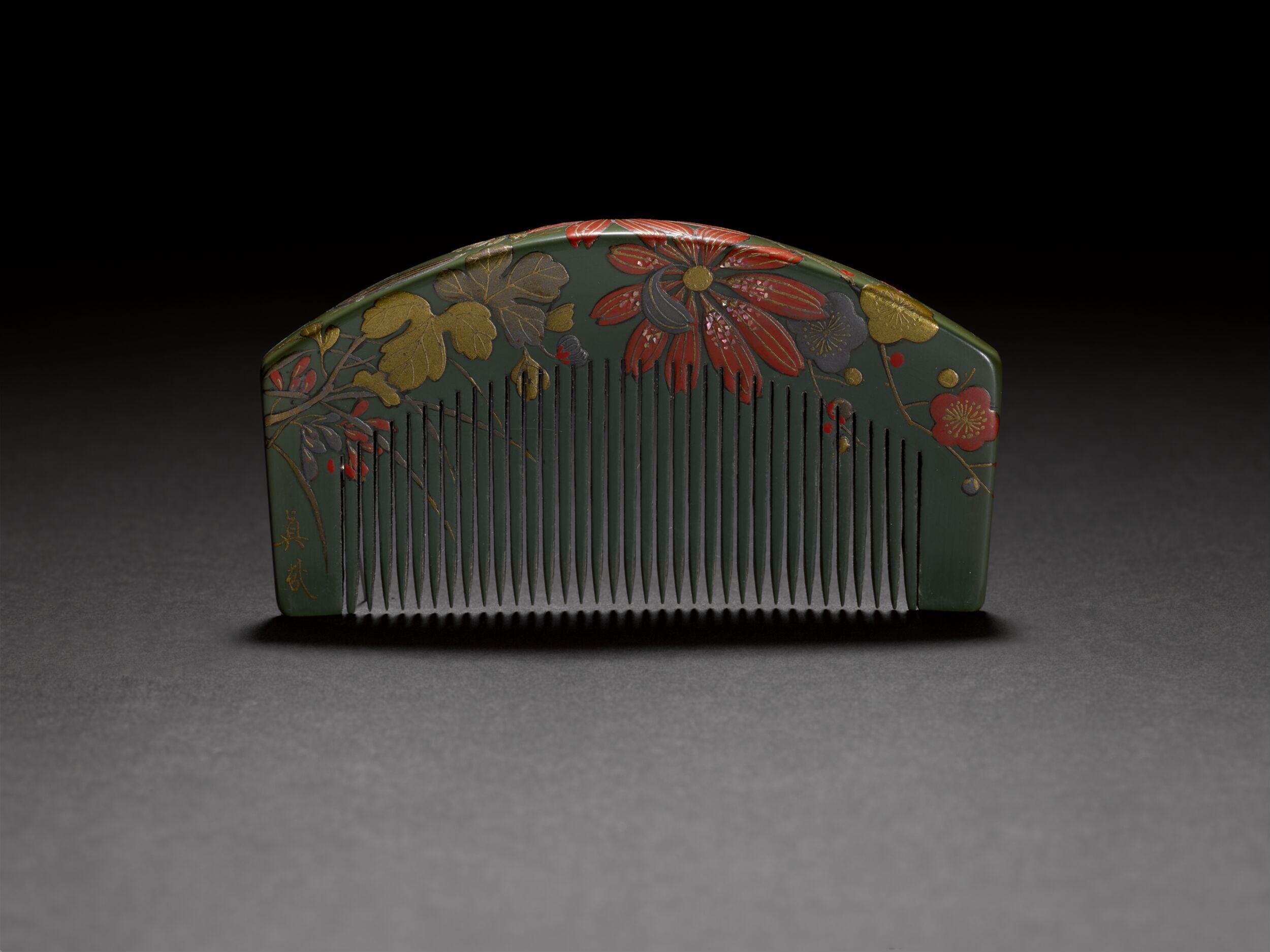
Untitled
1880 - 1895
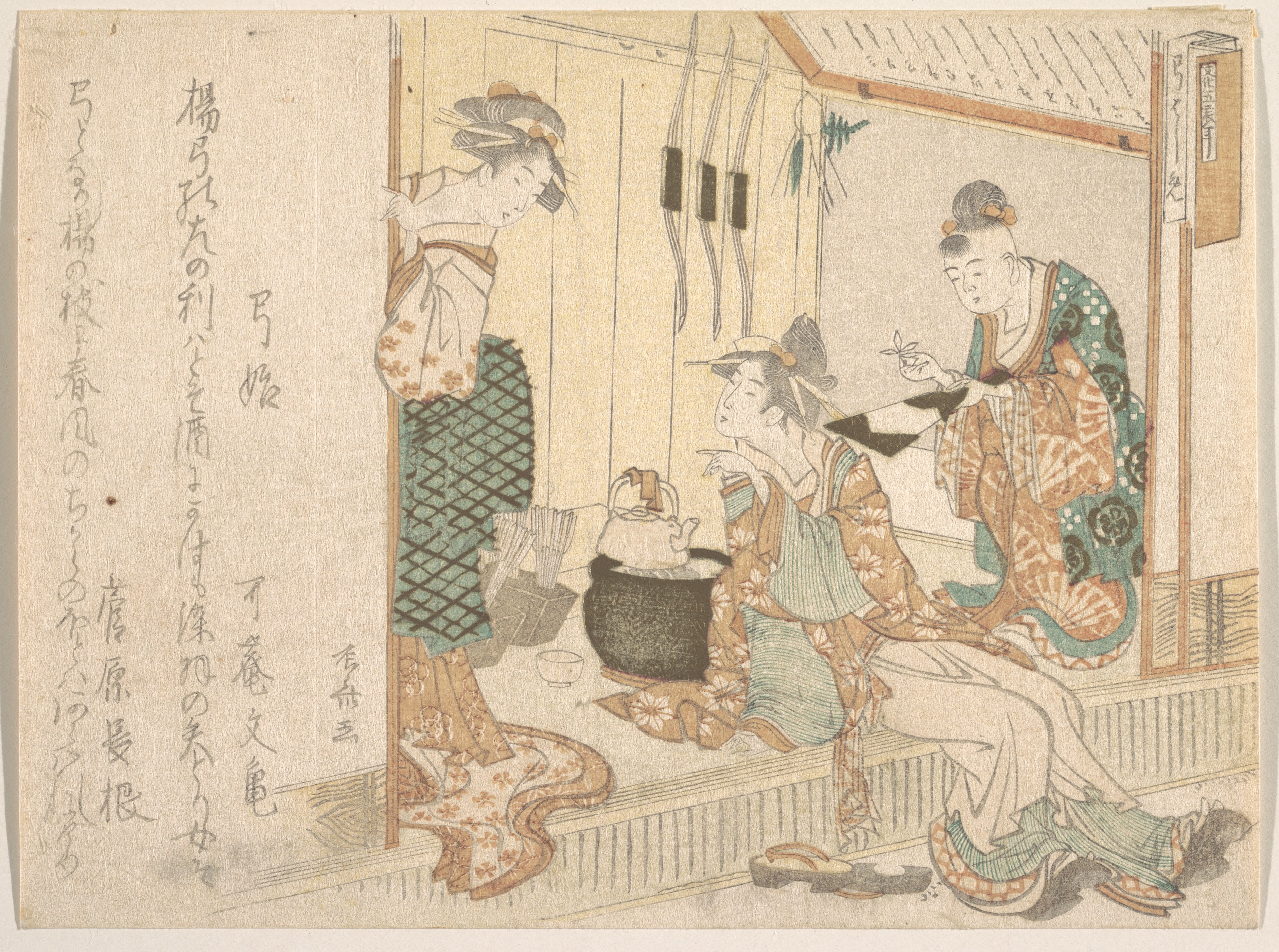
Two Young Ladies Having Tea Attended by Elderly Servant
Woodblock print (surimono); ink and color on paper
Frequently Asked Questions
Musical Instruments for the Noh Dance was created by Ryūryūkyo Shinsai (柳々居辰斎) in 19th century.