
Screen of Calligraphy and New Year Decoration
- Date:
- 19th century
- Medium:
- Woodblock print (surimono); ink and color on paper
- Source:
- Metropolitan Museum of Art
Description
Screen of Calligraphy and New Year Decoration is a surimono print by Ryuryukyo Shinsai in the Metropolitan Museum of Art, dated to around 1800. The composition combines a paneled screen bearing calligraphy with a New Year decoration, perhaps a kadomatsu arrangement or a simpler shimekazari, evoking the formal interior of an elite Edo household at the turning of the year. As a designer within the Hokusai school after his early training under Tawaraya Sori, Shinsai used such interior tableaux to fuse seasonal ceremony with literary self-presentation, since the calligraphy on the screen would have signaled the household's investment in poetry and learning. The screen offers a strong rectangular structure that organizes the sheet, while the New Year decoration introduces vertical and organic accents that contrast with the screen's regimented panels. Surimono printers exploited the textured paper and blind embossing to suggest folded silk borders, lacquer hardware, and the green of pine or bamboo, and Shinsai's restrained palette keeps the focus on the meeting of word and ornament. The kyoka verses originally printed on the sheet would have responded to this setting with seasonal salutations or with self-conscious commentary on the practice of writing itself. The Metropolitan Museum of Art preserves this impression as a representative example of how Shinsai's Hokusai school surimono used domestic ceremony as a stage for the contemporary poetic community.
More Prints by Ryūryūkyo Shinsai
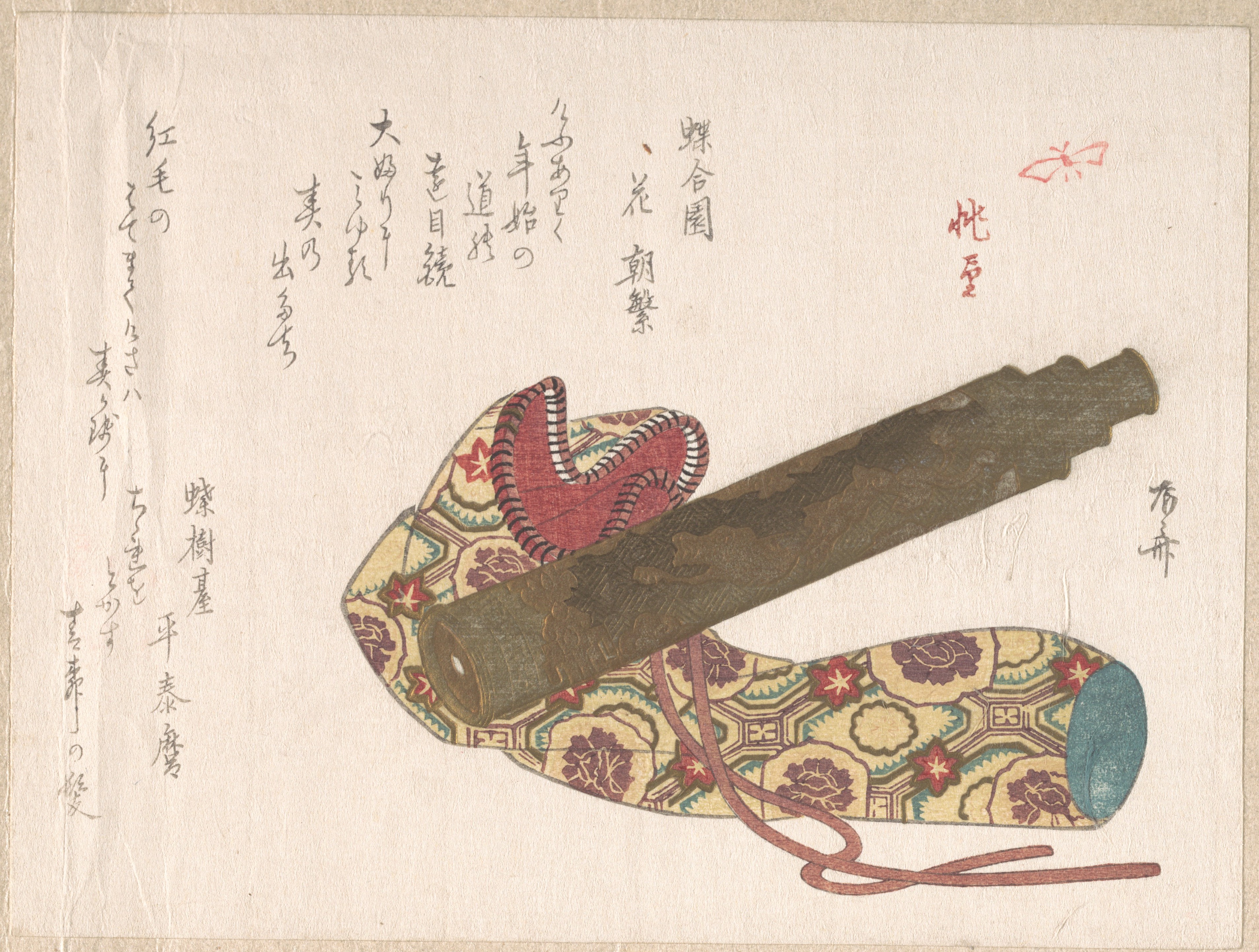
Telescope with Its Bag
19th century
Woodblock print (surimono); ink and color on paper
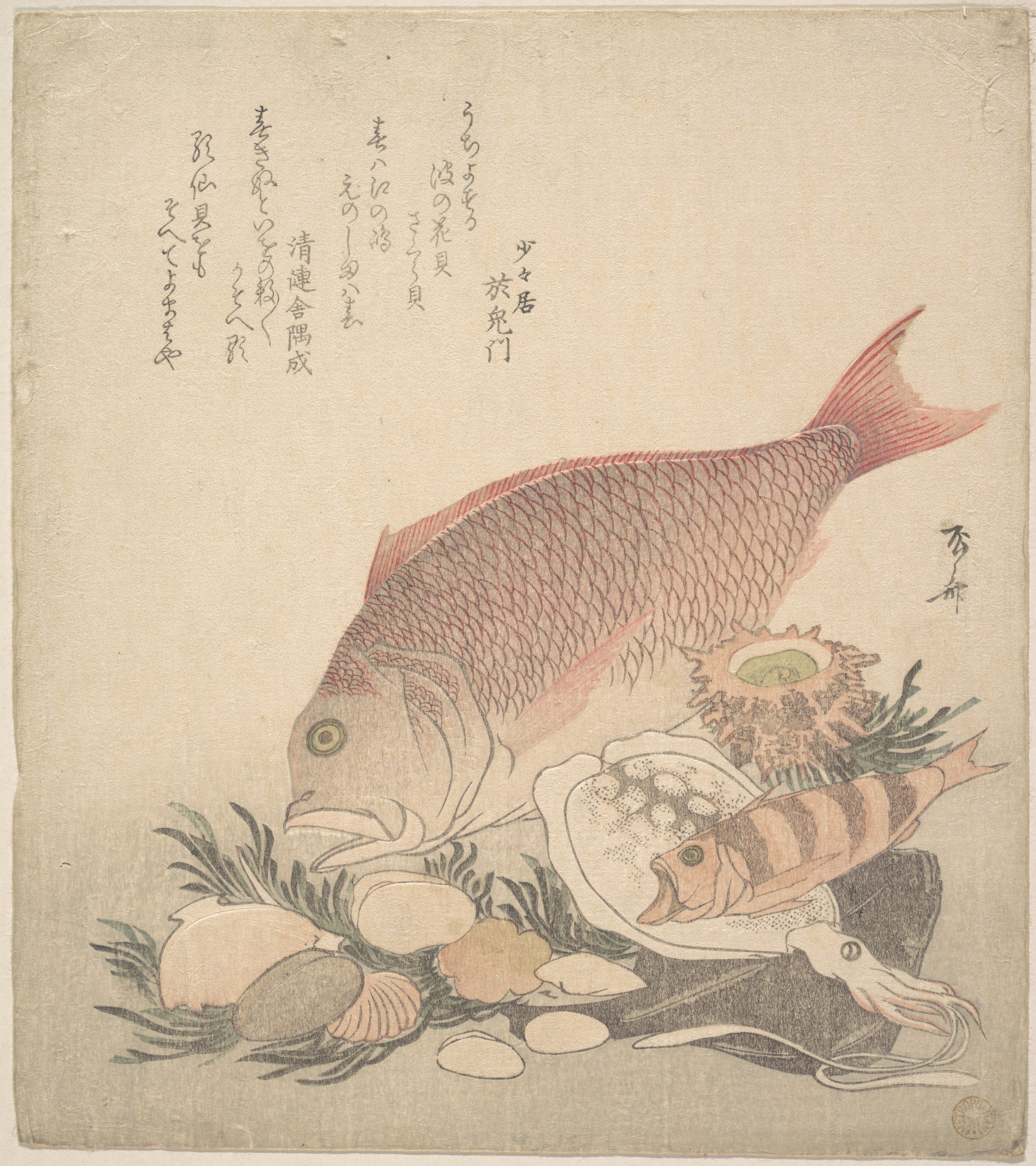
Large and Small Fish Swimming Among Shells and Moss at the Bottom of the Sea
ca. 1830
Woodblock print (surimono); ink and color on paper
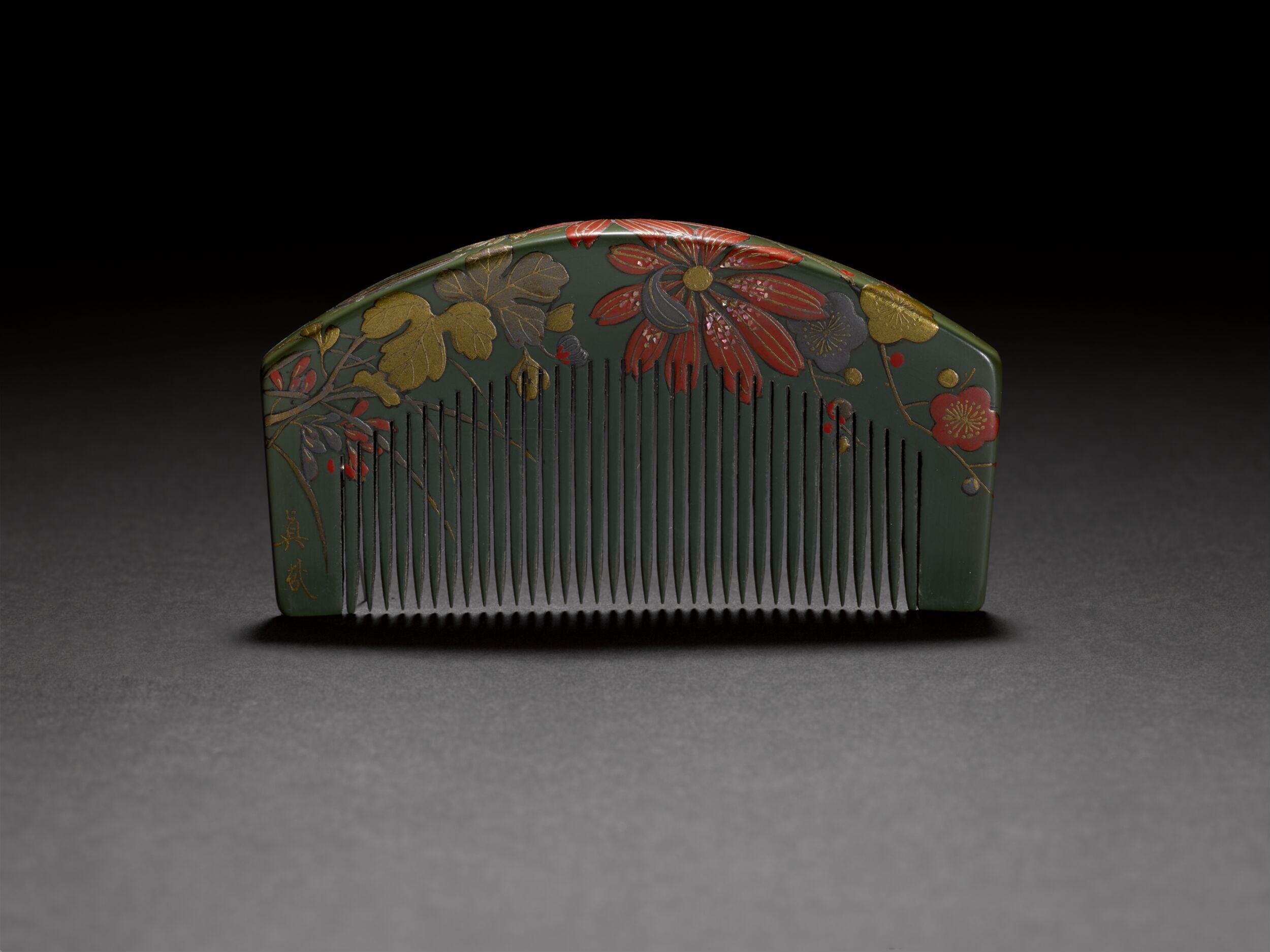
Untitled
1880 - 1895
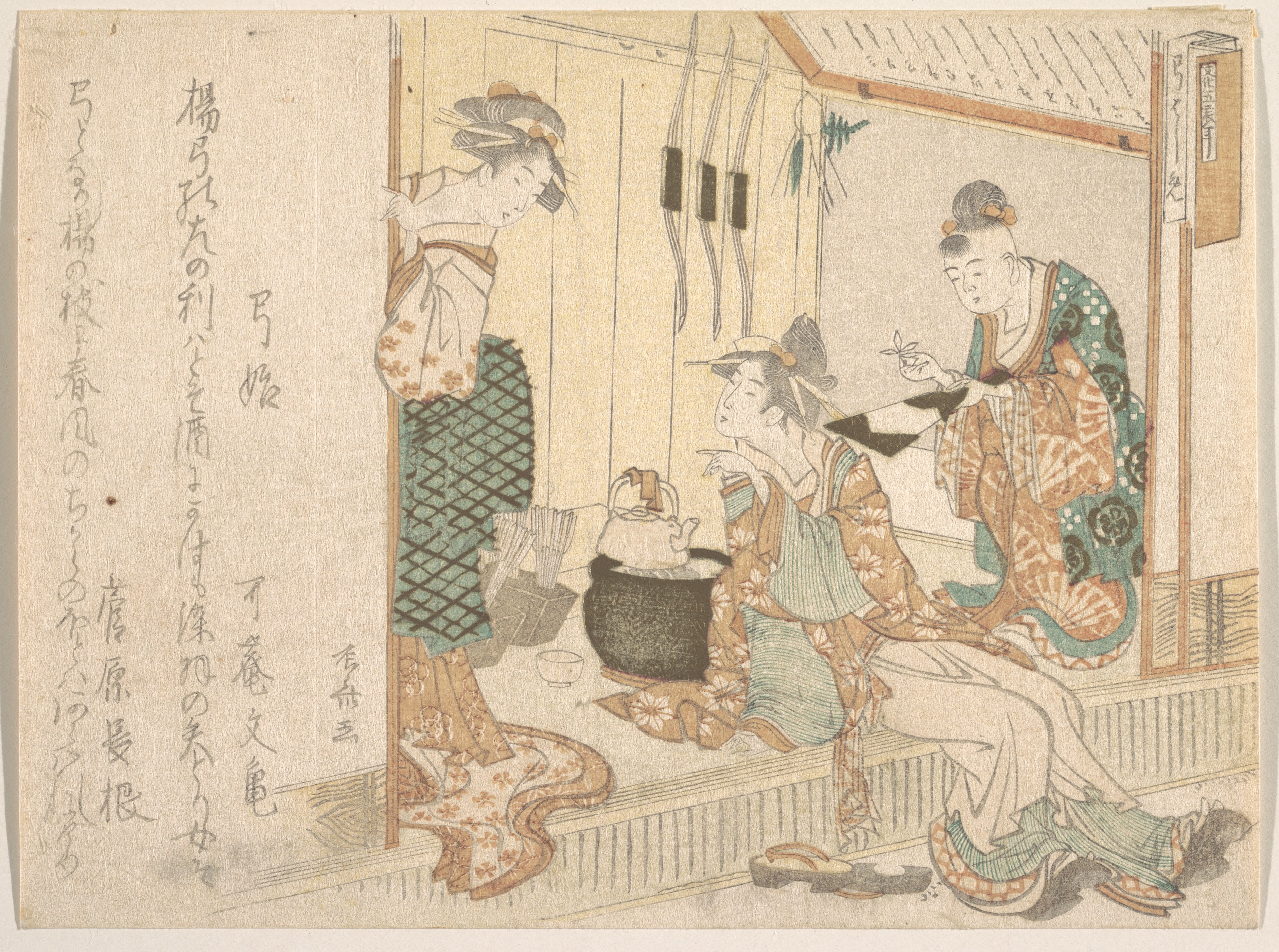
Two Young Ladies Having Tea Attended by Elderly Servant
Woodblock print (surimono); ink and color on paper
Frequently Asked Questions
Screen of Calligraphy and New Year Decoration was created by Ryūryūkyo Shinsai (柳々居辰斎) in 19th century.