
The Daughter of Tomoyasu (Tomoyasu no musume), from the series "Three Beautiful Women (San bijin)"
- Date:
- c. 1820
- Medium:
- Color woodblock print; shikishiban, surimono
- Source:
- Art Institute of Chicago
Description
Also from the circa 1820 Three Beautiful Women series, The Daughter of Tomoyasu (Tomoyasu no musume) refers to the mother of the celebrated Heian-period poet Izumi Shikibu, herself a poet and lady-in-waiting. The series structure—linking three female figures from across Japanese cultural history—gave kyoka contributors a layered set of references to draw on, the contemporary reader expected to recognize the historical figure and to read the print's contemporary visual idiom as a comment on her legacy. Shinsai's design renders the subject in the textile and surface detail expected of deluxe shikishiban surimono in the Bunsei era. The Art Institute of Chicago preserves the impression alongside the rest of the series, allowing scholars and viewers to read the prints as the coherent set their patrons originally received.
More Prints by Ryūryūkyo Shinsai
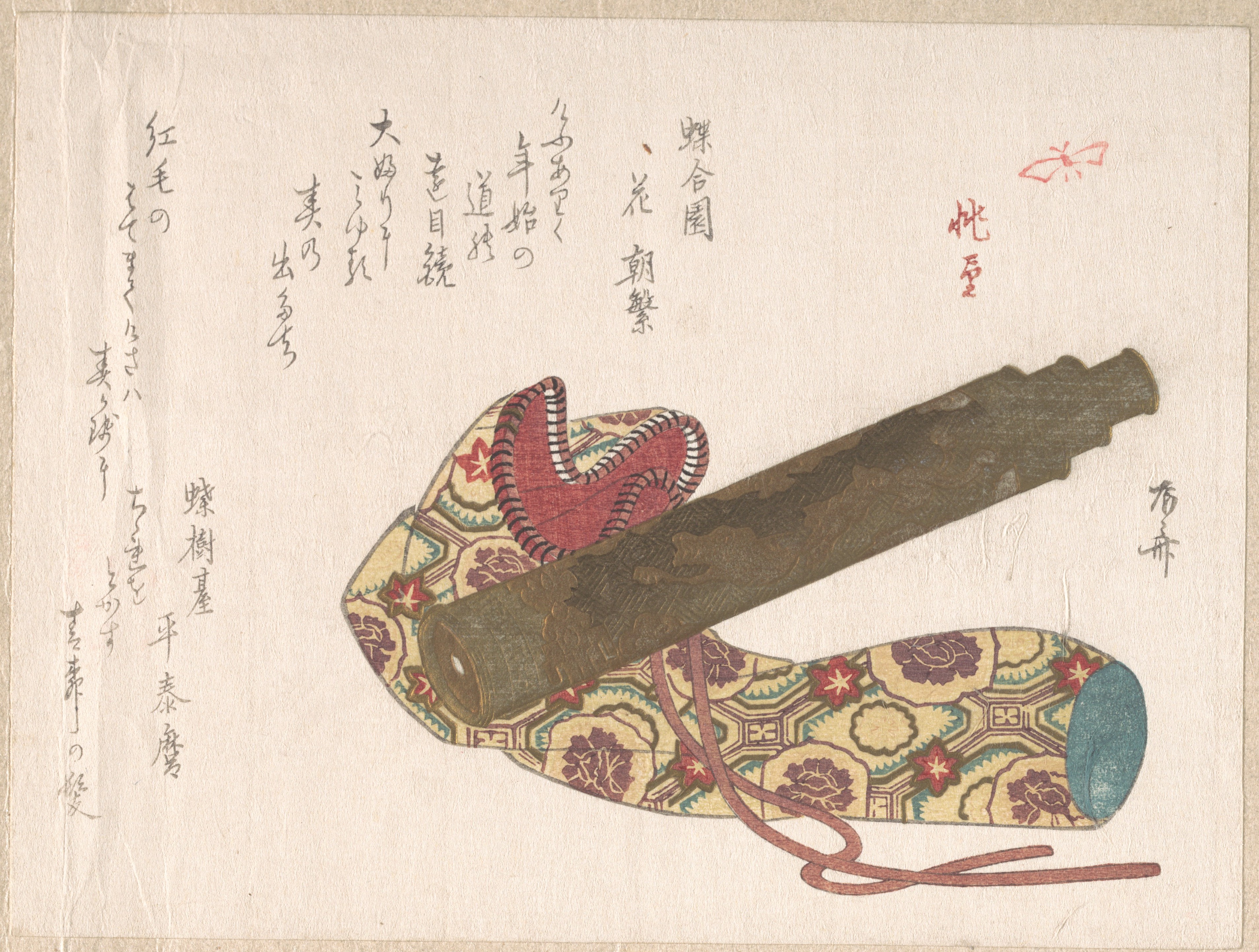
Telescope with Its Bag
19th century
Woodblock print (surimono); ink and color on paper
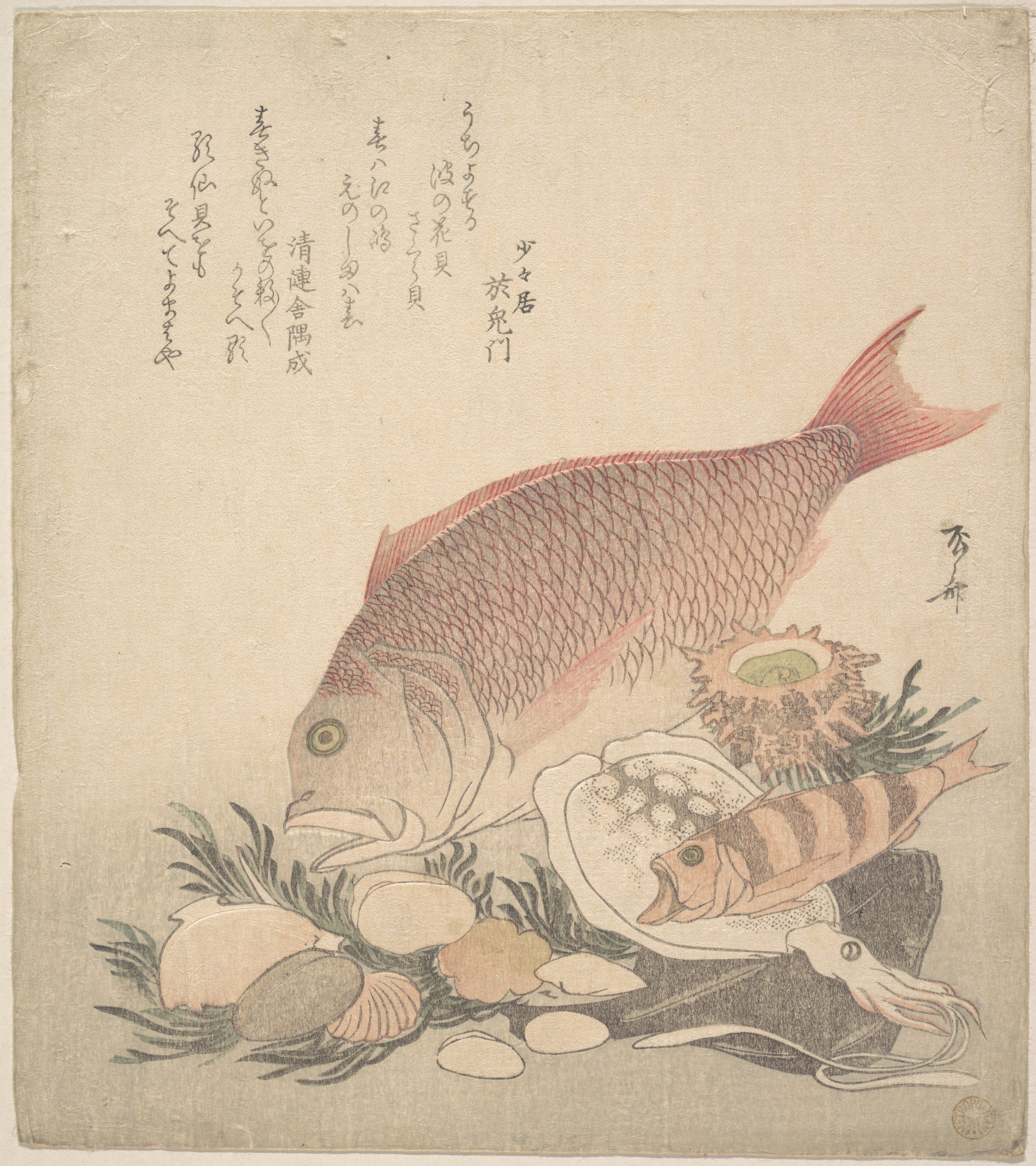
Large and Small Fish Swimming Among Shells and Moss at the Bottom of the Sea
ca. 1830
Woodblock print (surimono); ink and color on paper
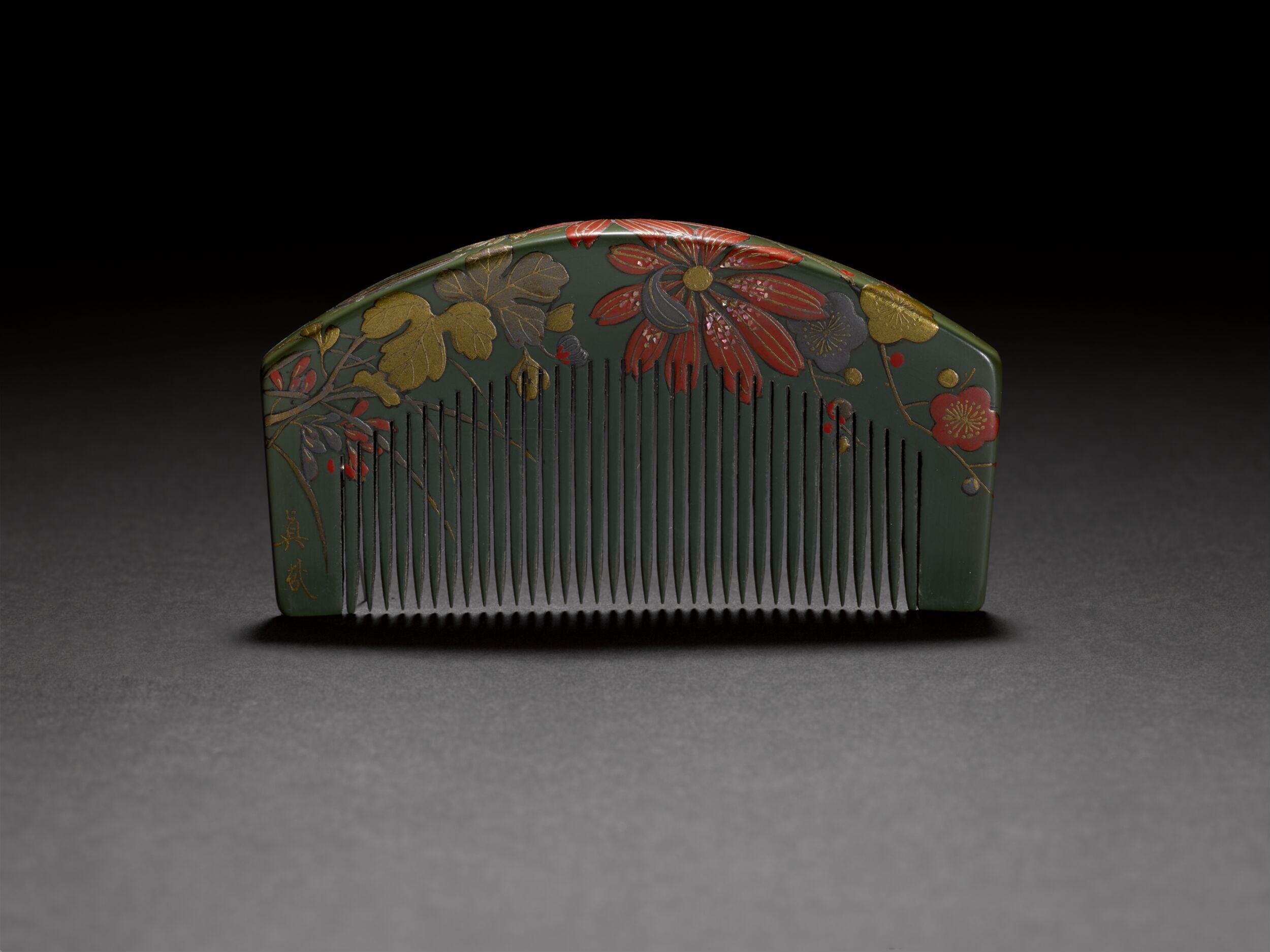
Untitled
1880 - 1895
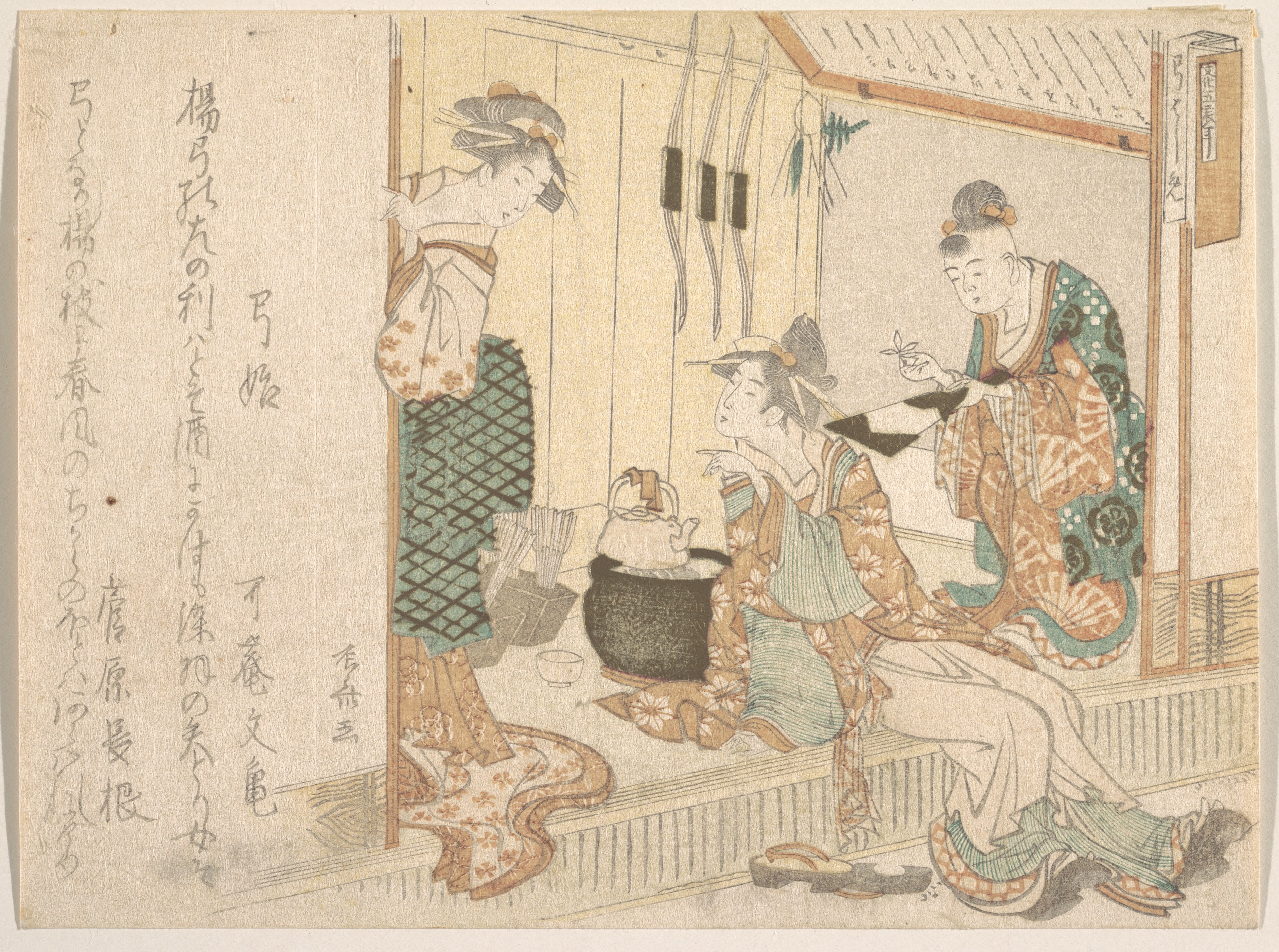
Two Young Ladies Having Tea Attended by Elderly Servant
Woodblock print (surimono); ink and color on paper
Frequently Asked Questions
The Daughter of Tomoyasu (Tomoyasu no musume), from the series "Three Beautiful Women (San bijin)" was created by Ryūryūkyo Shinsai (柳々居辰斎) in c. 1820.