
Tools for the Carpenter
- Date:
- 19th century
- Medium:
- Part of an album of woodblock prints (surimono); ink and color on paper
- Source:
- Metropolitan Museum of Art
Description
Tools for the Carpenter is a surimono print by Ryuryukyo Shinsai in the Metropolitan Museum of Art, dated to around 1800. The composition arranges the tools of an Edo carpenter, including planes, chisels, and likely a saw and inkpot, as a careful still life on a plain ground. As a designer within the Hokusai school after his apprenticeship under Tawaraya Sori, Shinsai often turned to objects of urban trades as subjects worthy of surimono treatment, and this sheet reads as both a tribute to craft and a connoisseur's catalogue plate. Each tool is given enough space to be identified clearly, the metal blades distinguished from wooden handles through controlled tonal variation, while the implicit order of the layout suggests the discipline of the carpenter's daily preparation. Surimono printers used blind embossing to mark the polished facets of plane bodies and the joints of saw handles, and the muted palette typical of Shinsai's mature work helps the objects read as material rather than as decorative ornament. The kyoka verses originally printed on the sheet would have responded to themes of skill, perseverance, the value of well-kept tools, or perhaps to ironic comparisons between literary and manual labor. The print is part of the Metropolitan Museum of Art's broad Shinsai holdings and stands as a typical example of how the Hokusai school's surimono extended the genre's scope to celebrate the makers behind the city's built environment.
More Prints by Ryūryūkyo Shinsai
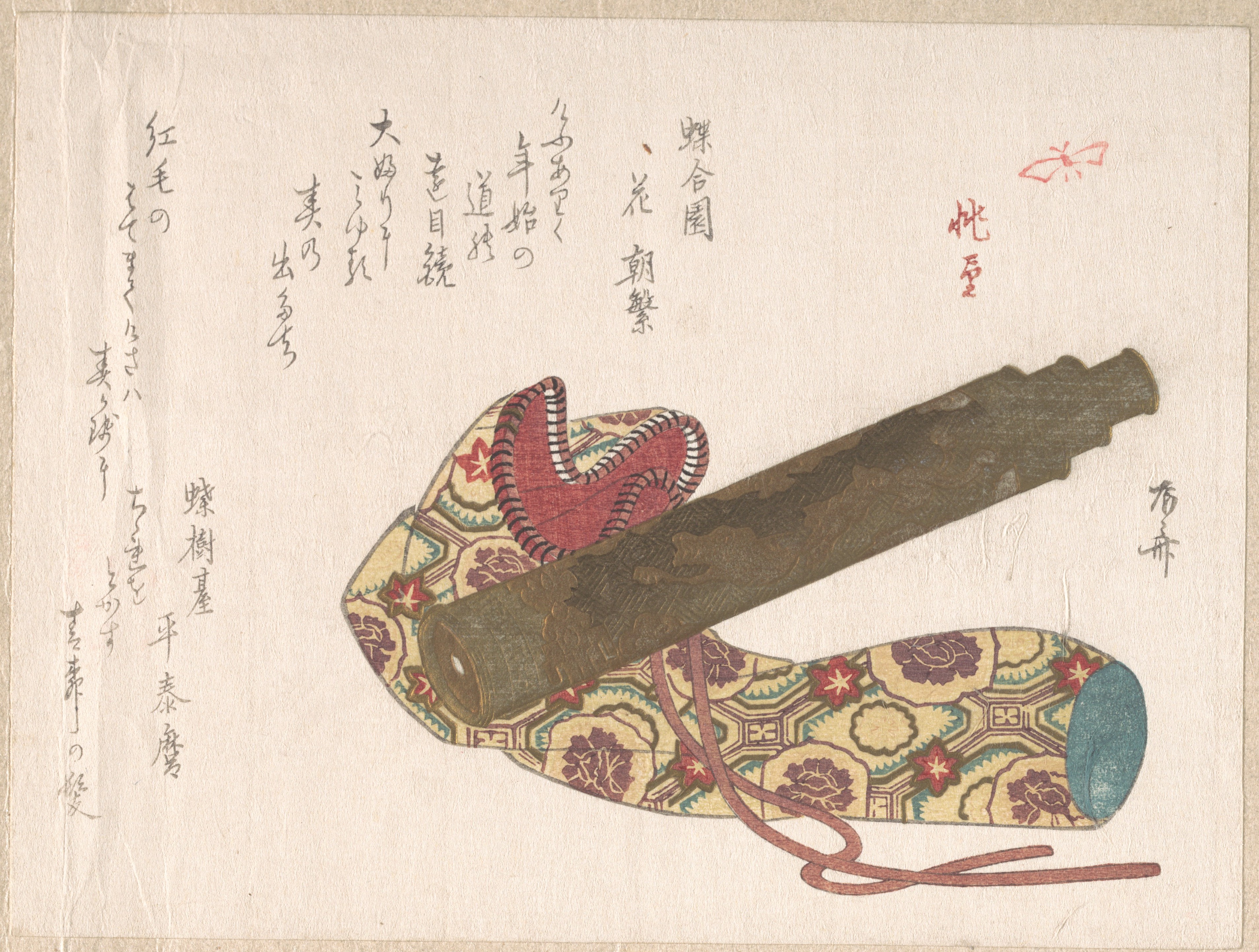
Telescope with Its Bag
19th century
Woodblock print (surimono); ink and color on paper
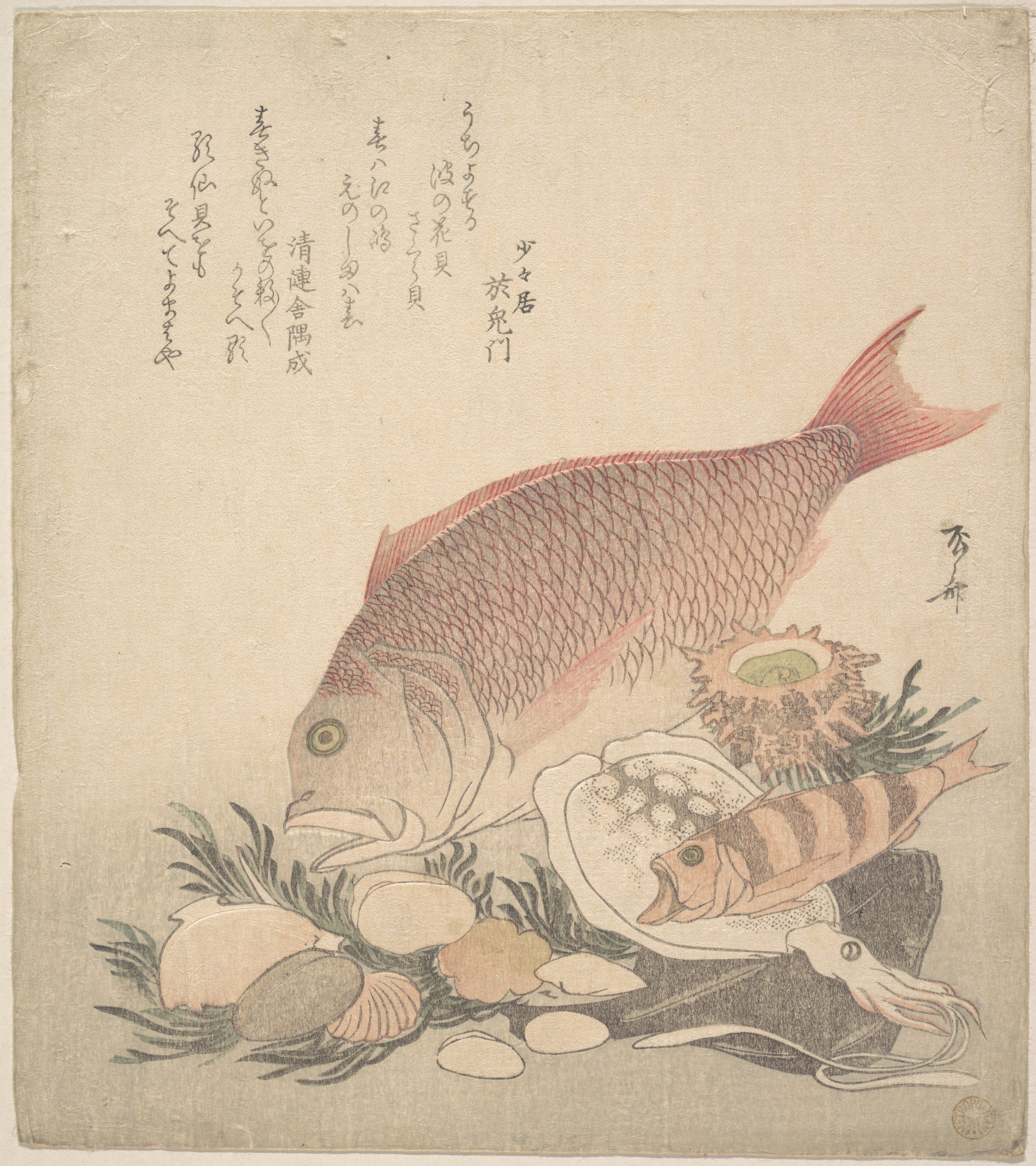
Large and Small Fish Swimming Among Shells and Moss at the Bottom of the Sea
ca. 1830
Woodblock print (surimono); ink and color on paper
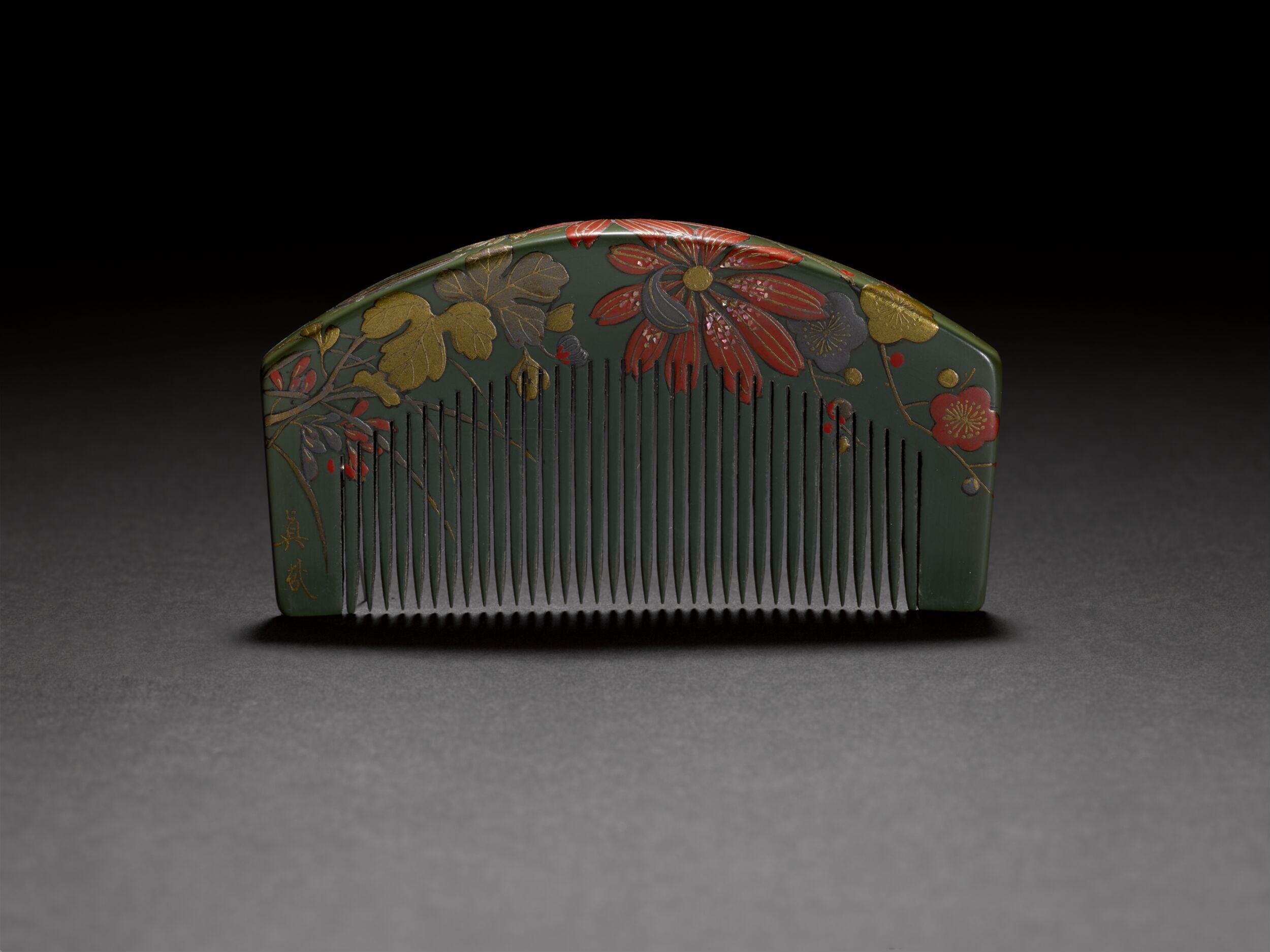
Untitled
1880 - 1895
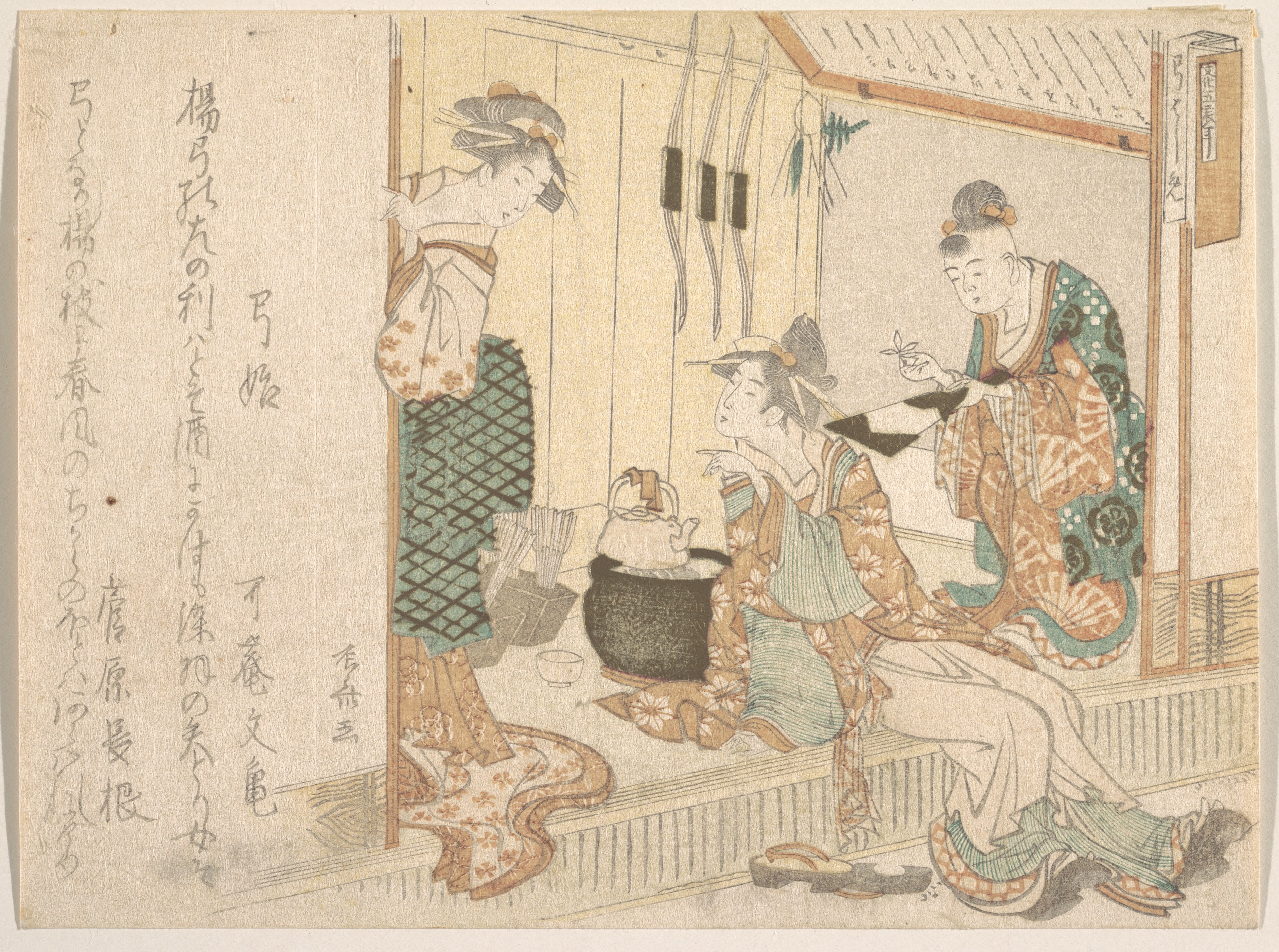
Two Young Ladies Having Tea Attended by Elderly Servant
Woodblock print (surimono); ink and color on paper
More Fish Prints


Frequently Asked Questions
Tools for the Carpenter was created by Ryūryūkyo Shinsai (柳々居辰斎) in 19th century.
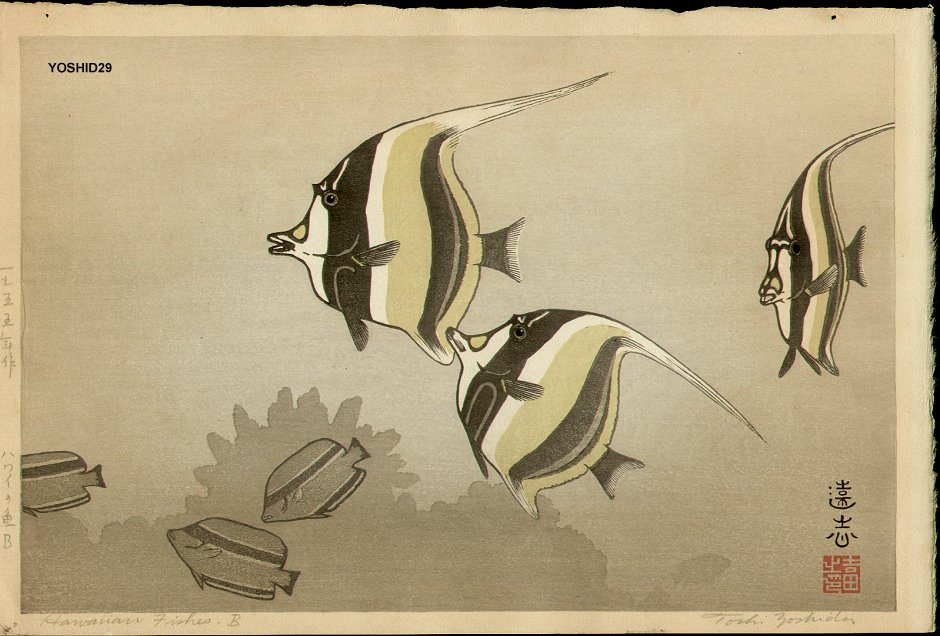
Tools for the Carpenter depicts fish.