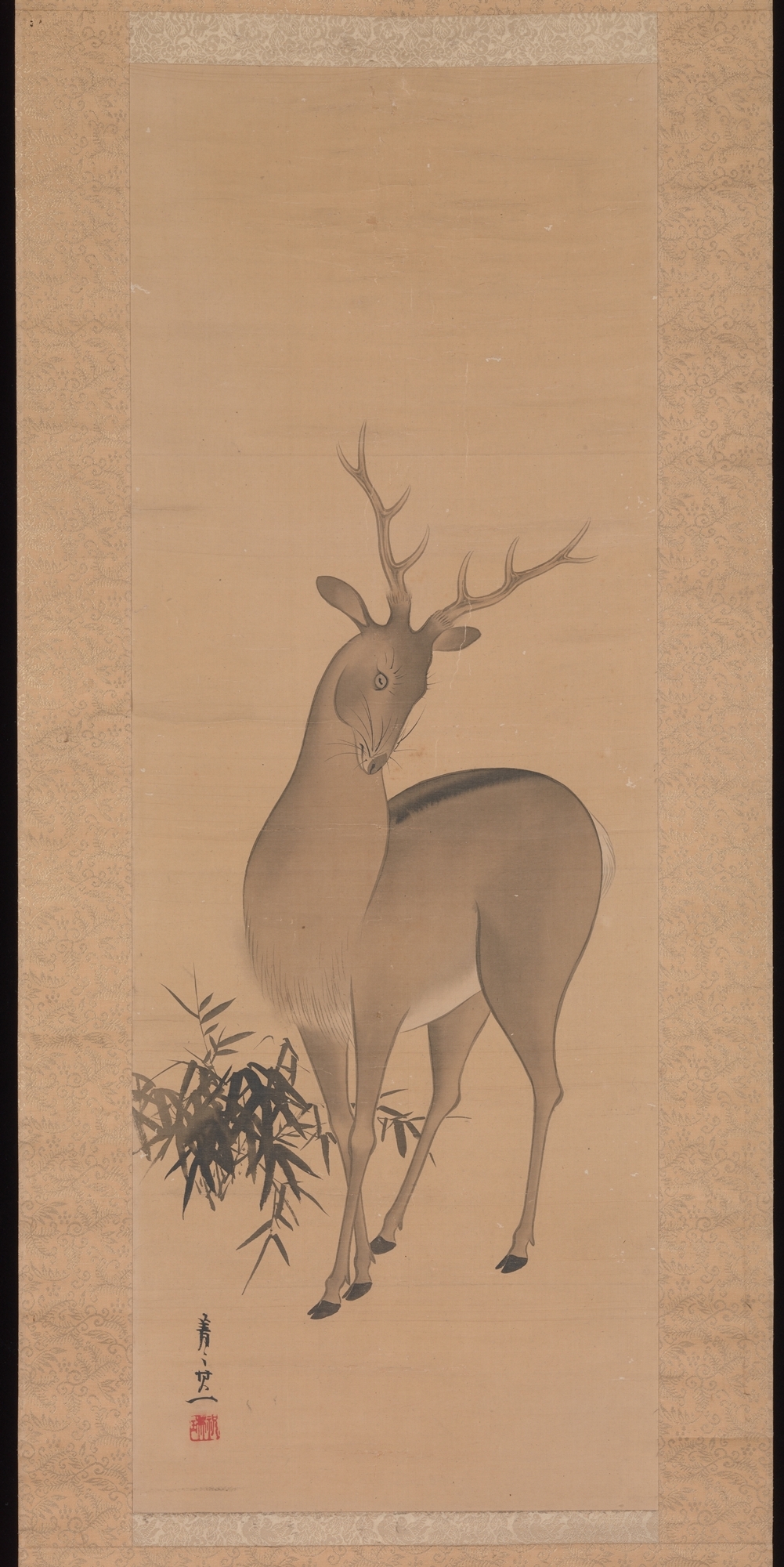
Deer
- Date:
- 19th century
- Medium:
- Hanging scroll; ink and color on silk
- Source:
- Metropolitan Museum of Art
Description
Deer is a hanging scroll in ink and color on silk, dating to the nineteenth century and held by the Metropolitan Museum of Art. The composition isolates a single deer against the unmarked silk ground, with no setting or accompanying landscape, in a stripped-down approach that concentrates attention on the animal as a study in graphic form. The choice of subject connects the work to a long tradition in Japanese painting, where the deer was associated with autumn poetry and with sacred sites such as Nara's Kasuga Shrine, and where its slender legs and dappled coat offered painters an ideal subject for the demonstration of refined brushwork.
Kiitsu's handling of the figure shows the same compositional principles he applied to his floral subjects: the body is articulated through a careful balance of crisp outline drawing for the contours and graded color for the volumes, with the dappled coat rendered in a controlled distribution of pigment dots that read both as a natural pattern and as an abstract design. The animal's stance, with its head slightly turned and its legs in delicate registration, demonstrates Kiitsu's draftsmanship and his command of the conventions of animal painting in late-Edo Japan.
By placing the deer alone against an empty silk ground without environmental incident, Kiitsu treats the subject in a manner closer to a calligraphic gesture than to a narrative scene, an approach that connects his work to the broader tradition of Zen-influenced painting while preserving the Rinpa interest in surface design.
More Prints by Suzuki Kiitsu

Offering Table Containing the Seals of Suzuki Kiitsu
1854
Hanging Scroll; ink and colors on paper
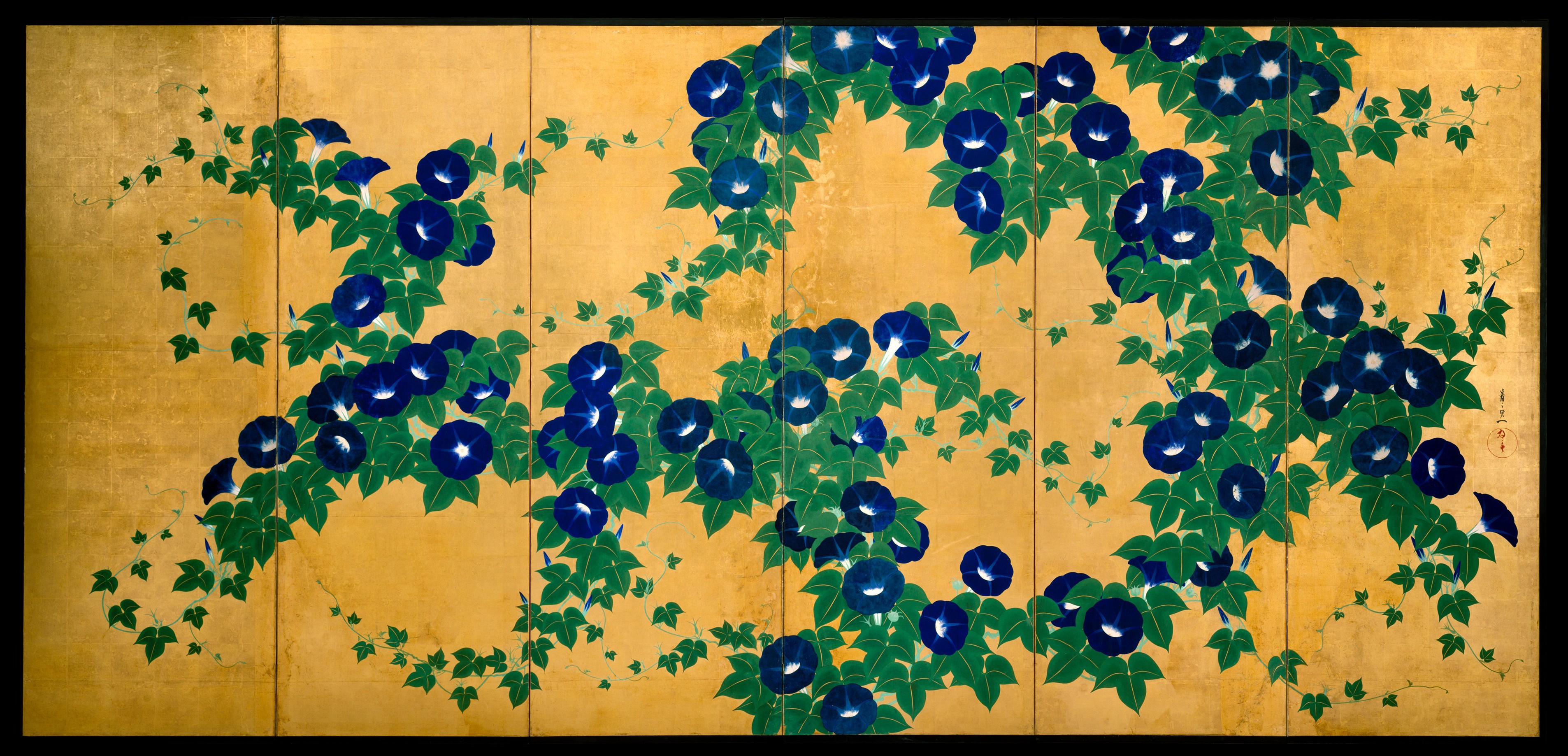
Morning Glories
Early 19th century (1800–1833)
Pair of six-panel folding screens; ink, color, and gold leaf on paper
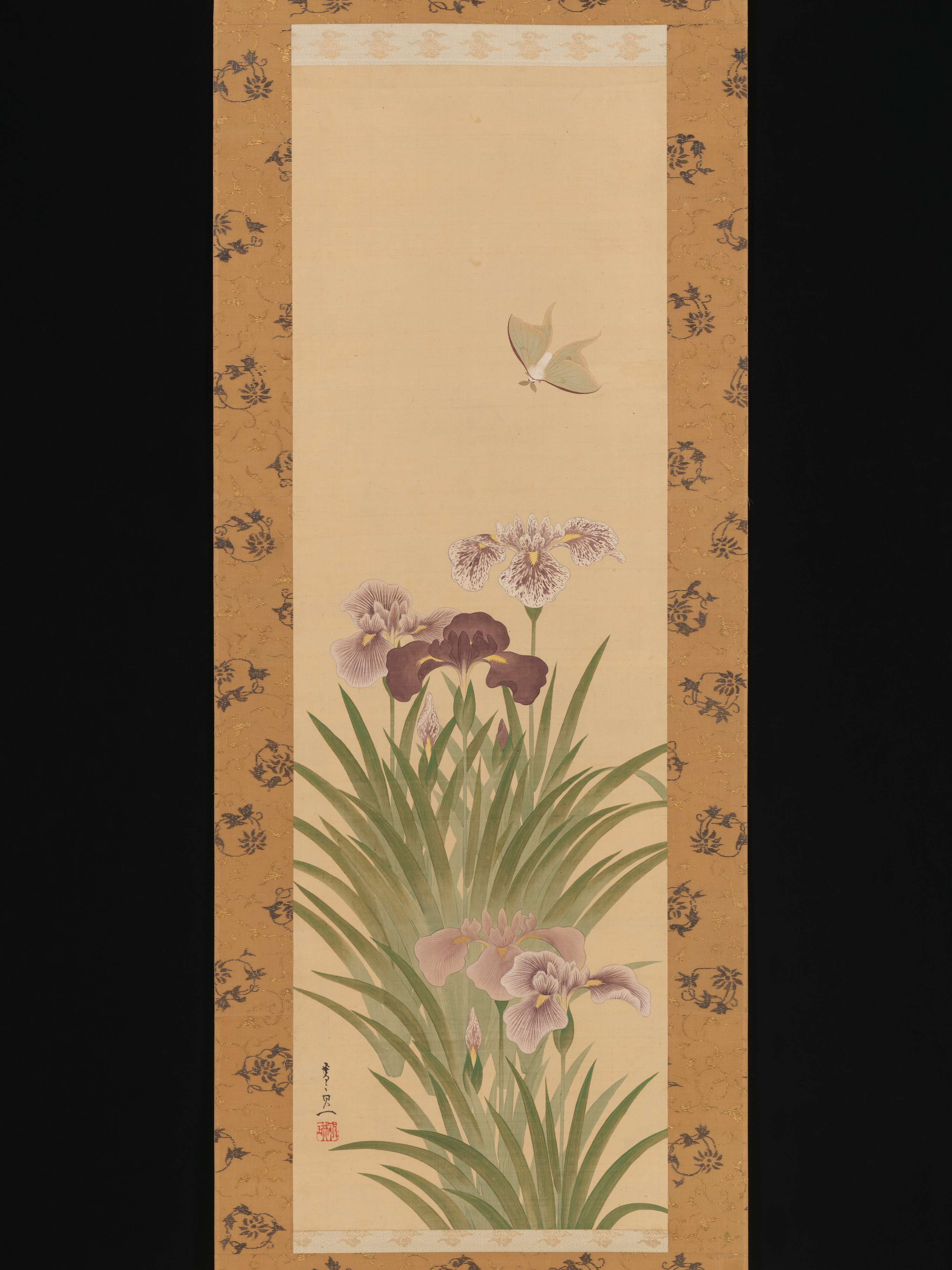
Irises and Moth
ca. 1850
Hanging scroll; ink and color on silk
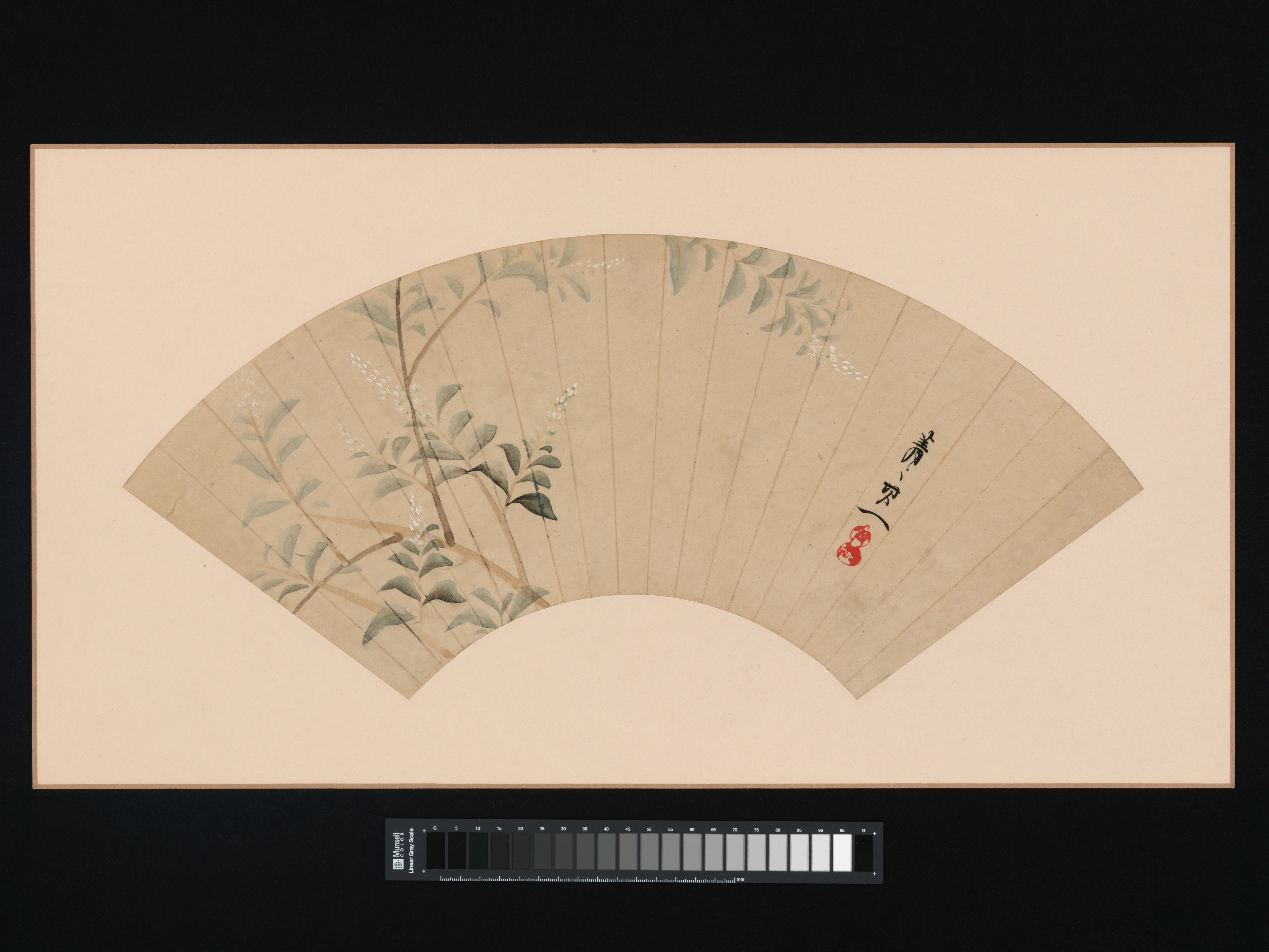
Bush Clover
Early 19th century
Folding fan mounted as an album leaf; ink and color on paper, framed
Frequently Asked Questions
Deer was created by Suzuki Kiitsu (鈴木其一) in 19th century.