
Fusō gafu
扶桑画譜
- Date:
- 1735
- Medium:
- Woodblock-printed book; 5 vols.
- Source:
- Art Institute of Chicago
Description
Held in the Art Institute of Chicago and dated 1735, Fusō gafu (扶桑画譜) — the title roughly translates as "Picture Album of the Land of the Rising Sun" — is a five-volume woodblock-printed picture book in which Morikuni turned from the Chinese subjects that had dominated his earlier manuals to specifically Japanese pictorial material. Fusō is an old poetic name for Japan, and the book accordingly gathers Japanese historical figures, native landscape and seasonal subjects, indigenous flora and fauna, and culturally specific motifs that distinguished domestic painting from the Chinese-style subjects of orthodox Kanō practice. The shift documented in this publication is significant within Morikuni's overall project: where earlier books like the Morokoshi kinmō zui (1719) had made the elite Chinese vocabulary of the Kanō academy available to a wide readership, the Fusō gafu accommodated the growing eighteenth-century interest in distinctly Japanese subjects that would, over the following decades, animate everything from Yamato-e revival painting to the rising ukiyo-e tradition. The Art Institute of Chicago's set, from the Frederick W. Gookin Collection, preserves the early-edition impressions of the line-block illustrations and demonstrates Morikuni's continuing command of the multi-volume picture-manual format he had helped to establish. The book contributed to the codification of Japanese subjects within the e-tehon tradition and provided model compositions that later illustrators in both the Kanō and ukiyo-e lineages would draw on.
More Prints by Tachibana Morikuni

Gaten tsūkō
画典通考
1727
Woodblock-printed book; 10 vols.
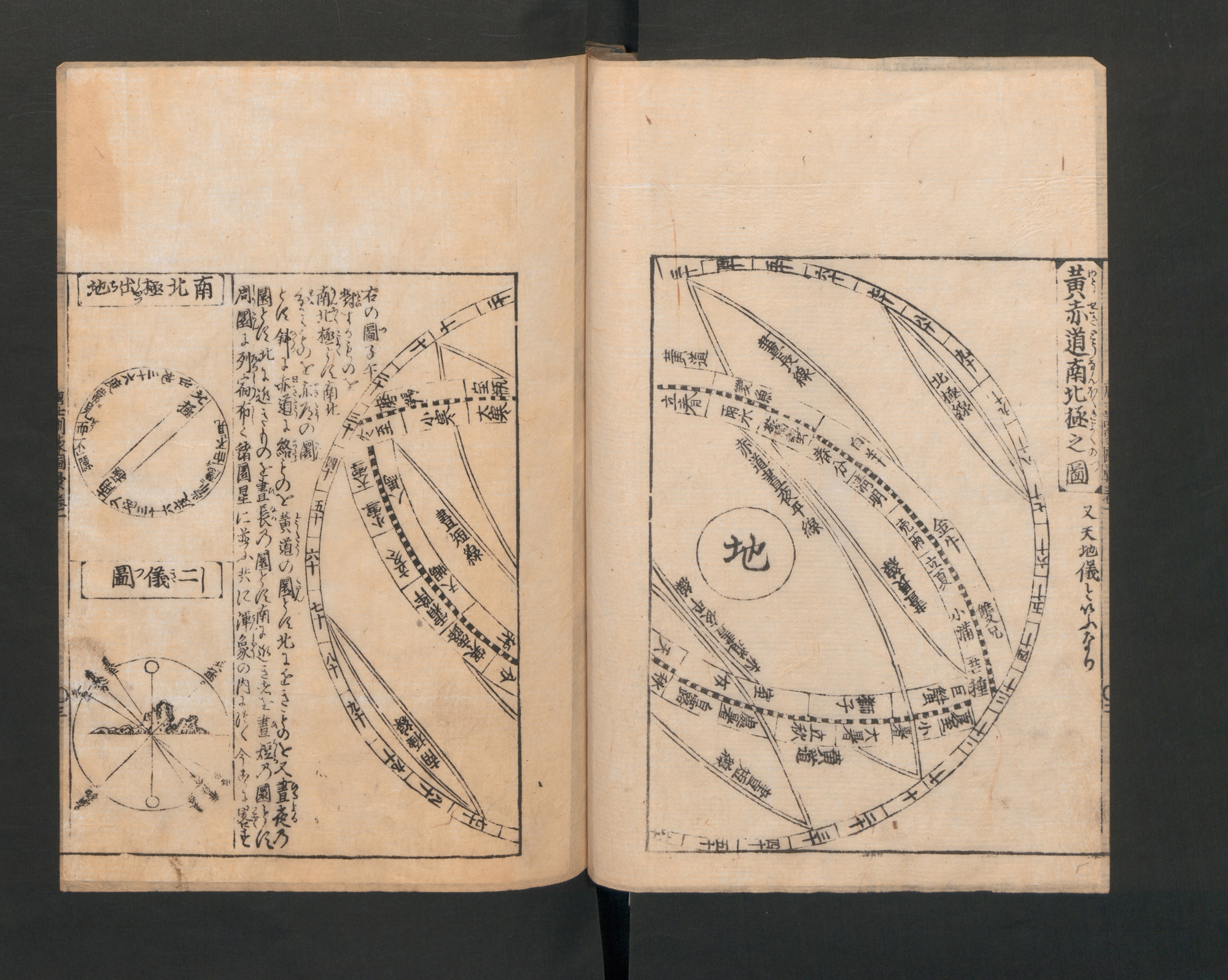
Illustrated Encyclopedia of China (Morokoshi kinmō zui)
唐土訓蒙図彙
1719; preface dated 1718
Set of two woodblock printed books; ink on paper
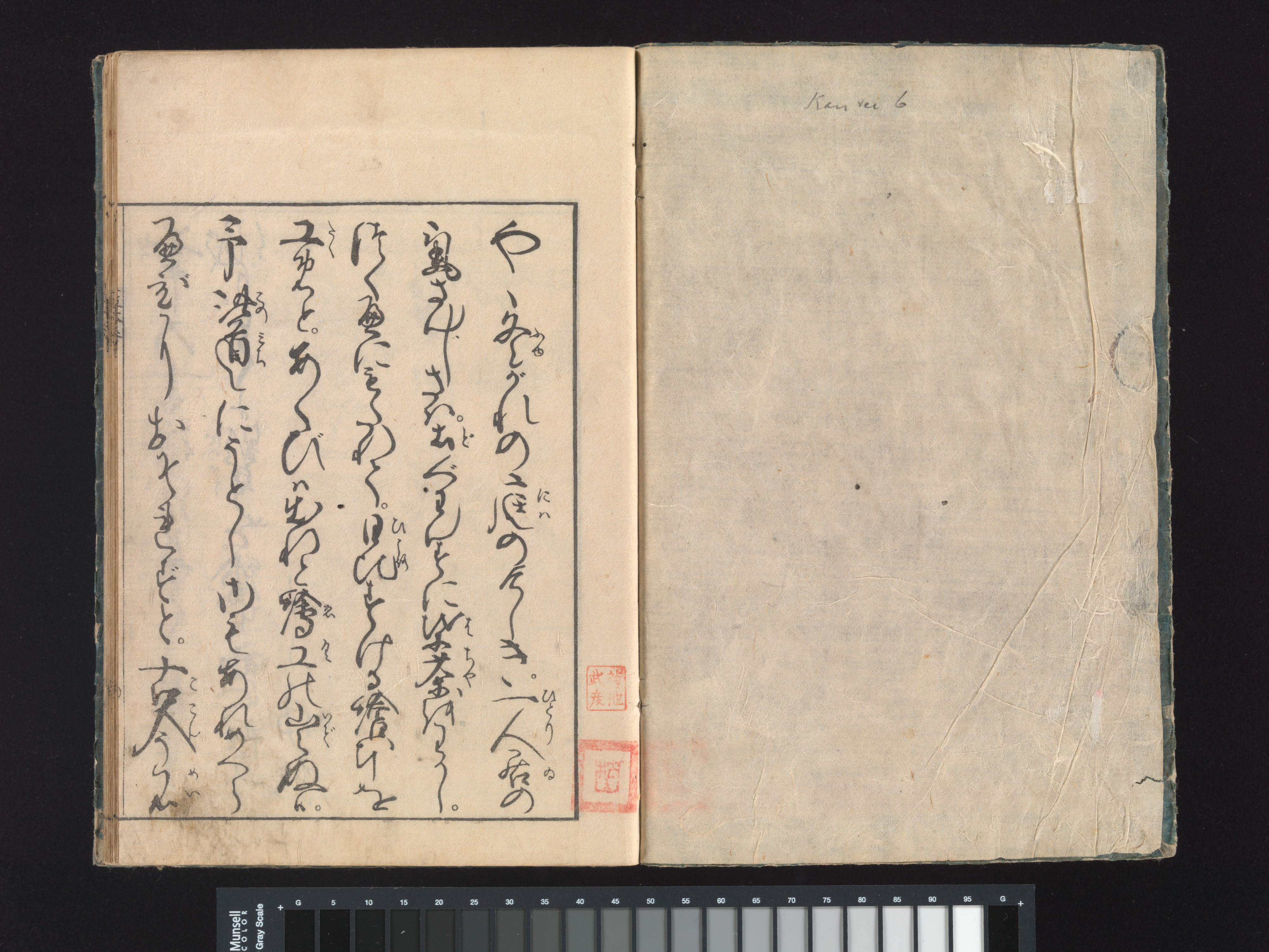
A Beginner's Pictorial Encyclopedia of Natural History (Ehon shaho bukuro)
絵本写宝袋
1761 (1794 second edition)
Three volumes of woodblock printed books (Japanese-style binding); ink on paper

Ehon tsūhō shi
絵本通宝志
1729
Woodblock-printed book; 7 vols.
Frequently Asked Questions
Fusō gafu (扶桑画譜) was created by Tachibana Morikuni (橘守国) in 1735.