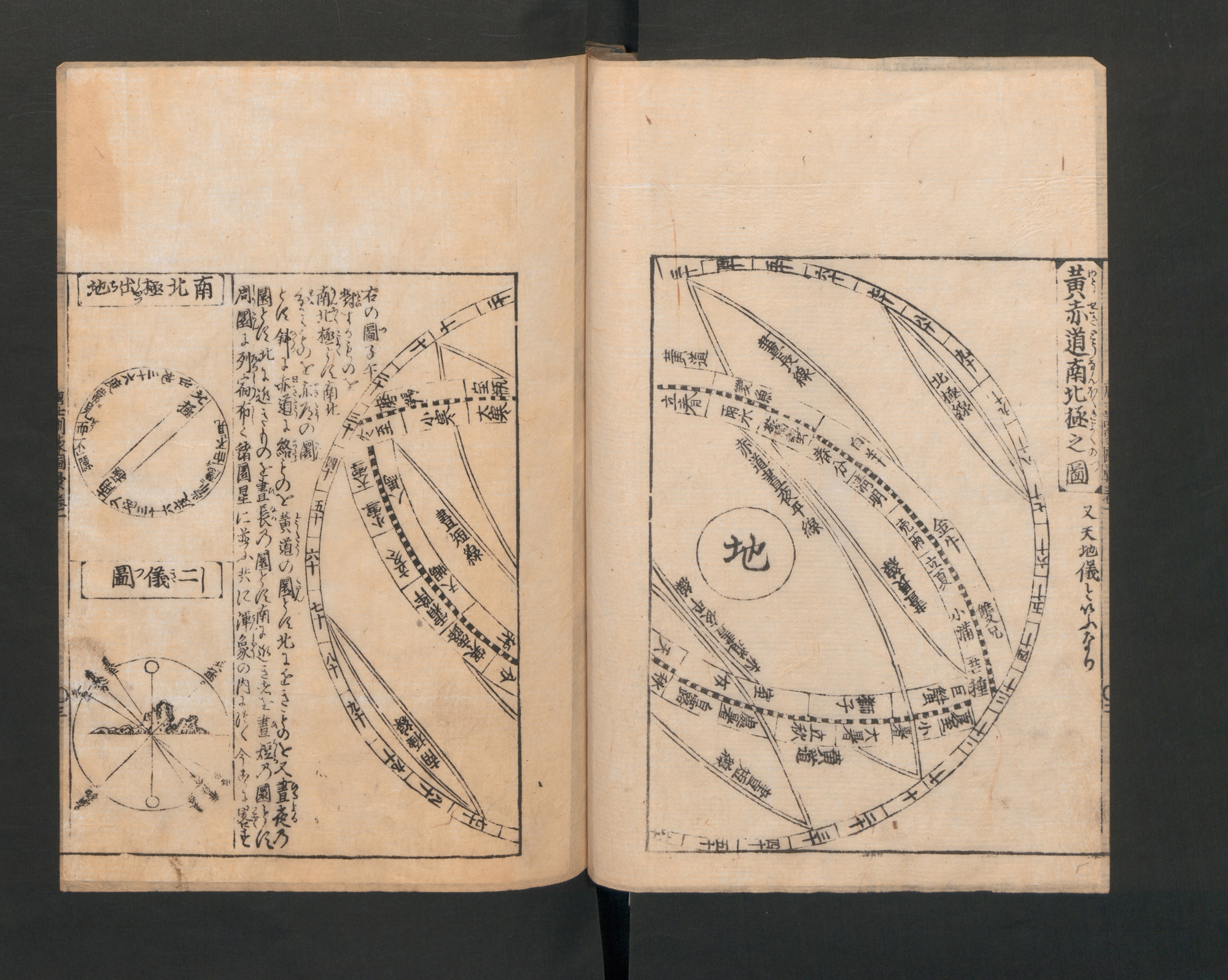
Illustrated Encyclopedia of China (Morokoshi kinmō zui)
唐土訓蒙図彙
- Date:
- 1719; preface dated 1718
- Medium:
- Set of two woodblock printed books; ink on paper
- Source:
- Metropolitan Museum of Art
Description
Held in the Metropolitan Museum of Art and dated 1719 with a 1718 preface, the Illustrated Encyclopedia of China (Morokoshi kinmō zui 唐土訓蒙図彙) is a two-volume woodblock-printed book that catalogues Chinese subjects — emperors and sages, costumes and implements, animals and plants, geographic and architectural conventions — in the systematic, category-by-category arrangement that defined the early eighteenth-century kinmō zui (illustrated encyclopedia for beginners) genre. As a Kanō-trained Osaka painter and one of the foundational figures of the printed e-tehon tradition, Morikuni was unusually well placed to undertake such a project: the orthodox Kanō curriculum required mastery of exactly this Chinese pictorial vocabulary, and his book made that elite knowledge available for the first time in printed form to provincial painters, amateur artists, and ordinary readers curious about the continental subjects that had long anchored Japanese elite culture. The Met's set, printed in ink on paper and bound in Japanese style, preserves the clean line-block impressions of an early issue, and its preface dated 1718 confirms its place at the start of Morikuni's sustained run of multi-volume picture manuals. As one of the earliest large-scale illustrated encyclopedias produced in Japan, the Morokoshi kinmō zui sits at the foundation of a publishing tradition that would extend through the eighteenth and nineteenth centuries, and Morikuni's role in establishing the format is one of his most consequential contributions to Edo-period book culture.
More Prints by Tachibana Morikuni

Gaten tsūkō
画典通考
1727
Woodblock-printed book; 10 vols.
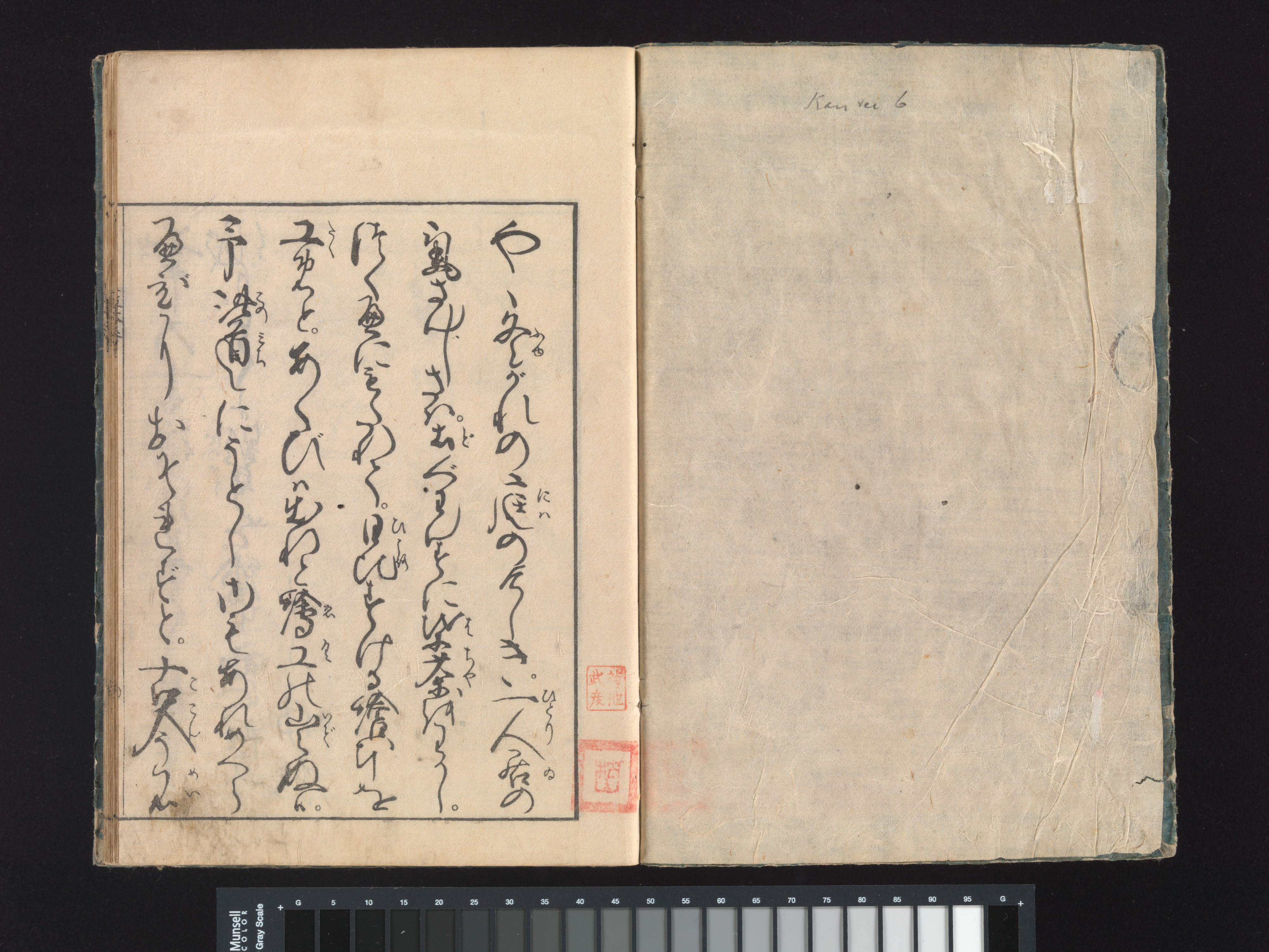
A Beginner's Pictorial Encyclopedia of Natural History (Ehon shaho bukuro)
絵本写宝袋
1761 (1794 second edition)
Three volumes of woodblock printed books (Japanese-style binding); ink on paper

Ehon tsūhō shi
絵本通宝志
1729
Woodblock-printed book; 7 vols.

Fusō gafu
扶桑画譜
1735
Woodblock-printed book; 5 vols.
Frequently Asked Questions
Illustrated Encyclopedia of China (Morokoshi kinmō zui) (唐土訓蒙図彙) was created by Tachibana Morikuni (橘守国) in 1719; preface dated 1718.