
The Moving Brush in "Rough" Painting (Unpitsu soga)
運筆麁画
- Date:
- 1749
- Medium:
- Set of three woodblock printed books; ink on paper
- Source:
- Metropolitan Museum of Art
Description
Held in the Metropolitan Museum of Art and dated 1749, The Moving Brush in "Rough" Painting (Unpitsu soga 運筆麁画) is a three-volume woodblock-printed book that appeared the year after Morikuni's death and codified the rapid, abbreviated brush manner he had developed across his late career. The title's key term — soga, literally "rough painting" — names a deliberately sketch-like, gestural mode that contrasted with the careful, finished brushwork of orthodox Kanō academic practice and that Morikuni had increasingly explored in his mature production. The book functioned as a teaching manual for the soga mode: line-block illustrations across the three volumes demonstrate how figures, landscapes, animals, and decorative motifs could be rendered with economical, kinetic brushwork that prioritized energy and immediacy over polish. The Met's set, printed in ink on paper and bound in Japanese style, preserves the early-edition impressions of an essential late Morikuni publication. As a posthumous issue, the book also signals the strength of his name in the Kamigata publishing market: a three-volume manual could be commercially viable on the strength of his reputation alone, well after he could no longer supervise its production. The Unpitsu soga subsequently became one of the most influential of his books, helping define the soga aesthetic for eighteenth- and nineteenth-century painters working across both the Kanō and ukiyo-e lineages.
More Prints by Tachibana Morikuni

Gaten tsūkō
画典通考
1727
Woodblock-printed book; 10 vols.
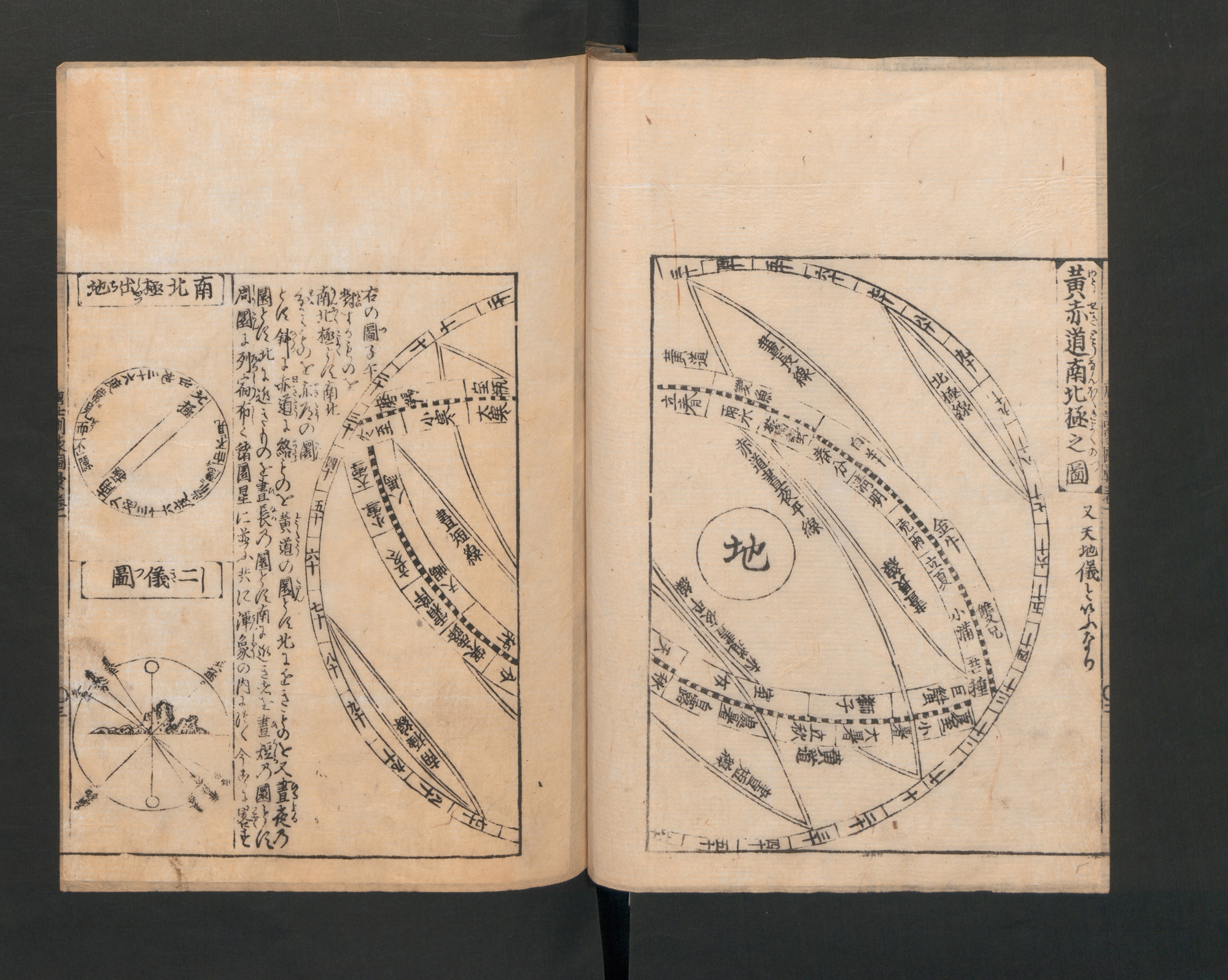
Illustrated Encyclopedia of China (Morokoshi kinmō zui)
唐土訓蒙図彙
1719; preface dated 1718
Set of two woodblock printed books; ink on paper
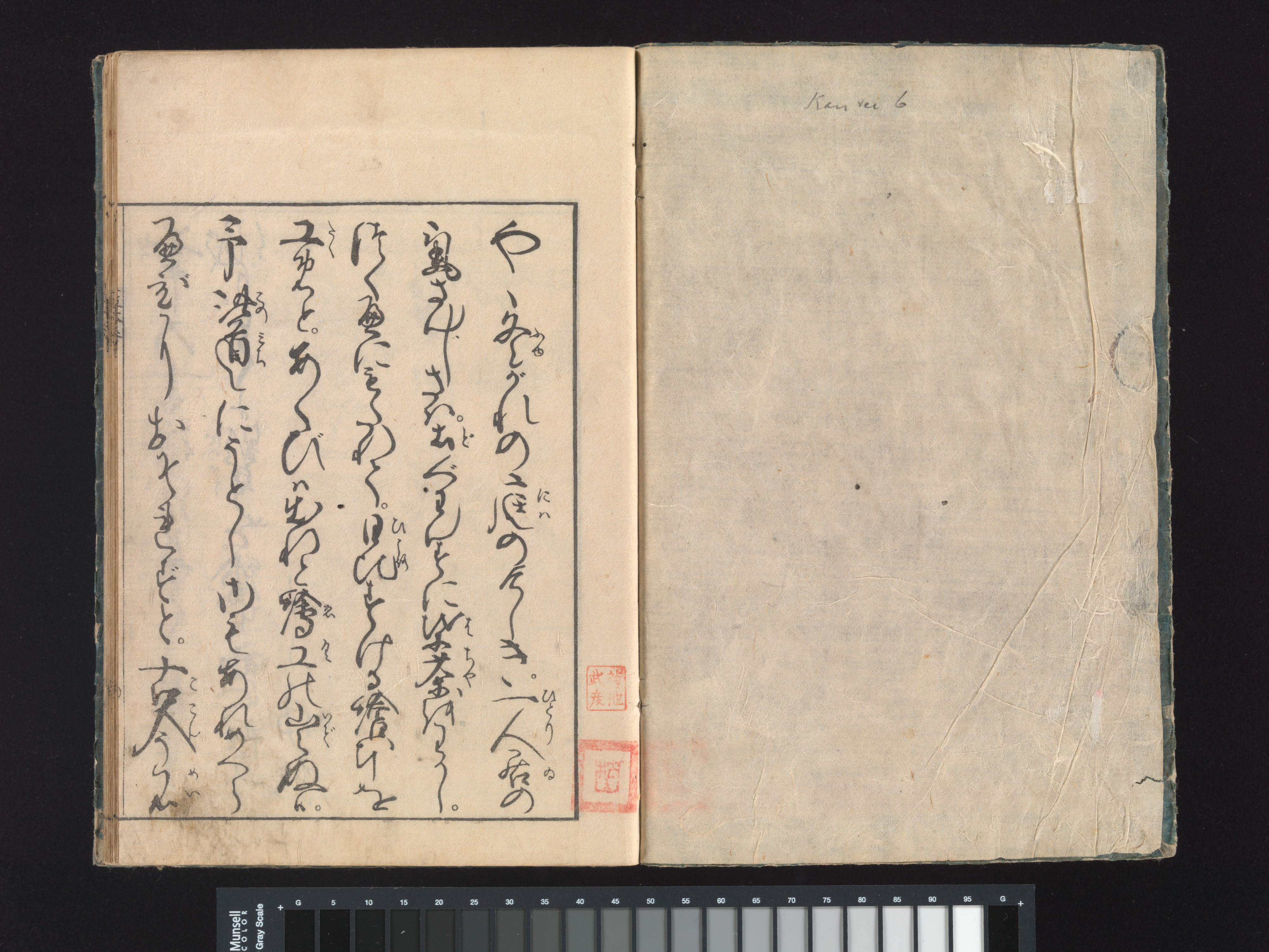
A Beginner's Pictorial Encyclopedia of Natural History (Ehon shaho bukuro)
絵本写宝袋
1761 (1794 second edition)
Three volumes of woodblock printed books (Japanese-style binding); ink on paper

Ehon tsūhō shi
絵本通宝志
1729
Woodblock-printed book; 7 vols.
Frequently Asked Questions
The Moving Brush in "Rough" Painting (Unpitsu soga) (運筆麁画) was created by Tachibana Morikuni (橘守国) in 1749.