
A Chushingura Parody
- Date:
- c. 1787
- Medium:
- Color woodblock print; hashira-e (pillar print)
- Source:
- Art Institute of Chicago
Description
This Utagawa Toyokuni print, in the Art Institute of Chicago, presents a parodic reimagining of the Chushingura, the canonical narrative of the forty-seven loyal retainers whose vendetta against an unjust official became one of the most retold stories in Japanese theatrical and literary culture. Edo ukiyo-e designers worked with the Chushingura material so often that an entire shadow tradition of mitate, or parodic substitution, grew up around it. Toyokuni participated actively in this strand of production, recasting the retainers and their associated scenes within the visual vocabulary of contemporary beauty, fashion, or domestic life. Here the parody rests on the dissonance between the gravity of the original story and the lightness of its restaged version, with the figures positioned in poses that quote canonical Chushingura iconography while their costumes and settings belong to Toyokuni's own day. The composition is balanced and decorative, reflecting the artist's command of late eighteenth and early nineteenth century printmaking conventions. As an example of Chushingura mitate within Edo ukiyo-e, the print illustrates how thoroughly the loyal-retainer narrative had penetrated everyday visual culture and how reliably Utagawa school designers could turn its tropes into commercially appealing parodies. Its presence in a major museum collection supports ongoing study of how classical narrative was reworked within the popular print economy.
More Prints by Utagawa Toyokuni I

Segawa Kikunojō III as the Shop Boy Chōkichi
1796
Woodblock print (nishiki-e), ink and color on paper
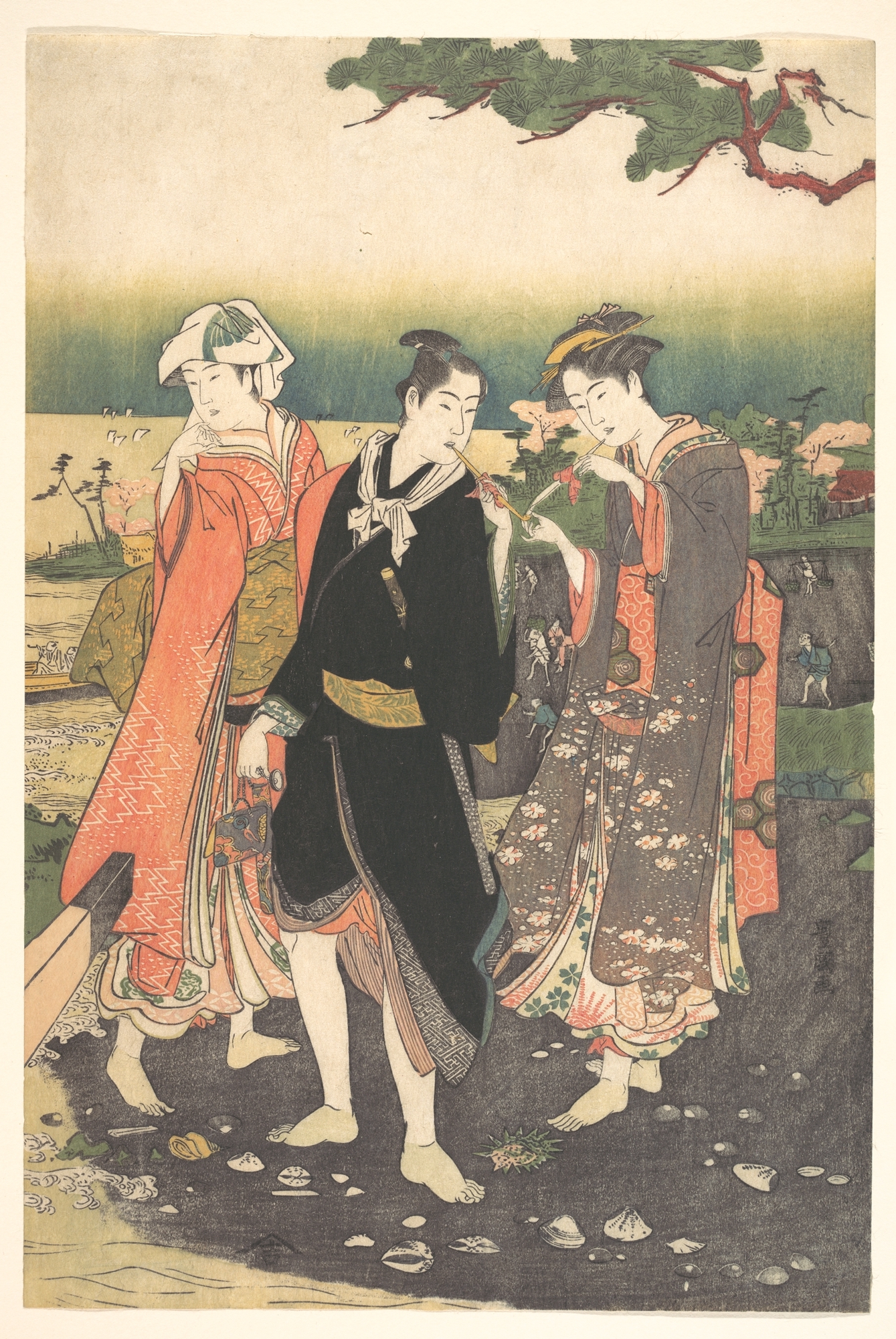
On Shinagawa Beach at Ebb-Tide
1769–1825
Woodblock print; ink and color on paper
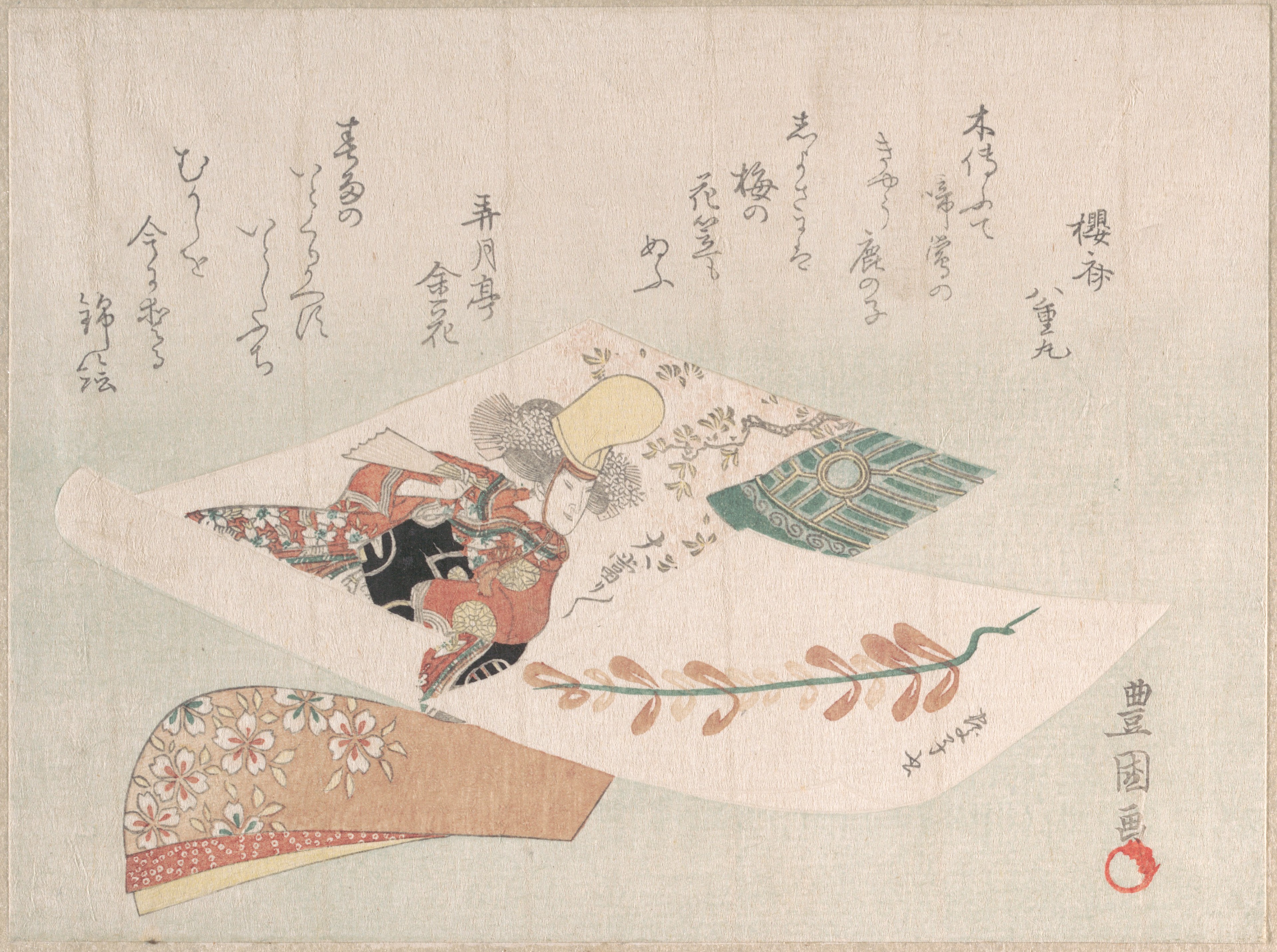
Representation of the Dance-Play "Dōjōji"
Woodblock print (surimono); ink and color on paper

The actors Sawamura Sojuro II as Satsuma Gengobei and Arashi Ryuzo II as Mawashi-otoko Yasuke in the play "Edo Sunago Kichirei Soga," performed at the Miyako Theater on the first month, 1795
c. 1795
Color woodblock print; oban
Frequently Asked Questions
A Chushingura Parody was created by Utagawa Toyokuni I (歌川豊国) in c. 1787.