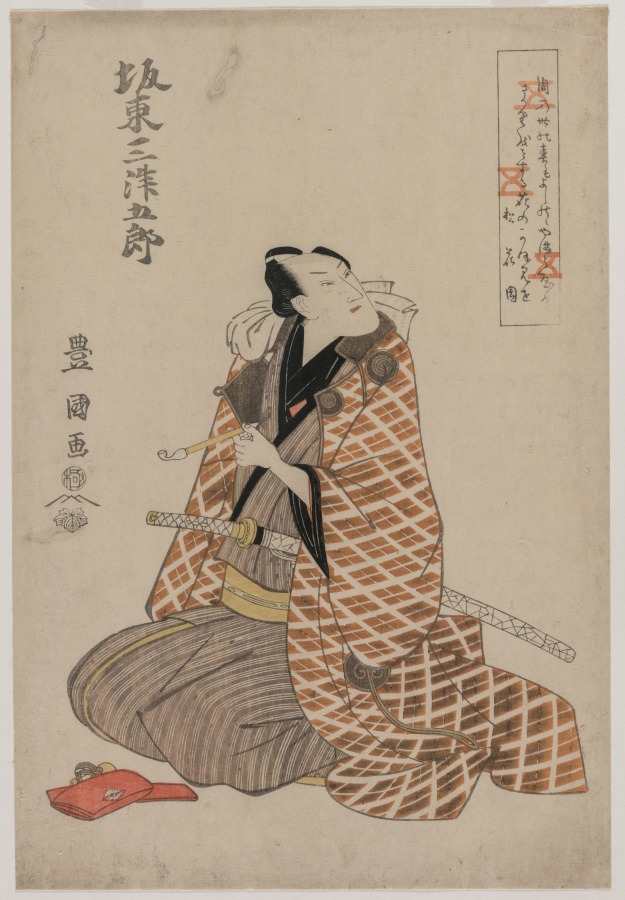
Bando Mitsugoro IV in a Travelling Robe
- Date:
- early 1800s
- Medium:
- color woodblock print
- Source:
- Cleveland Museum of Art
Description
Bando Mitsugoro IV in a Travelling Robe, dated 1800, is a yakusha-e woodblock print by Utagawa Toyokuni in the Cleveland Museum of Art. The subject is the kabuki actor Bando Mitsugoro IV, one of the leading male performers of the Bando line that anchored Edo theater across multiple generations. The print depicts the actor in a travelling robe rather than in formal stage costume, a popular conceit in Edo ukiyo-e that allowed designers to picture celebrated performers in the everyday garb of pilgrimage, post-station travel, or backstage life, thereby personalizing the relationship between actor and audience. By 1800 Toyokuni was at the height of his powers as the founding architect of the Utagawa school's market dominance, having completed his celebrated Yakusha butai no sugata-e series in the 1790s and consolidated his position as the leading designer of yakusha-e in Edo. The design retains the bold figural emphasis and patterned costume rendering that defined the school's actor prints while substituting the intimacy of a private moment for the formality of the stage. The Cleveland Museum of Art preserves the print within its Japanese collection and provides the title, actor name, and 1800 date through its catalogue. The work illustrates how thoroughly the Utagawa school had developed the actor portrait as a flexible genre by the turn of the nineteenth century.
More Prints by Utagawa Toyokuni I

Segawa Kikunojō III as the Shop Boy Chōkichi
1796
Woodblock print (nishiki-e), ink and color on paper
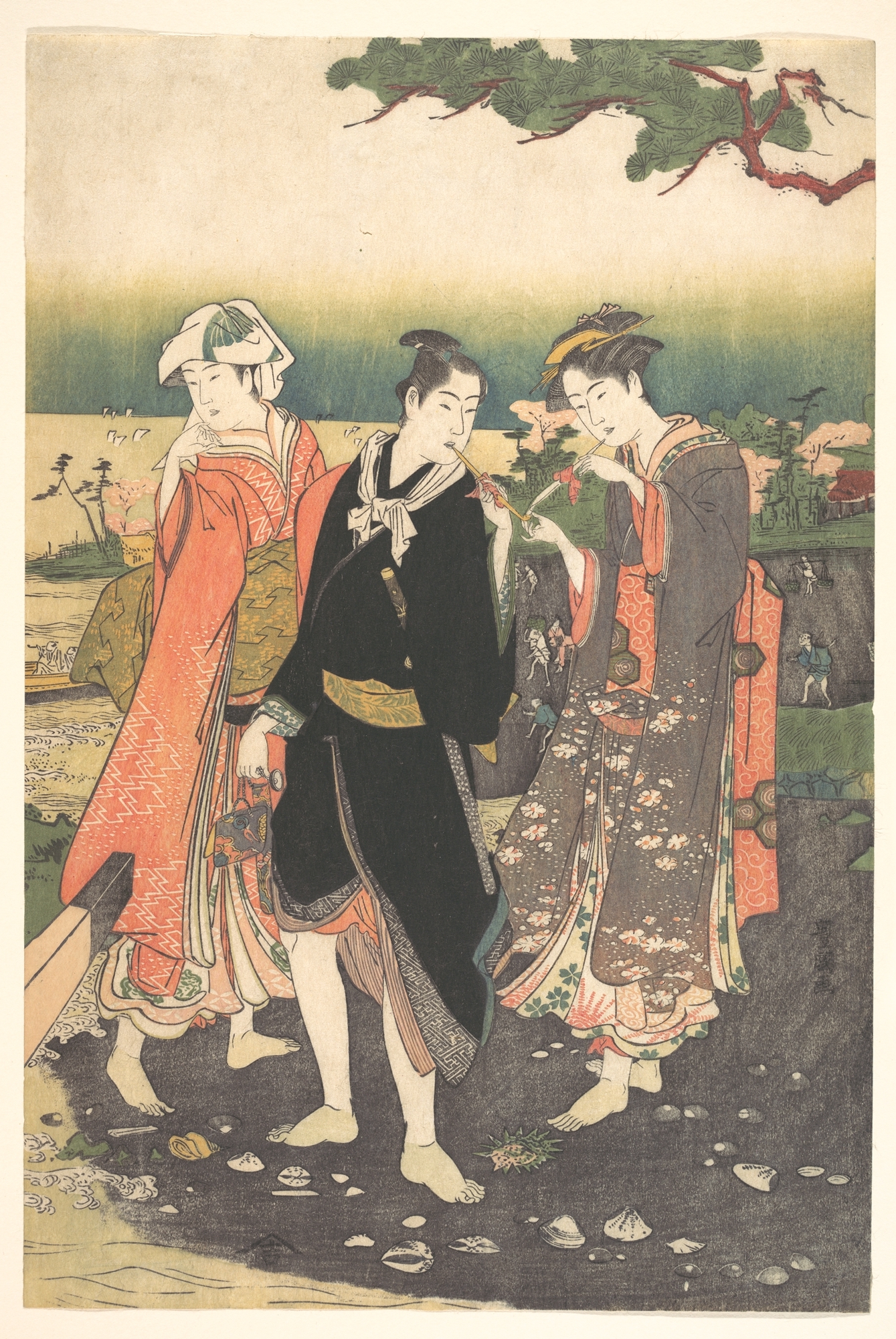
On Shinagawa Beach at Ebb-Tide
1769–1825
Woodblock print; ink and color on paper
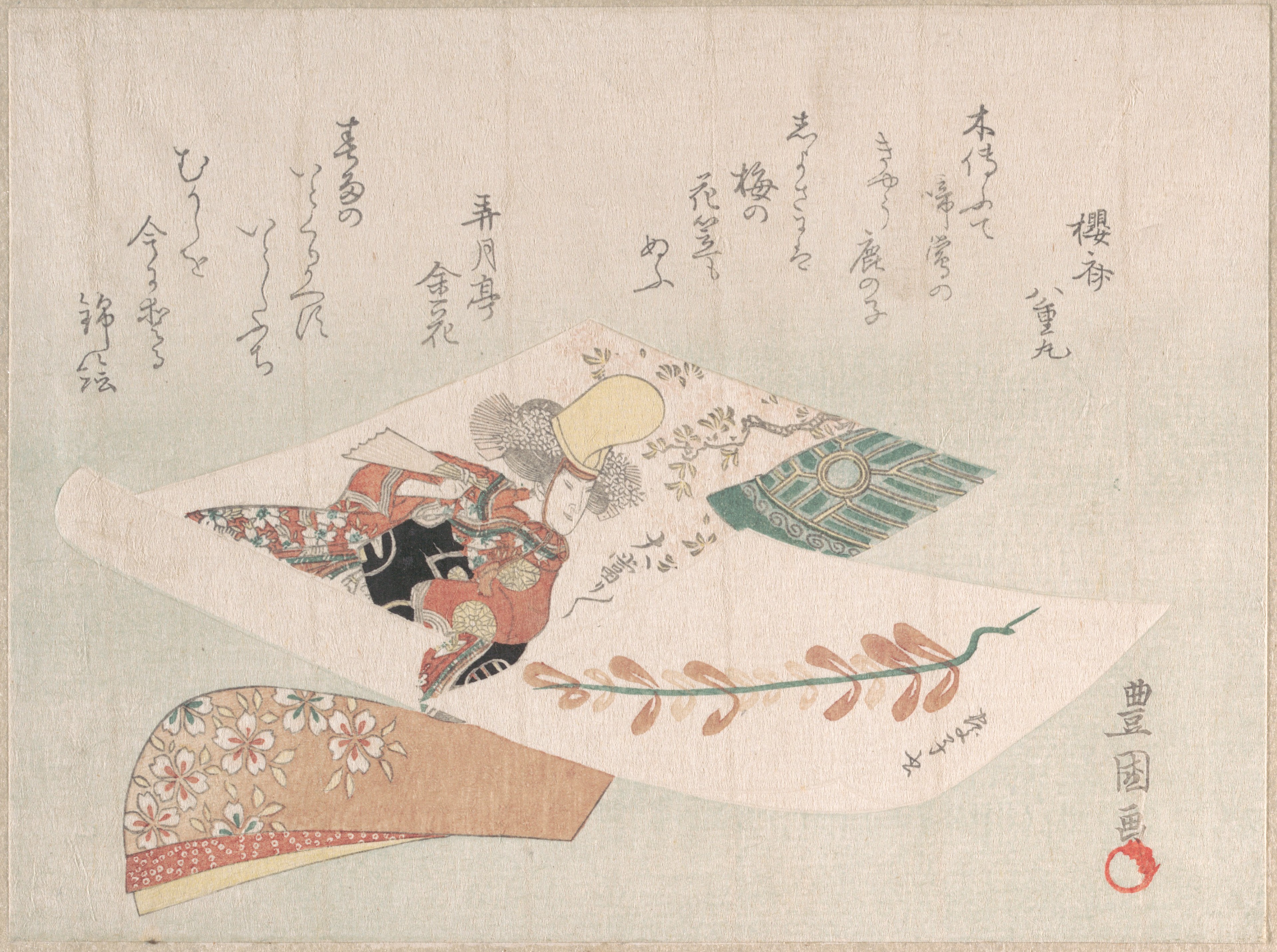
Representation of the Dance-Play "Dōjōji"
Woodblock print (surimono); ink and color on paper

The actors Sawamura Sojuro II as Satsuma Gengobei and Arashi Ryuzo II as Mawashi-otoko Yasuke in the play "Edo Sunago Kichirei Soga," performed at the Miyako Theater on the first month, 1795
c. 1795
Color woodblock print; oban
Frequently Asked Questions
Bando Mitsugoro IV in a Travelling Robe was created by Utagawa Toyokuni I (歌川豊国) in early 1800s.