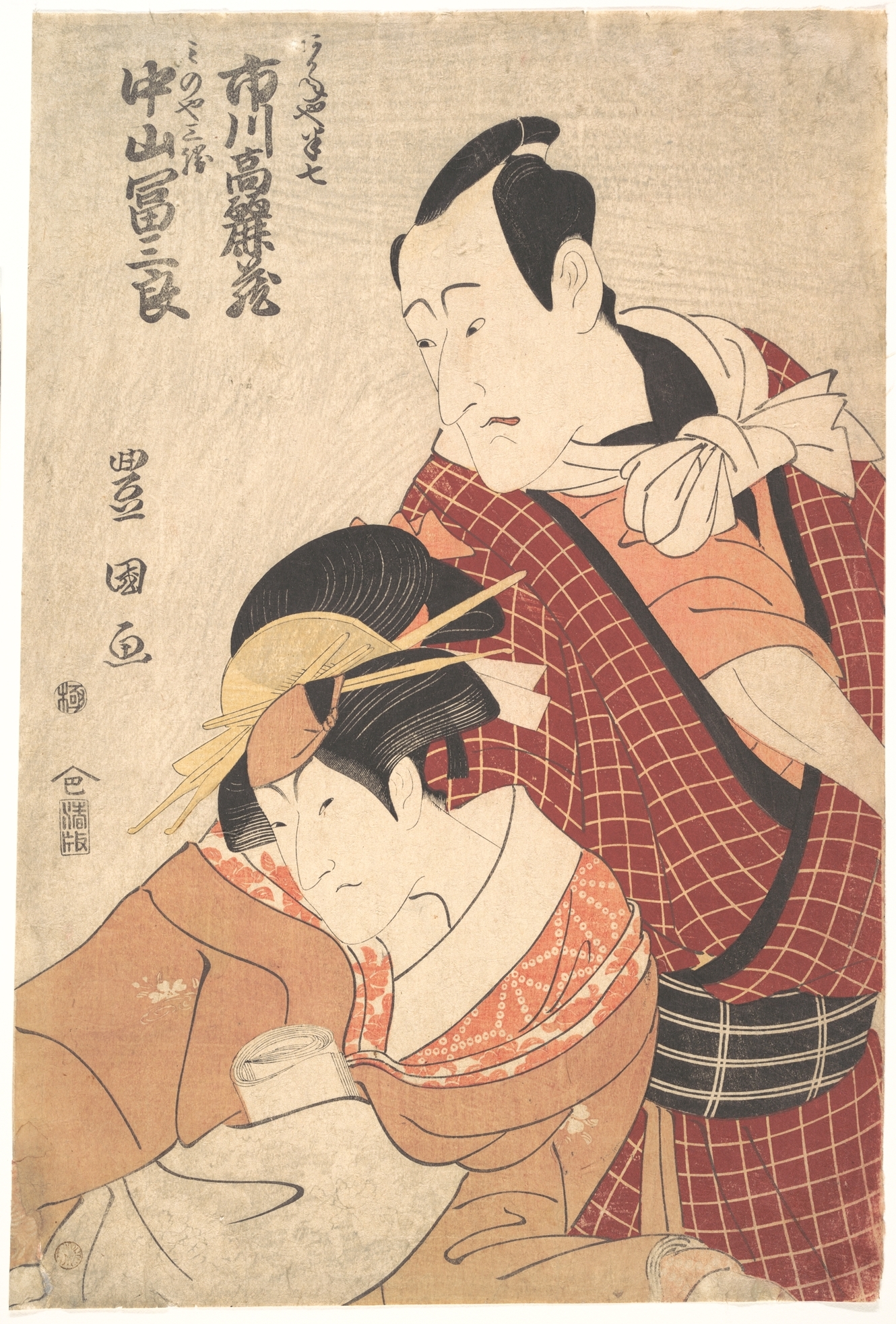
Ichikawa Komazō II (1764–1838) in the Role of Akaneya Hanshichi from the Play Hadesugata On'a Maiginu
- Date:
- ca. 1798
- Medium:
- Woodblock print; ink and color on paper
- Source:
- Metropolitan Museum of Art
Description
Utagawa Toyokuni I (1769-1825) here depicts the kabuki actor Ichikawa Komazō II (1764-1838) in the role of Akaneya Hanshichi from the play Hadesugata Onna Maiginu, a popular sewamono (domestic drama) treating the tragic love story of Hanshichi and the courtesan Sankatsu. The play, first staged in the 1770s with versions revised and revived throughout the late eighteenth and early nineteenth centuries, dramatized real-life lovers' suicides (shinjū) of the kind that periodically scandalized Edo and Osaka and drew prohibitive responses from the Tokugawa authorities, which only intensified popular interest. Ichikawa Komazō II (later Matsumoto Kōshirō V) was one of the most powerful Edo actors of his generation, equally adept at heroic and villainous roles, and Toyokuni portrayed him in numerous productions. As yakusha-e, the print belongs to the genre Toyokuni dominated, and the choice of a sewamono role demonstrates the breadth of contemporary kabuki beyond the more often discussed jidaimono (historical) plays. Akaneya Hanshichi is a tragic male lead caught between love, debt, and obligation—the recurring matrix of sewamono drama—and Toyokuni's portrayal captures the character's anxious emotional weight. The Metropolitan Museum of Art's recorded date of 1788 falls slightly before Toyokuni's career-making series of the 1790s and suggests this impression belongs to his early independent production, when he was already commanding the discipline that the Utagawa school had inherited from his teacher Utagawa Toyoharu. The impression is held in the Metropolitan Museum of Art.
More Prints by Utagawa Toyokuni I

Kabuki Actor Iwai Kumesaburo with abacus

Segawa Kikunojō III as the Shop Boy Chōkichi
1796
Woodblock print (nishiki-e), ink and color on paper
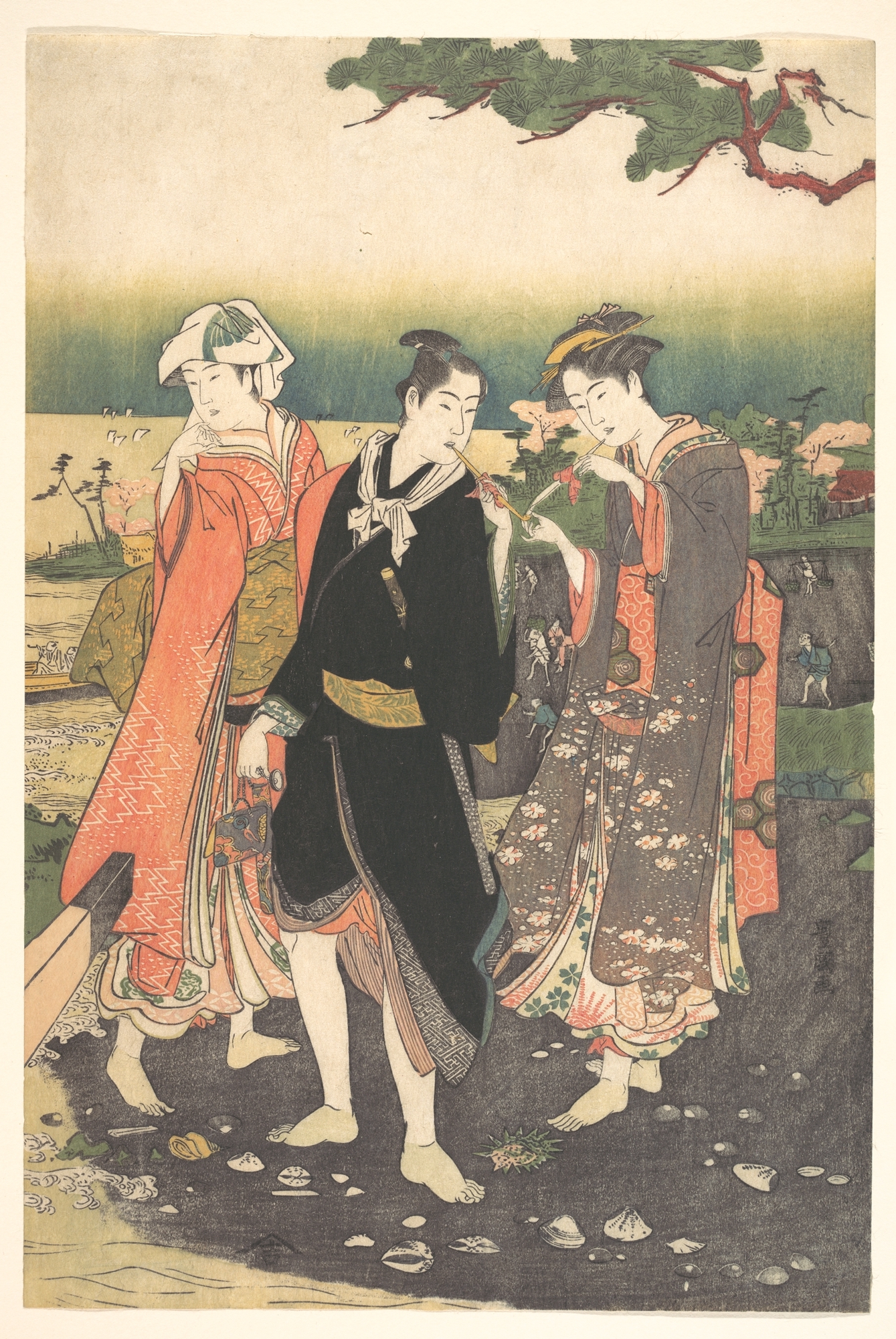
On Shinagawa Beach at Ebb-Tide
1769–1825
Woodblock print; ink and color on paper
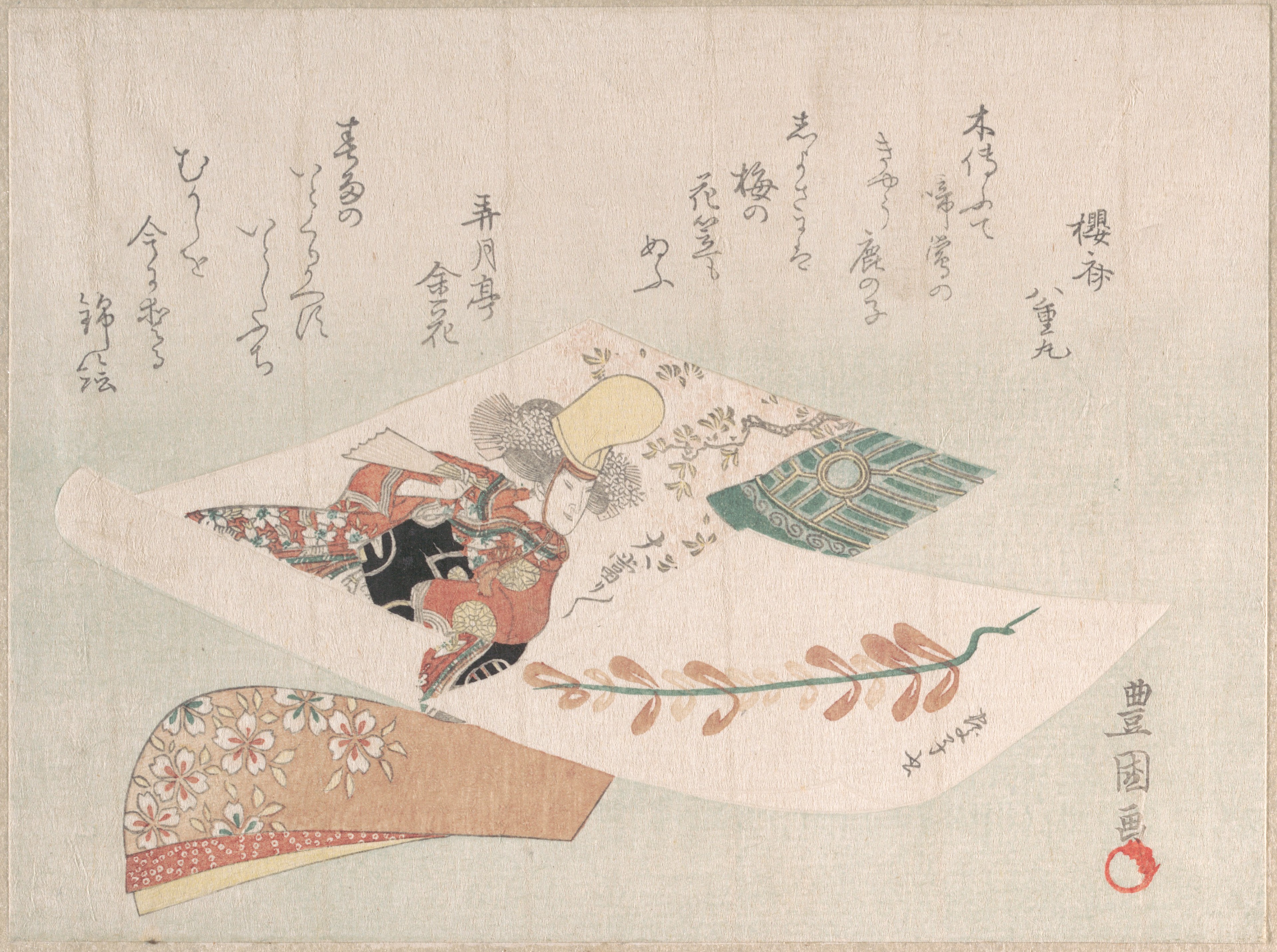
Representation of the Dance-Play "Dōjōji"
Woodblock print (surimono); ink and color on paper
Frequently Asked Questions
Ichikawa Komazō II (1764–1838) in the Role of Akaneya Hanshichi from the Play Hadesugata On'a Maiginu was created by Utagawa Toyokuni I (歌川豊国) in ca. 1798.