
Koraiya: Ichikawa Komazo III, from the series "Portraits of Actors on Stage (Yakusha butai no sugata-e)"
- Date:
- c. 1794
- Medium:
- Color woodblock print; oban
- Source:
- Art Institute of Chicago
Description
Utagawa Toyokuni I's "Kōraiya: Ichikawa Komazō III," from his series "Portraits of Actors on Stage (Yakusha Butai no Sugata-e)," depicts the male-role specialist Ichikawa Komazō III — guild name Kōraiya — in a stage portrait that exemplifies the design ambitions of the series. The Art Institute of Chicago preserves the print, and the impression carries the saturated color and crisp contour that made the Yakusha Butai no Sugata-e a landmark in yakusha-e history. Komazō III, later to be elevated to the Matsumoto Kōshirō name, was among the most consequential tachiyaku actors of his generation, and Utagawa Toyokuni's portrait captures the formidable physical presence audiences associated with his lead roles. The series' guiding logic — actor identified by yagō, role identified by cartouche, costume rendered with attention to the textile patterns Edo theatergoers came specifically to see — set conventions that the Utagawa school would extend across the nineteenth century. As founder of that school's dominance in kabuki actor prints within Edo ukiyo-e, Toyokuni used the Yakusha Butai no Sugata-e to make a comprehensive statement about how stars and stage roles ought to be visualized. The Art Institute of Chicago's catalogue records the print without invention, allowing the sheet to speak for itself. For collectors of yakusha-e and students of Edo ukiyo-e, this Kōraiya portrait is a representative example of how Utagawa Toyokuni I balanced individual likeness with the demands of the theatrical convention his series helped to codify.
More Prints by Utagawa Toyokuni I

Kabuki Actor Iwai Kumesaburo with abacus

Segawa Kikunojō III as the Shop Boy Chōkichi
1796
Woodblock print (nishiki-e), ink and color on paper
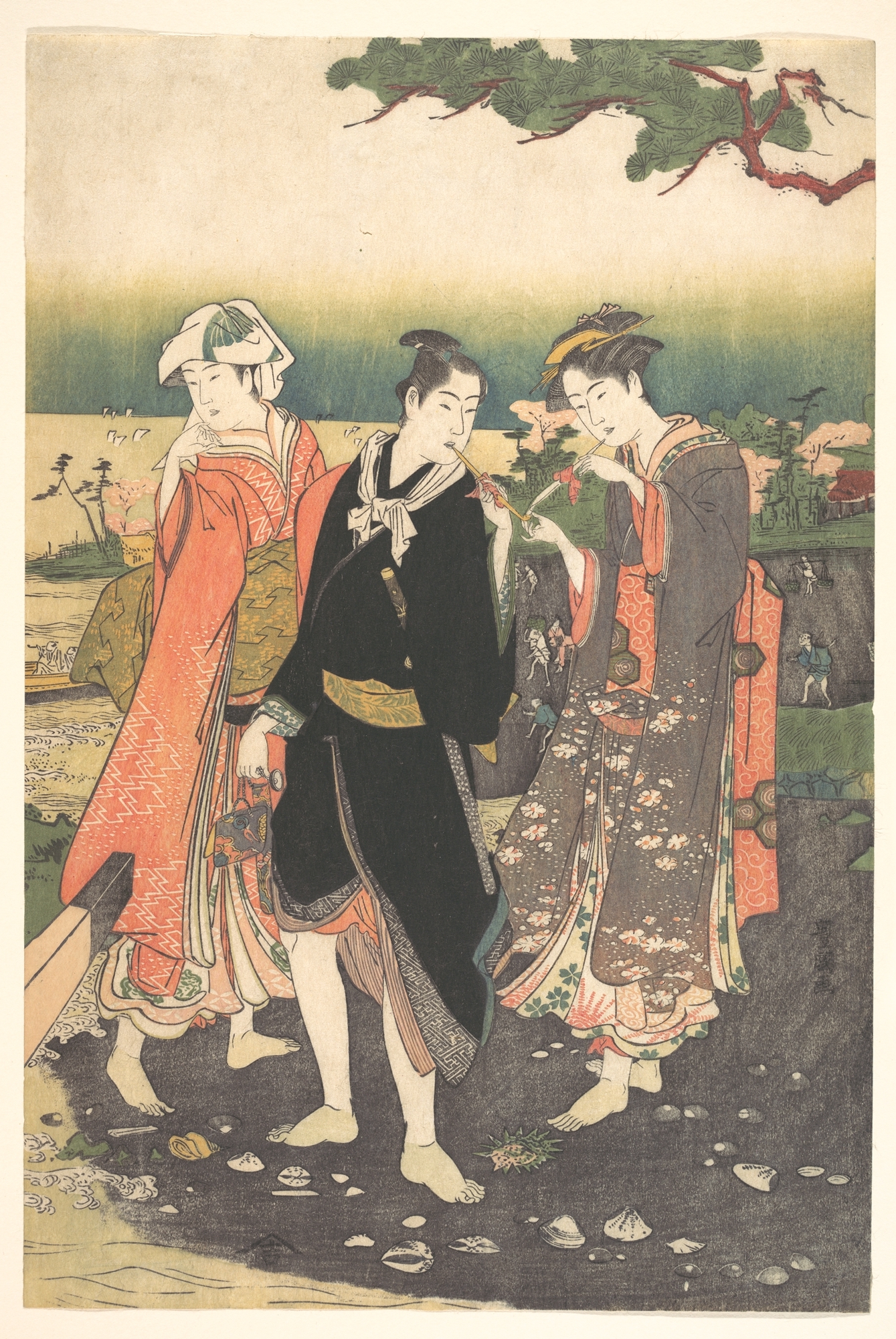
On Shinagawa Beach at Ebb-Tide
1769–1825
Woodblock print; ink and color on paper
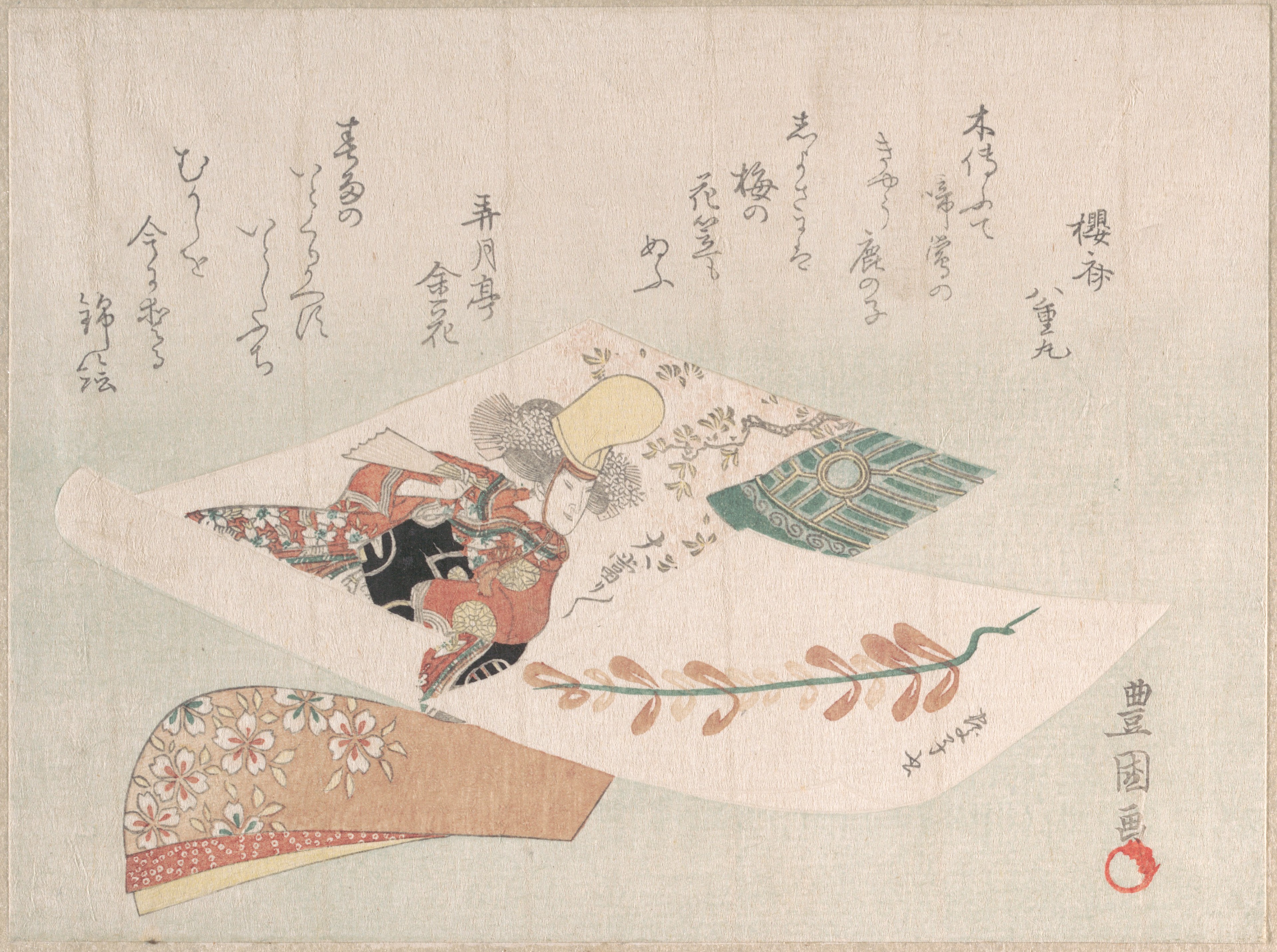
Representation of the Dance-Play "Dōjōji"
Woodblock print (surimono); ink and color on paper
Frequently Asked Questions
Koraiya: Ichikawa Komazo III, from the series "Portraits of Actors on Stage (Yakusha butai no sugata-e)" was created by Utagawa Toyokuni I (歌川豊国) in c. 1794.