
Portrait of the Sumo Wrestler Ikezuki Geitazaemon
- Date:
- c. 1845
- Medium:
- Color woodblock print
- Source:
- Art Institute of Chicago
Description
This 1840 print by Utagawa Toyokuni in the Art Institute of Chicago belongs to the sumo-e sub-genre that sits adjacent to yakusha-e within Edo ukiyo-e: the prints depict sumo wrestlers rather than kabuki actors, but they emerged from the same workshops, used the same printing technologies, and were marketed to overlapping audiences. The wrestler Ikezuki Geitazaemon is depicted with the careful attention to physiognomy and physical bulk that distinguished celebrated sumo-e from generic figure prints. Toyokuni, the head of the Utagawa school, transferred to sumo subjects the conventions he had refined in actor portraits: confident curving outlines, individualized facial features, and a focus on commemorating a specific contemporary celebrity rather than an abstracted type. The print would have circulated within the same urban Edo marketplace that bought tickets to sumo matches and theater performances, supporting a culture of celebrity that linked the wrestling ring to the kabuki stage. Visually, the print emphasizes the wrestler's iconic mass, his ceremonial apron (kesho-mawashi) likely embellished with patron-funded designs, and the rank-related signs that contemporary sumo fans recognized at a glance. As a dated 1840 sheet, the print sits within a documented Utagawa workshop output of the late Edo period and contributes to scholarly understanding of how Utagawa Toyokuni's broader visual vocabulary adapted to sports celebrity. For collectors of sumo-e and researchers of late Edo ukiyo-e, the work is a clear example of Utagawa innovation outside the strictly theatrical sphere.
More Prints by Utagawa Toyokuni I

Segawa Kikunojō III as the Shop Boy Chōkichi
1796
Woodblock print (nishiki-e), ink and color on paper
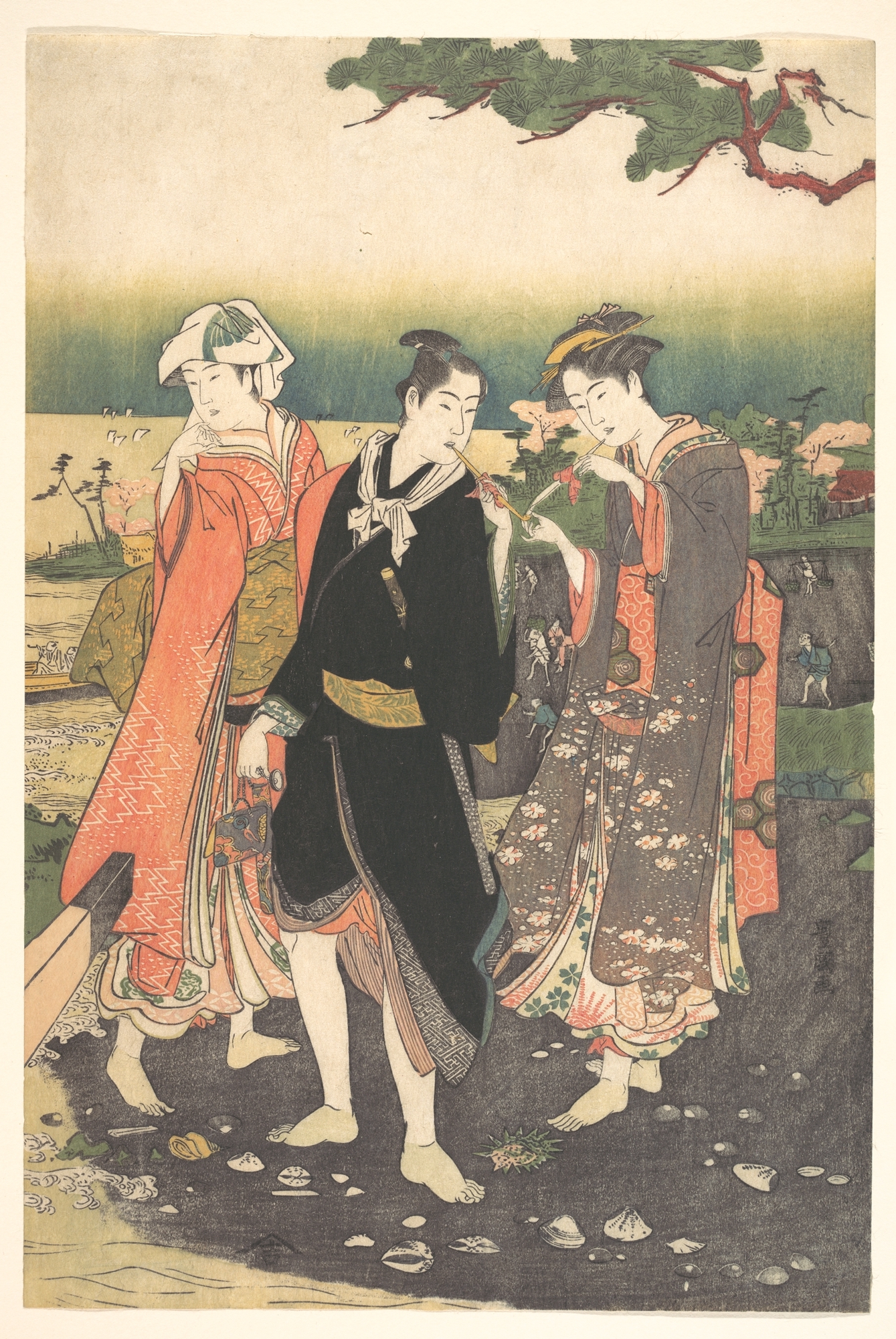
On Shinagawa Beach at Ebb-Tide
1769–1825
Woodblock print; ink and color on paper
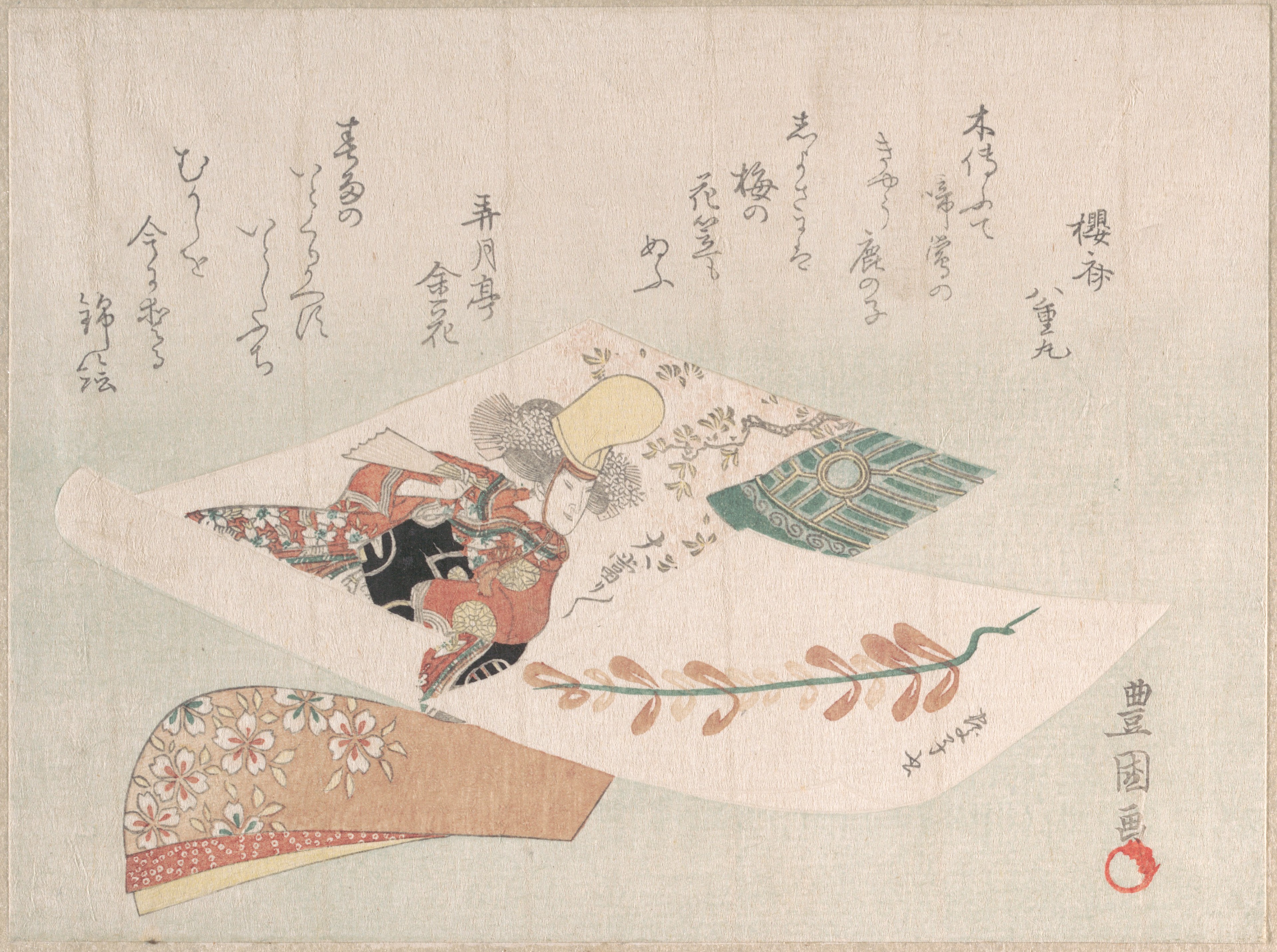
Representation of the Dance-Play "Dōjōji"
Woodblock print (surimono); ink and color on paper

The actors Sawamura Sojuro II as Satsuma Gengobei and Arashi Ryuzo II as Mawashi-otoko Yasuke in the play "Edo Sunago Kichirei Soga," performed at the Miyako Theater on the first month, 1795
c. 1795
Color woodblock print; oban
More Sumo Prints


Frequently Asked Questions
Portrait of the Sumo Wrestler Ikezuki Geitazaemon was created by Utagawa Toyokuni I (歌川豊国) in c. 1845.
Portrait of the Sumo Wrestler Ikezuki Geitazaemon depicts sumo.