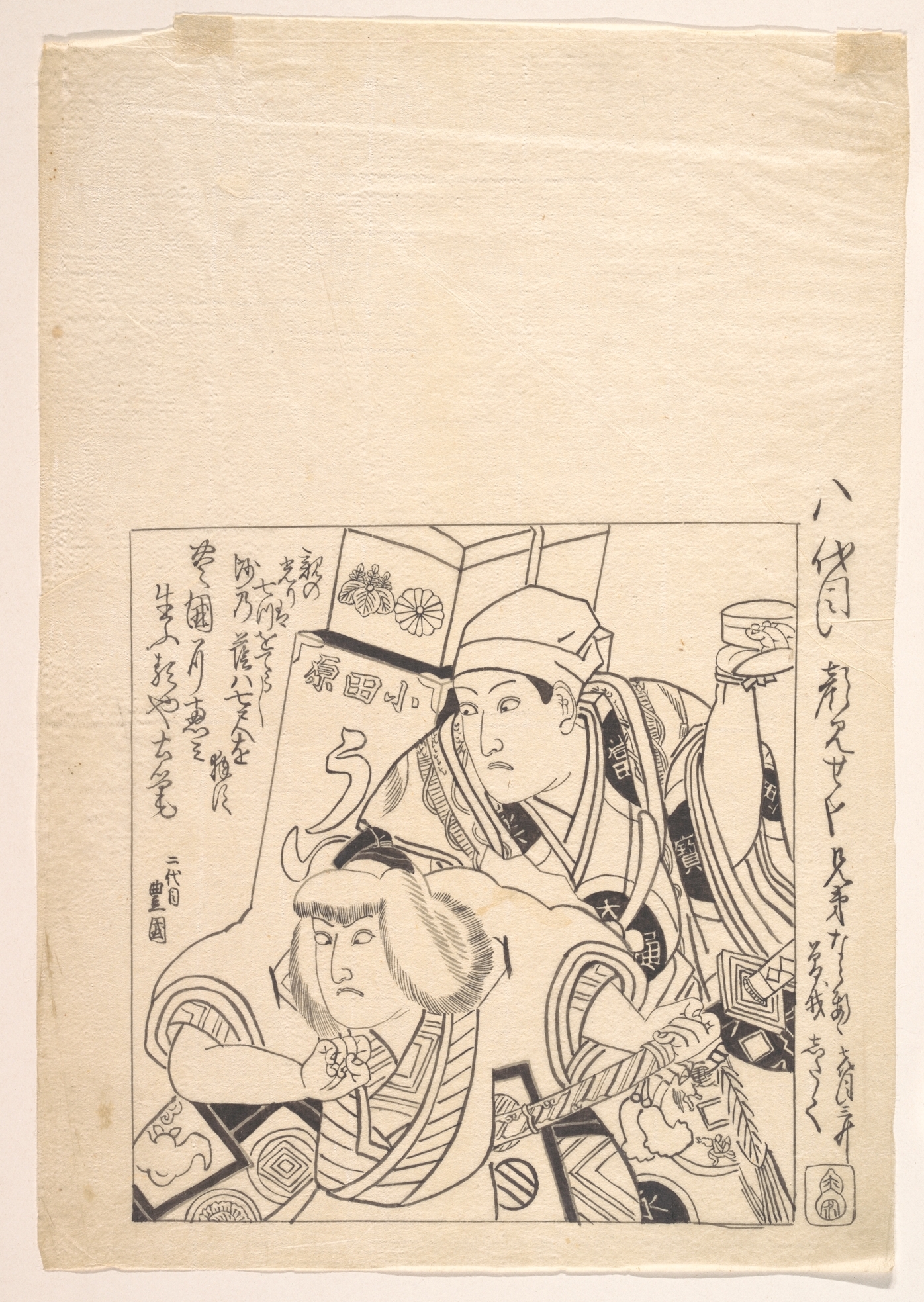
Shitaku and Sansho VII in Soga Kyodai (a Kabuki Play of the Soga Brothers)
- Medium:
- Monochrome woodblock print; ink on paper
- Source:
- Metropolitan Museum of Art
Description
This Utagawa Toyokuni design in the Metropolitan Museum of Art depicts two performers in the classic kabuki cycle of plays about the Soga brothers, a saga of vendetta and brotherly loyalty that anchored the New Year stage offerings in Edo for generations. The Soga story, drawn from medieval narrative, retained perpetual freshness in kabuki because it could be reset, reinterpreted, and dressed in current fashion each season. As a yakusha-e print within the Edo ukiyo-e tradition, the sheet records a specific casting of the brothers (Shitaku and Sansho VII) and the choreographed confrontation between the elder, fierce Goro and the gentler younger brother Juro that audiences expected. The Utagawa school, under Toyokuni's leadership, found in Soga prints an ideal vehicle for displaying the workshop's mature command of paired-figure composition: the brothers were typically rendered in contrasting palettes and patterned textiles, their poses calibrated to express opposing temperaments while preserving the visual symmetry of family bond. Toyokuni's confident linework articulates the dynamism of stage gesture while his palette choices reinforce the seasonal associations the Soga cycle carried for Edo audiences, particularly around New Year. The Metropolitan's preservation of the sheet allows continued study of how the Utagawa workshop participated in the annual rhythms of kabuki imagery, and it adds to scholarly understanding of the persistent Soga theme within Edo ukiyo-e. For collectors and scholars of Utagawa Toyokuni and the yakusha-e tradition, the print is an instructive example of paired-figure design at high technical refinement.
More Prints by Utagawa Toyokuni I

Segawa Kikunojō III as the Shop Boy Chōkichi
1796
Woodblock print (nishiki-e), ink and color on paper
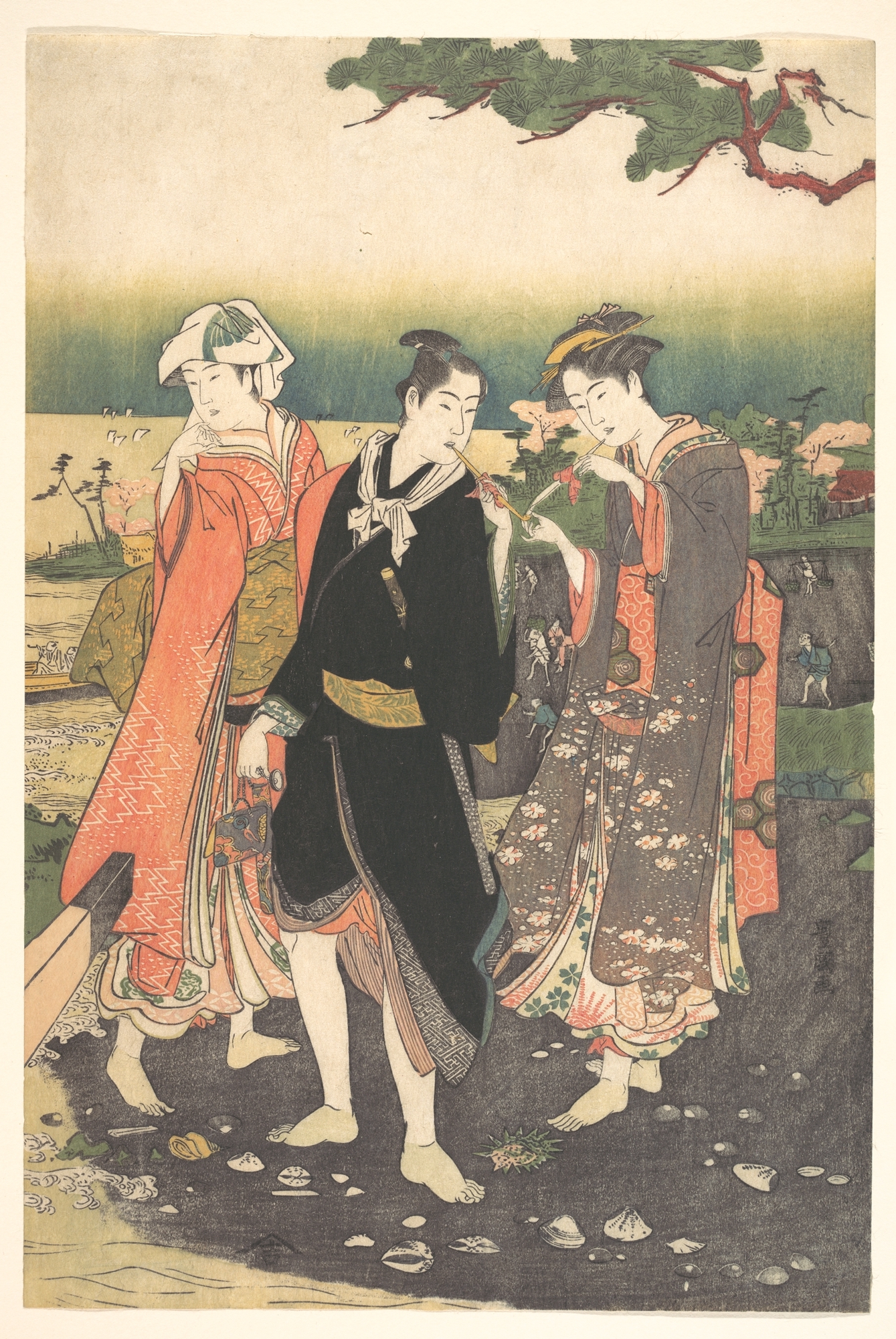
On Shinagawa Beach at Ebb-Tide
1769–1825
Woodblock print; ink and color on paper
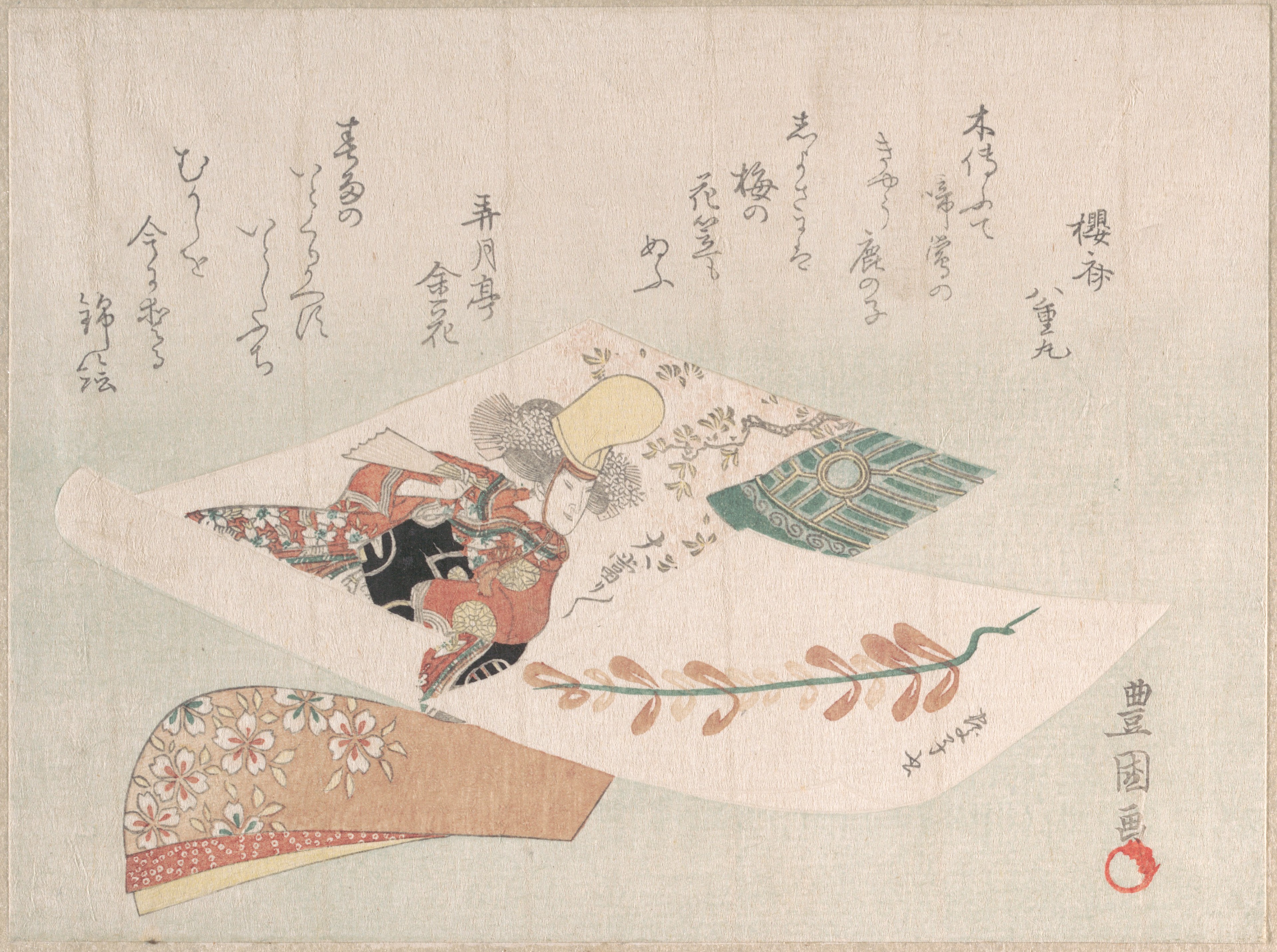
Representation of the Dance-Play "Dōjōji"
Woodblock print (surimono); ink and color on paper

The actors Sawamura Sojuro II as Satsuma Gengobei and Arashi Ryuzo II as Mawashi-otoko Yasuke in the play "Edo Sunago Kichirei Soga," performed at the Miyako Theater on the first month, 1795
c. 1795
Color woodblock print; oban
Frequently Asked Questions
Shitaku and Sansho VII in Soga Kyodai (a Kabuki Play of the Soga Brothers) was created by Utagawa Toyokuni I (歌川豊国).