
Tachibanaya: Ichikawa Yaozo III as Fuwa Banzaemon, from the series "Portraits of Actors on Stage (Yakusha butai no sugata-e)"
- Date:
- 1794
- Medium:
- Color woodblock print; oban
- Source:
- Art Institute of Chicago
Description
Utagawa Toyokuni I depicts Ichikawa Yaozo III of the Tachibanaya house in the role of Fuwa Banzaemon as part of the celebrated yakusha-e series Portraits of Actors on Stage (Yakusha butai no sugata-e). Fuwa Banzaemon is one of the most beloved characters of the Edo kabuki repertoire, a swaggering young samurai whose elaborate striped robes embody bravado and stylized masculine fashion. Toyokuni accentuates these qualities through bold pattern interplay, sharp contour lines, and a confident pose that conveys the actor's mid-performance bearing. By placing the figure full-length against an open background, the print invites comparison both with the close-cropped bust portraits of Toshusai Sharaku and with the more atmospheric stage settings used by other Edo ukiyo-e designers of the 1790s. The Art Institute of Chicago preserves this impression, in which the balance of dark outline and patterned color exemplifies the technical sophistication of the Yakusha butai no sugata-e series. The series effectively launched Toyokuni I as the dominant actor-portraitist of his generation, and it laid the groundwork for the Utagawa school's near-monopoly on yakusha-e through the nineteenth century. For collectors and theater historians, Toyokuni's image of Ichikawa Yaozo III is doubly valuable: a finely designed Edo ukiyo-e print and a precise visual record of how a leading actor inhabited one of kabuki's signature roles.
More Prints by Utagawa Toyokuni I

Kabuki Actor Iwai Kumesaburo with abacus

Segawa Kikunojō III as the Shop Boy Chōkichi
1796
Woodblock print (nishiki-e), ink and color on paper
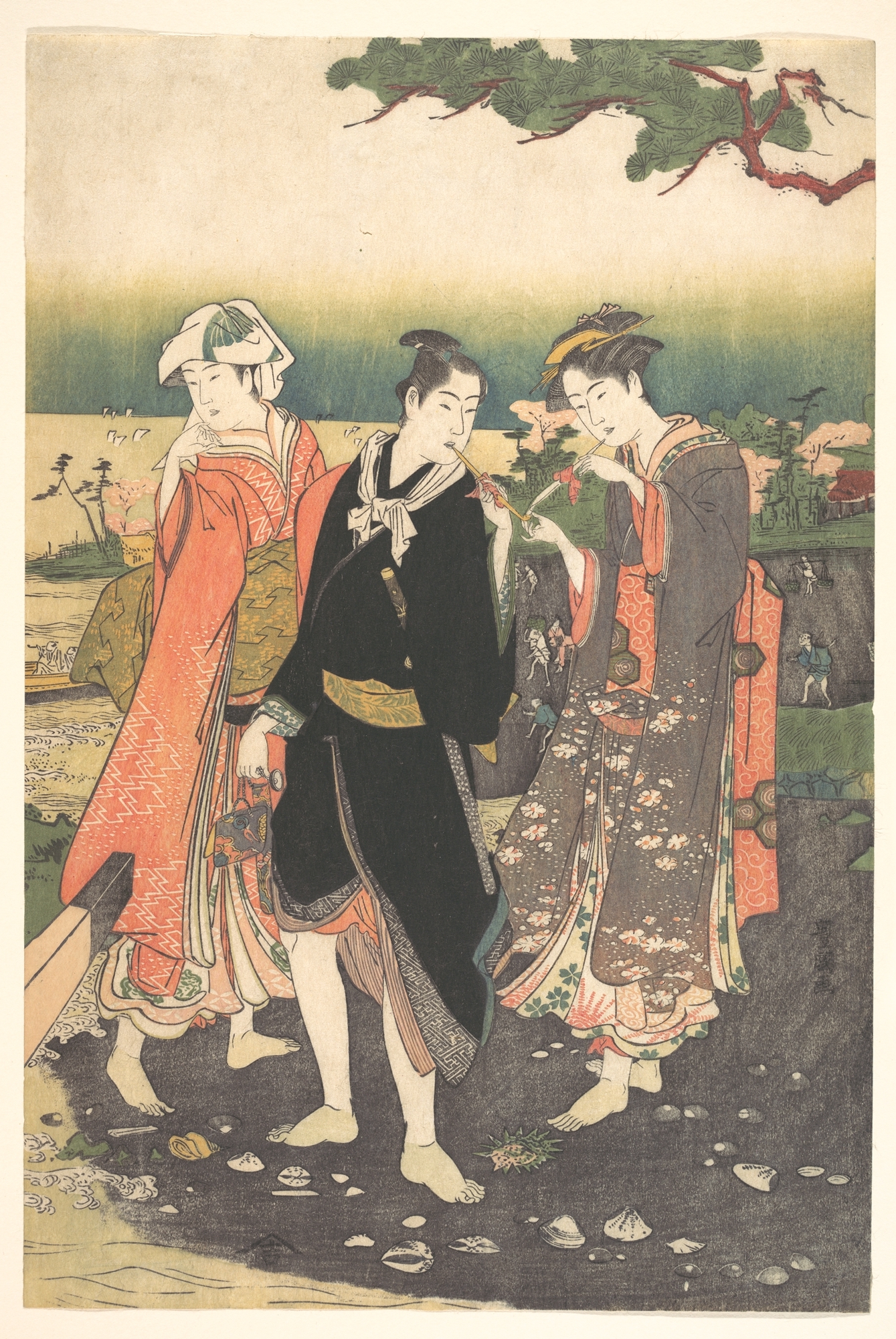
On Shinagawa Beach at Ebb-Tide
1769–1825
Woodblock print; ink and color on paper
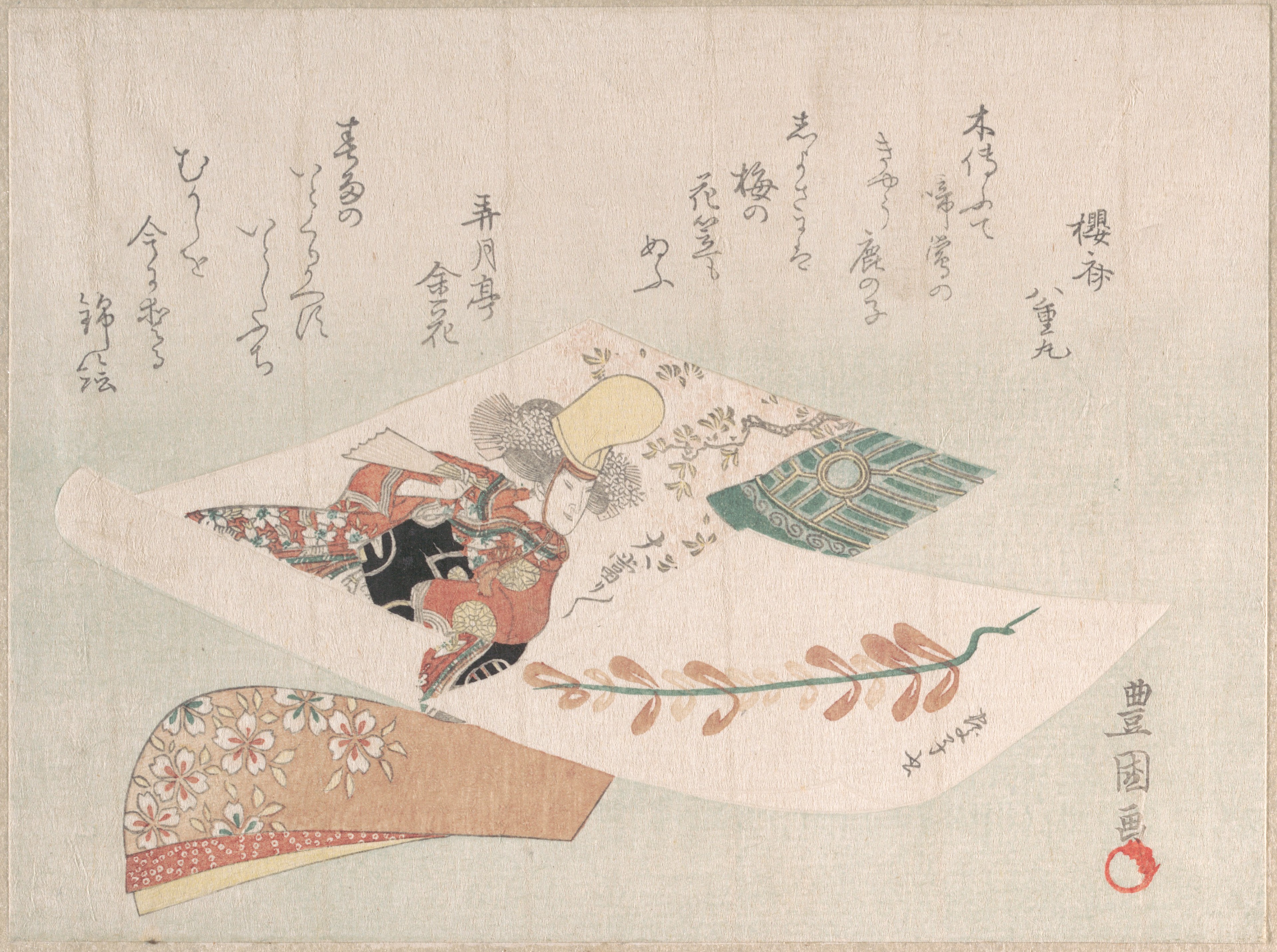
Representation of the Dance-Play "Dōjōji"
Woodblock print (surimono); ink and color on paper
Frequently Asked Questions
Tachibanaya: Ichikawa Yaozo III as Fuwa Banzaemon, from the series "Portraits of Actors on Stage (Yakusha butai no sugata-e)" was created by Utagawa Toyokuni I (歌川豊国) in 1794.