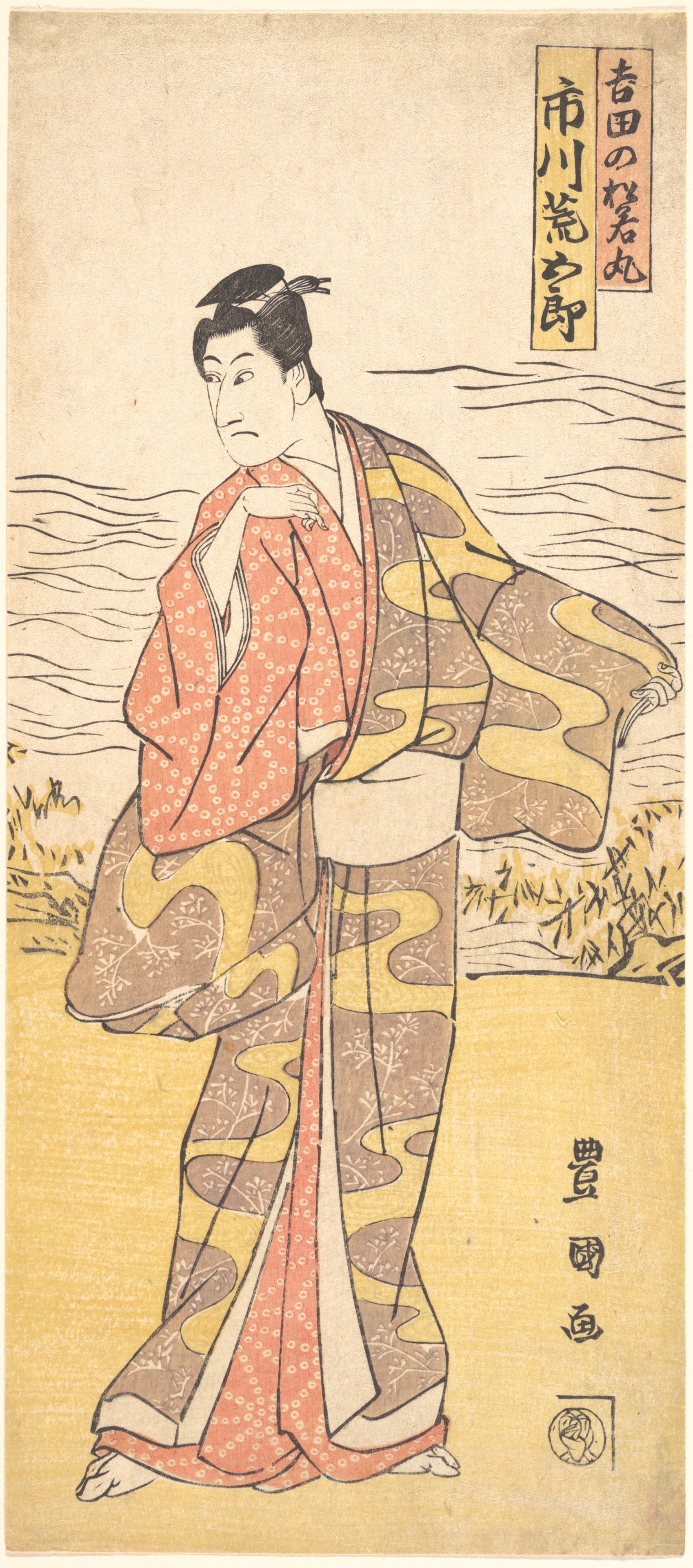
The Actor Ichikawa Aragōrō as Yoshida no Matsuwaka-Maru
- Date:
- 1769–1825
- Medium:
- Woodblock print; ink and color on paper
- Source:
- Metropolitan Museum of Art
Description
Utagawa Toyokuni I (1769-1825) here depicts the kabuki actor Ichikawa Aragōrō in the role of Yoshida no Matsuwaka-maru. As yakusha-e, the print follows the Edo ukiyo-e convention of identifying the actor and the role together, allowing knowledgeable buyers to commemorate a particular performance while less informed viewers could appreciate the design as a portrait of a glamorous theatrical figure. The Ichikawa acting house, dominant in Edo, had multiple branches and stage names, and 'Aragōrō' (which suggests a connection to the aragoto rough-style tradition pioneered by Ichikawa Danjūrō I in the late seventeenth century) places the actor within that lineage. The role of Yoshida no Matsuwaka-maru belongs to the broader dramatic landscape of medieval war tales and revenge cycles that supplied kabuki with much of its narrative material; Matsuwaka-maru types generally appear as youthful sons or attendants caught up in larger conflicts. The Metropolitan Museum of Art's recorded date of 1769 reproduces Toyokuni's birth year and is a transcriptional convention rather than the print's true production date; the work itself dates from Toyokuni's active career, most likely in the 1790s when his yakusha-e production was at its peak. Toyokuni's draughtsmanship demonstrates the Utagawa school standards of cleanly registered color blocks, confident outline, and careful attention to the crests and costume patterns that signaled the specific role and lineage to original viewers. The impression is preserved in the Metropolitan Museum of Art.
More Prints by Utagawa Toyokuni I

Segawa Kikunojō III as the Shop Boy Chōkichi
1796
Woodblock print (nishiki-e), ink and color on paper
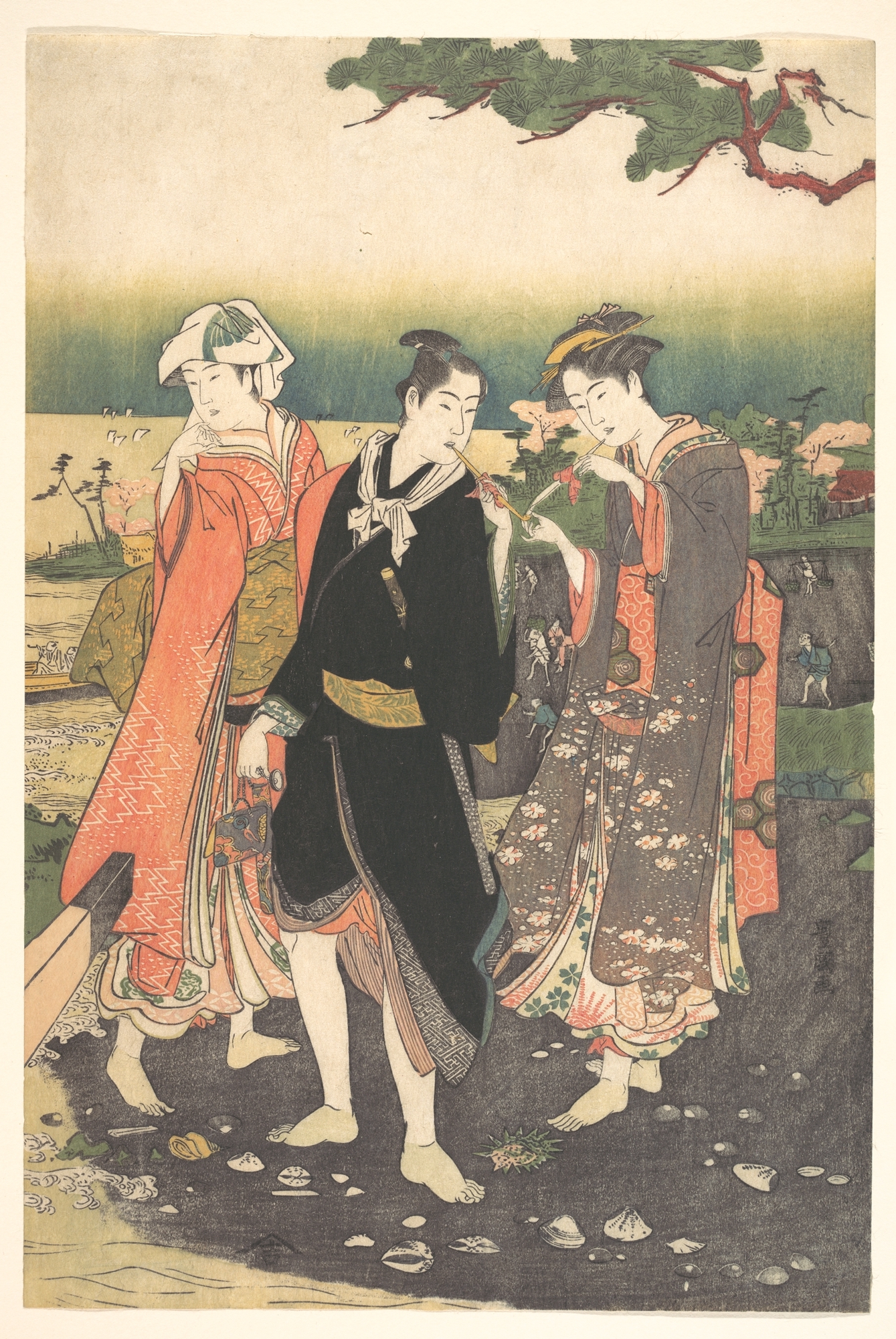
On Shinagawa Beach at Ebb-Tide
1769–1825
Woodblock print; ink and color on paper
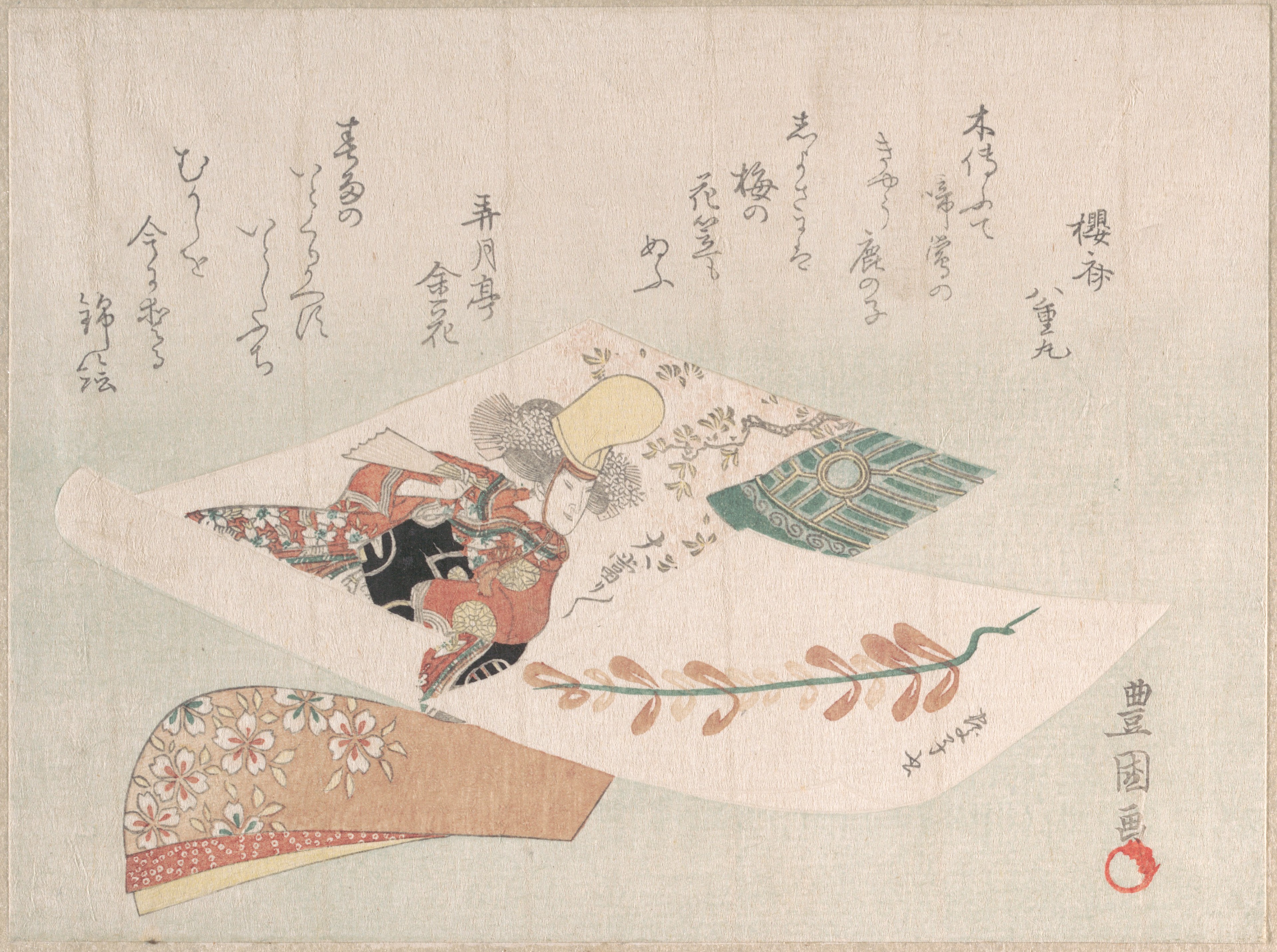
Representation of the Dance-Play "Dōjōji"
Woodblock print (surimono); ink and color on paper

The actors Sawamura Sojuro II as Satsuma Gengobei and Arashi Ryuzo II as Mawashi-otoko Yasuke in the play "Edo Sunago Kichirei Soga," performed at the Miyako Theater on the first month, 1795
c. 1795
Color woodblock print; oban
Frequently Asked Questions
The Actor Ichikawa Aragōrō as Yoshida no Matsuwaka-Maru was created by Utagawa Toyokuni I (歌川豊国) in 1769–1825.