
The actor Ichikawa Danjuro VI and a boy
- Date:
- n.d.
- Medium:
- Color woodblock print; oban
- Source:
- Art Institute of Chicago
Description
This Edo ukiyo-e print by Utagawa Toyokuni I (1769-1825) belongs to the yakusha-e tradition of kabuki actor portraiture, depicting the popular star Ichikawa Danjūrō VI accompanied by a young boy. The Ichikawa Danjūrō line was the most celebrated acting dynasty in Edo, particularly known for the bombastic aragoto style of performance, and any portrait bearing the Danjūrō name carried immediate commercial appeal among kabuki devotees who collected prints of their favorite stars. Toyokuni, working at the height of his fame after the 1794 success of his series Yakusha butai no sugata-e (Views of Actors on Stage), specialized in scenes that captured the emotional rapport between performers rather than isolating them in formal poses. The composition pairs the leading actor with a youthful figure, a relationship often used in kabuki to underscore themes of loyalty, lineage, and the transmission of theatrical craft from one generation to the next. Toyokuni's handling demonstrates the signature features of his mature manner: confident outline drawing in sumi ink, areas of flat color in the kimonos rendered through multiple woodblocks, and careful attention to crests, fabric patterns, and stage props that signaled specific roles to knowledgeable audiences. As founder of the Utagawa school's commanding presence in nineteenth-century print culture, Toyokuni trained the generation of designers (Kunisada, Kuniyoshi, Kuniyoshi's pupils) who would dominate Japanese prints into the Meiji era. This impression is preserved in the collection of the Art Institute of Chicago, which holds one of North America's most distinguished holdings of Edo-period ukiyo-e.
More Prints by Utagawa Toyokuni I

Segawa Kikunojō III as the Shop Boy Chōkichi
1796
Woodblock print (nishiki-e), ink and color on paper
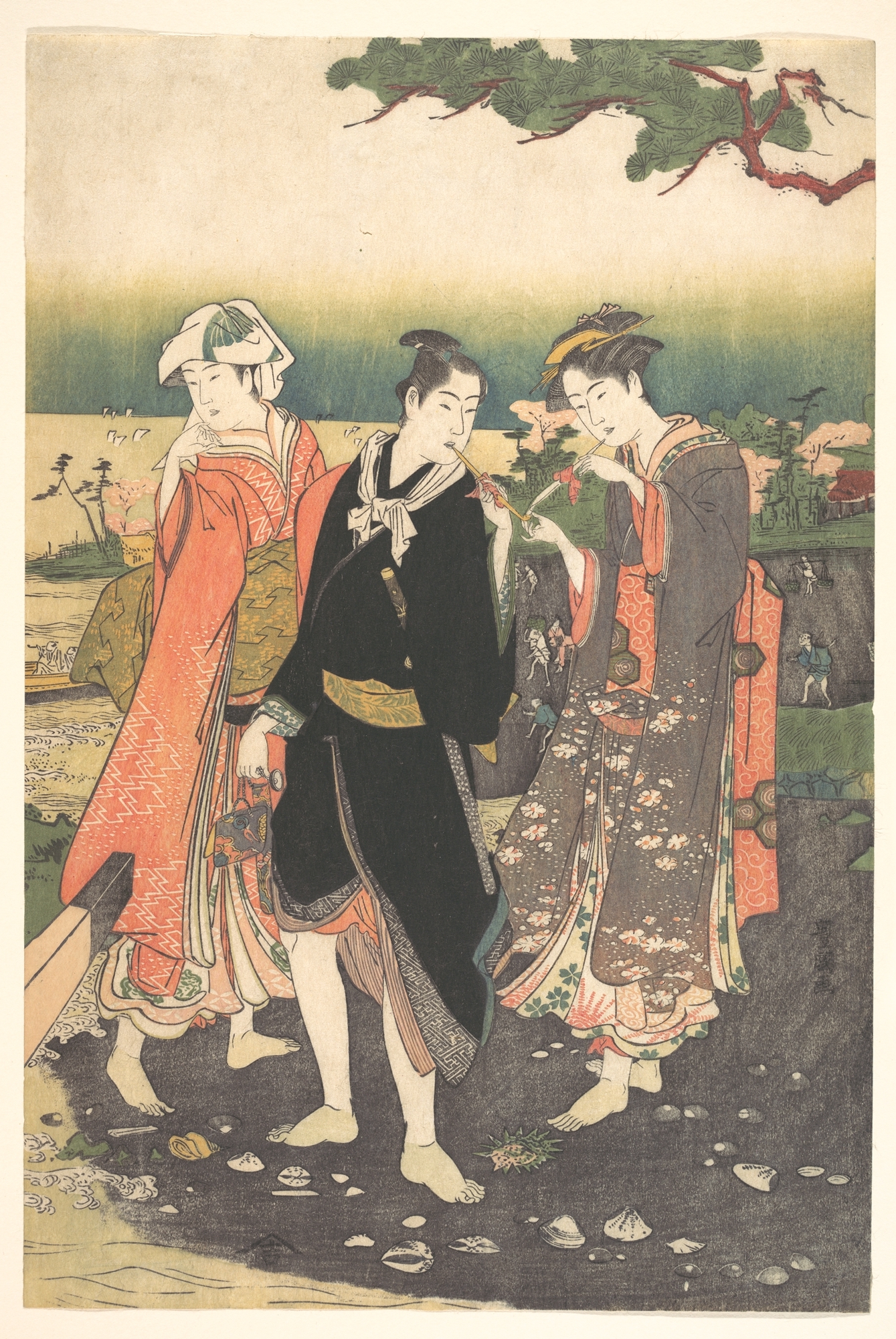
On Shinagawa Beach at Ebb-Tide
1769–1825
Woodblock print; ink and color on paper
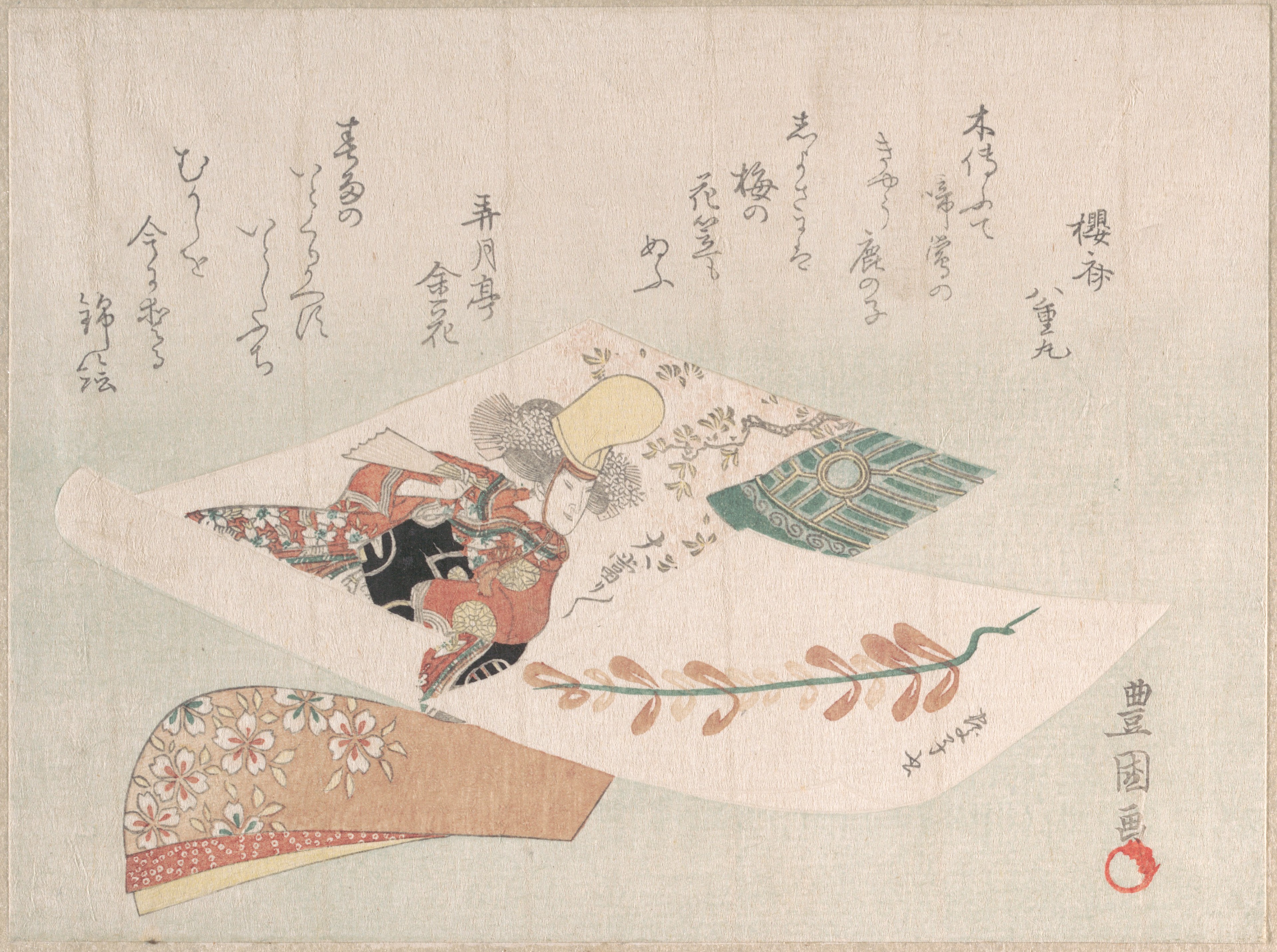
Representation of the Dance-Play "Dōjōji"
Woodblock print (surimono); ink and color on paper

The actors Sawamura Sojuro II as Satsuma Gengobei and Arashi Ryuzo II as Mawashi-otoko Yasuke in the play "Edo Sunago Kichirei Soga," performed at the Miyako Theater on the first month, 1795
c. 1795
Color woodblock print; oban
Frequently Asked Questions
The actor Ichikawa Danjuro VI and a boy was created by Utagawa Toyokuni I (歌川豊国) in n.d..