
The Red Carp
- Date:
- c. 1804/18
- Medium:
- Color woodblock print; oban
- Source:
- Art Institute of Chicago
Description
Utagawa Toyokuni I's The Red Carp brings the Edo ukiyo-e tradition into close contact with classical East Asian symbolism. The red carp, koi, has long signified perseverance, masculine vitality, and seasonal celebration in Japanese visual culture, especially around Boys' Day in the fifth month. While Toyokuni is best known for yakusha-e or kabuki actor prints, his decorative subjects show the same observational discipline and graphic confidence, here translated into a composition centered on the vivid contours and patterned scales of the fish. The Art Institute of Chicago preserves this impression, whose carefully tuned color blocks and clean keylines reveal the technical quality demanded of Edo woodblock publishers at the close of the eighteenth century. The visual impact of the carp depends on the contrast between its arching body and the surrounding negative space, allowing the fish to read both as natural creature and as cultural emblem. Toyokuni I, the founder of the dominant Utagawa school, occasionally produced such symbolic single-image prints alongside his theater and bijin-ga commissions, broadening the range of Utagawa designs available to the Edo public. The Red Carp stands as a compact reminder that his contribution to Edo ukiyo-e extends well beyond celebrity portraiture into the rich field of auspicious imagery. For collectors interested in the symbolic and decorative side of Utagawa Toyokuni's work, the print provides an unusually graphic and immediately legible example.
More Prints by Utagawa Toyokuni I

Segawa Kikunojō III as the Shop Boy Chōkichi
1796
Woodblock print (nishiki-e), ink and color on paper
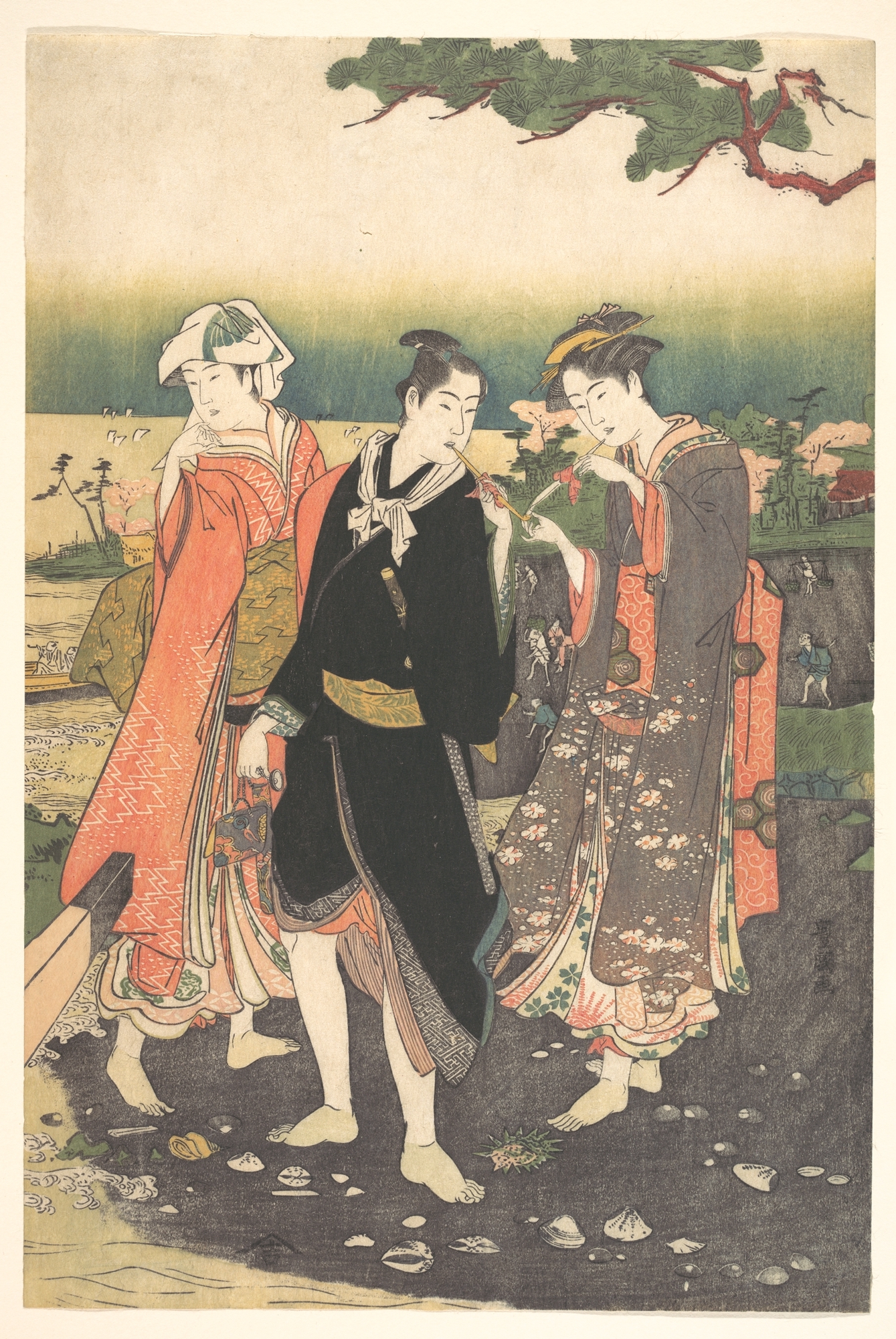
On Shinagawa Beach at Ebb-Tide
1769–1825
Woodblock print; ink and color on paper
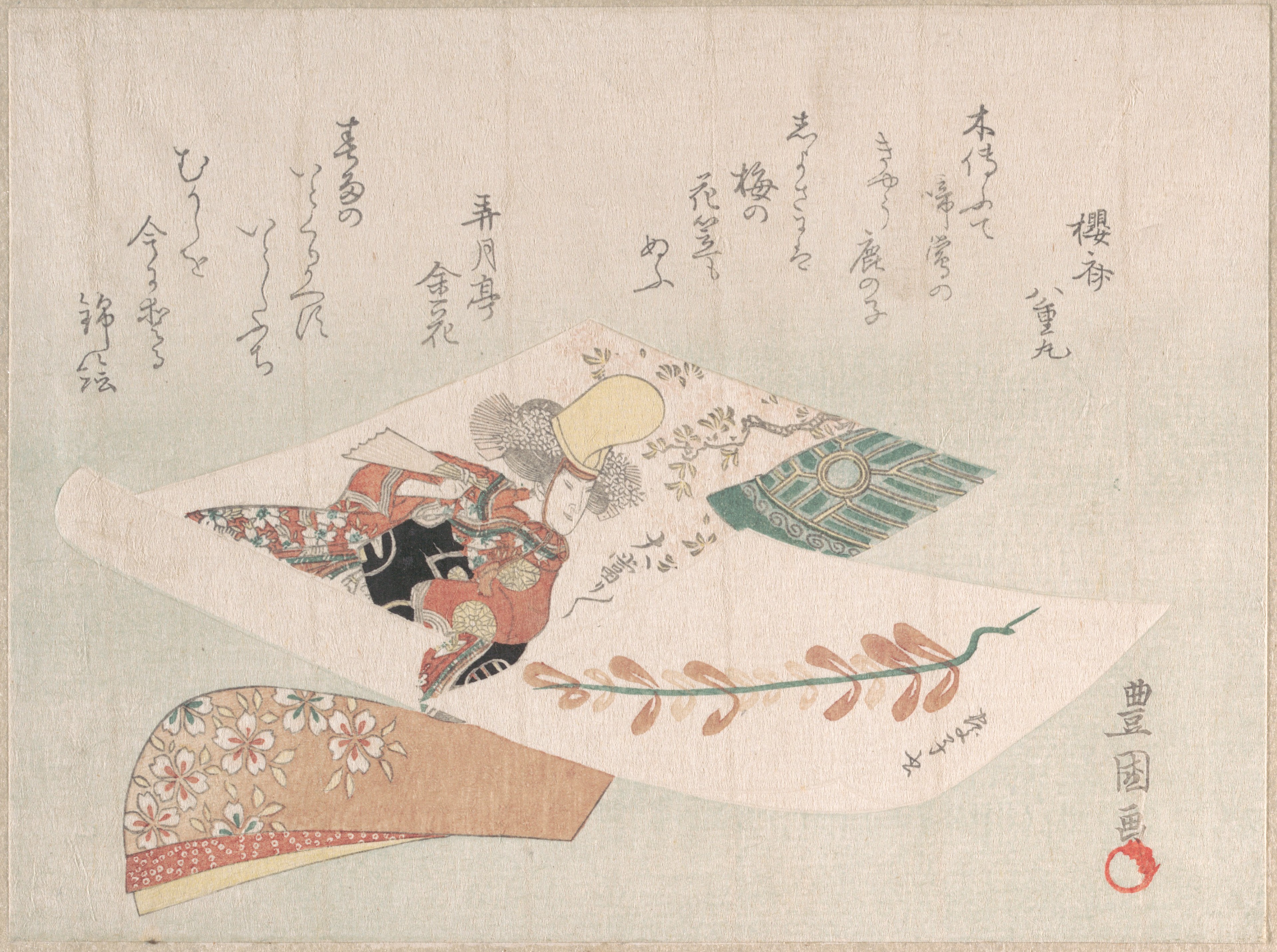
Representation of the Dance-Play "Dōjōji"
Woodblock print (surimono); ink and color on paper

The actors Sawamura Sojuro II as Satsuma Gengobei and Arashi Ryuzo II as Mawashi-otoko Yasuke in the play "Edo Sunago Kichirei Soga," performed at the Miyako Theater on the first month, 1795
c. 1795
Color woodblock print; oban
More Fish Prints


Frequently Asked Questions
The Red Carp was created by Utagawa Toyokuni I (歌川豊国) in c. 1804/18.
The Red Carp depicts fish.