
The Young Monkey Showman (Wakashu sarumawashi)
- Date:
- n.d.
- Medium:
- Color woodblock print; oban diptych
- Source:
- Art Institute of Chicago
Description
The Young Monkey Showman (Wakashu sarumawashi), held by the Art Institute of Chicago with a date of 1769, presents a popular Edo street character: a young performer leading a trained monkey through dances and tricks for passersby. Monkey showmen were a familiar sight in the capital, and sarumawashi acts carried strong associations with New Year auspiciousness and with itinerant entertainment more broadly. Utagawa Toyokuni handles the subject in the bright, accessible idiom of late eighteenth-century Edo ukiyo-e, treating the wakashu's body in a clean profile while the monkey's pose mirrors and animates the human figure. The interaction between handler and animal becomes the emotional core of the design, while costume details, the rope harness, and small accessories root the image in observed daily life rather than in pure pattern. Although the museum's catalogue groups the sheet with Toyokuni I material, the design is best understood as part of his ongoing dialogue with genre subjects that complemented the yakusha-e he was developing in the same years. Edo ukiyo-e prized scenes of street performers because they combined visual novelty with shared cultural memory: viewers recognized the tropes immediately and brought their own associations to the image. The print therefore functions both as entertainment and as a small ethnographic record of urban performance, preserved in the Art Institute of Chicago's collection as one of Toyokuni's contributions to the rich repertoire of figures who animated the streets of the Edo capital.
More Prints by Utagawa Toyokuni I

Kabuki Actor Iwai Kumesaburo with abacus

Segawa Kikunojō III as the Shop Boy Chōkichi
1796
Woodblock print (nishiki-e), ink and color on paper
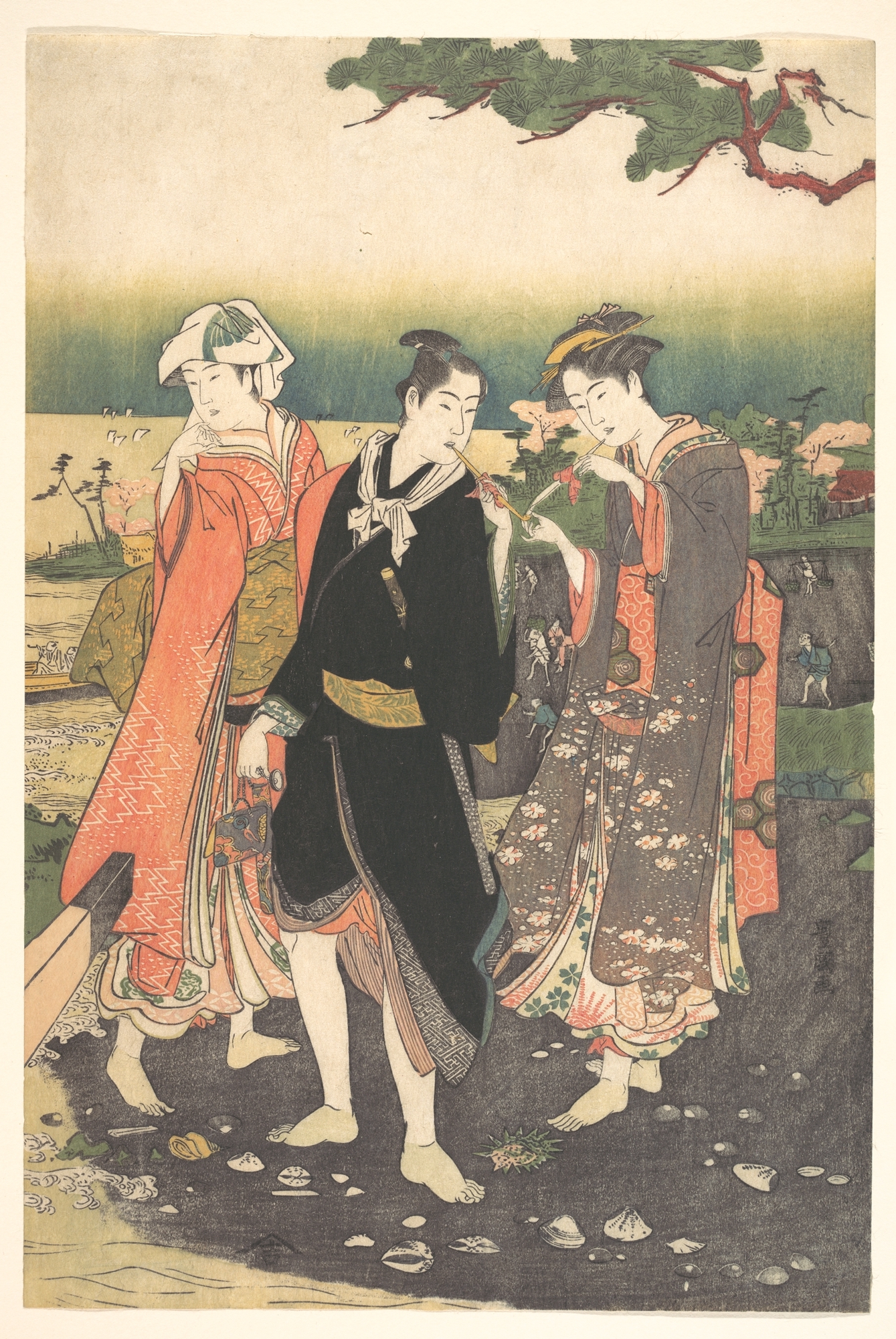
On Shinagawa Beach at Ebb-Tide
1769–1825
Woodblock print; ink and color on paper
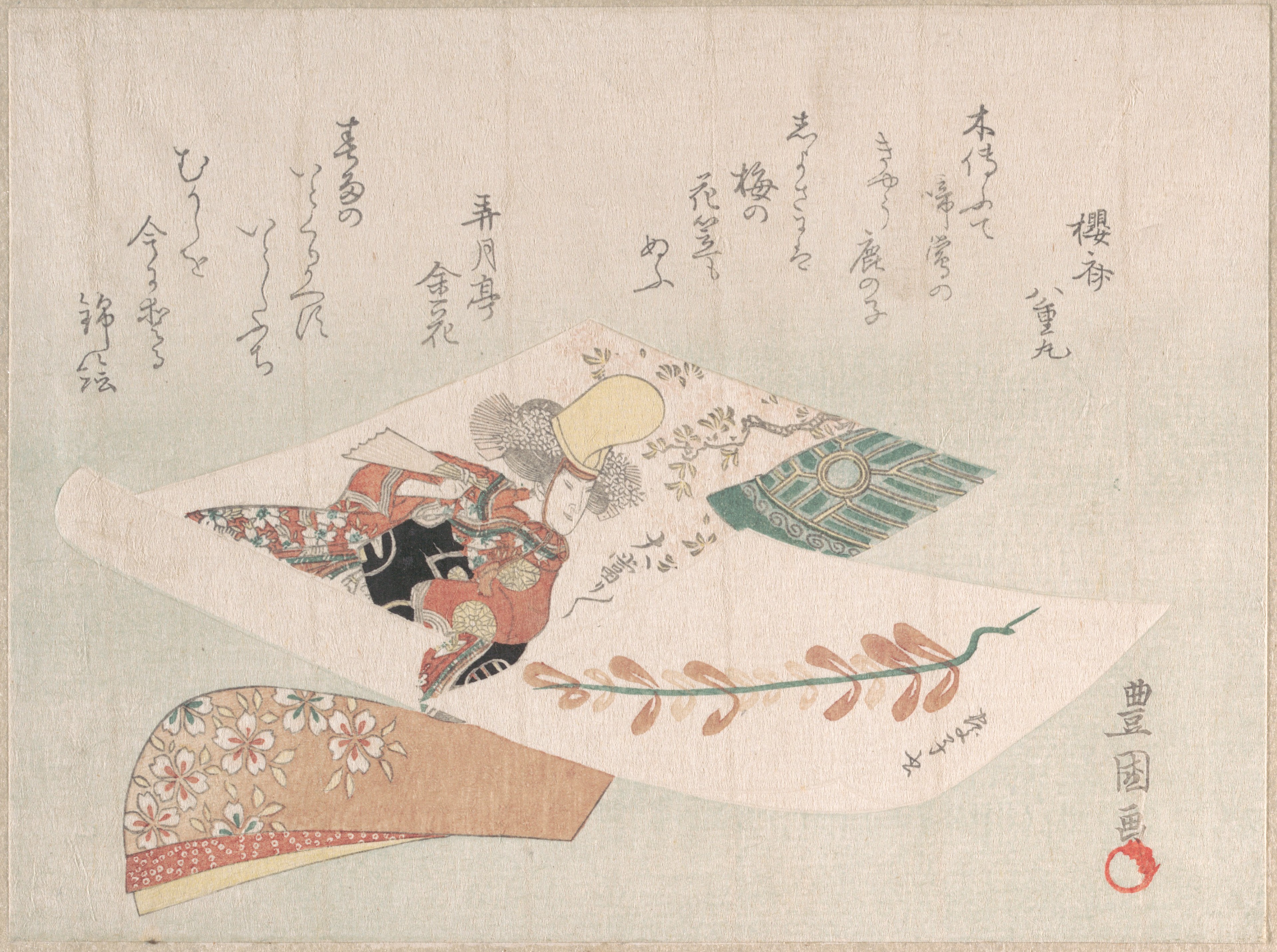
Representation of the Dance-Play "Dōjōji"
Woodblock print (surimono); ink and color on paper
Frequently Asked Questions
The Young Monkey Showman (Wakashu sarumawashi) was created by Utagawa Toyokuni I (歌川豊国) in n.d..