Watonai, Suimen no beninohana (Watonai, Safflower) / Tosei mitate sanju-rokkasen 當盛見立 三十六花撰 (Contemporary Kabuki Actors Likened to Thirty-Six Flowers (Immortals of Poetry))
- Source:
- ukiyo-e.org
Description
From his series Tōsei mitate sanjū-rokkasen (Contemporary Kabuki Actors Likened to Thirty-six Flowers, riffing on the Thirty-six Immortal Poets framework), Utagawa Toyokuni I (1769-1825) here depicts a contemporary kabuki actor in the role of Watonai paired with the safflower (beninohana, literally 'red flower'). The compound mitate framing the series is intricate: it invokes the classical Sanjū-rokkasen (Thirty-six Immortal Poets) tradition but substitutes thirty-six flowers, then assigns each flower a kabuki role and the actor performing it. Such layered allegorical structures were a specialty of late Edo ukiyo-e, flattering the audience's literary and theatrical literacy simultaneously. Watonai is the protagonist of Chikamatsu Monzaemon's celebrated puppet play Kokusen'ya kassen (The Battles of Coxinga, 1715), based on the historical figure Zheng Chenggong, a half-Japanese, half-Chinese loyalist hero of the Ming-Qing transition. The play, adapted repeatedly for kabuki, was among the most popular history dramas of the Edo theatrical repertoire, and Watonai was a heroic role coveted by leading male specialists. The safflower flower carried associations of red dye, cosmetic application, and exotic frontier trade, and its pairing with Watonai (whose narrative crosses Japan and China) plays on these resonances. Toyokuni's design integrates actor portrait, role iconography, and floral reference within a single sophisticated composition. The impression is documented via ukiyo-e.org from a British Museum holding, where the systematic acquisition of Japanese prints established one of the world's most important Utagawa-school survey collections.
More Prints by Utagawa Toyokuni I

Segawa Kikunojō III as the Shop Boy Chōkichi
1796
Woodblock print (nishiki-e), ink and color on paper
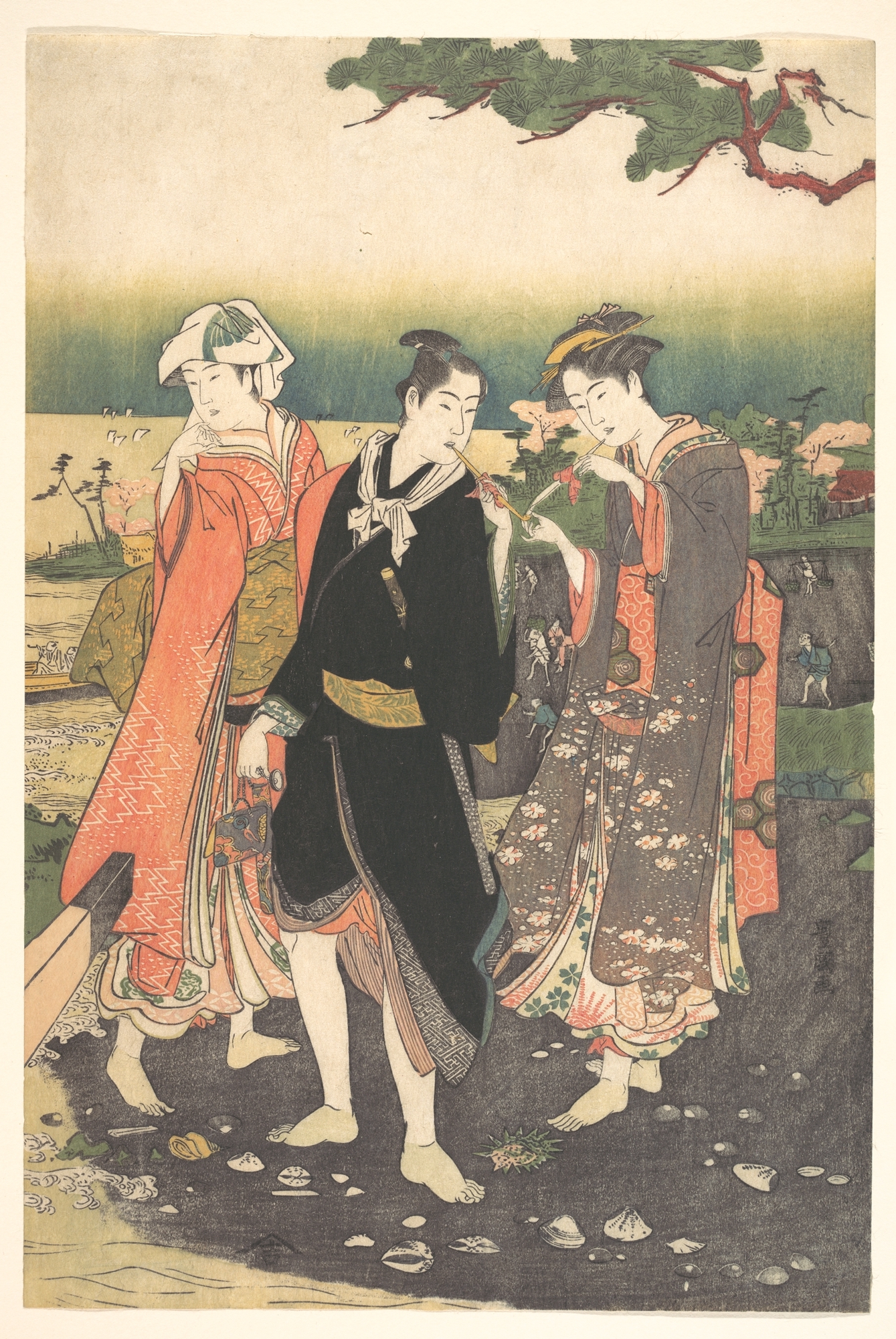
On Shinagawa Beach at Ebb-Tide
1769–1825
Woodblock print; ink and color on paper
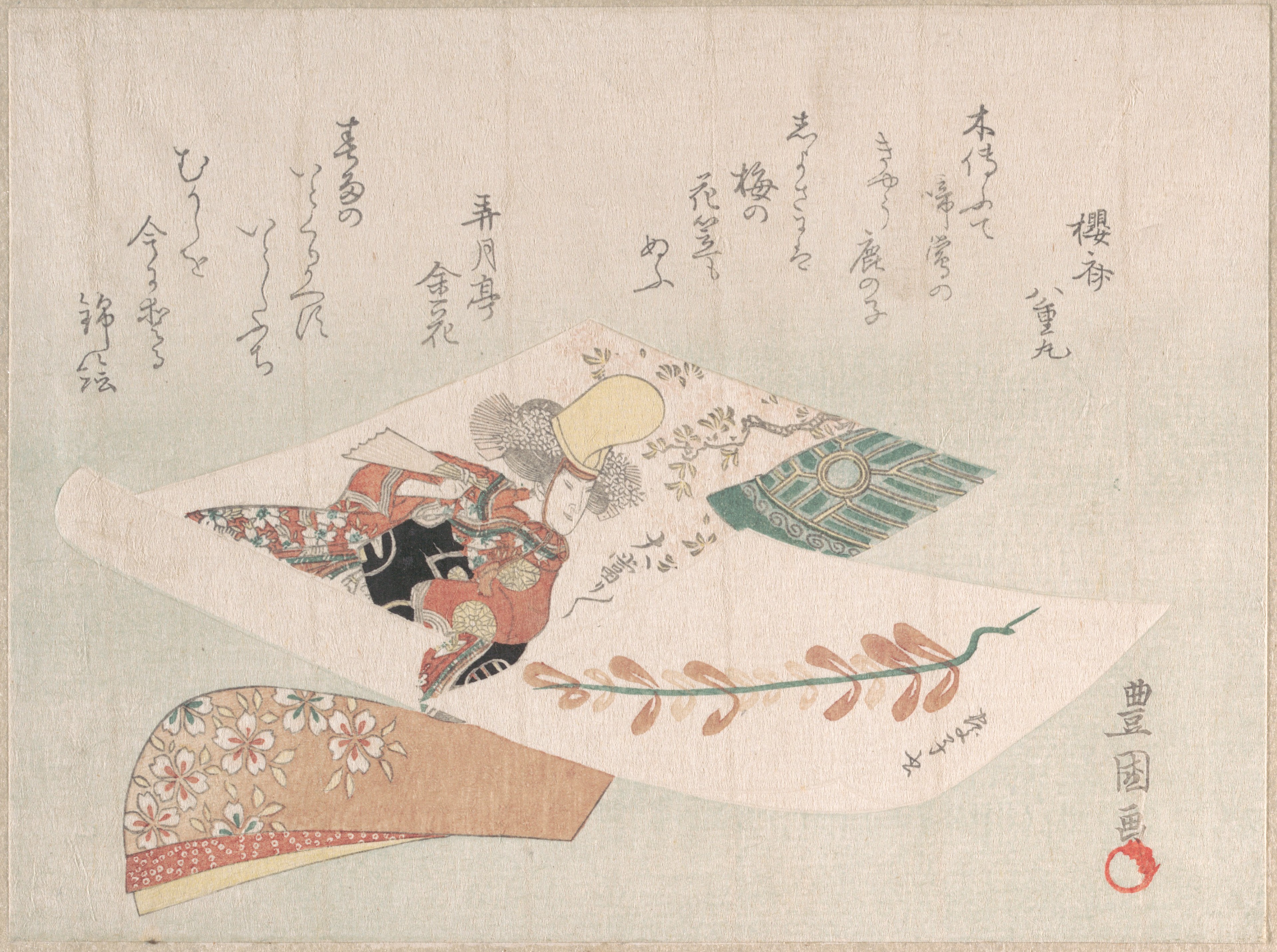
Representation of the Dance-Play "Dōjōji"
Woodblock print (surimono); ink and color on paper

The actors Sawamura Sojuro II as Satsuma Gengobei and Arashi Ryuzo II as Mawashi-otoko Yasuke in the play "Edo Sunago Kichirei Soga," performed at the Miyako Theater on the first month, 1795
c. 1795
Color woodblock print; oban
More Birds & Flowers Prints
Frequently Asked Questions
Watonai, Suimen no beninohana (Watonai, Safflower) / Tosei mitate sanju-rokkasen 當盛見立 三十六花撰 (Contemporary Kabuki Actors Likened to Thirty-Six Flowers (Immortals of Poetry)) was created by Utagawa Toyokuni I (歌川豊国).
Watonai, Suimen no beninohana (Watonai, Safflower) / Tosei mitate sanju-rokkasen 當盛見立 三十六花撰 (Contemporary Kabuki Actors Likened to Thirty-Six Flowers (Immortals of Poetry)) depicts birds & flowers.