
Yamatoya: Iwai Hanshiro IV as Katanaya Ohana, from the series "Portraits of Actors on Stage (Yakusha butai no sugata-e)"
- Date:
- 1794
- Medium:
- Color woodblock print; oban
- Source:
- Art Institute of Chicago
Description
This Utagawa Toyokuni I print belongs to the milestone series Portraits of Actors on Stage (Yakusha butai no sugata-e), the project that secured his reputation as the leading Edo ukiyo-e designer of yakusha-e in the mid 1790s. Here Iwai Hanshiro IV of the Yamatoya house appears in the role of Katanaya Ohana, captured at a charged moment of kabuki performance. Toyokuni shows the figure full-length and clearly outlined against a relatively plain ground, allowing the viewer to read both the actor's specific physiognomy and the rich patterns of his stage costume. The series as a whole positioned Toyokuni as a direct rival to Toshusai Sharaku, whose own actor prints had just stunned the Edo market, but Toyokuni's approach proved more lasting because it balanced individual likeness with the kind of flattering, sellable elegance that mainstream collectors preferred. The Art Institute of Chicago preserves this impression, and its sharp keylines and confident color planes demonstrate the high production standards demanded by competitive Edo publishers. Iwai Hanshiro IV was one of the great onnagata of his day, and Toyokuni's depiction emphasizes the controlled grace through which he transformed himself on stage. As a foundational document of Edo yakusha-e, the sheet shows Utagawa Toyokuni building the visual vocabulary that subsequent Utagawa school designers would carry well into the nineteenth century.
More Prints by Utagawa Toyokuni I

Kabuki Actor Iwai Kumesaburo with abacus

Segawa Kikunojō III as the Shop Boy Chōkichi
1796
Woodblock print (nishiki-e), ink and color on paper
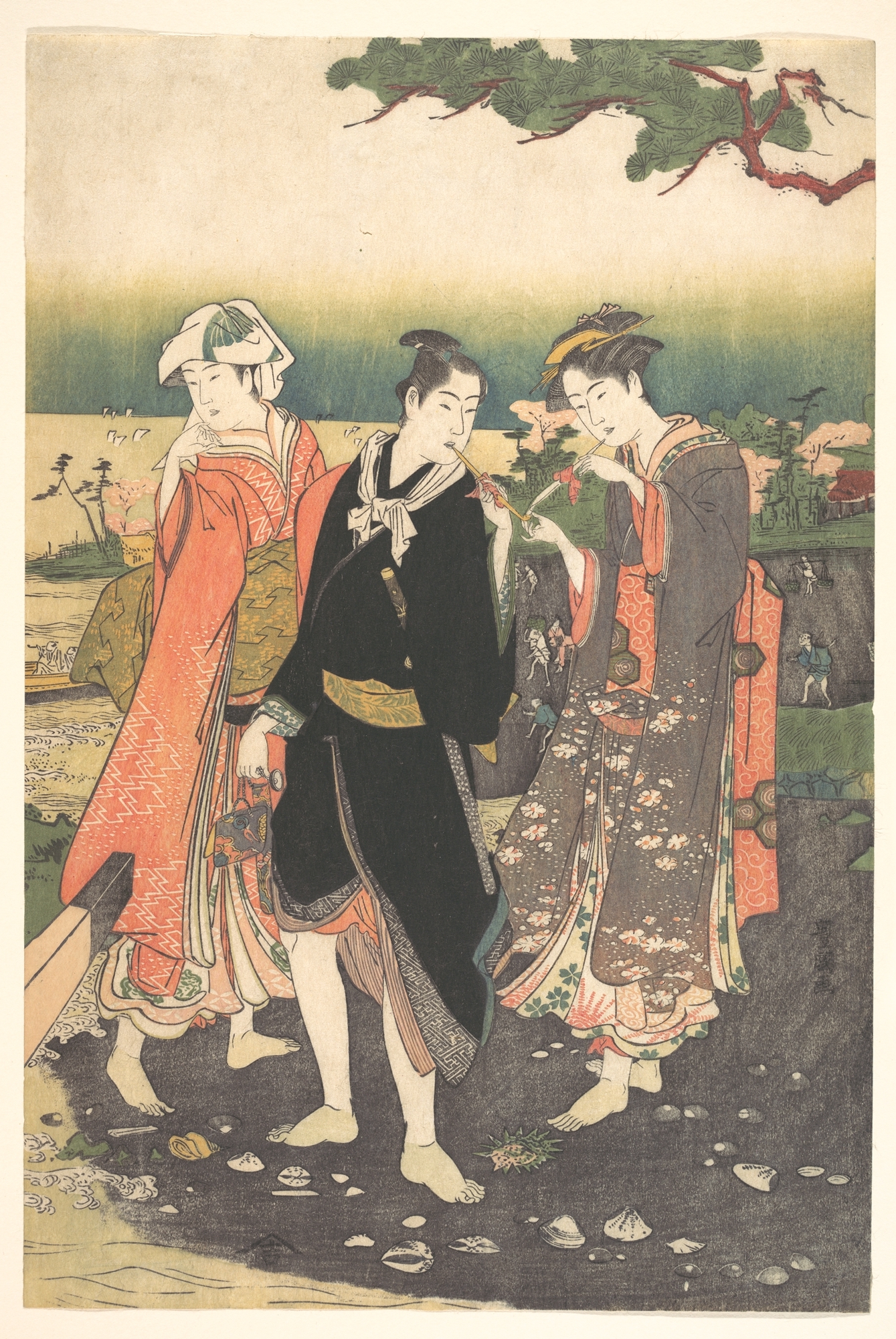
On Shinagawa Beach at Ebb-Tide
1769–1825
Woodblock print; ink and color on paper
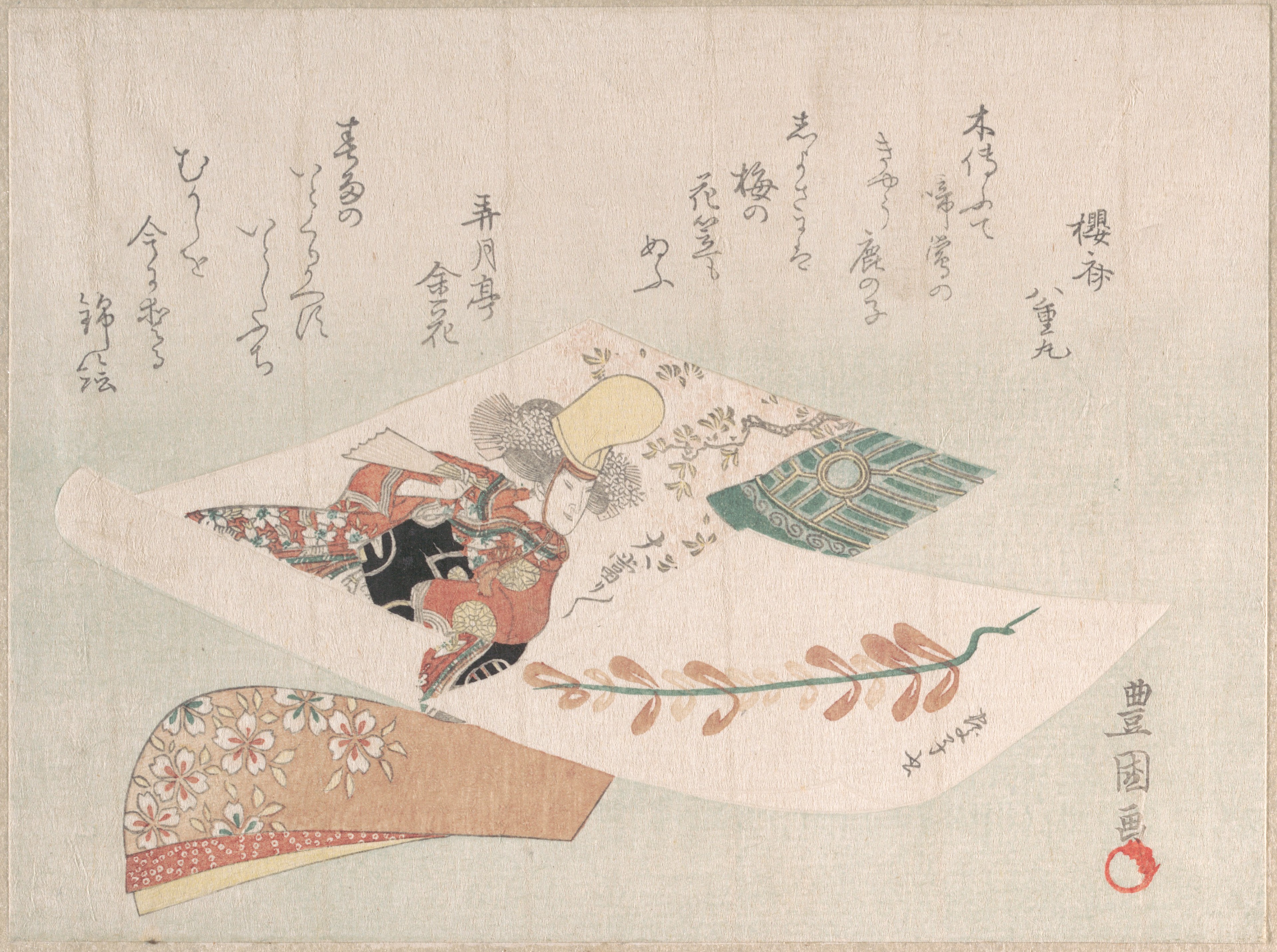
Representation of the Dance-Play "Dōjōji"
Woodblock print (surimono); ink and color on paper
Frequently Asked Questions
Yamatoya: Iwai Hanshiro IV as Katanaya Ohana, from the series "Portraits of Actors on Stage (Yakusha butai no sugata-e)" was created by Utagawa Toyokuni I (歌川豊国) in 1794.