
Yamatoya: Iwai Hanshiro IV as Okaru, from the series "Portraits of Actors on Stage (Yakusha butai no sugata-e)"
- Date:
- 1795
- Medium:
- Color woodblock print; oban
- Source:
- Art Institute of Chicago
Description
Utagawa Toyokuni I shows Iwai Hanshiro IV of the Yamatoya house in the role of Okaru as part of his pivotal Edo ukiyo-e series Portraits of Actors on Stage (Yakusha butai no sugata-e). Okaru is the loyal, suffering female figure of Kanadehon Chushingura, one of the most beloved kabuki dramas of the period, and her grace under tragic circumstance was a benchmark role for any leading onnagata. Toyokuni captures Iwai Hanshiro IV with refined attention to facial structure and gesture, allowing the actor's specific features to remain visible beneath the conventions of feminine stage portrayal. The sheet operates simultaneously as portrait, theatrical document, and fashion plate, presenting the layered kimono and hairstyle that Edo audiences associated with the role. The Art Institute of Chicago preserves the impression, whose precise keyline drawing and saturated color blocks reflect the high production standards of the Yakusha butai no sugata-e project. Through this series Toyokuni I established himself as the most commercially successful designer of yakusha-e in late-eighteenth-century Edo, eclipsing rival approaches such as the radical bust-length experiments of Toshusai Sharaku. As a representative late example of the series, this print also marks a stage in Utagawa Toyokuni's development toward the full-figure, performance-rooted yakusha-e style that the Utagawa school would carry forward into the next century, making it especially significant within his broader oeuvre.
More Prints by Utagawa Toyokuni I

Kabuki Actor Iwai Kumesaburo with abacus

Segawa Kikunojō III as the Shop Boy Chōkichi
1796
Woodblock print (nishiki-e), ink and color on paper
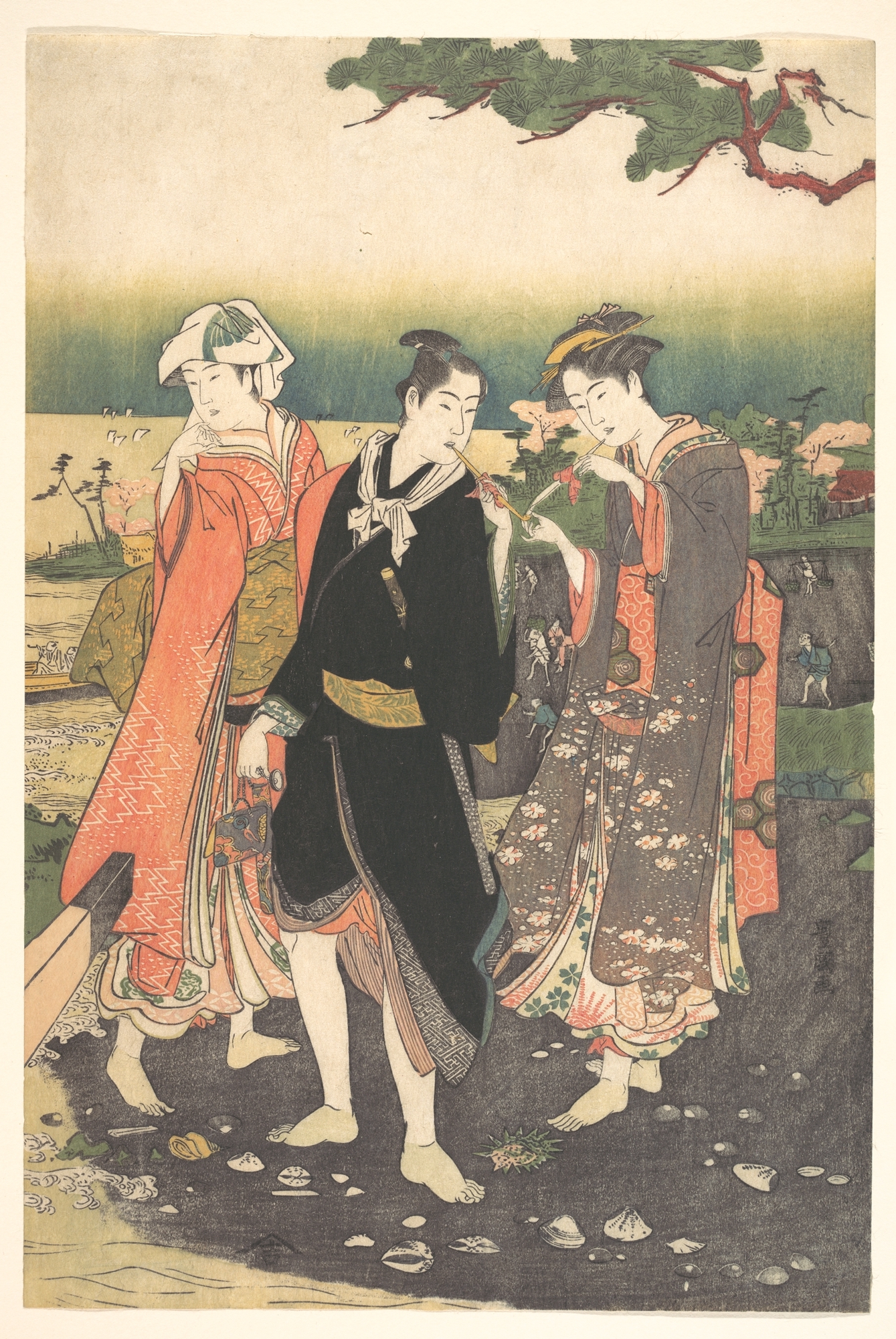
On Shinagawa Beach at Ebb-Tide
1769–1825
Woodblock print; ink and color on paper
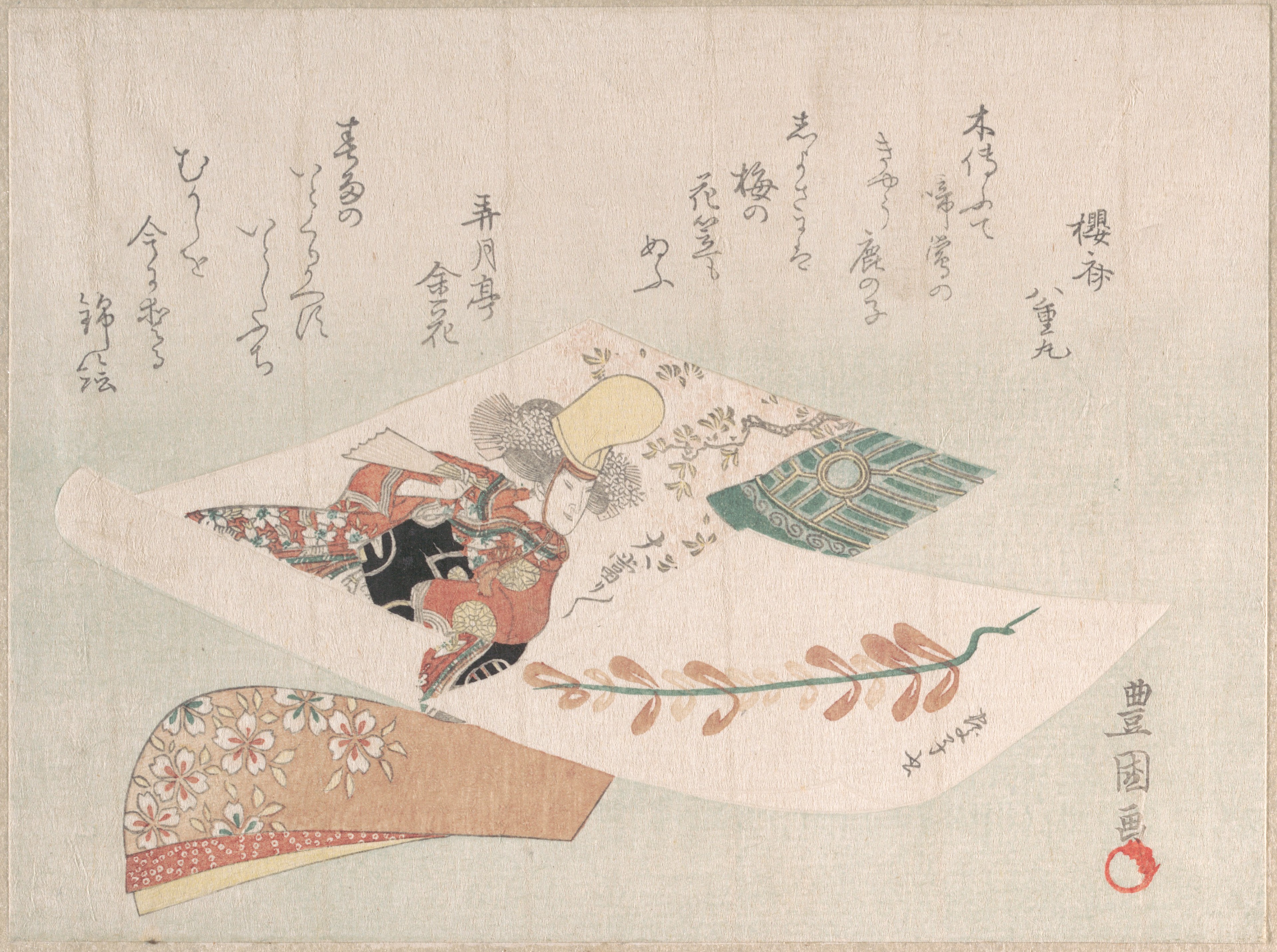
Representation of the Dance-Play "Dōjōji"
Woodblock print (surimono); ink and color on paper
Frequently Asked Questions
Yamatoya: Iwai Hanshiro IV as Okaru, from the series "Portraits of Actors on Stage (Yakusha butai no sugata-e)" was created by Utagawa Toyokuni I (歌川豊国) in 1795.