
Dutch Ship
- Date:
- 1861
- Medium:
- Woodblock print (nishiki-e); ink and color on paper
- Source:
- Metropolitan Museum of Art
Description
This 1861 color woodblock print (nishiki-e), ink and color on paper, held by the Metropolitan Museum of Art (accession number 2007.49.236), depicts a Dutch merchant ship of the kind that had moored in Japanese ports for two centuries before the broader opening of the treaty ports in 1859. The image measures 35.6 by 24.1 centimeters and renders the vessel with the close attention to hull, rigging, and flag iconography that defined Yokohama-e depictions of Western maritime technology. The Netherlands occupied a peculiar position in the Bakumatsu visual imagination: the Dutch had been the only European nation permitted continuous trading rights with Tokugawa Japan, through the small artificial island of Dejima at Nagasaki, throughout the two and a half centuries of the sakoku (closed-country) policy. Dutch ships, Dutch merchants, and Dutch books were therefore the longest-established symbols of Western contact in the Japanese visual repertoire, and Dutch subjects in early Yokohama-e drew on a deeper iconographic tradition than depictions of Americans, English, or Russians. Yoshitomi's print combines this established Dutch-ship iconography with the new visual conventions of the treaty-port genre, producing a precise and economical maritime image. It is signed in the Utagawa lineage and entered the Metropolitan Museum's collection in 2005 through the Bequest of William S. Lieberman.
More Prints by Utagawa Yoshitomi
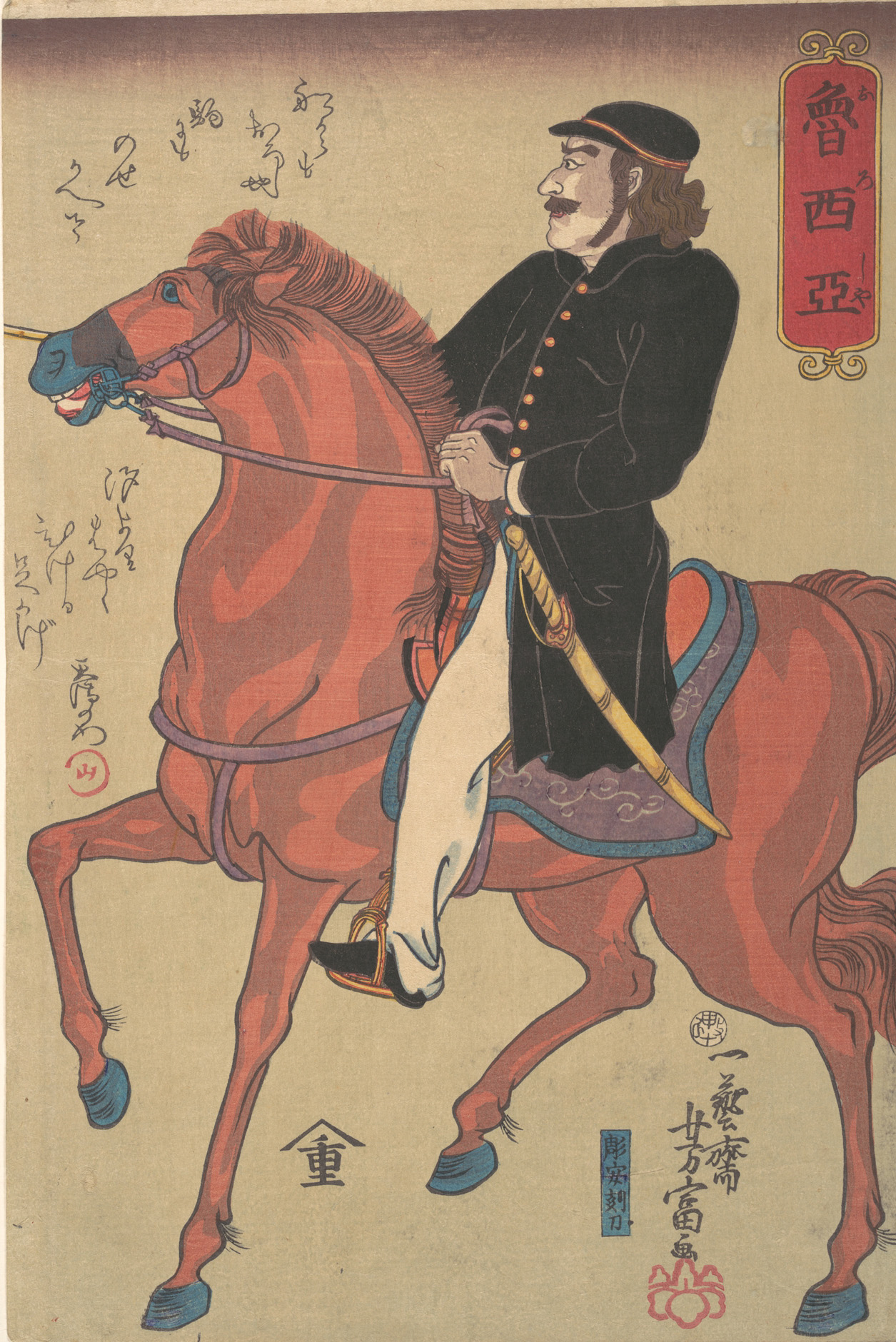
Russian Horseman
10th month, 1860
Woodblock print (nishiki-e); ink and color on paper
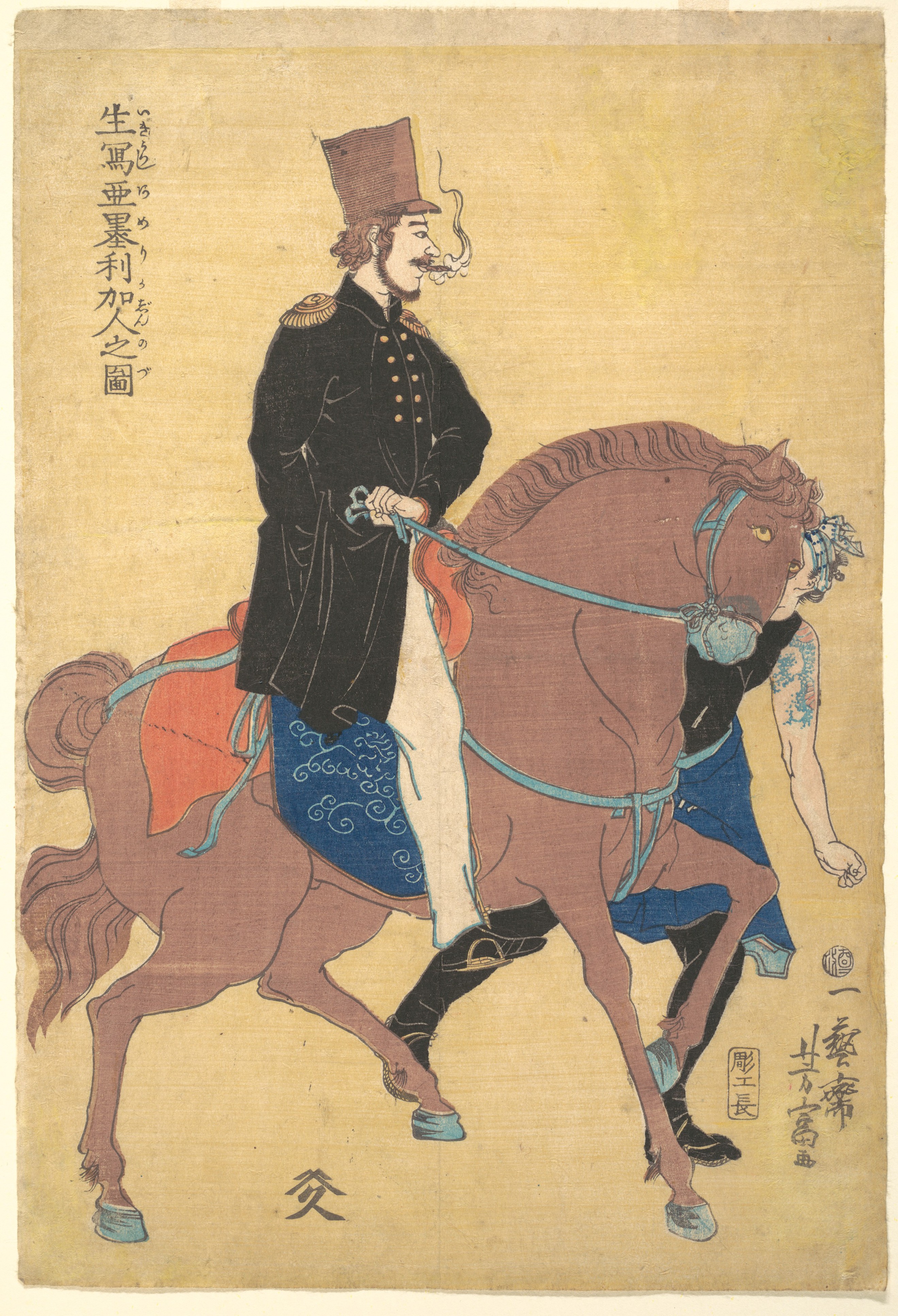
An American Drawn from Life
1861
Woodblock print (nishiki-e); ink and color on paper
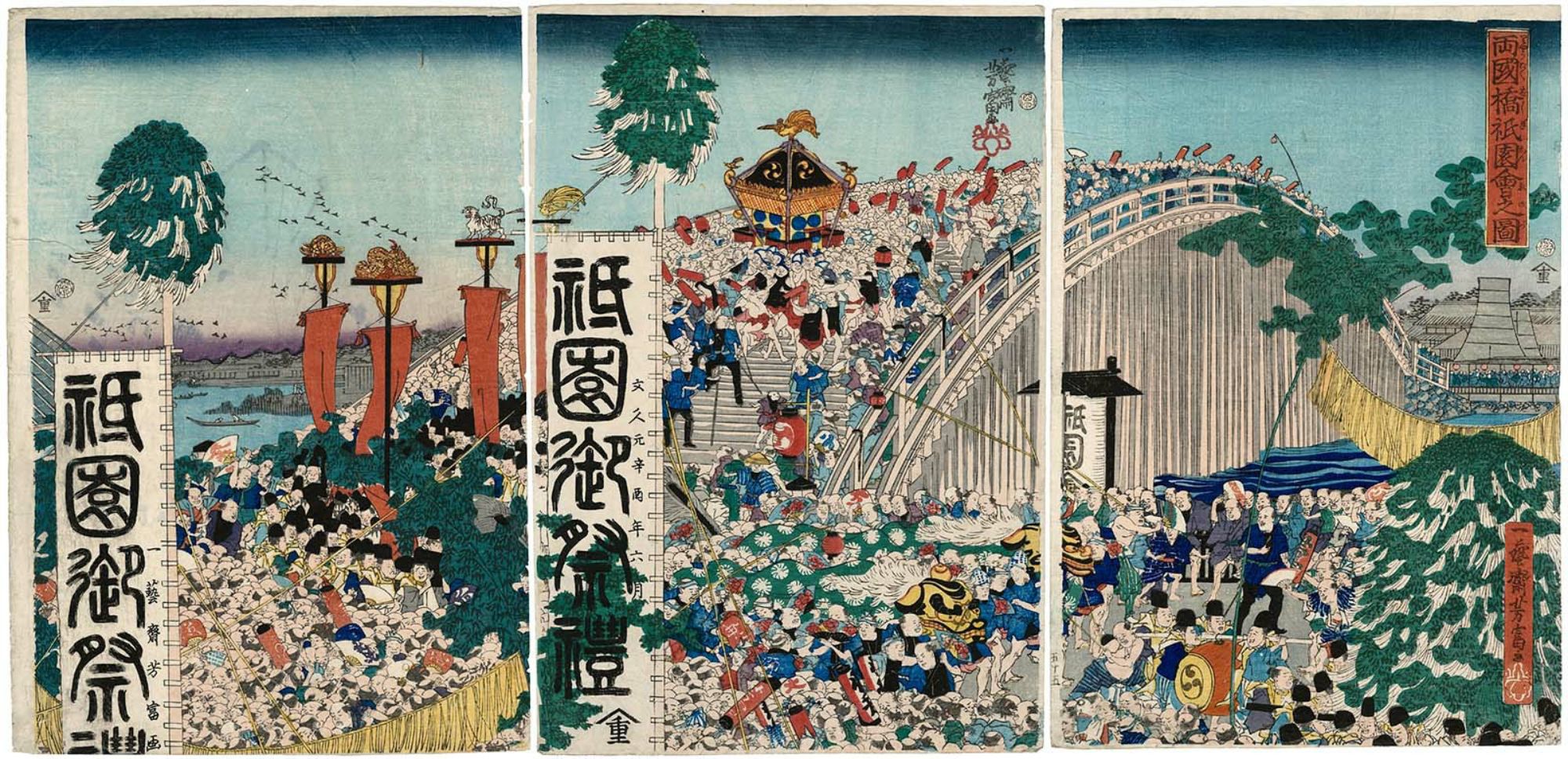
Gion Festival at Ryogoku Bridge (Ryogoku-bashi Gion-e no zu)
両国橋祇園会之図
Edo period
Color woodblock print (nishiki-e); ink and color on paper
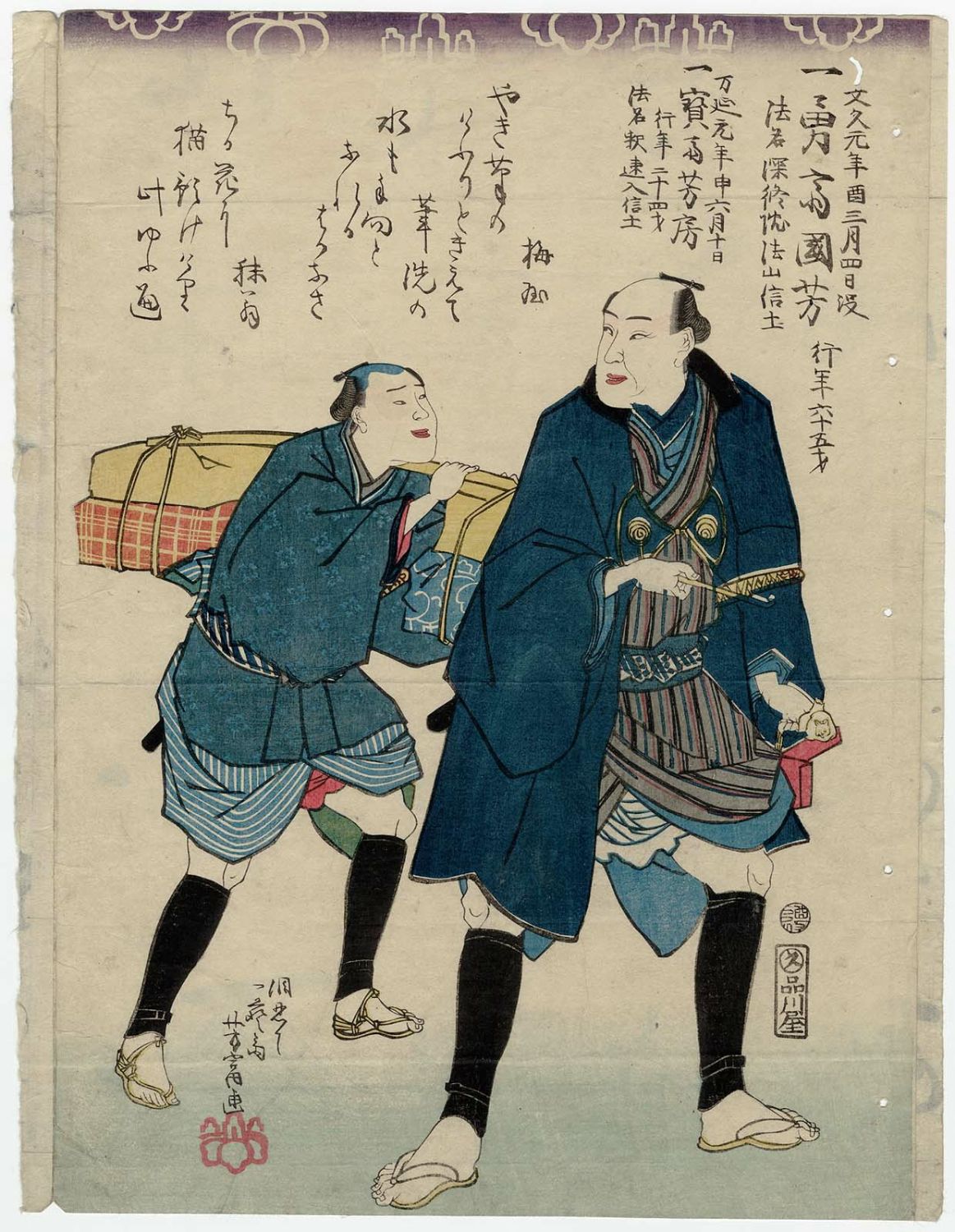
Memorial Portrait of Ichiyusai Kuniyoshi
一勇齋國芳死絵
1861
Color woodblock print (nishiki-e); ink and color on paper
Frequently Asked Questions
Dutch Ship was created by Utagawa Yoshitomi (歌川芳富) in 1861.