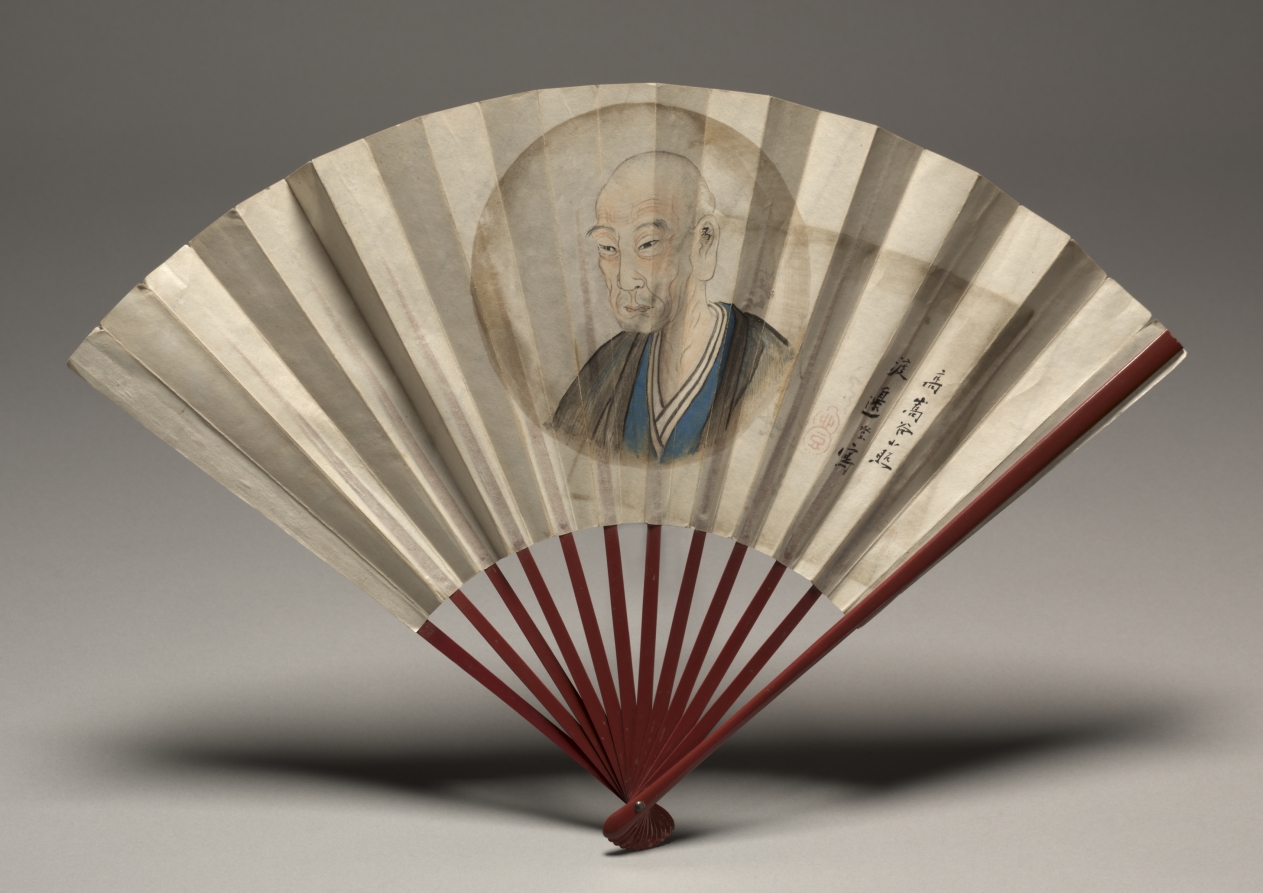
Portrait of Kō Sūkoku
- Date:
- possibly 1817
- Medium:
- Fan, wood with ink, color, gold, and silver on paper
- Source:
- Cleveland Museum of Art
Description
Portrait of Kō Sūkoku, attributed to around 1817, is a small fan painting by Watanabe Kazan (渡辺崋山, 1793-1841) held in the Cleveland Museum of Art (accession 1976.8). Executed in ink, color, gold, and silver on paper and mounted on a wooden folding-fan armature at 17.8 by 45.7 centimeters, the work is a portrait of the late Edo painter Kō Sūkoku (1730-1804), whom Kazan would have known only through the older artist's reputation and surviving likenesses. The fan format places Kazan's experiment in Western-influenced portraiture into one of the most quintessentially literati and intimate of Japanese painting supports: fans were exchanged among friends and colleagues as carefully considered personal gifts, and the placement of a portrait subject within their arched compositional field was a delicate technical problem. The use of gold and silver alongside ink and color reflects the refined taste of the kakemono-yoko-e and fan-painting tradition. As an early example of Kazan's portrait practice from his mid-twenties, the work documents the formation of the portrait idiom that would define his mature career.
More Prints by Watanabe Kazan
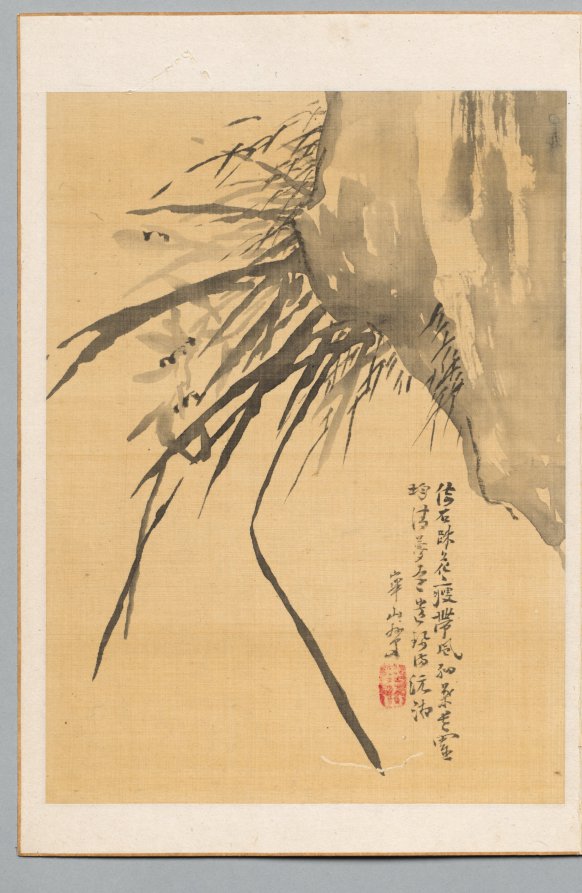
Orchid
early to mid-1800s
Leaf from folding album; ink and light color on paper
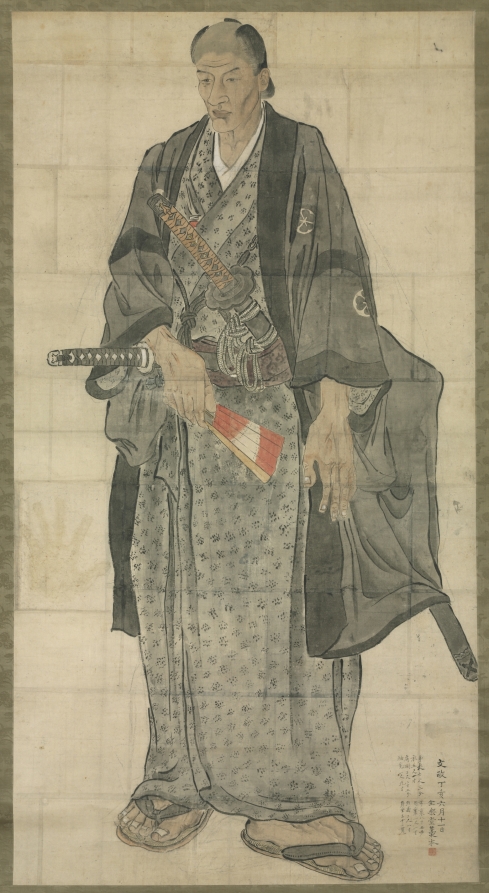
Portrait of Ōzora Buzaemon
1827
Hanging scroll; ink and color on paper
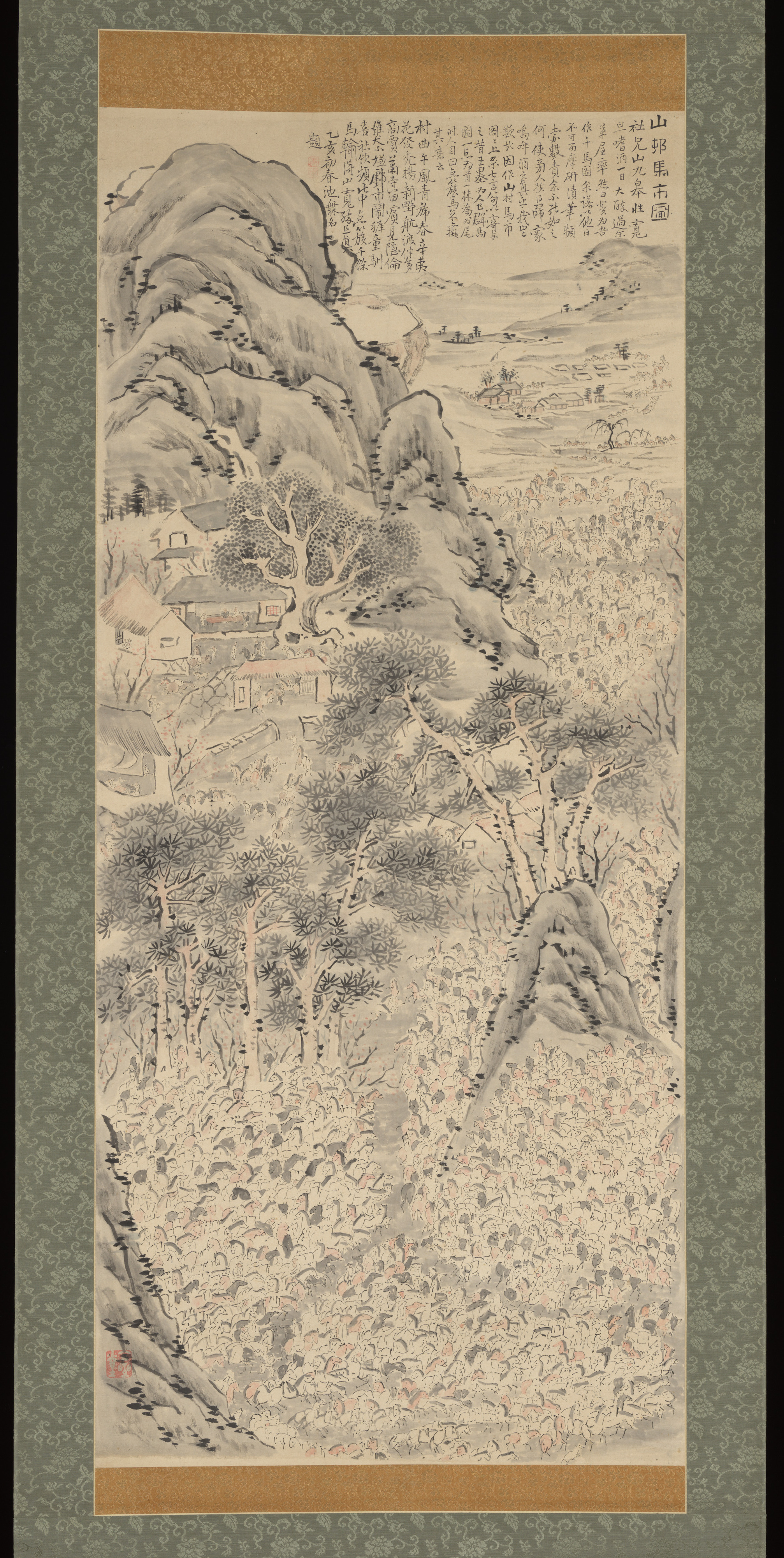
After Ike no Taiga's "Horse Market in a Mountain Village"
1820s
Hanging scroll; ink and color on paper
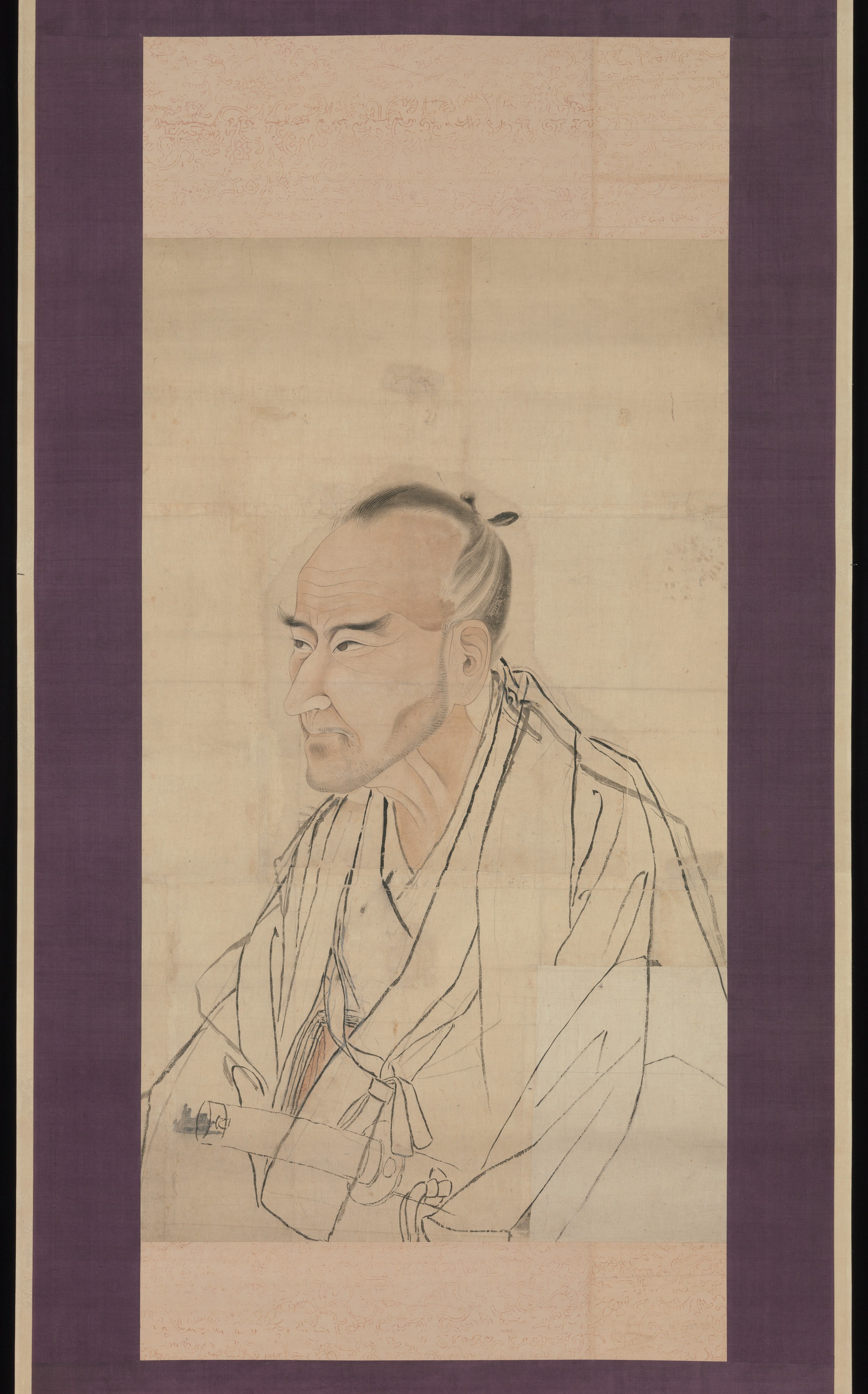
Sketch for the Portrait of Tachihara Suiken
ca. 1823
Hanging scroll; ink and color on paper
Frequently Asked Questions
Portrait of Kō Sūkoku was created by Watanabe Kazan (渡辺崋山) in possibly 1817.