
Toy horses
- Source:
- ukiyo-e.org
Description
Toy Horses is an unexpected and charming departure from Yamamura Toyonari's predominantly actor-focused output, recorded through ukiyo-e.org from a Western collector source. Rather than a kabuki performer in role, the print depicts traditional Japanese toy horses — folk craft objects in the lineage of harukoma and other regional papier-mache or carved-wood toys that were collected and celebrated by Taisho-era artists and folk-craft enthusiasts as embodiments of Japanese vernacular design. Toyonari's interest in such a subject sits comfortably within the broader cultural moment that also produced the mingei folk-craft movement under Yanagi Soetsu, in which printmakers and craftspeople turned attention to anonymously made everyday objects as carriers of indigenous aesthetic value. The print exemplifies how the shin-hanga workshop technique — designer, carver, and printer collaborating on multiple cherry-wood blocks impressed onto handmade washi paper, with careful bokashi gradation and restrained color choices — could be turned from kabuki portraiture to still-life and folk-object subjects without losing its characteristic refinement. For an artist who otherwise dedicated his small body of work to yakusha-e and the documentation of leading Taisho-era actors such as Matsumoto Koshiro VII and Nakamura Ganjiro, Toy Horses offers a quieter, more domestic image, and it broadens the picture of Toyonari, also recorded as Yamamura Koka, as a designer attuned to the full breadth of Japanese visual culture in the early twentieth century. For collectors of Japanese woodblock prints, prints like this complement the actor portraits and round out an understanding of his sensibility within the wider shin-hanga revival.
More Prints by Yamamura Toyonari

Actor Ichikawa Danshirō II as Henmi Tesshinsai
1919
Woodblock print, ink and color on paper
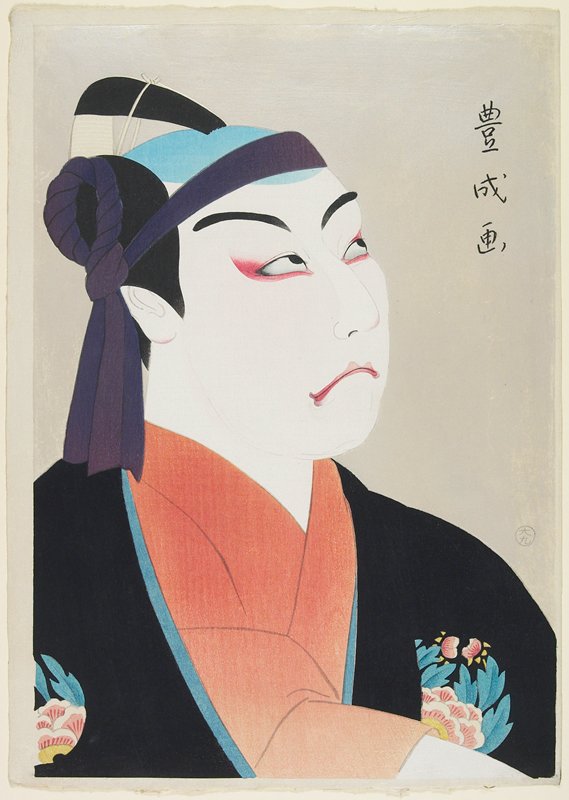
Actor Matsumoto Kōshirō VII as Sukeroku
1920
Woodblock print, ink and color on paper with mica
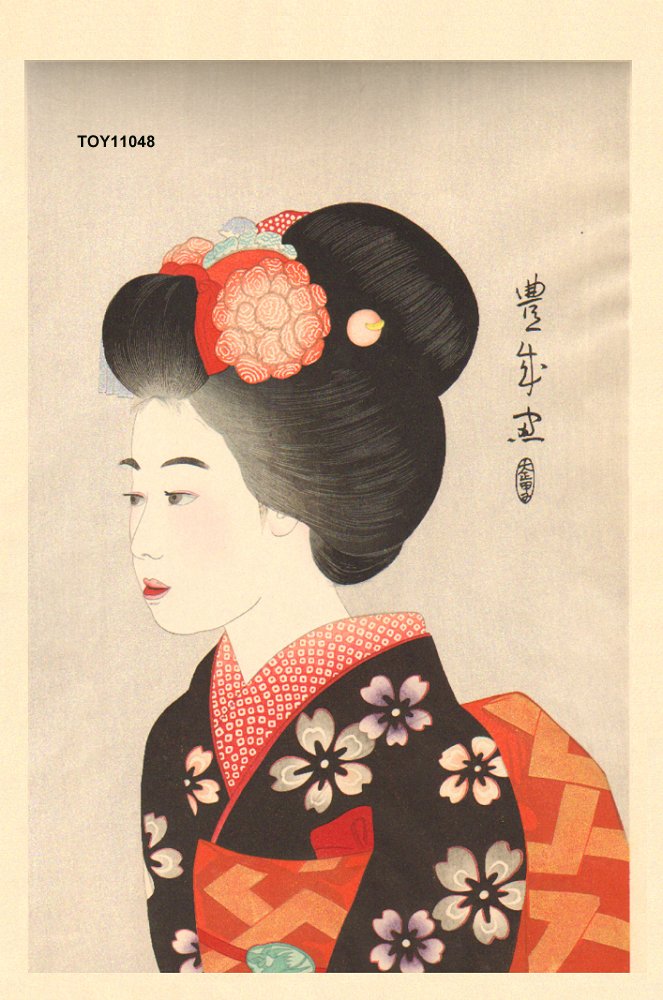
After Yamamura, Toyonari
Woodblock print

Dancing at the New Carlton Café in Shanghai
1924
Woodblock print, ink and color on paper with mica
Featured in Collections
Curated cross-cuts that include this print.
Frequently Asked Questions
Toy horses was created by Yamamura Toyonari (山村豊成).