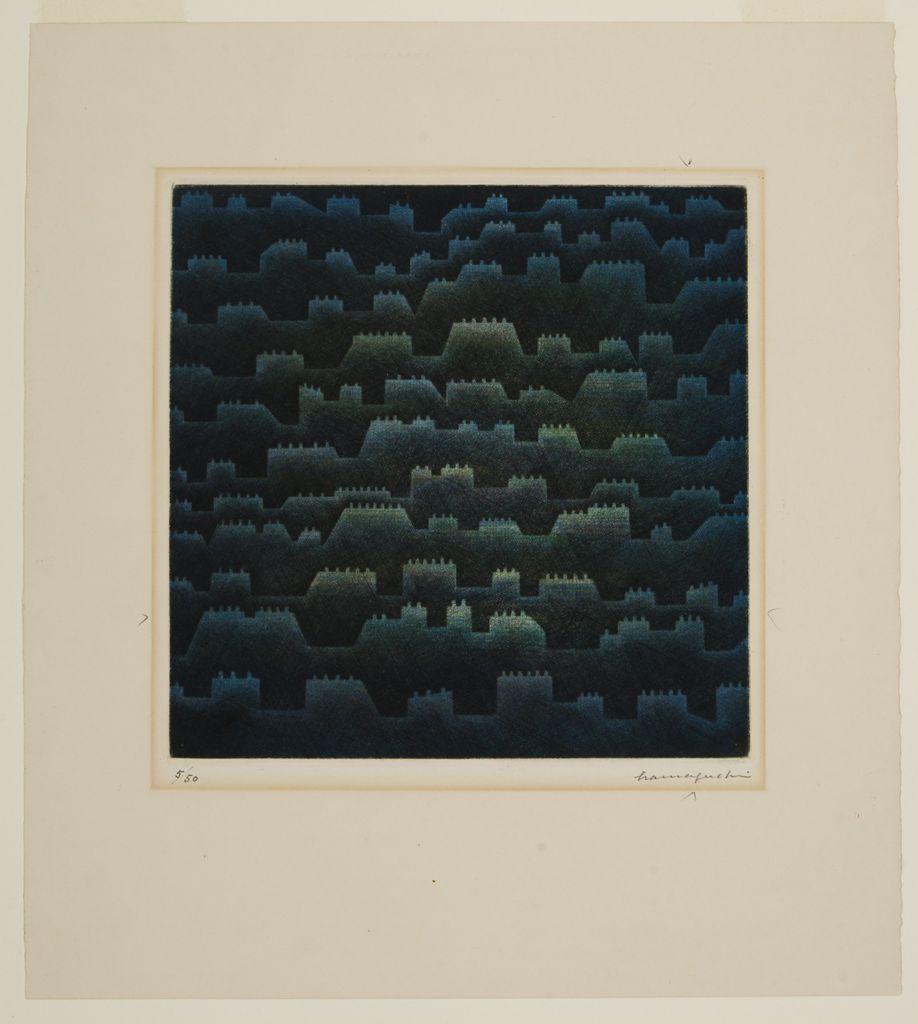
Roofs of Paris
- Medium:
- Woodblock print
- Source:
- Harvard Art Museum
- Image courtesy of
- Harvard Art Museum
Description
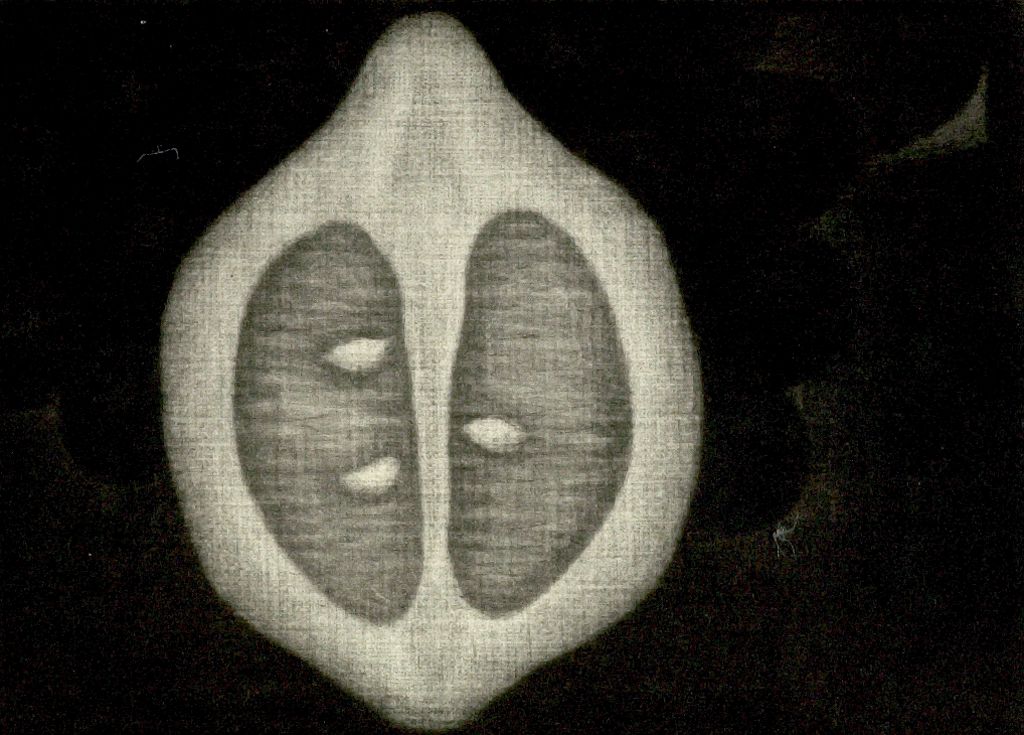
Roofs of Paris draws on Hamaguchi's decades of residence in the city and his sustained interest in architectural subjects as alternatives to the still-life objects that dominate his output. A rooftop view of Haussmann-era buildings—zinc mansard roofs, chimney stacks, dormer windows—offered a geometric subject well-suited to the mezzotint's capacity for rendering varied surface textures: the dull matte of aged zinc, the regular pattern of slate tiles, the irregular profiles of chimney pots against the sky. Hamaguchi likely approached the composition from an upper-floor vantage point, as was common in Montparnasse or similar neighborhoods where artists maintained studios. The absence of figures keeps the composition in the realm of architectural study rather than urban genre. Rooftop subjects had a long precedent in printmaking traditions Hamaguchi would have known, from Meryon's Paris etchings to the modernist urban prints produced by École de Paris printmakers. His treatment, filtered through the mezzotint's characteristic tonality, replaces Meryon's gothic drama with a quieter, more observational attention to surface and light.
More Prints by Yozo Hamaguchi
More Urban Scenes Prints
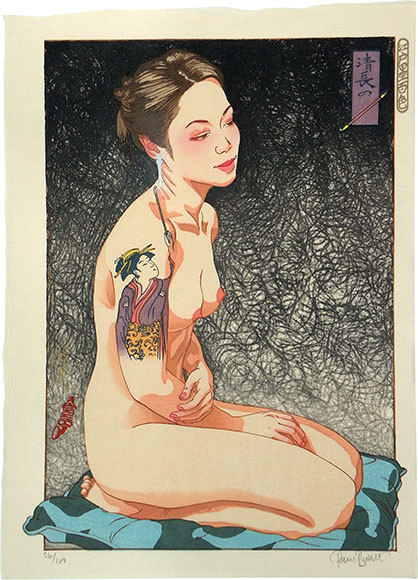
A Hundred Shades of Ink of Edo: Kiyonaga's Pipe (Edo zumi hyaku shoku: Kiyonaga no kiseru)
Woodblock print

View of Kabuki Theater from Matsuya (Ginza Matsuya yori Kabukiza), no. 3 from the series "Pictures of Ginza, First Series (Gashu Ginza dai isshu)"
1928
Color lithograph

Distant View of Mitsukoshi Movie Theater in Shinjuku from the Sixth Floor of Hoteiya (Hoteiya rokkai kara Shinjuku Mitsukoshi Musashi no kan enbo zu), no. 1 from the series "Scenery of Shinjuku (Gashu Shinjuku fukei)"
1930
Color lithograph
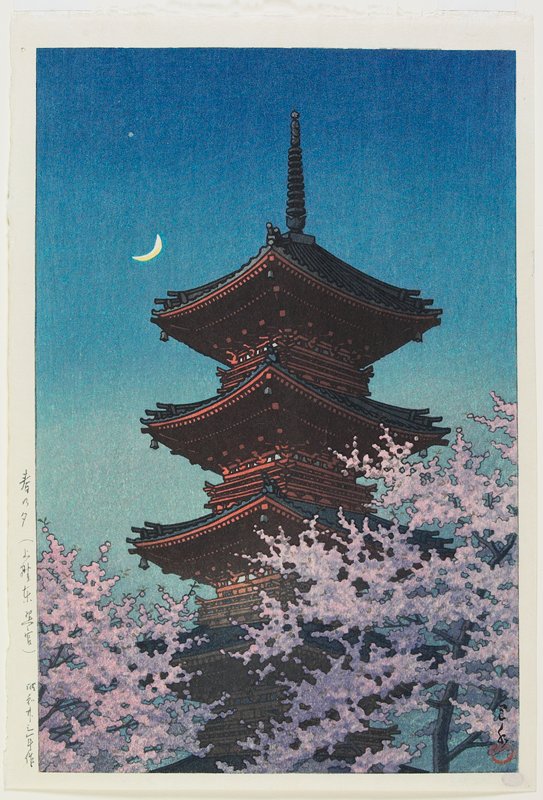
Spring Dusk at the Tōshō Shrine in Ueno
1948
Woodblock print, ink and color on paper
Featured in Collections
Curated cross-cuts that include this print.
Frequently Asked Questions
Roofs of Paris was created by Yozo Hamaguchi (浜口陽三).
Roofs of Paris uses Mezzotint, on woodblock print.
Roofs of Paris depicts urban scenes and architecture.