
Biography
Hideo Hagiwara (萩原英雄, 1913–2007) was a sosaku-hanga printmaker whose abstract woodblock prints — built up from many separately carved and printed blocks — achieved a luminous, layered depth that expanded the expressive range of the medium. Regarded as one of the foremost creative-print artists of postwar Japan, he found in abstraction a bridge between Japanese aesthetic traditions and modernism, and his work was widely honored at international print biennales.
Hagiwara was born in 1913 in Kofu, Yamanashi Prefecture. He studied oil painting at the Tokyo School of Fine Arts, graduating from its oil-painting section in 1938; while a student he also attended Un'ichi Hiratsuka's extracurricular woodblock-printing course, an early encounter with the medium to which he would later devote himself. His turn to printmaking was indirect, delayed by military conscription during the Second World War and the deprivation of the postwar years, in which he lost his home, his studio, and nearly all of his early work.
Around 1950, having recovered enough to work again, Hagiwara began making sosaku-hanga in the movement's defining spirit — the artist designing, carving, and printing each impression himself. He produced both figurative and abstract prints at first, but over the later 1950s he committed himself to abstraction, and it was his abstract prints that established his reputation at home and abroad. He often carved or scratched his designs directly into the block without preparatory drawings, and he was an inventive technician, developing methods such as scratching into blocks through the back of the paper, composing images from cut-up blocks, and coaxing quasi-lithographic effects from wood.
Hagiwara worked in thematic series, among them Soil, Stone Flower, Man in Armor, and Fantasy, along with others drawn from mythology and folklore. In these he layered successive impressions of transparent color from carefully registered blocks, each layer modifying the tones beneath it to build an optical depth uncommon in woodblock printing. His Stone Flower series, shown at the International Tokyo Print Biennale in 1960, is among his best-known bodies of work.
International recognition followed. Hagiwara received major awards at international print competitions, including the Tokyo, Krakow, Ljubljana, Banska, and Lugano biennales, and by the 1960s he was widely regarded as one of the leading figures of Japanese creative printmaking. His work entered important public collections, including the British Museum and the Victoria and Albert Museum in London, and in 2001 he was included as a representative of contemporary Japanese art in the British Museum's "100 Views of Mount Fuji" exhibition.
Hagiwara remained active late in his life, dying on November 4, 2007, at the age of ninety-four. His legacy resides in the demonstration that the woodblock — a medium often associated with flatness and bold outline — could yield effects of atmospheric depth and chromatic subtlety to rival any printmaking technique.
Key Facts
- Active Period
- 1913–2007
- Nationality
- 🇯🇵Japan
- Movement
- Sōsaku-hanga
- Works Indexed
- 161
Frequently Asked Questions
Hideo Hagiwara (萩原英雄, 1913–2007) was a sosaku-hanga printmaker whose abstract woodblock prints — built up from many separately carved and printed blocks — achieved a luminous, layered depth that expanded the expressive range of the medium. Regarded as one of the foremost creative-print artists of postwar Japan, he found in abstraction a bridge between Japanese aesthetic traditions and modernism, and his work was widely honored at international print biennales.
Hideo Hagiwara was active from 1913 to 2007. They were associated with the Sōsaku-hanga movement.
Hideo Hagiwara's work was shaped by the Sōsaku-hanga tradition in Japanese woodblock printmaking. Sōsaku-hanga: ## What is sōsaku-hanga? Sōsaku-hanga (創作版画, "creative prints") was a twentieth-century Japanese print movement defined by a single commitment: the artist must design, carve, and print every work alone.
Hideo Hagiwara's prints frequently feature abstract, landscapes, figures, night scenes, mount fuji, birds & flowers.
Original prints by Hideo Hagiwara can be found in collections including Harvard Art Museums, Minneapolis Institute of Art, Art Institute of Chicago, Japanese Art Open Database.
Woodblock Prints by Hideo Hagiwara (161)

A Trap No. 2
Mokuhanga (Japanese woodblock)

At the end of the sea of clouds
Mokuhanga (Japanese woodblock)

Snow and more
Mokuhanga (Japanese woodblock)

Autumnal stream
Mokuhanga (Japanese woodblock)

Ancient Fish
Mokuhanga (Japanese woodblock)

Autumn near the Prefectural border
Mokuhanga (Japanese woodblock)

Mountain after mountain
Mokuhanga (Japanese woodblock)

Harvest time
Mokuhanga (Japanese woodblock)

Sleet is coming
Mokuhanga (Japanese woodblock)

Burning sky
Mokuhanga (Japanese woodblock)

Beyond the smoke
Mokuhanga (Japanese woodblock)

Summer grass
Mokuhanga (Japanese woodblock)

Lake Kawaguchi
Mokuhanga (Japanese woodblock)

Tropical fish
Mokuhanga (Japanese woodblock)

Spring snow
Mokuhanga (Japanese woodblock)

Sunset (Mount Fuji in a sea of clouds)
Mokuhanga (Japanese woodblock)
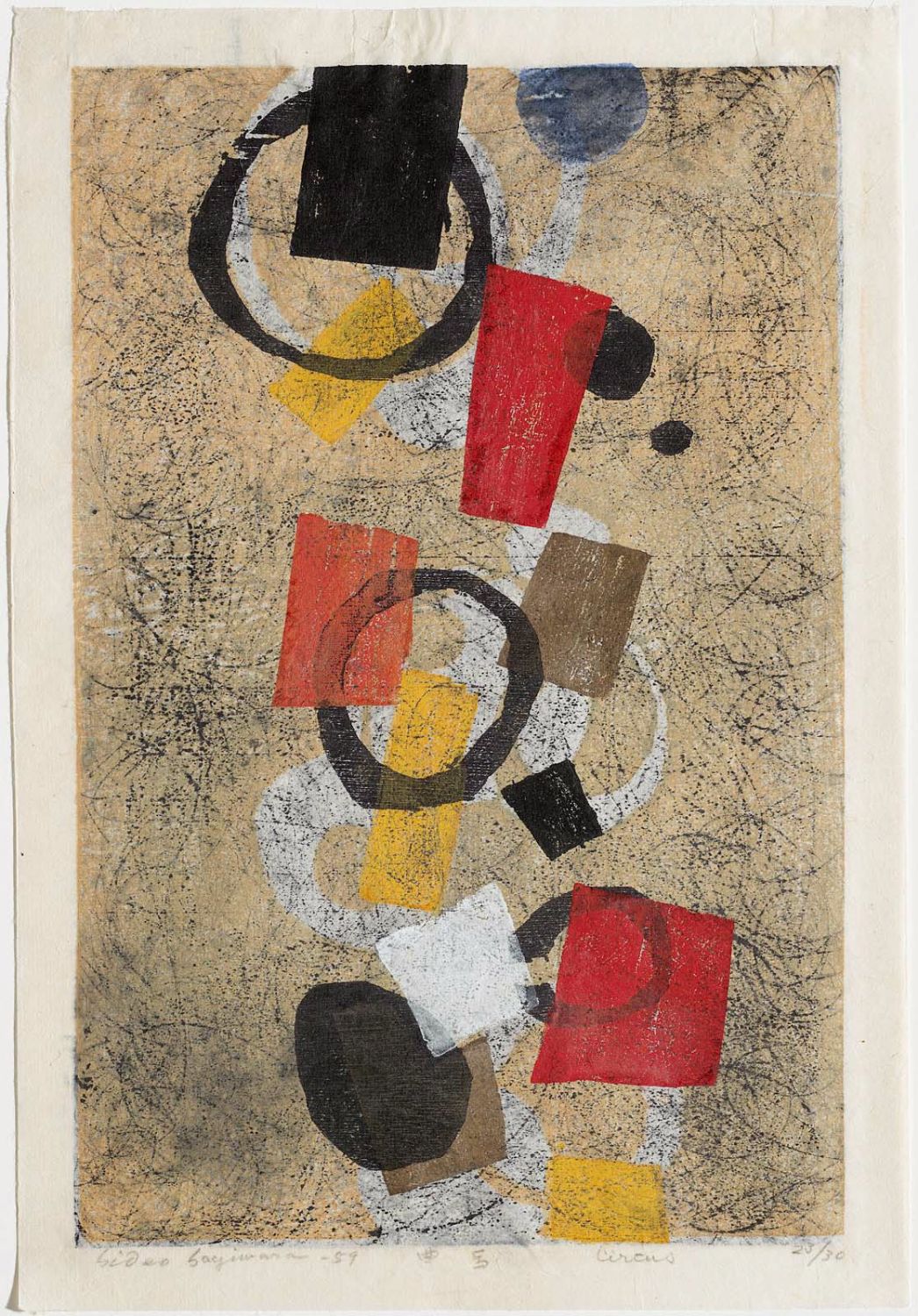
Circus (Kyokuba)
Woodblock print
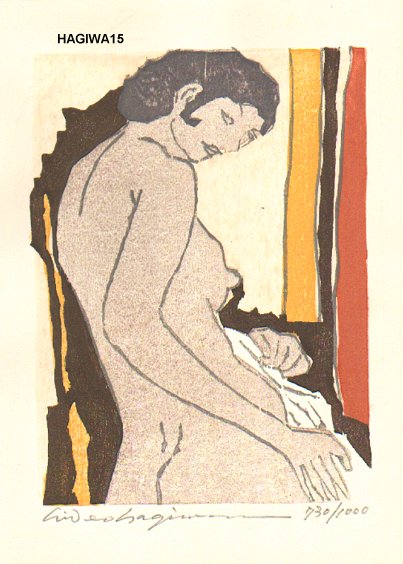
Nude
Woodblock print
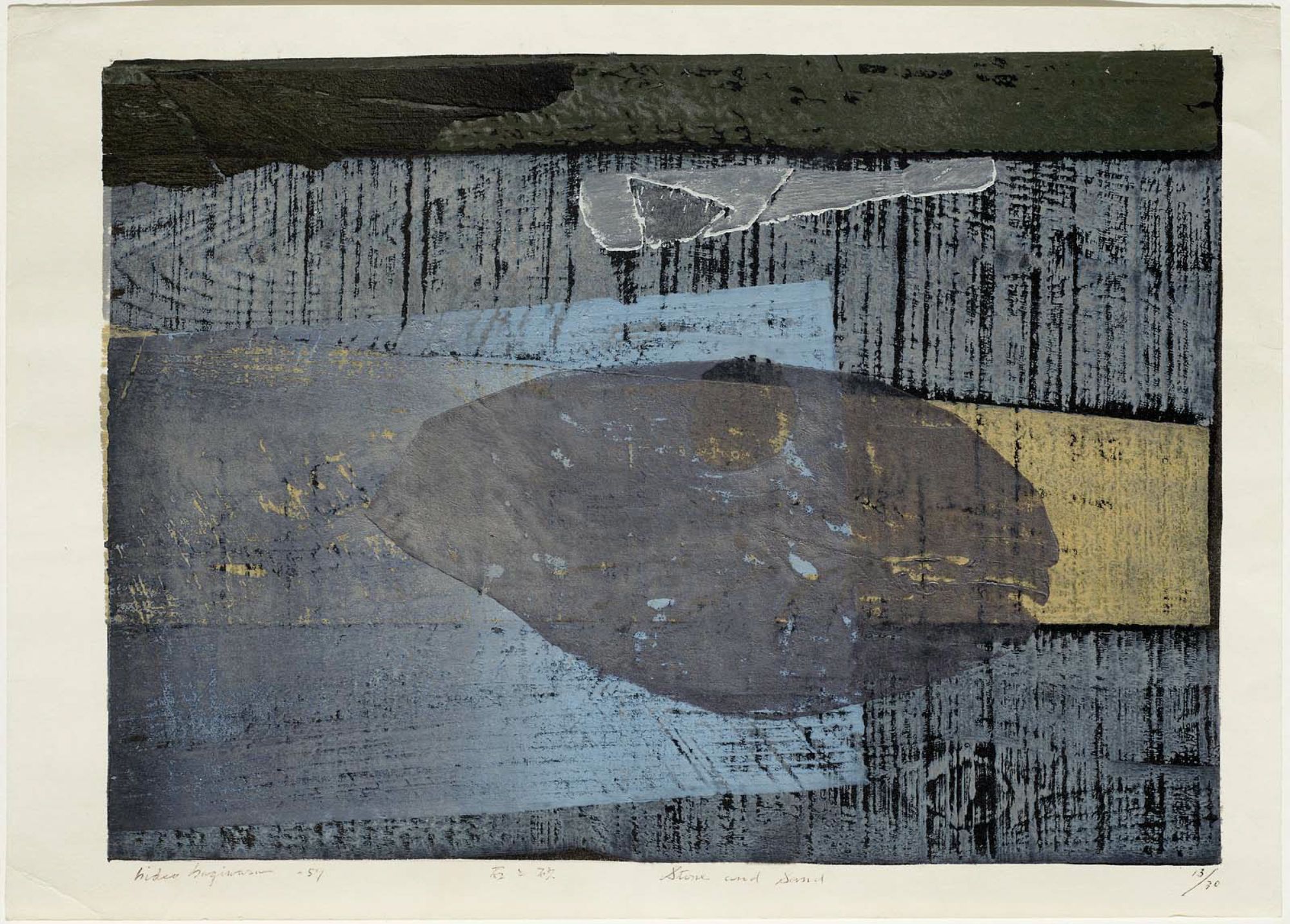
Stone and Sand (Ishi to suna)
Woodblock print
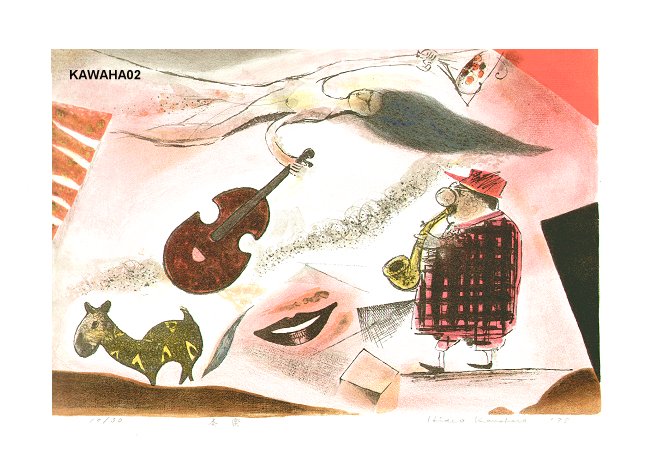
Music
Woodblock print
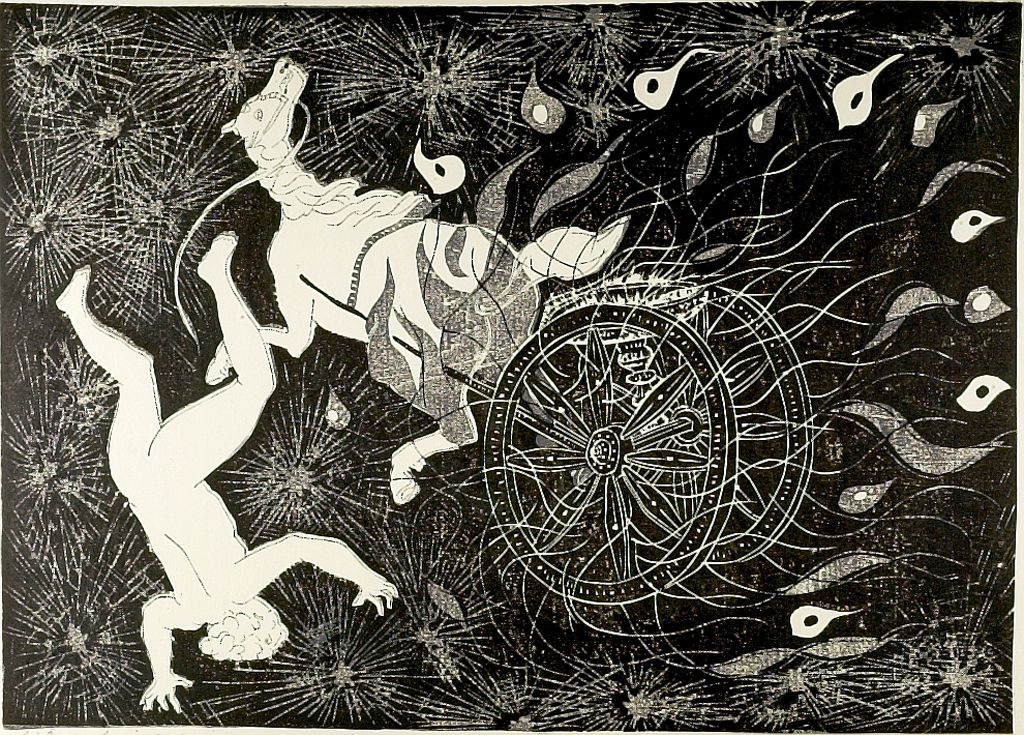
Phaethon, Shôwa period, dated 1965?
Woodblock print
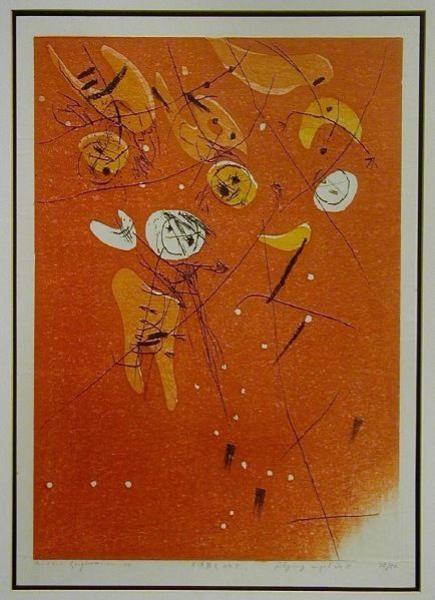
Flying Angel, No. 8
Woodblock print
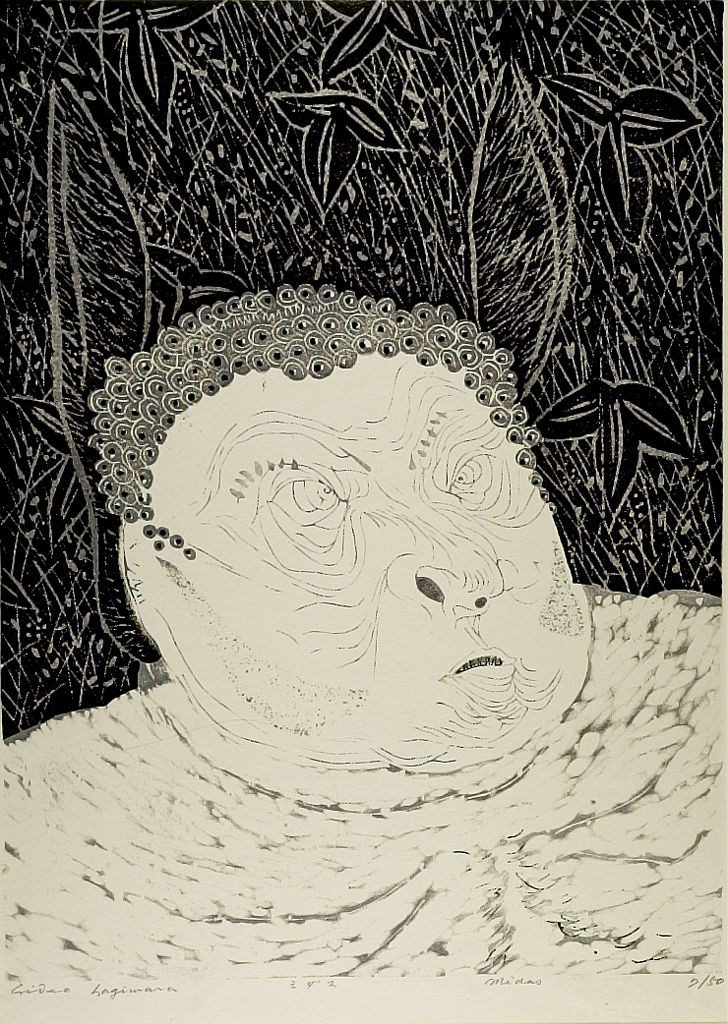
Midas, Shôwa period, dated 1965?
Woodblock print
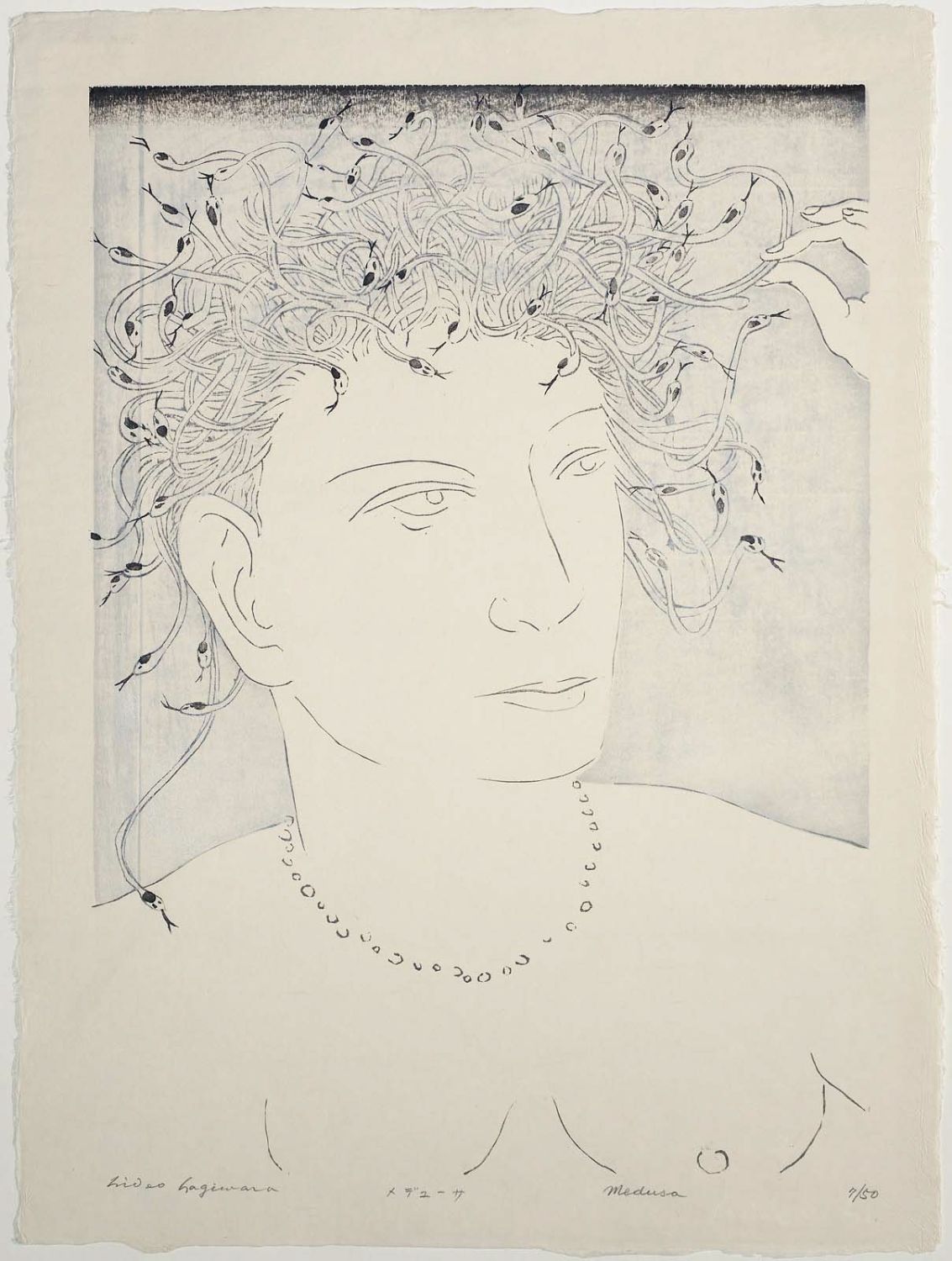
Medusa (Medyusa)
Woodblock print