Biography
Hideo Takeda is one of Japan's most restlessly inventive visual artists, a figure who has moved with astonishing fluidity between cartooning, printmaking, painting, photography, illustration, and comedy over a career spanning five decades. Born in Osaka in 1948, he studied sculpture at the prestigious Tama Art University, a training that gave him a three-dimensional sensibility he would carry into every two-dimensional medium he later touched.
Shortly after graduation, Takeda's drawings and works on paper propelled him into the spotlight. He received the prestigious Bungei-Shunju Cartoon Award in 1976, establishing himself as a satirist of rare visual intelligence. From this foundation he expanded outward, developing a body of work that defies easy categorization. His silkscreen prints, particularly the celebrated Genpei series (1985–1999), retell the epic medieval conflict between the Taira and Minamoto clans through a visual language that fuses the aesthetics of traditional Japanese woodblock prints with western cartoon conventions and bold textile patterns. The results are boldly graphic, often surreal, and subtly beautiful.
Takeda's range continued to grow through subsequent decades. His World Night Tours series, begun in 2012, consists of hand-colored original drawings depicting cities around the world in his distinctive style, while other series such as Hell and Altamira reveal a fascination that ranges from mythology to prehistory. In 1993, he held a one-man exhibition at the British Museum, a rare honor for a contemporary Japanese artist and a testament to the seriousness with which his work is regarded internationally.
His art is firmly rooted in the creative potential inherent in crossing boundaries and the freedom that comes with the refusal to be categorized. Whether depicting the sweep of world cities, infernal landscapes, or medieval Japanese warriors, Takeda's work is unified by its wit, its graphic confidence, and its refusal to distinguish between high art and popular culture.
Key Facts
- Active Period
- 1948
- Nationality
- 🇯🇵Japan
- Movements
- Contemporary MokuhangaSōsaku-hanga
- Works Indexed
- 42
Frequently Asked Questions
Hideo Takeda is one of Japan's most restlessly inventive visual artists, a figure who has moved with astonishing fluidity between cartooning, printmaking, painting, photography, illustration, and comedy over a career spanning five decades. Born in Osaka in 1948, he studied sculpture at the prestigious Tama Art University, a training that gave him a three-dimensional sensibility he would carry into every two-dimensional medium he later touched.
Hideo Takeda was active born in 1948. They were associated with the Contemporary Mokuhanga and Sōsaku-hanga movements.
Hideo Takeda's work was shaped by the Contemporary Mokuhanga and Sōsaku-hanga traditions in Japanese woodblock printmaking. Contemporary Mokuhanga: Contemporary mokuhanga (literally "wood-block print") encompasses artists working from approximately 1970 to the present who continue or reinvent traditional Japanese woodblock printing techniques. Sōsaku-hanga: ## What is sōsaku-hanga? Sōsaku-hanga (創作版画, "creative prints") was a twentieth-century Japanese print movement defined by a single commitment: the artist must design, carve, and print every work alone.
Hideo Takeda's prints frequently feature silkscreen, warriors, animals, landscapes, figures, boats & ships.
Woodblock Prints by Hideo Takeda (42)
Armadillo
Silkscreen
Battle of Fujigawa
Silkscreen
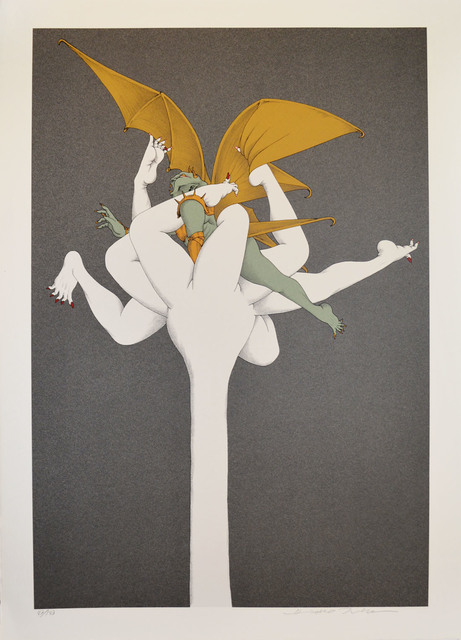
Hell
2000
Silkscreen
Inferno
Silkscreen
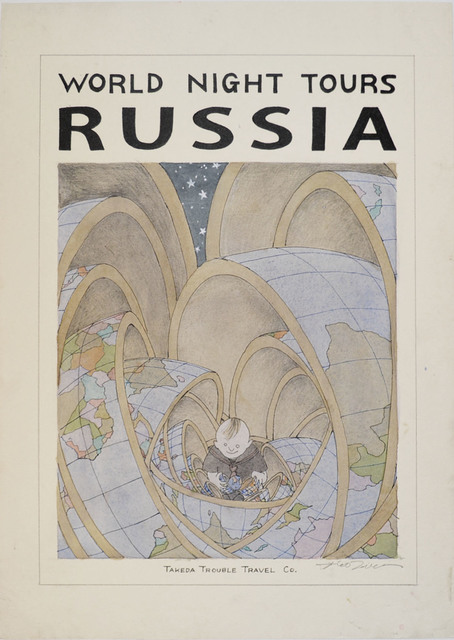
RUSSIA
2014
Ink and color on paper
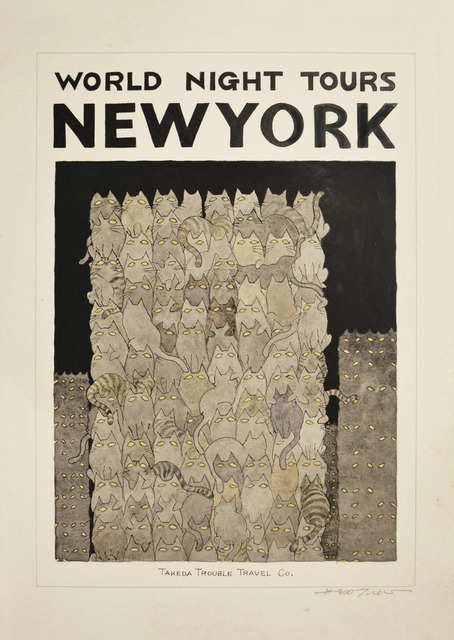
NEW YORK
2014
Ink and color on paper
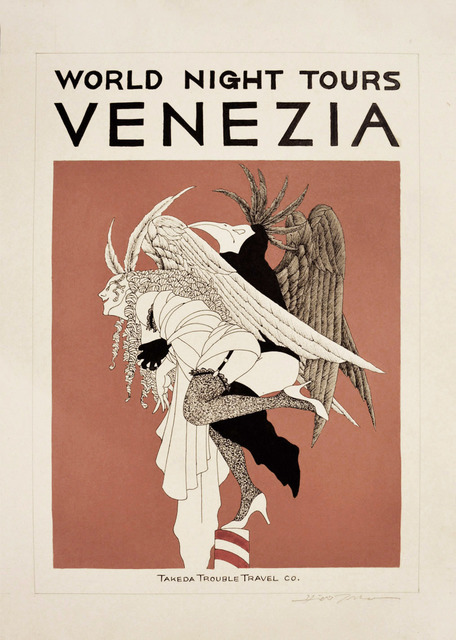
VENEZIA
2014
Ink and color on paper
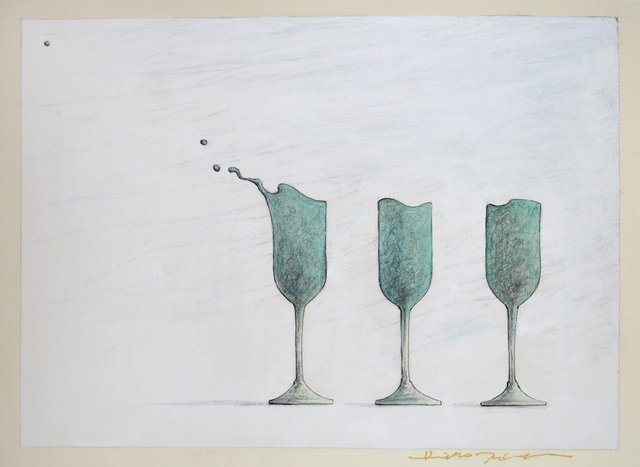
Wind
2016
Ink and Color on Paper
JAPAN
Painting
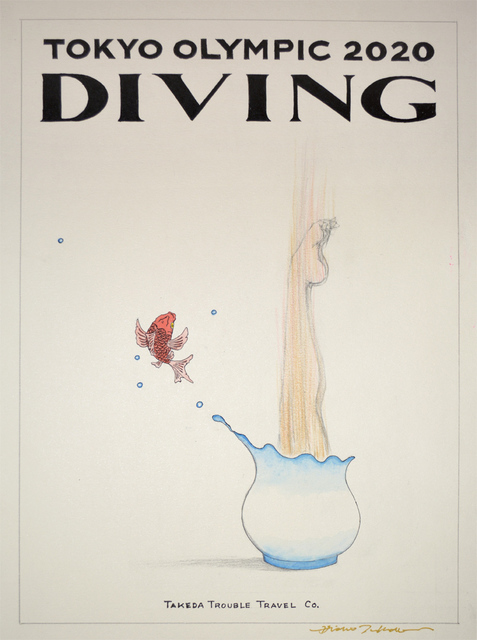
Diving
2016
Ink and Color on Paper
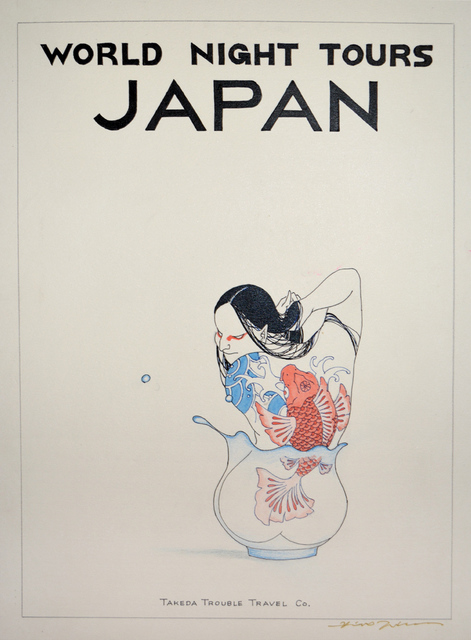
Japan (WNT)
2016
Ink and Color on Paper
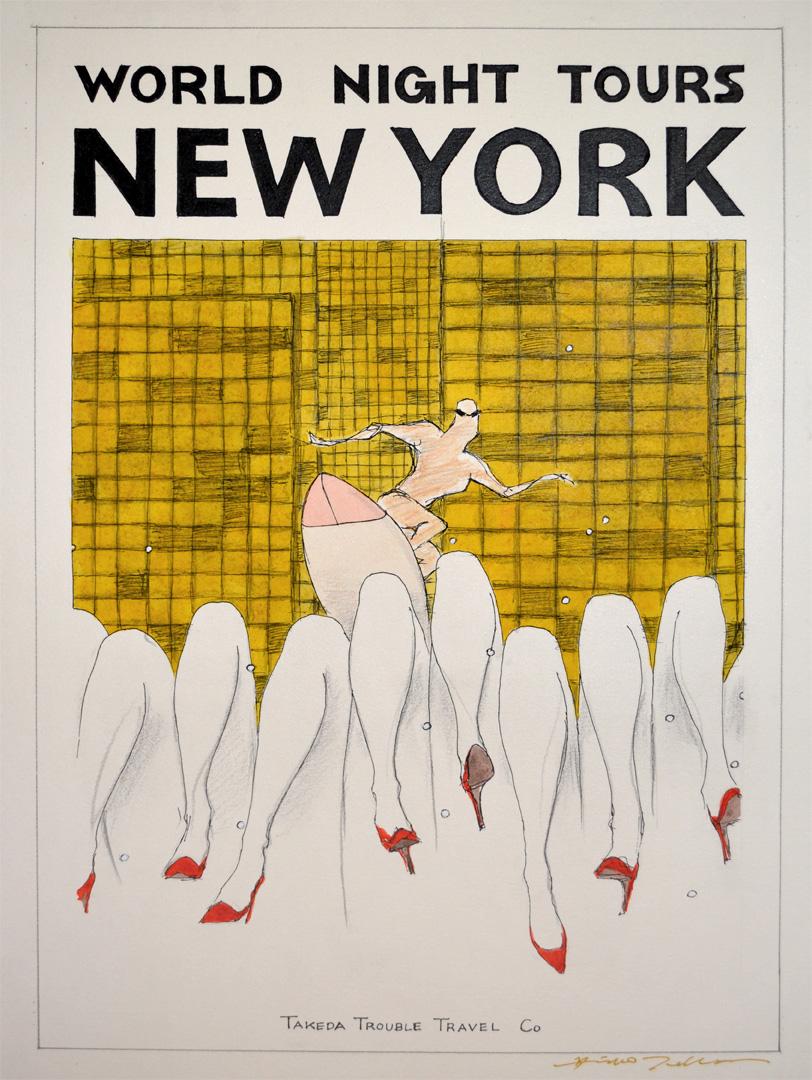
New York #1
Painting
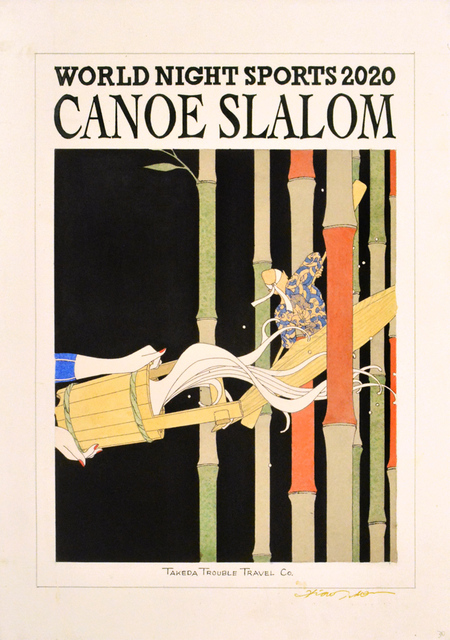
Canoe Slalom
2020
Ink and color on paper
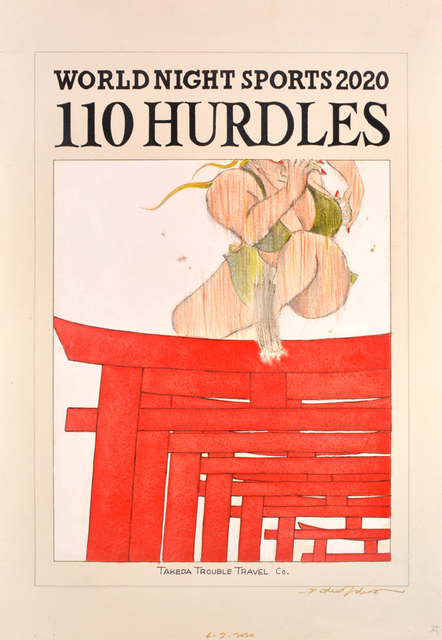
110 Hurdles
2020
Ink and color on paper
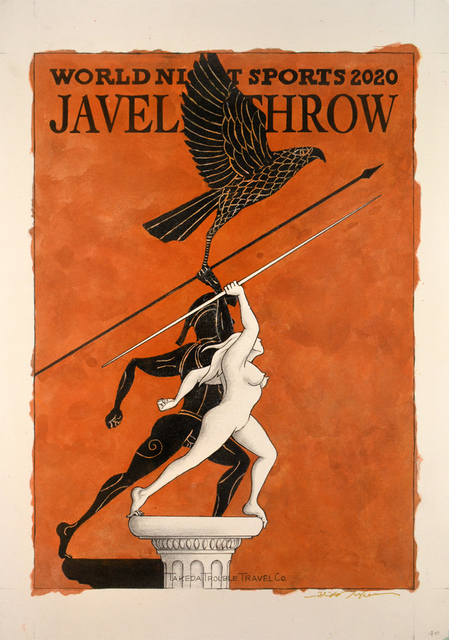
Javelin Throw
2020
Ink and color on paper
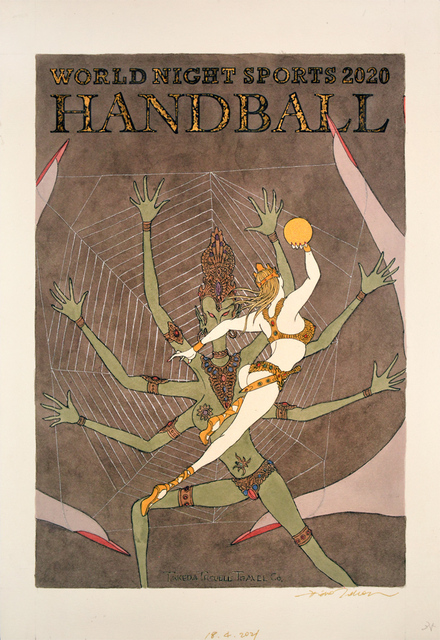
Handball
2021
Ink and color on paper
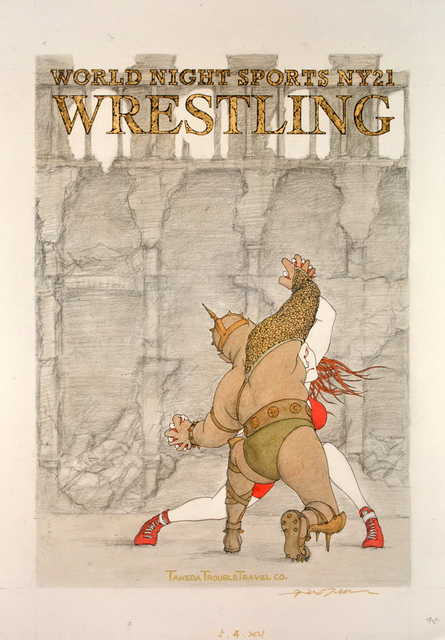
Wrestling
2021
Ink and color on paper

Hongan Leaves Kyoto
Mokuhanga (Japanese woodblock)

Final Day of Kiso Yoshinaka
Mokuhanga (Japanese woodblock)

Death Of Taira Kiyomori
Mokuhanga (Japanese woodblock)

Fearless Tomoe
Mokuhanga (Japanese woodblock)

Hall of the Great Buddha
Mokuhanga (Japanese woodblock)

Battle Of Kurihara Pass
Mokuhanga (Japanese woodblock)

Altamira
Mokuhanga (Japanese woodblock)