Warriors Prints (395)
Warrior prints (musha-e) depict samurai, historical battles, legendary heroes, and martial subjects drawn from Japanese history, mythology, and literature. The genre flourished in the nineteenth century as artists responded to public appetite for dramatic narratives of valor, loyalty, and supernatural power, producing some of the most visually dynamic compositions in the woodblock tradition. Utagawa Kuniyoshi was the genre's supreme master, creating hundreds of warrior prints that combined vigorous draftsmanship with imaginative composition. His depictions of the 108 heroes of the Suikoden (Water Margin), historical battles, and supernatural encounters set standards of dramatic intensity that defined the genre. Kuniyoshi's warrior prints influenced not only subsequent printmakers but also the tattoo tradition (irezumi), which adopted many of his compositions. The warrior print tradition also served political purposes, particularly during periods when direct commentary on current events was censored. Artists used historical warrior subjects as coded references to contemporary political situations, a practice that required viewers to read the prints on multiple levels. The genre continued into the Meiji era, when prints documented the Satsuma Rebellion and Sino-Japanese War, before declining as photographic journalism replaced printmaking as the primary medium for depicting military subjects.
Artists Known for Warriors


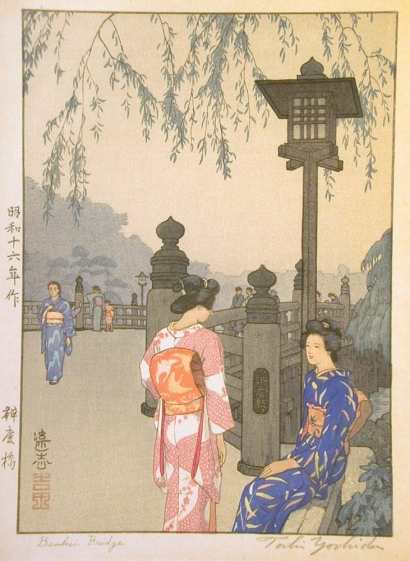
Benkei Bridge
Woodblock print

Saishin, from the series "Fashionable Women as the One Hundred and Eight Heroes of the Water Margin (Fuzoku onna Suikoden, ippyakuhachinin no uchi)"
c. 1828/30
Color woodblock print; surimono
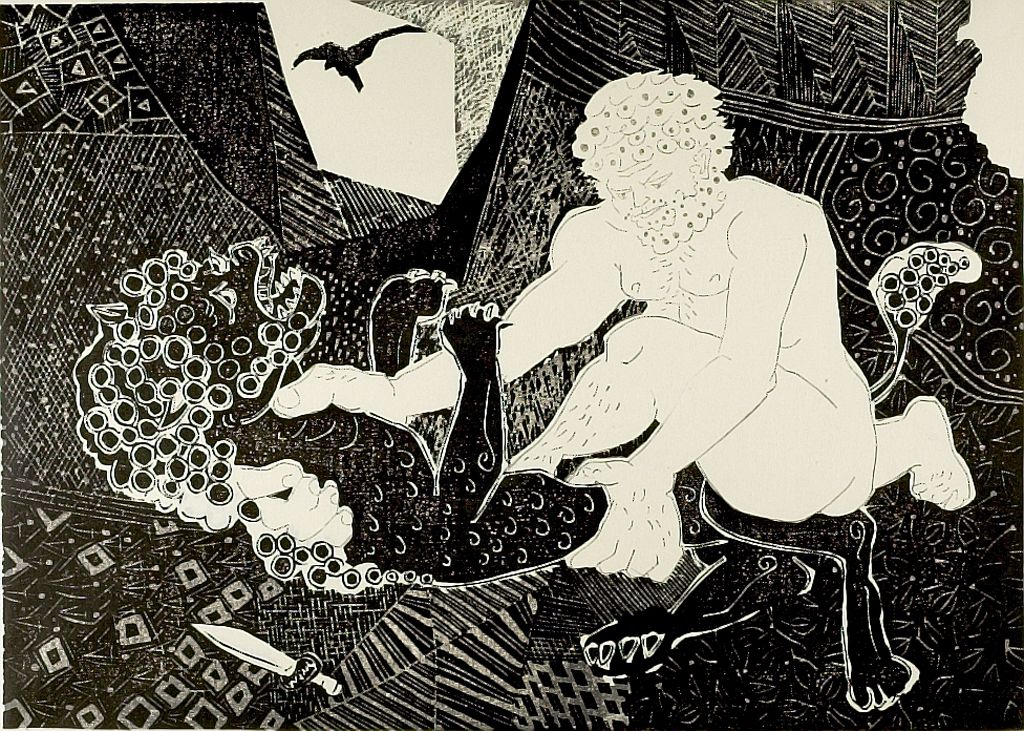
Herakles, Shôwa period, dated 1965?
Woodblock print
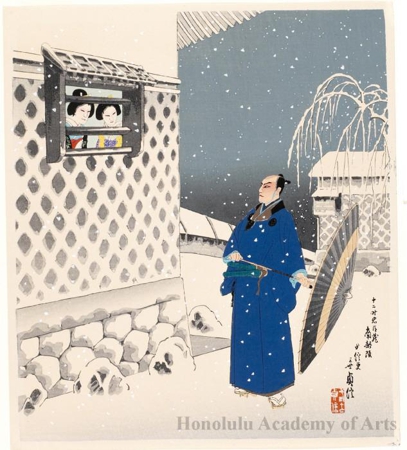
Chüshingura in Twelve Months
Woodblock print

Inue Shinbyoe Masashi, from the series "Eight Hundred Heroes of the Japanese Water Margin (Honcho Suikoden goyu happyakunin no hitori)"
c. 1836
Color woodblock print; oban

Battle of Nanba (Nanba senki no uchi)
after 1871
Color woodblock print, triptych

Spring Rain at Benkei Bridge
April 1936
Woodblock print, ink and color on paper

Oteiroku, from the series "Fashionable Women as the One Hundred and Eight Heroes of the Water Margin (Fuzoku onna Suikoden, ippyakuhachinin no uchi)"
c. 1828/30
Color woodblock print; surimono
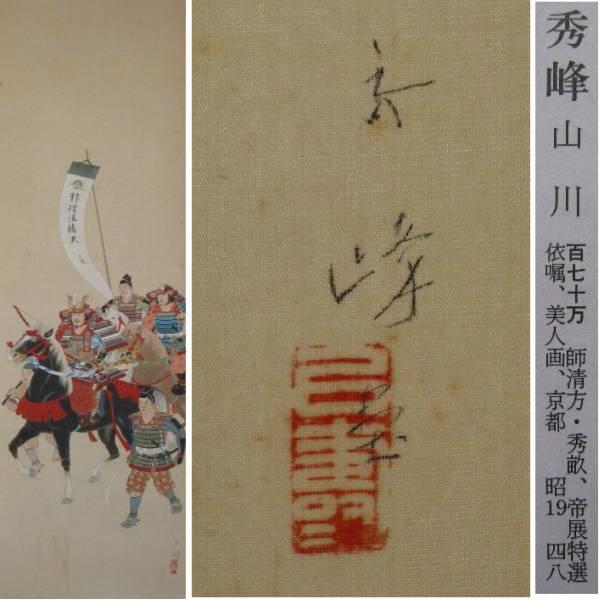
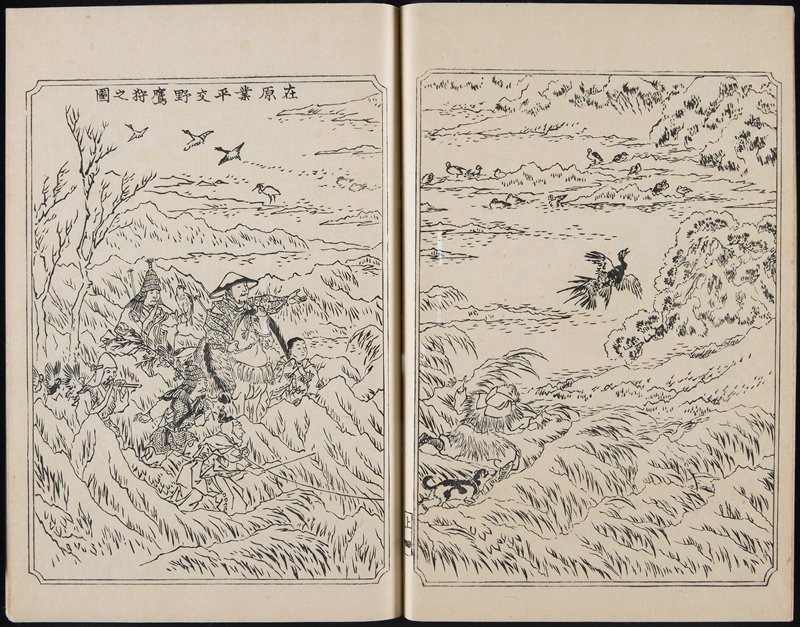
A Picture of the Warrior Dai-Nanko — 大楠公之図
Woodblock print

Benkei and the Moon at Daimotsunoura
1886
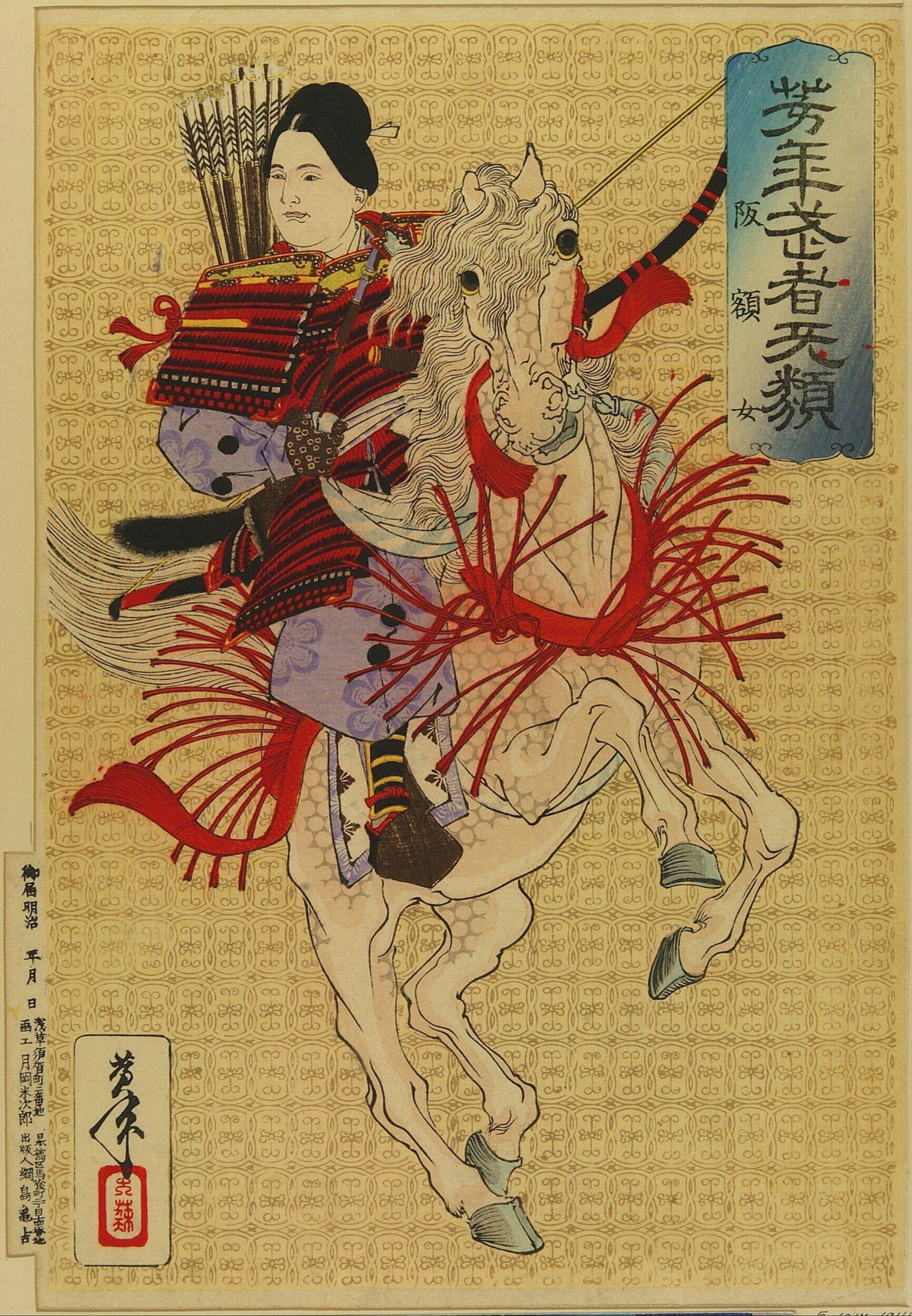
'The female samurai warrior Hangaku'
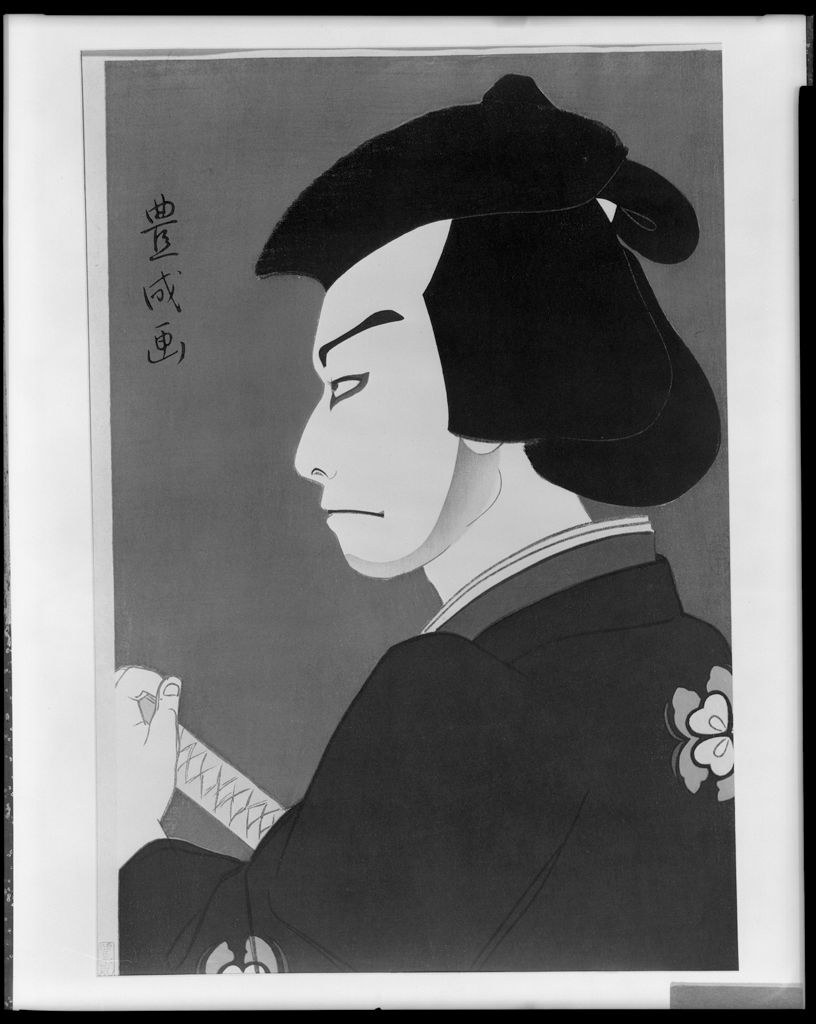
Kabuki Actor in Profile Looking to Left with Sword, Taishô period, circa 1920-1922
Woodblock print

Great Victory of Our Forces at the Battle of the Yellow Sea, Fourth Illustration
1894 (Meiji 27)
Woodblock print (nishiki-e) triptych; ink and colors on paper
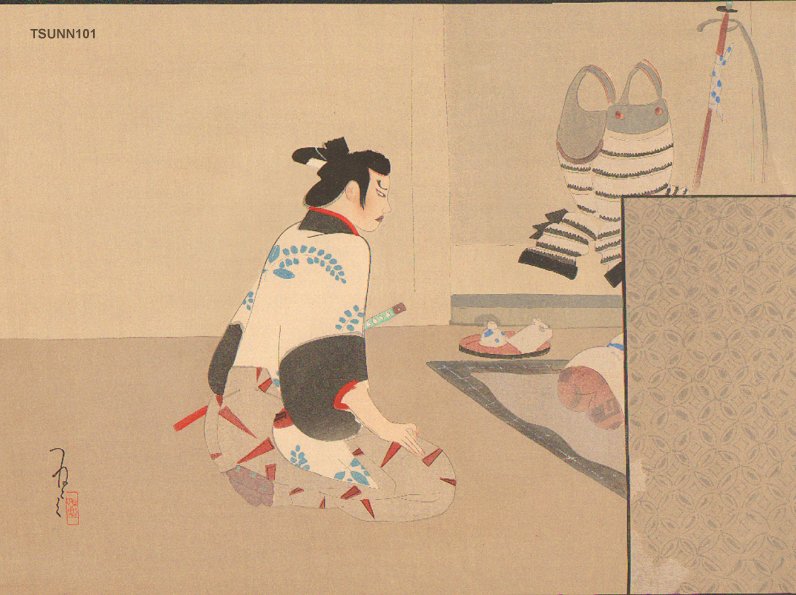
Samurai YATO EMOSHICHI
Woodblock print

Rua Xiaoqi (Katsuenra Genshoshichi), from the series "One Hundred and Eight Heroes of the Popular Water Margin (Tsuzoku Suikoden goketsu hyakuhachinin no hitori)"
c. 1827/30
Color woodblock print; oban
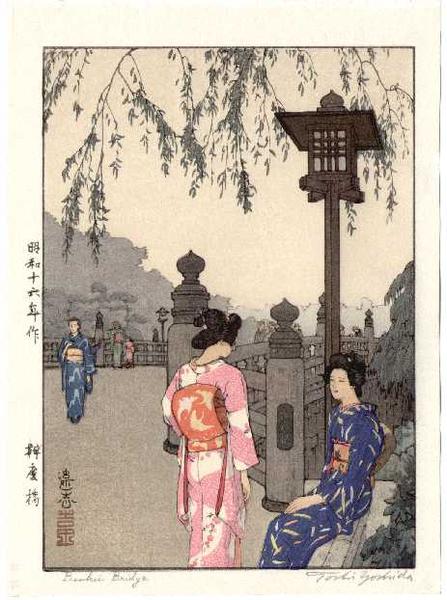
Benkei Bridge
Not set
Woodblock print
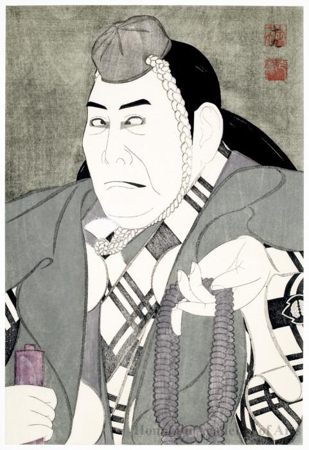
Benkei
1980
Woodblock print

No. 5, Actor Matsumoto Kōshirō VII as Benkei
1951–52
Woodblock print, ink and color on paper
Nakamura Kichiemon ll as Benkei in the play
1988
Woodblock print
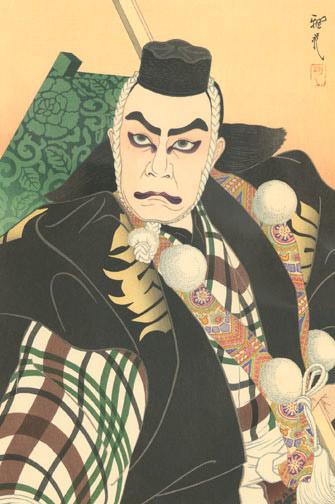
Kabuki Actor, Matsumoto Koshiro as Benkei
Circa 1950
Woodblock print
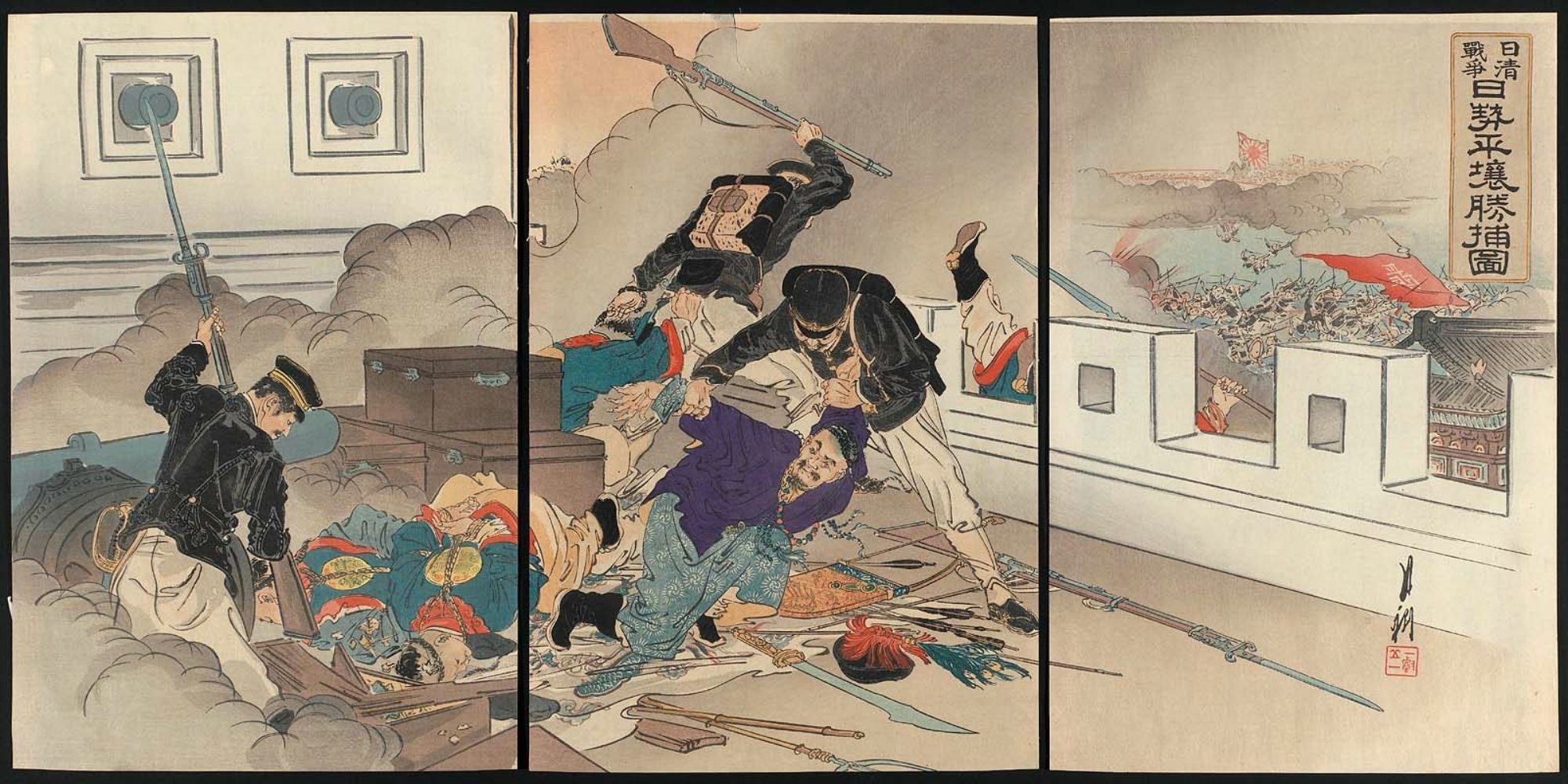
Sino-Japanese War: Japanese Military Might Captures Pyongyang (Nisshin sensô, Nissei Heijô shôhô zu)
Woodblock print
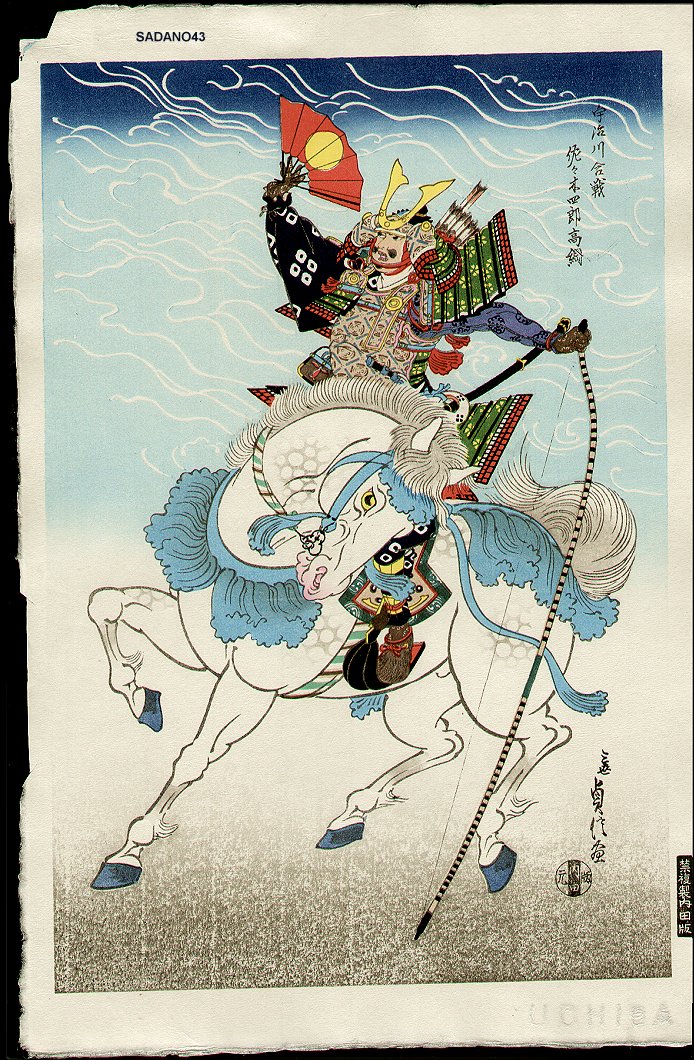
Warrior Sasaki Taktsuna
Woodblock print
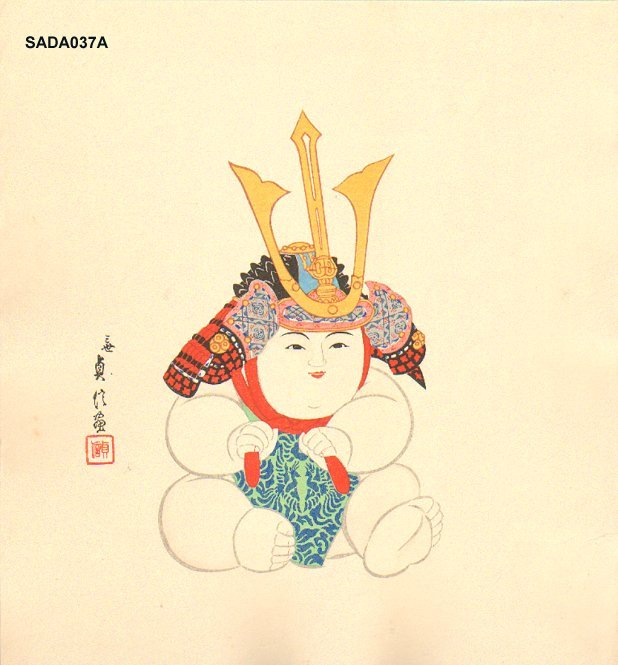
Children's Day, child with samurai helmet
Woodblock print
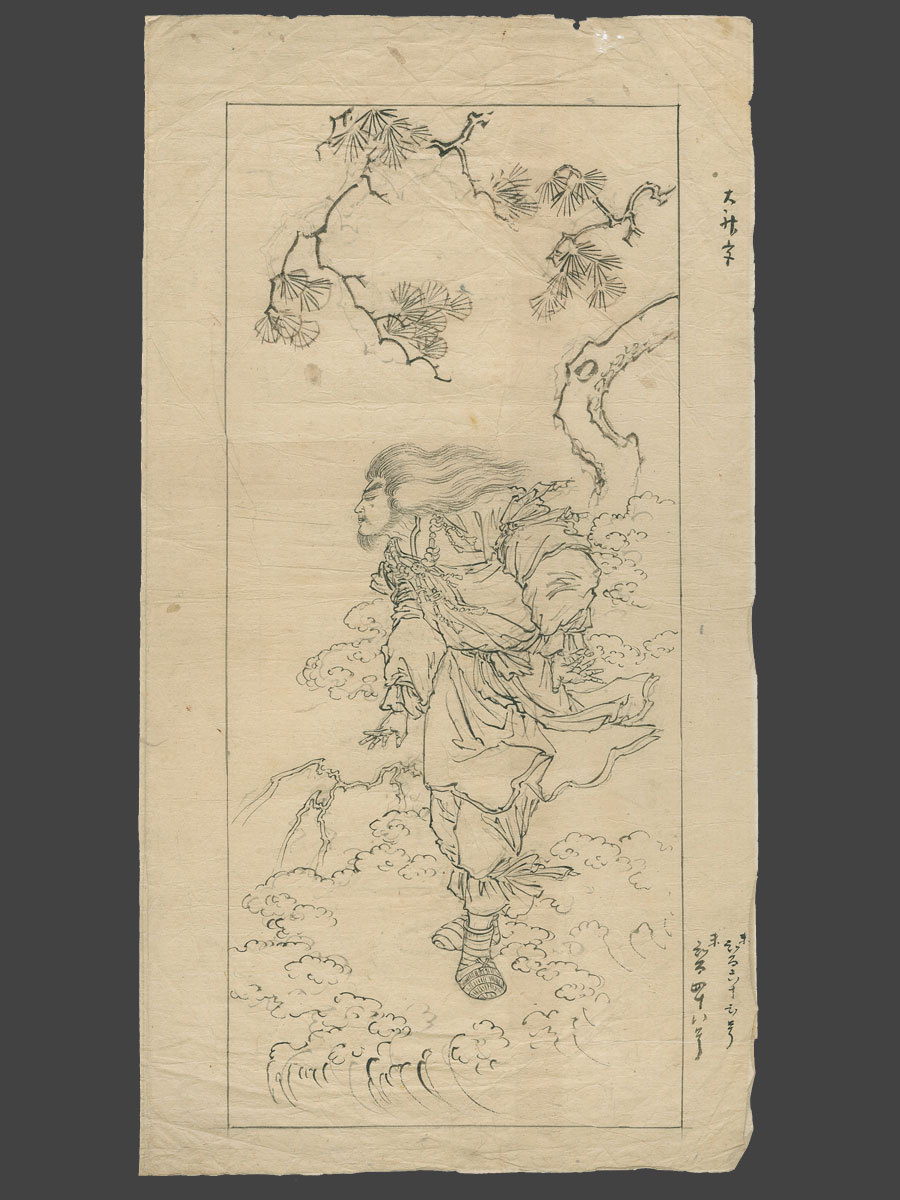
"Susano-o no Mikoto, Shinto's Mythical Ruler of the Tides"
Woodblock print
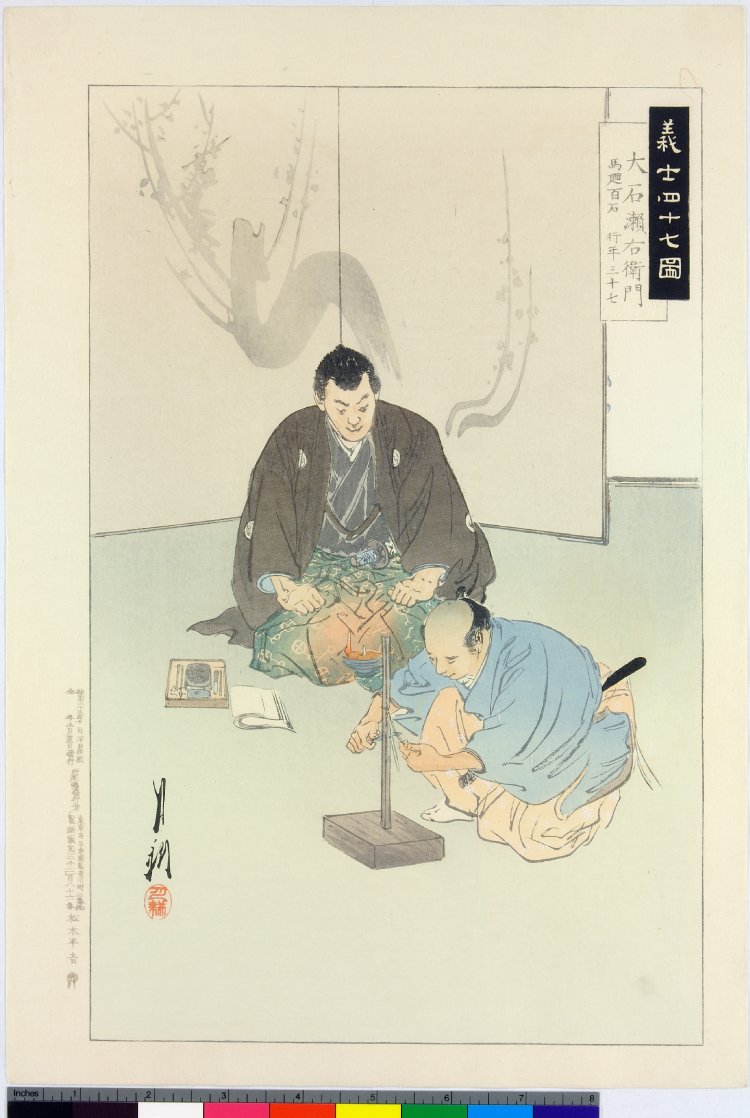
"Oishi Se'emon 大石瀬右衛門 / Gishi shijushichi zu 義士四十七図"
Woodblock print
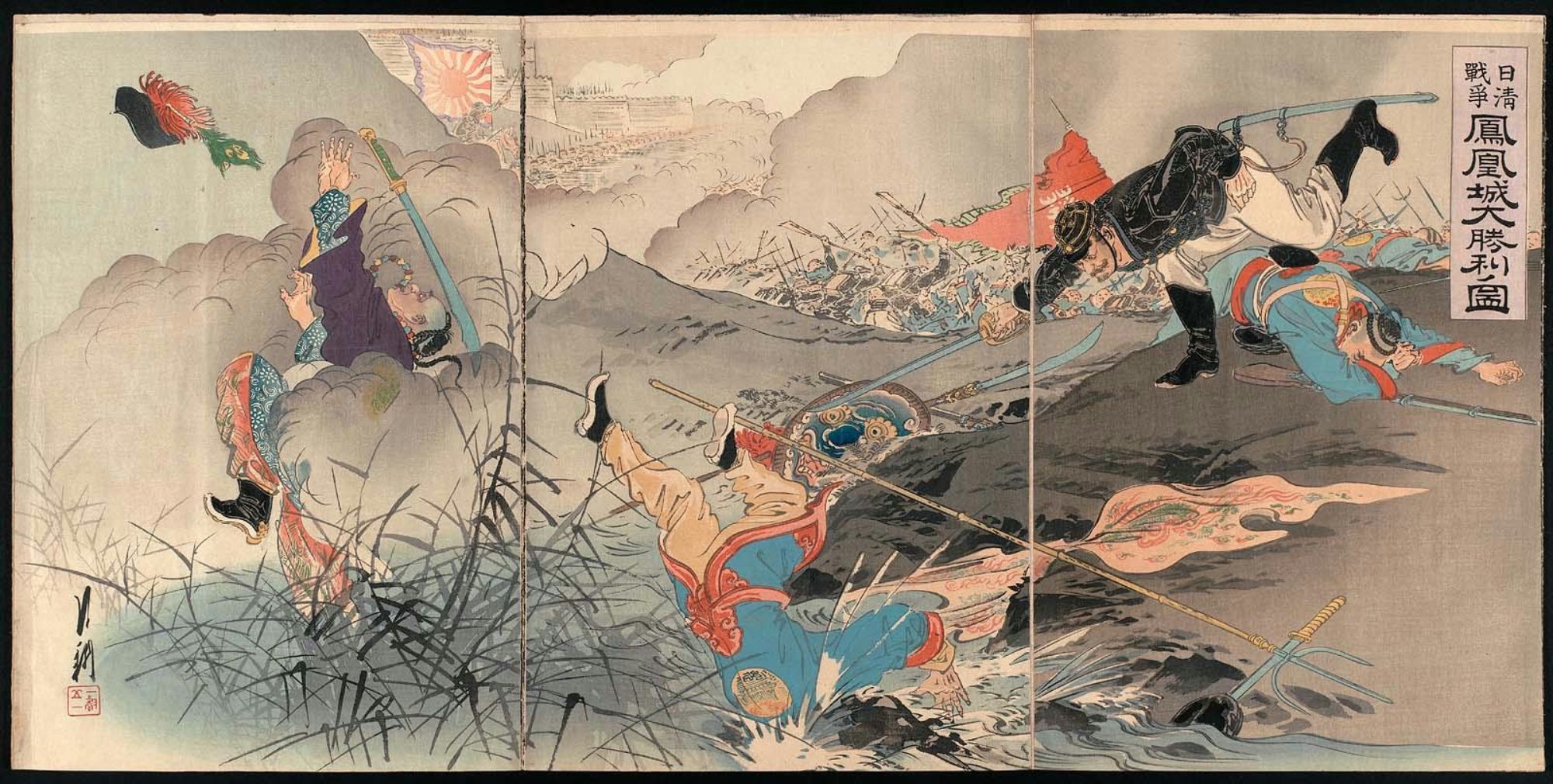
Sino-Japanese War: Picture of the Great Victory at Fenghuangcheng (Nisshin sensô, Hôôjô dai shôri no zu)
Woodblock print
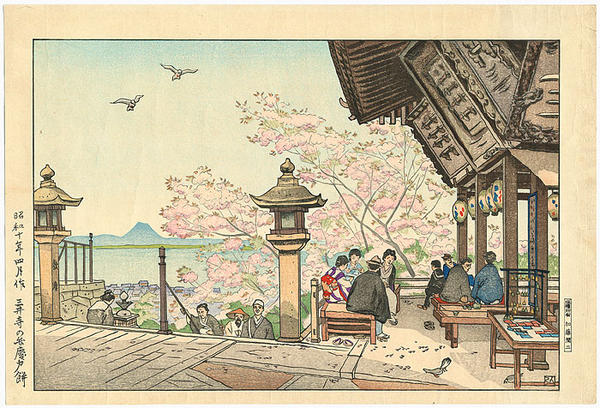
People eating Benkei Chikara mochi under cherry blossoms at Mii Temple — 三井寺の弁慶力餅
Woodblock print
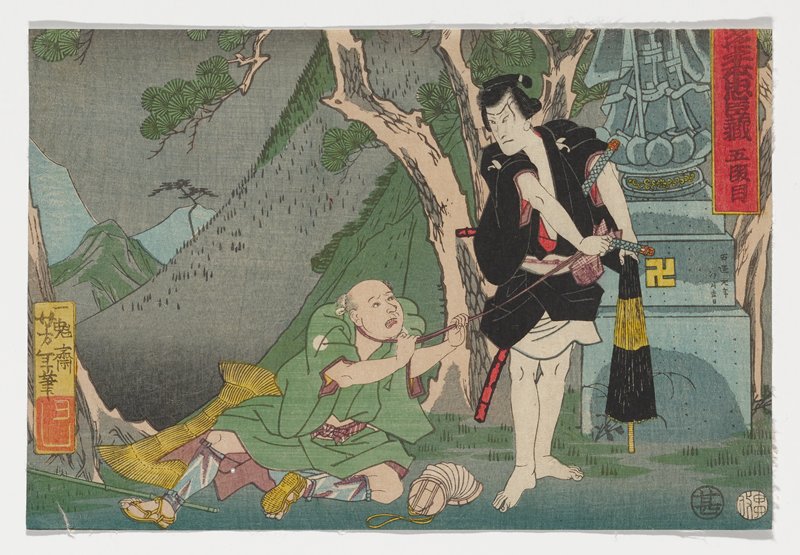
Act Five from the series Treasury of Loyal Retainers (Chūshingura: Go danme)
Late Edo period, circa 1801-1802
Ukiyo-e woodblock print in "ōban" format; ink and color on paper

Yoroidake (Armour Peak)
Woodblock print
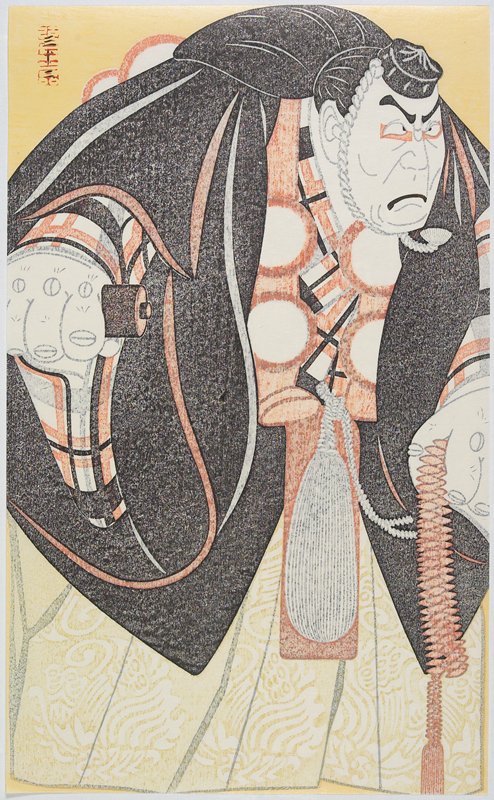
Actor Nakamura Kichiemon ll as Benkei
February 1988
Woodblock print, ink and color on paper
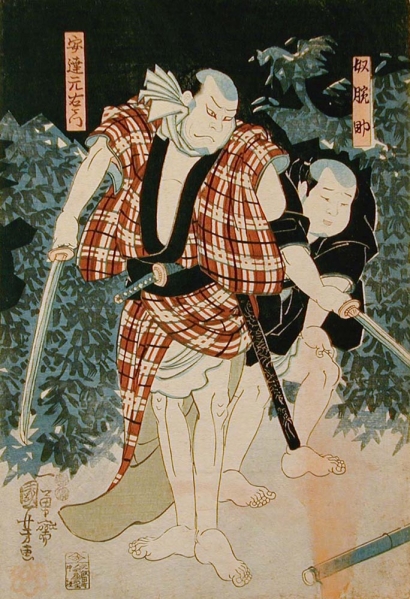
Actors as Samurai
Woodblock print
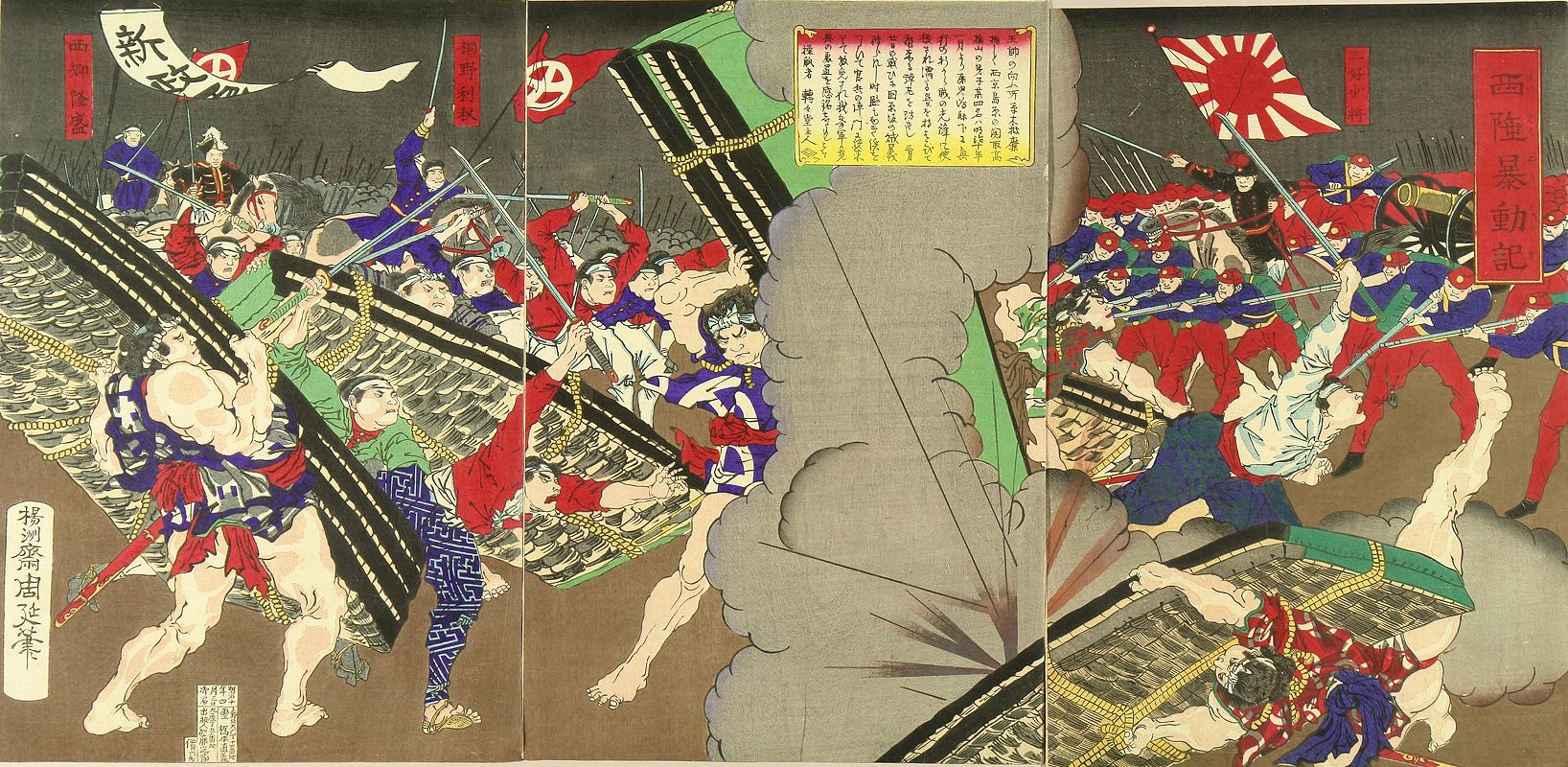
A scene of the battle of Kagoshima, triptych, 1877
Woodblock print
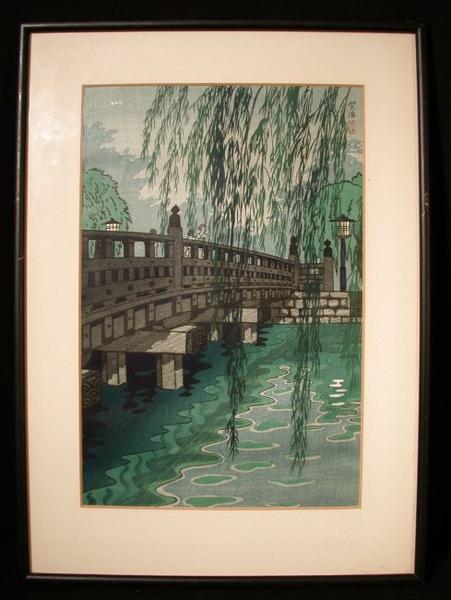
Benkei Bridge
Woodblock print
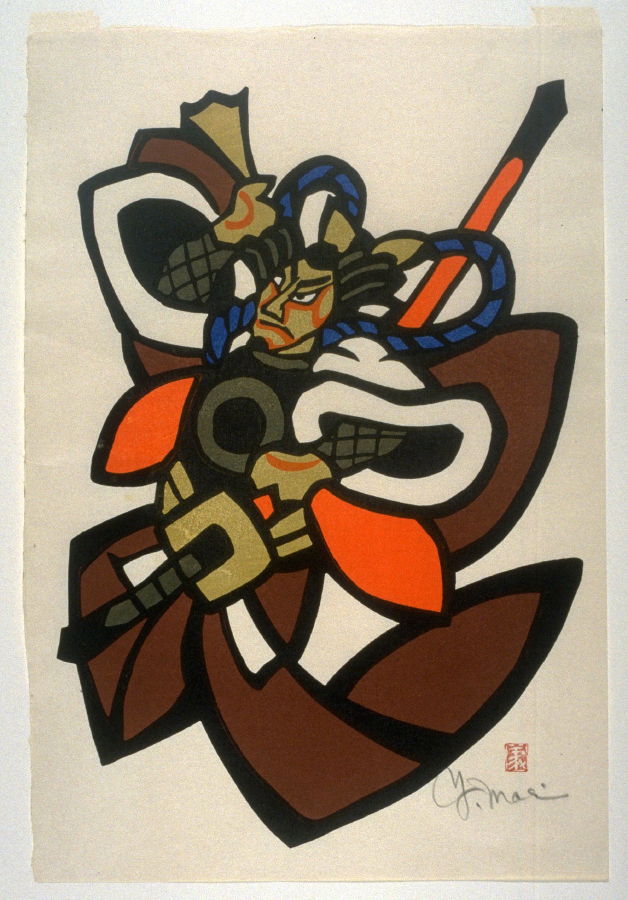
Samurai
Woodblock print
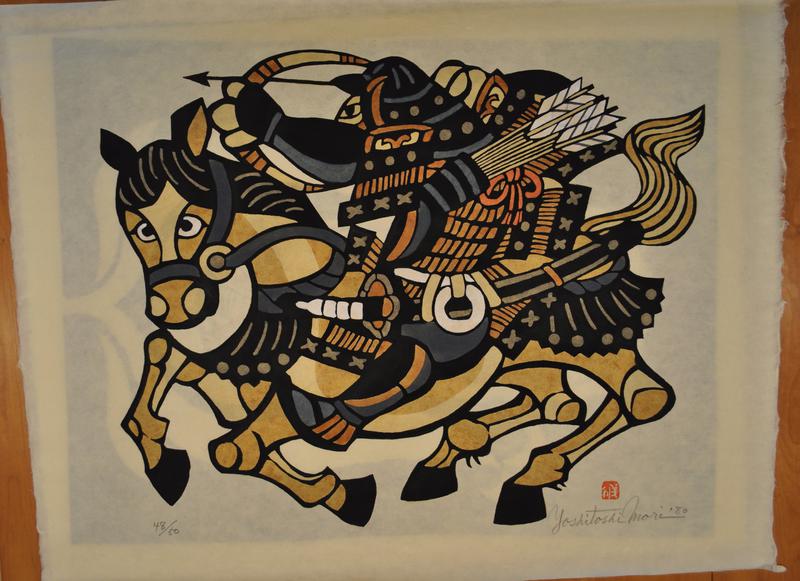
Samurai on Horse
1980
Woodblock print, ink and color on paper
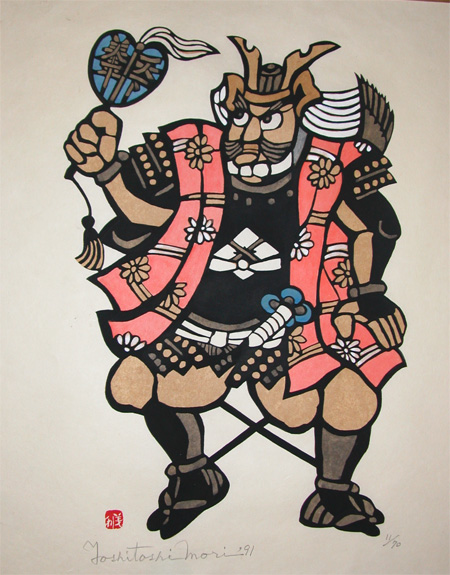
Samurai with War Fan
Woodblock print

Soga Goro Drawing a Sword
1970
Stencil on paper; edition 13/50
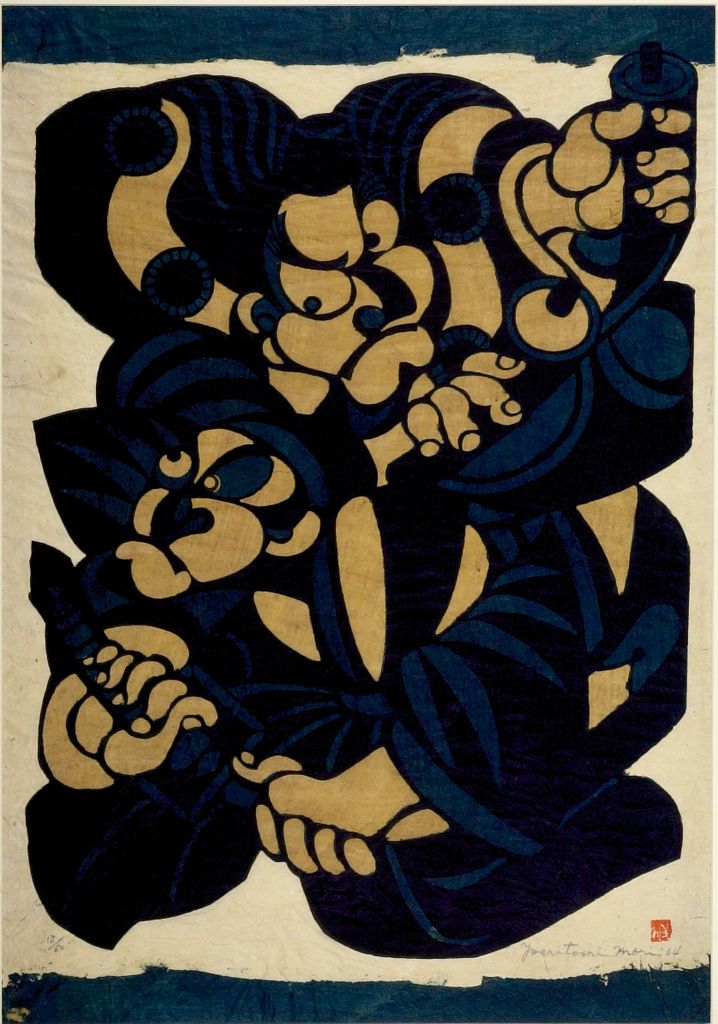
Two Samurai, Shôwa period, dated 1964
Woodblock print
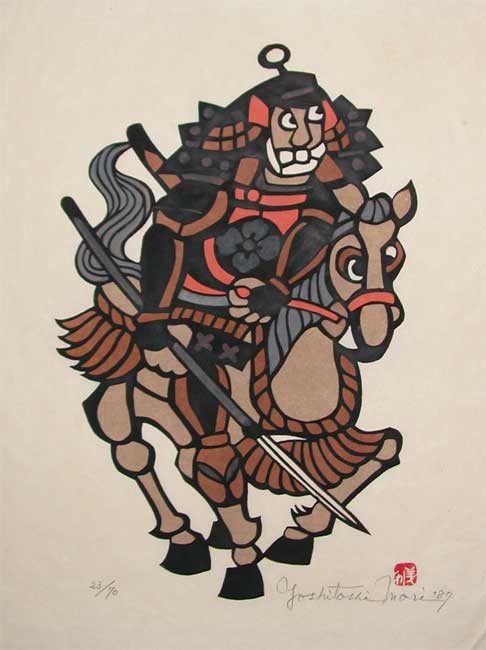
Warrior on a Horse
Woodblock print

Warriors in Combat
1970
Stencil on paper; edition 35/50

White Warrior, Shôwa period, dated 1964
Woodblock print

Female Samurai Ghost
Woodblock print
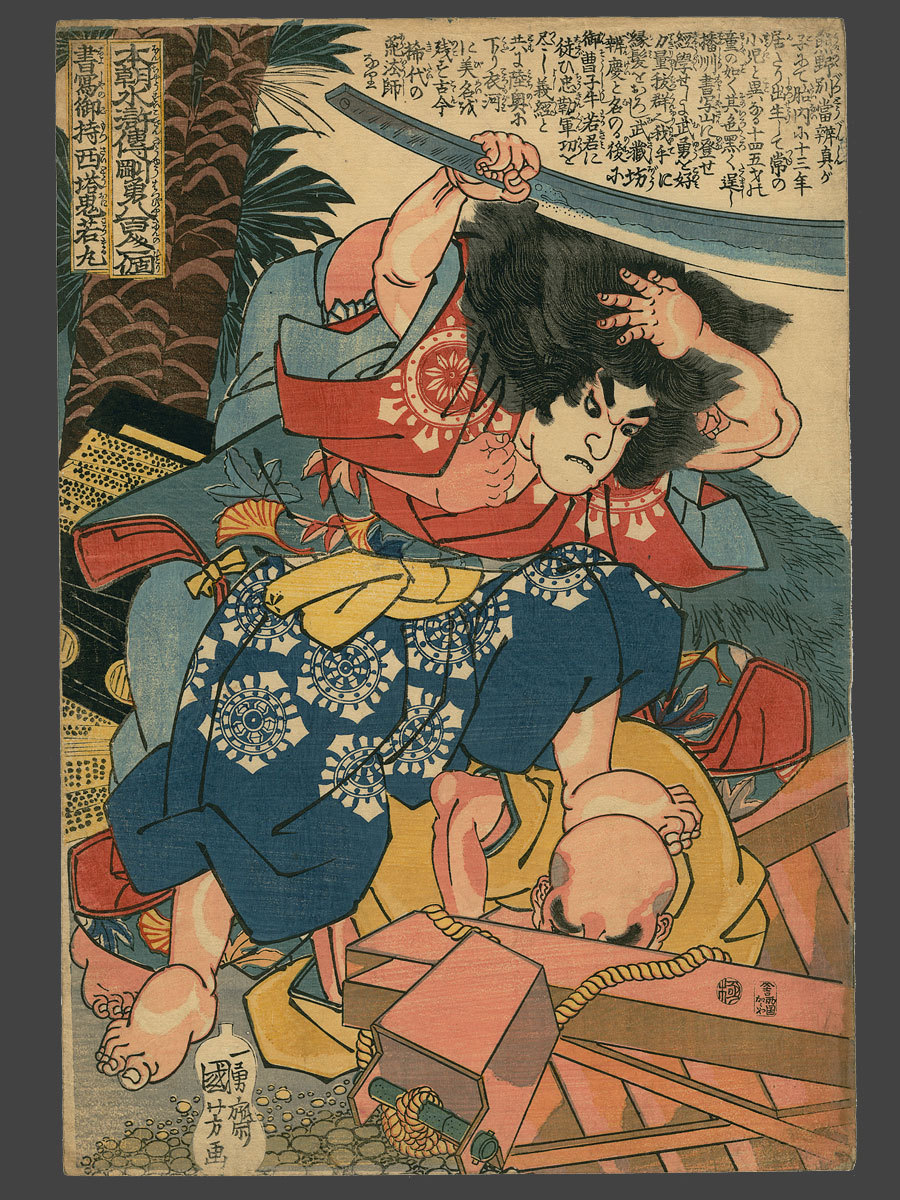
#13, Oniwaka Maru (Benkei as a boy) Fighting with the Monks at the Shoshazan
Woodblock print

Ma Lin (Tettekisen Barin), from the series "One Hundred and Eight Heroes of the Popular Water Margin (Tsuzoku Suikoden goketsu hyakuhachinin no hitori)"
c. 1827/30
Color woodblock print; oban

No. 2: Ushiwakamaru Learns Swordsplay from the Tengu at Sojogatani on Mount Kurama (Nikai, Kuramayama Sojogatani ni oite Ushiwakamaru ijin yori kenpo o manabu), from the series "The Life of Yoshitsune (Yoshitsune ichidai zue)"
c. 1832/34
Color woodblock print; oban
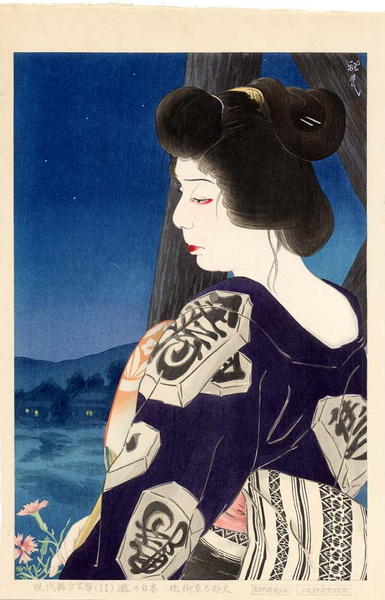
Unidentified actor in the role of a Samurai
1955
Woodblock print
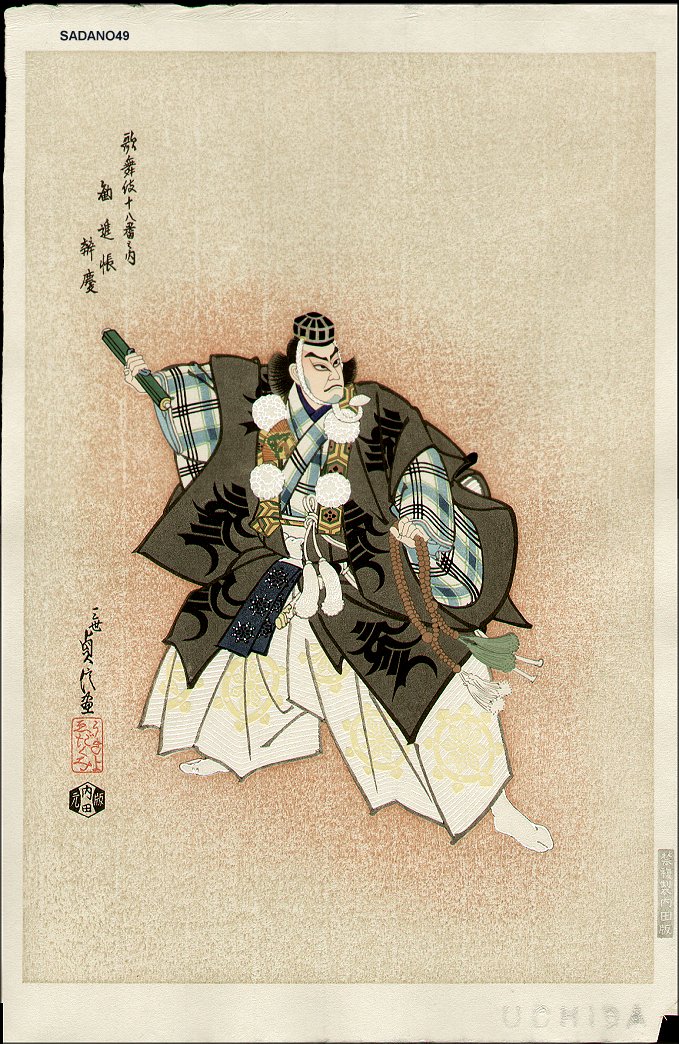
Kanjin-cho Benkei
Woodblock print
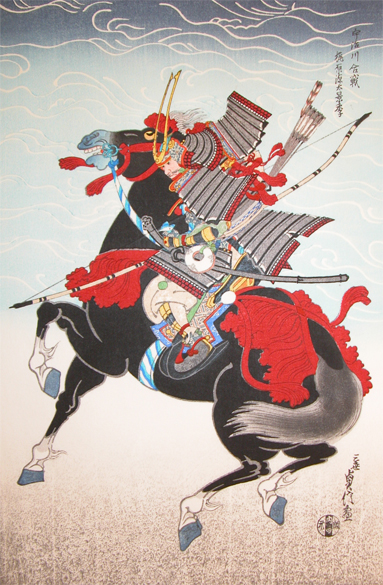
Warrior Kajiwara Kagesueon a Black Horse
Woodblock print
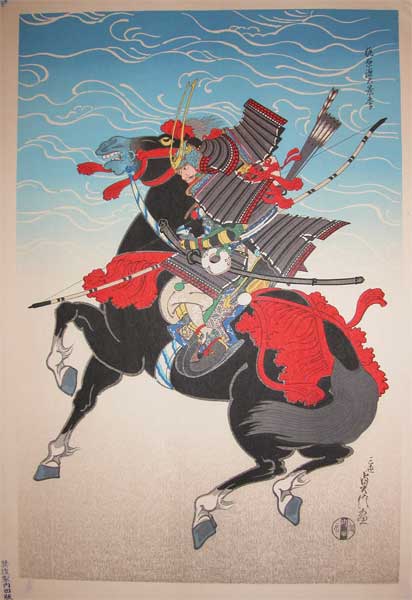
Warrior on a Black Horse
Woodblock print
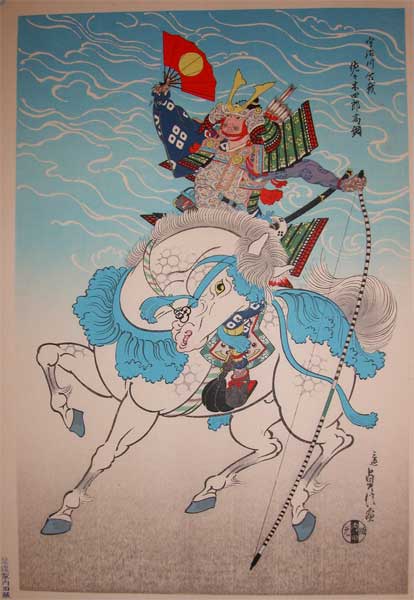
Warrior on a White Horse
Woodblock print
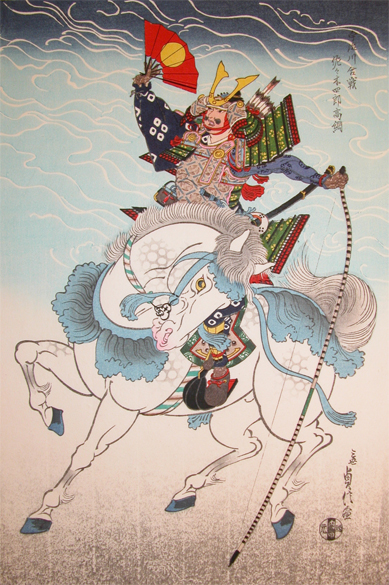
Warrior Sasaki Takatsuna on a White Horse
Woodblock print
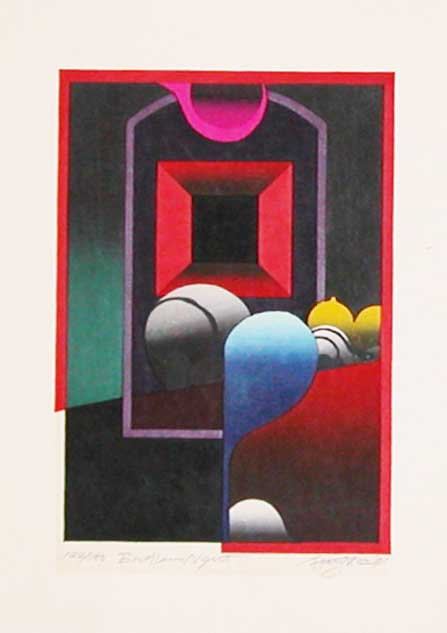
Ronin Gallery
Woodblock print
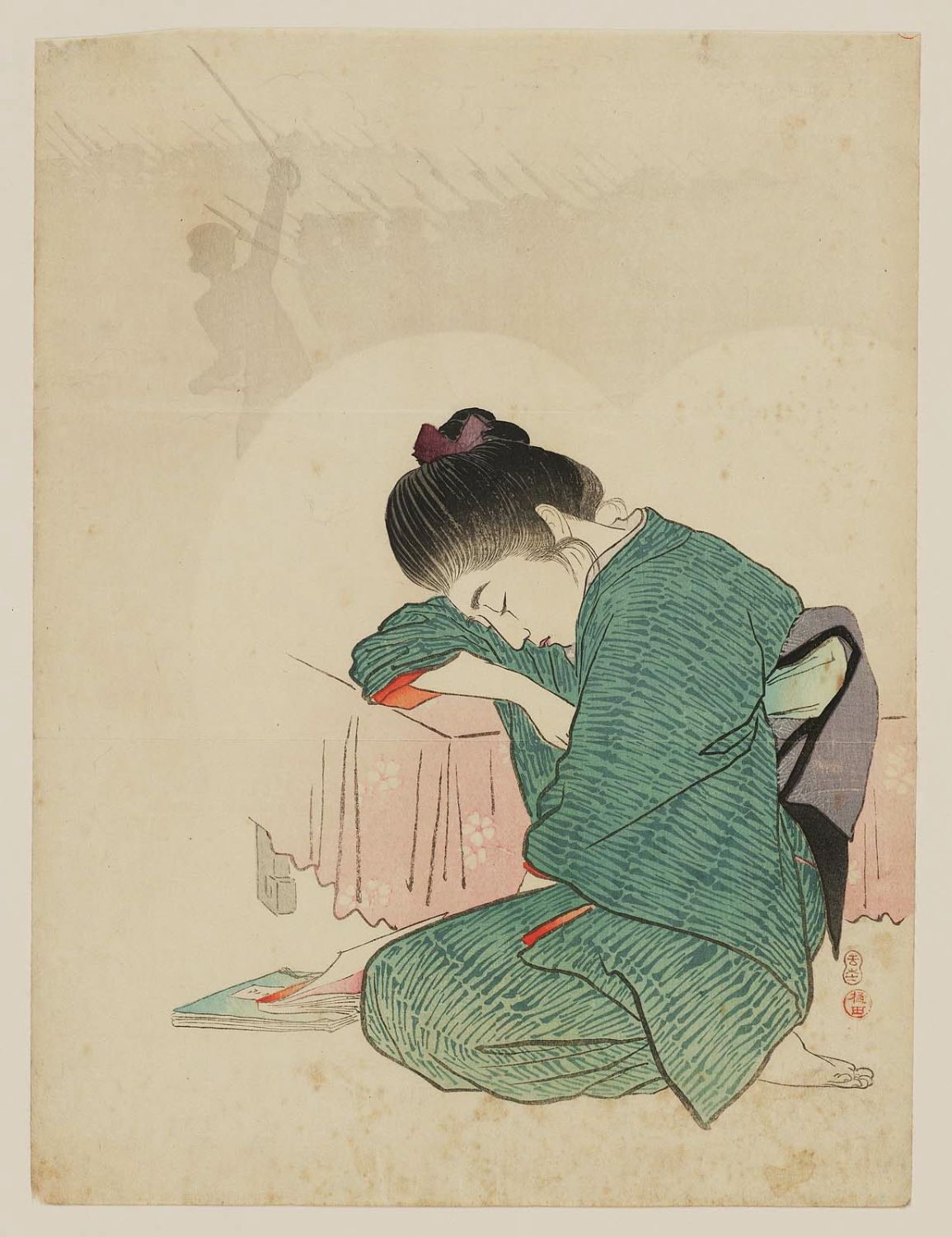
Woman in Kimono Asleep and Dreaming of her Lover, a Soldier in Battle
Woodblock print
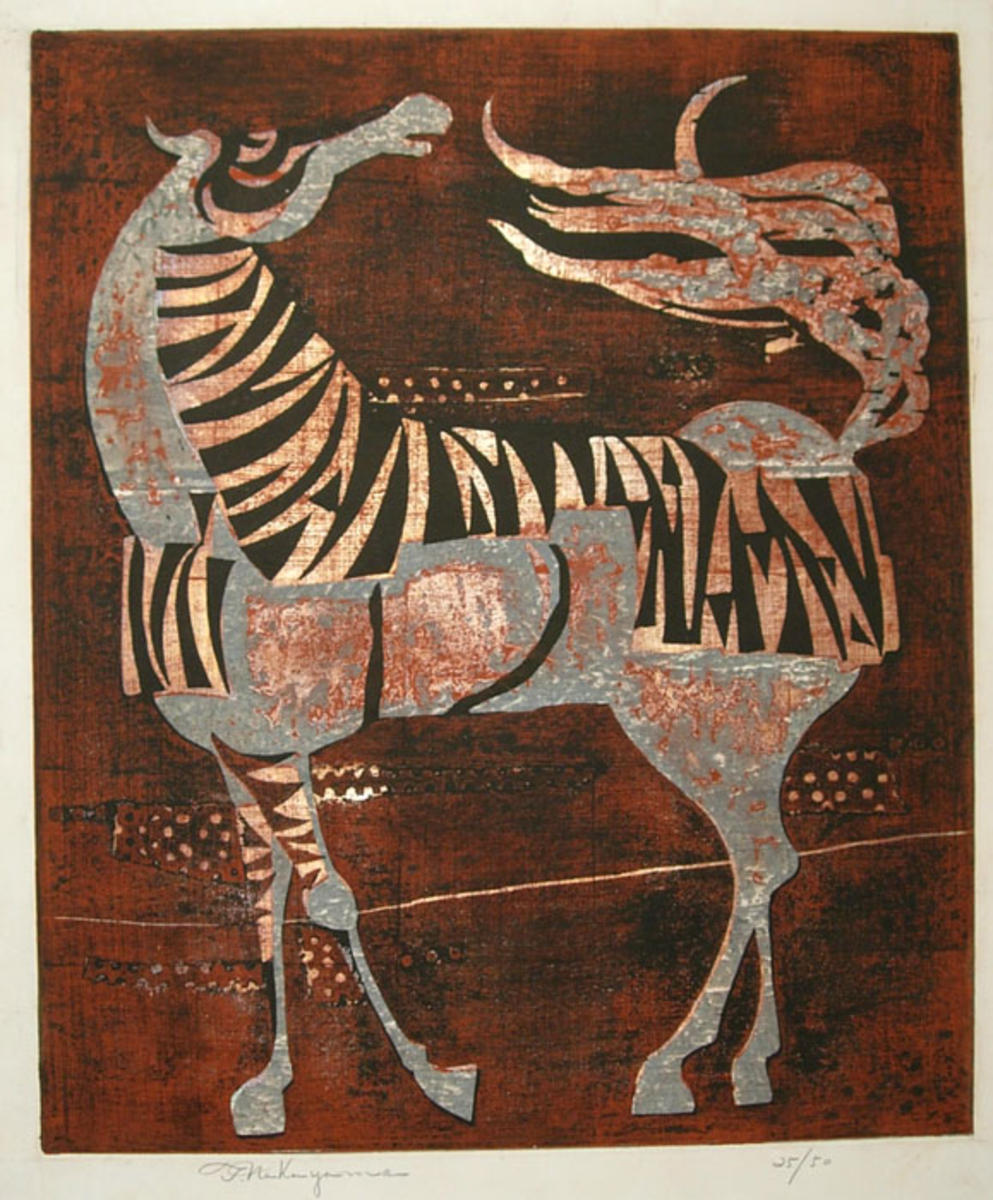
Horse in Armor- A
Woodblock print
Russo-Japanese War (Scene of Battle at Jiuliancheng)
1904
Woodblock print

Samurai Retainer in a Raincoat (1)
Woodblock print
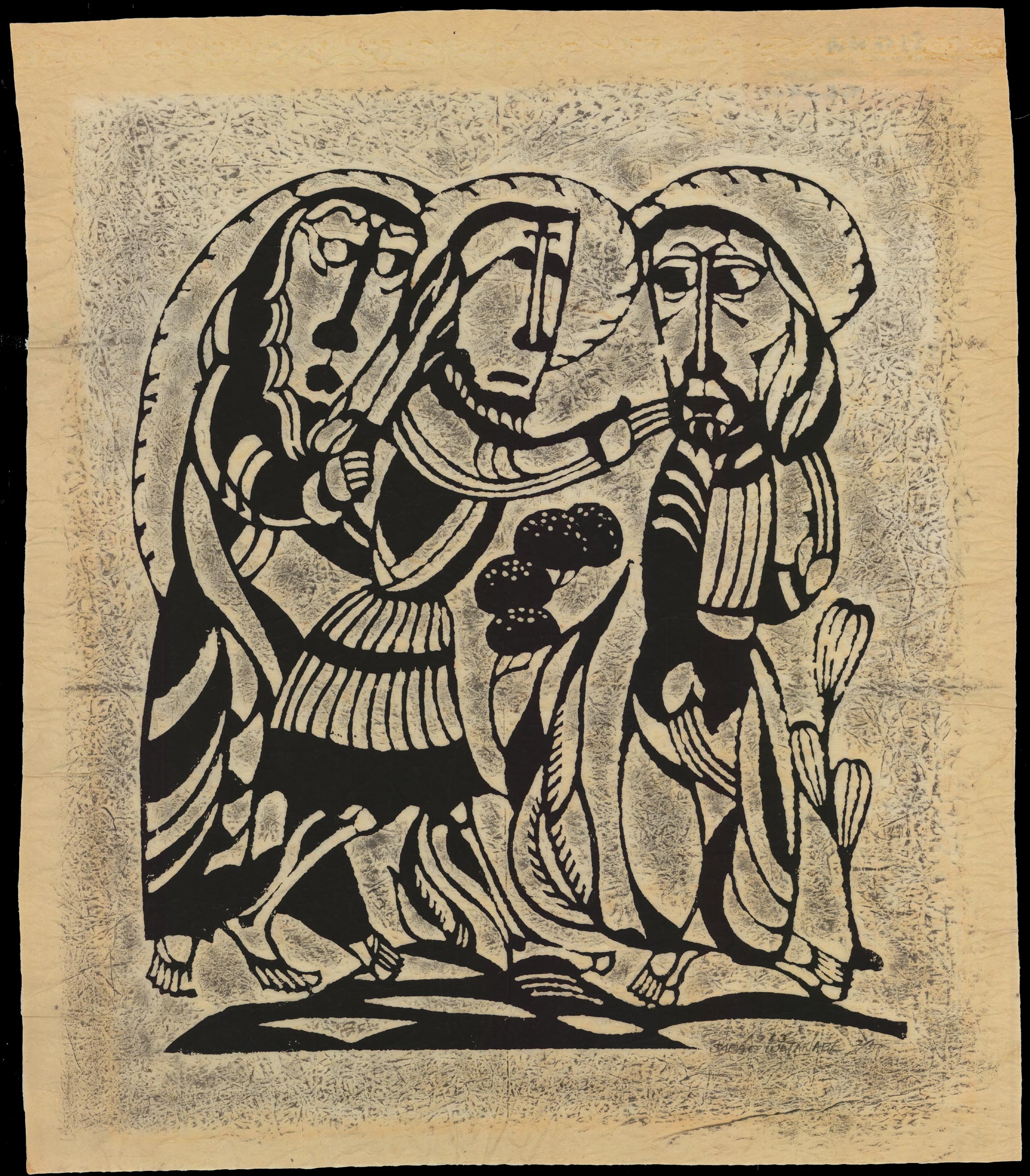
Peter Cut Ear of Soldier
Woodblock print
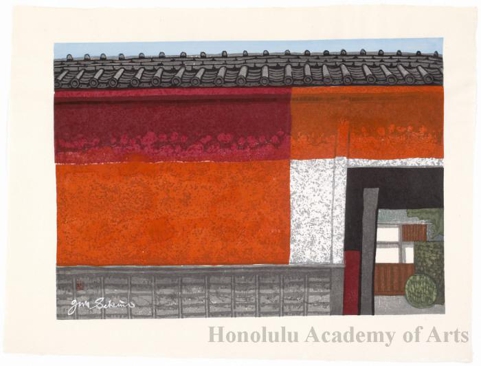
Kameyama: Samurai Mansion
Woodblock print
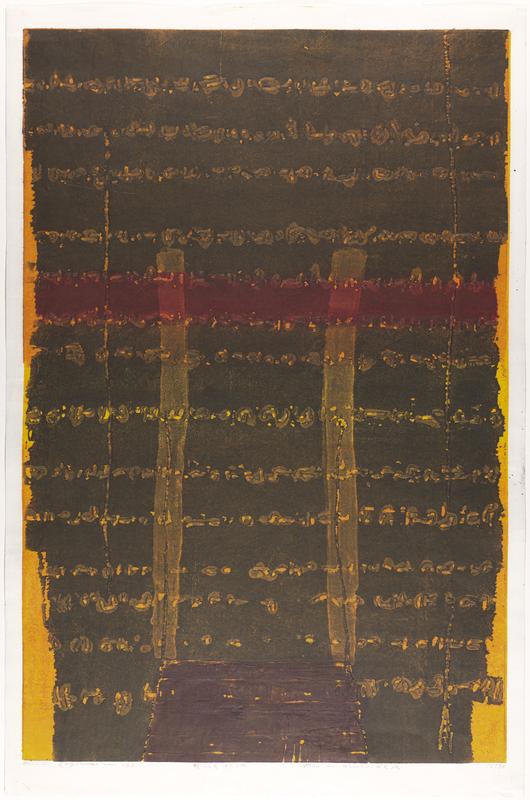
Man in Armor No. 12
1962
Woodblock print, ink and color on paper

Man in Armor No. 19
1963
Woodblock print, ink and color on paper
Related Subjects
Frequently Asked Questions
Warrior prints (musha-e) depict samurai, historical battles, legendary heroes, and martial subjects drawn from Japanese history, mythology, and literature. The genre flourished in the nineteenth century as artists responded to public appetite for dramatic narratives of valor, loyalty, and supernatural power, producing some of the most visually dynamic compositions in the woodblock tradition.
Kobayashi Kiyochika, Tsukioka Yoshitoshi, and Ogata Gekko are among the artists most associated with warriors in our collection. Browse the full list of artists who explored this subject above.
Hanga currently catalogues 395 prints tagged with warriors, spanning ukiyo-e, shin-hanga, and sōsaku-hanga traditions where applicable.