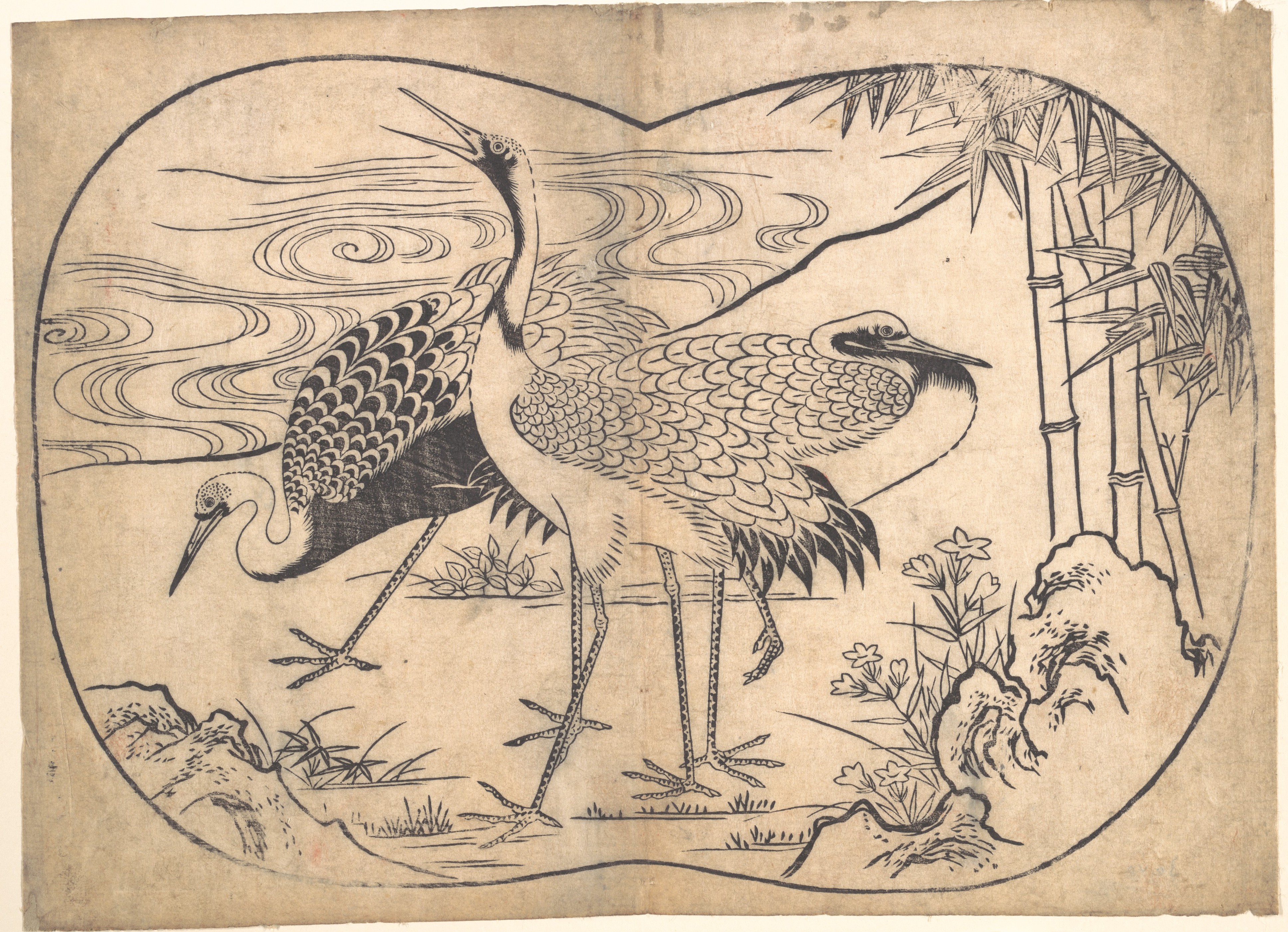
Cranes
- Medium:
- Monochrome woodblock print; ink on paper
- Source:
- Metropolitan Museum of Art
Description
Cranes is a book illustration by Hishikawa Moronobu in the Metropolitan Museum of Art, devoted to one of the most freighted motifs in Japanese visual culture. Cranes signified longevity, fidelity, and good fortune, and they had been a staple of court painting, lacquer, and textile design for centuries before Moronobu turned to them in printed form. The ukiyo-e founder treats the birds at near life-size on the page, drawing them in the same confident, weight-bearing line he used for figural subjects. A pair of cranes occupies the picture field; their necks form the long compositional sweep that holds the design together, and pine branches behind them—another emblem of long life—balance the negative space. Moronobu's brush sets out feather patterns in clean horizontal strokes, then leaves the bird's body largely unfilled so the silhouette reads strongly against the cream of the paper. This kind of subject was rare in early commercial ukiyo-e, which is part of what makes the sheet noteworthy: Moronobu was demonstrating that the same printed medium he used for courtesans and theater could also accommodate the auspicious, gift-appropriate imagery long associated with high-end painting. The Met records the leaf with an early seventeenth-century date, although the work fits better with Moronobu's productive years from the 1670s onward. As a piece of early Edo ukiyo-e, Cranes shows Hishikawa Moronobu deliberately staking out new ground for the printed book and reinforcing his claim to the title of ukiyo-e founder.
More Prints by Hishikawa Moronobu
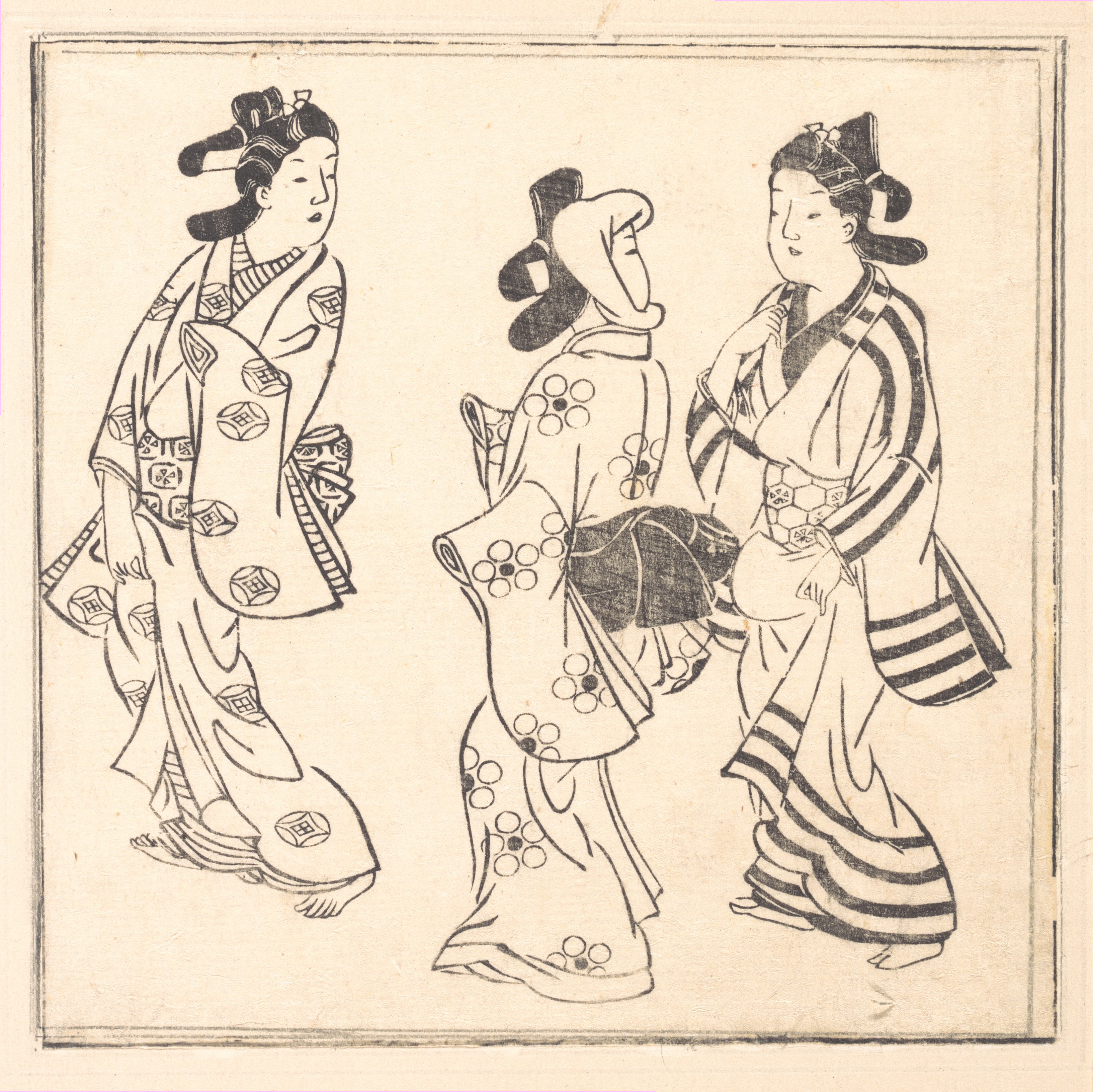
Leaf from a Book Entitled: Wakoku Hiaku-jo: One Hundred Japanese Women
Monochrome woodblock print; ink on paper

Fūryū sugatae hyakunin isshu
1695 Genroku 8
Woodblock- printed book; 3 vols.
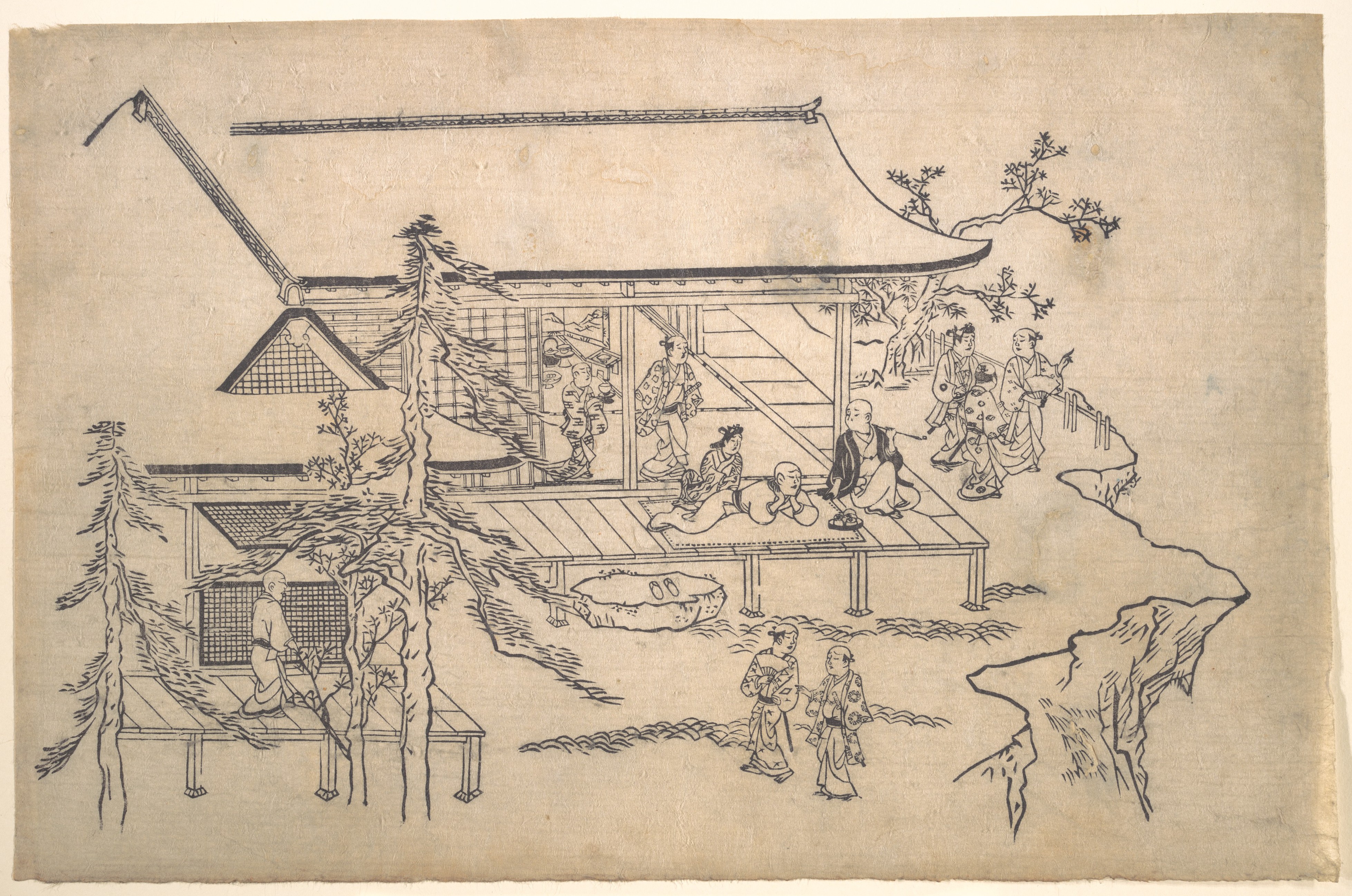
Flower-Viewing Scene
ca. 1685
Monochrome woodblock print (sumie); ink on paper
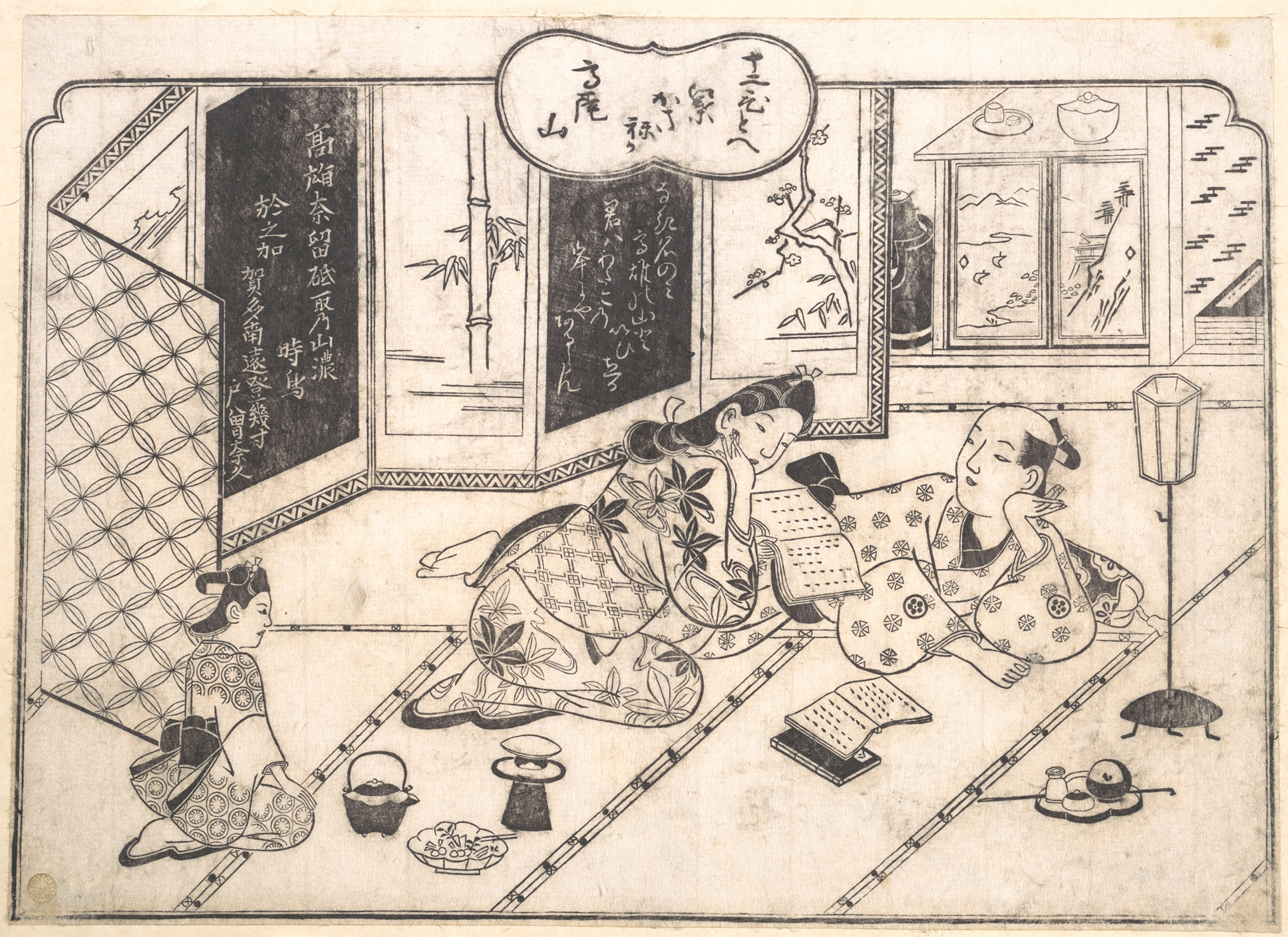
Go to Takaoyama to see Maple Leaves having Twelve Points
ca. 1690
Woodblock print; ink and color on paper
More Birds & Flowers Prints
Frequently Asked Questions
Cranes was created by Hishikawa Moronobu (菱川師宣).
Cranes depicts birds & flowers.