
Autumn colors at Takinokawa
by Inoue Yasuji
- Source:
- ukiyo-e.org
Description
Autumn Colors at Takinokawa is a landscape print by Inoue Yasuji that turns from the dense urban geography of Tokyo Famous Places toward the wooded suburban valleys north of the capital. Takinokawa, in the Oji district, was famous from the Edo period for its red maples along the Shakujii River, and Hiroshige had already established the spot in the meisho canon. Inoue Yasuji, working a generation later in the kosen-ga manner he learned from Kobayashi Kiyochika, treats the subject with markedly less theatricality: a winding path, a wooden footbridge, and a handful of figures pause beneath a canopy of maple foliage rendered in graduated reds, oranges, and quiet greens. Bokashi printing in the sky and water carries most of the seasonal mood, while the keyblock confines itself to lean contours that allow the color blocks to speak. The print sits within Inoue Yasuji's broader project of updating Edo place pictures for the Meiji audience without abandoning their poetic register, an approach that distinguished his Meiji prints from the brasher Yokohama-e and propaganda sheets of the same decade. As preserved through ukiyo-e.org reference imagery, Autumn Colors at Takinokawa offers a useful comparison point to his more urban Tokyo Famous Places sheets, showing how he could deploy the same printing technology to a quietly meditative end. For scholars of late nineteenth-century landscape printmaking, the design illustrates Inoue Yasuji's particular contribution to the meisho tradition.
More Prints by Inoue Yasuji

The Emperor Meiji and Empress in a Carriage during their Silver Wedding Anniversary Celebration at Aoyama
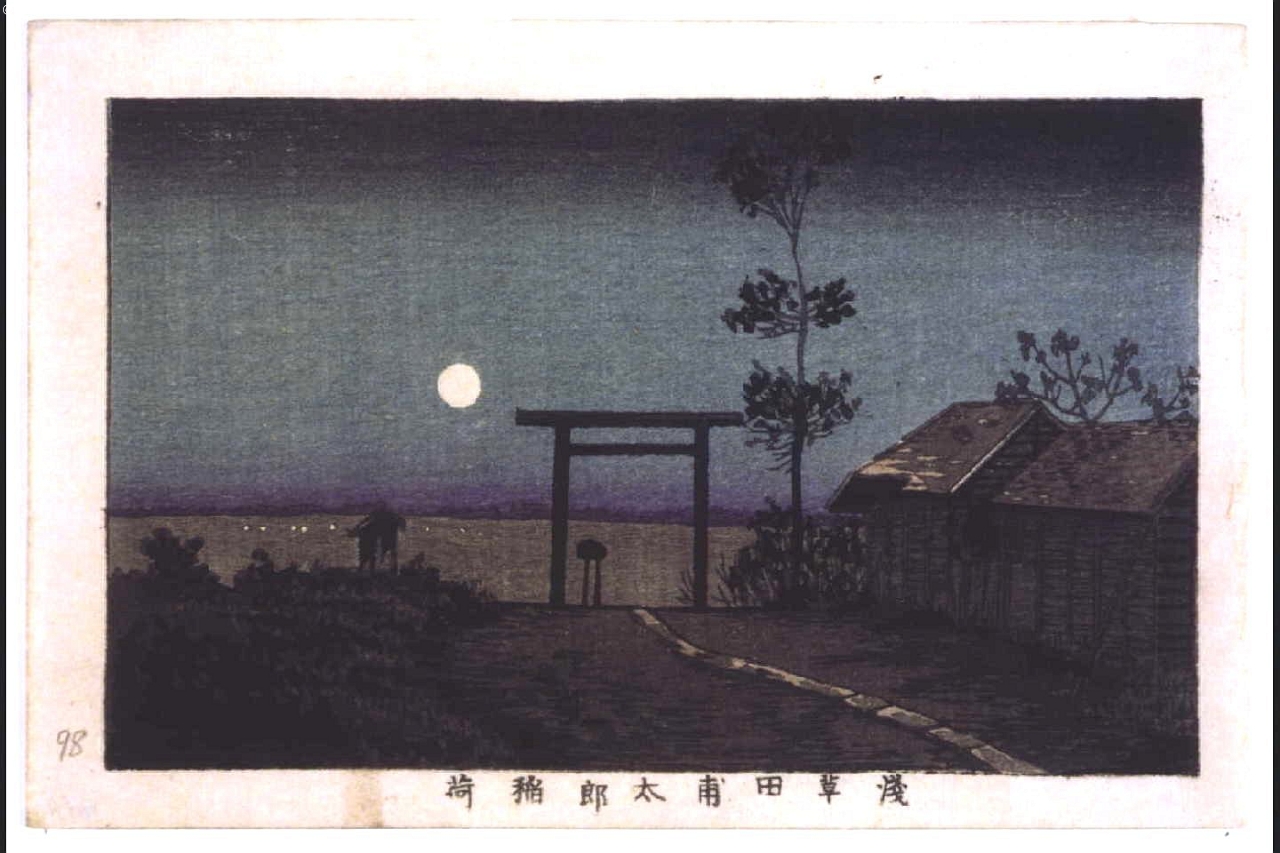
True Pictures of Famous Places in Tokyo: Taro Inari Shrine in Asakusa-tanbo
Woodblock print
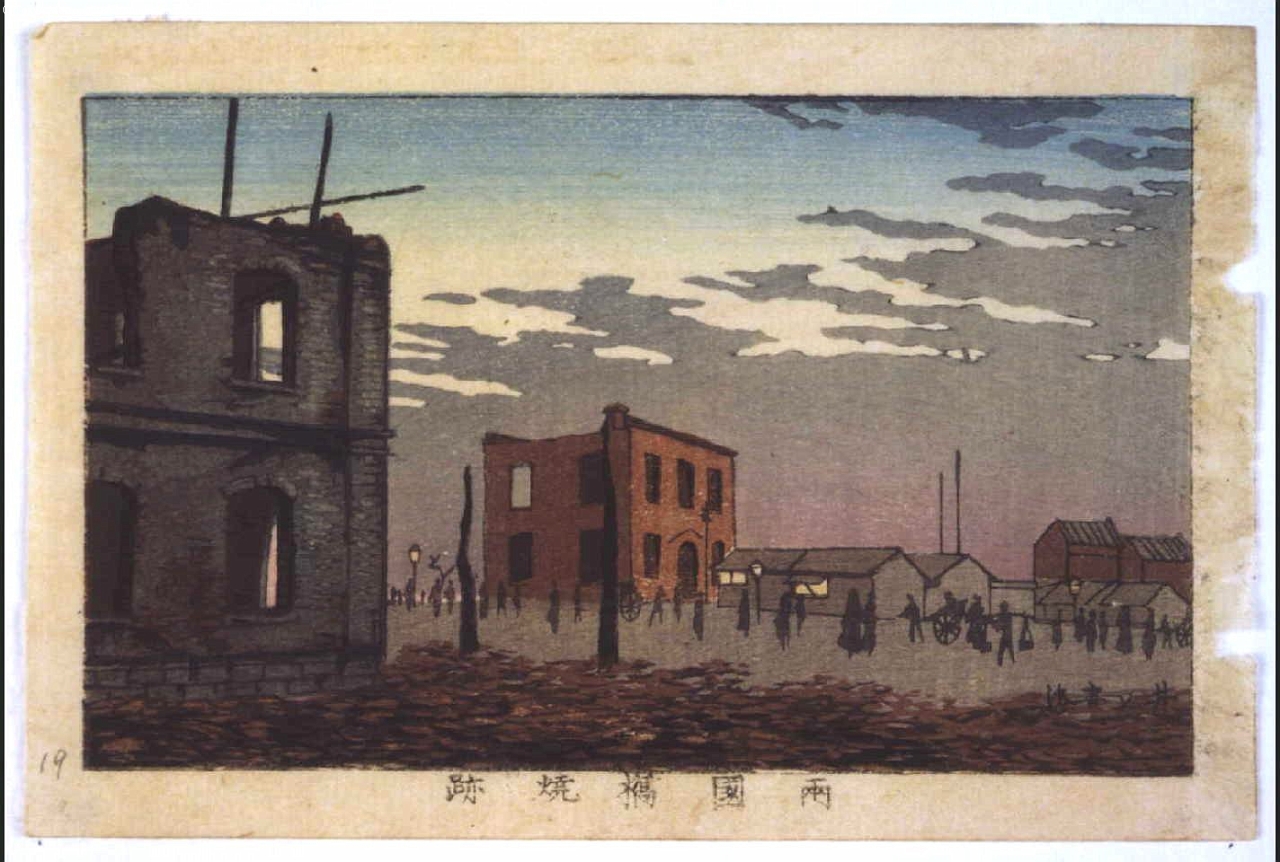
True Pictures of Famous Places in Tokyo: The Burnt Remains of Ryogokubashi Bridge
Woodblock print
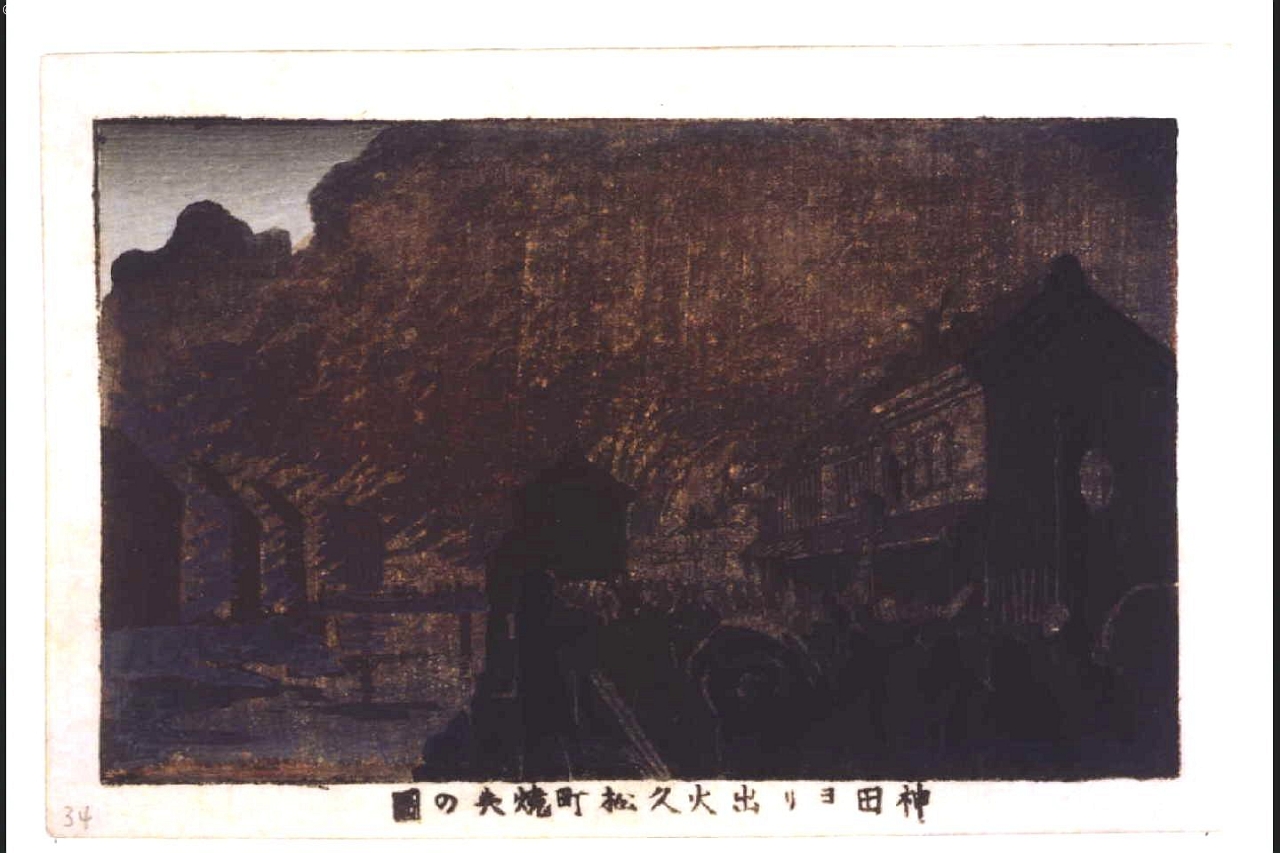
True Pictures of Famous Places in Tokyo: The Destruction of Hisamatsucho in a Fire that Started in Kanda
Woodblock print
More Autumn Foliage Prints

A Farmhouse in Autumn, Ayashi, Miyagi Prefecture (Noka no aki (Miyagi ken Ayashi)
Noka no aki (Miyagi ken Ayashi
1946
Color woodblock print
Yoro Waterfall in Mino Province (Mino no kuni Yoro no taki), from the series Tour of the Waterfalls in Various Provinces (Shokoku Takimeguri)
Woodblock print

Tengui Rock, Autumn in Shiobara (Shiobara no aki (Tenguiwa))
1950
Color woodblock print

Autumn at the Arayu Hot Spring, Shiobara
Autumn 1920
Woodblock print, ink and color on paper
Frequently Asked Questions
Autumn colors at Takinokawa was created by Inoue Yasuji (井上安治).
Autumn colors at Takinokawa depicts autumn foliage.