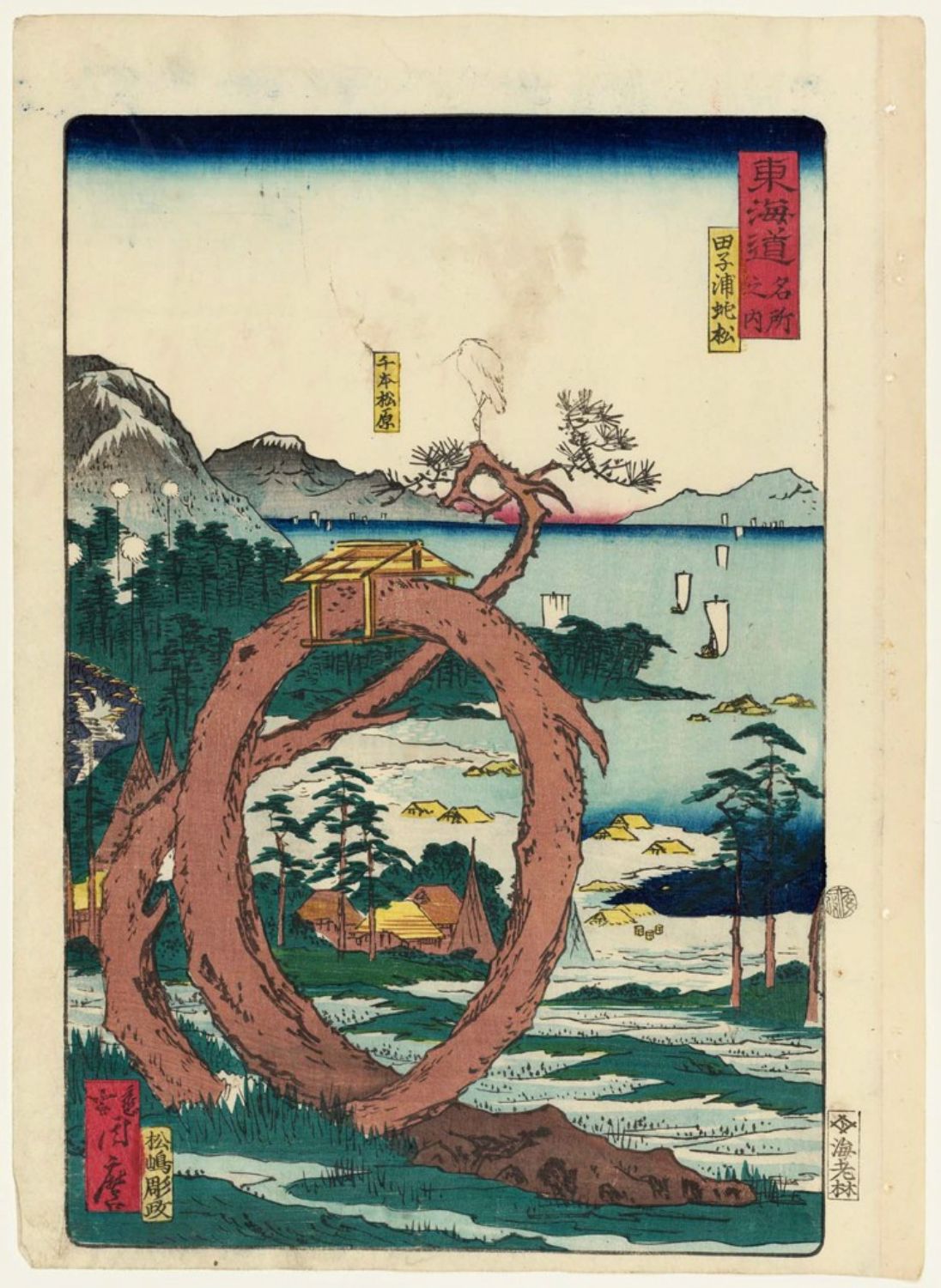
The Snake Pine at Tago Bay (Tago no ura hebimatsu), from the series Scenes of Famous Places along the Tôkaidô Road (Tôkaidô meisho fûkei), also known as the Processional Tôkaidô (Gyôretsu Tôkaidô), here called Tôkaidô meisho no uchi
- Medium:
- Woodblock print
- Source:
- Museum of Fine Arts Boston
- Image courtesy of
- Museum of Fine Arts Boston
Description
The first or base state of the Tago no Ura hebimatsu design from the Tōkaidō meisho fūkei series. Tago Bay, long commemorated in classical poetry as a site where the white peak of Fuji could be seen rising beyond the pines and the sea, provided Kyosai with a composition that balances natural drama and poetic association. The snake pine — a real tree known for its unusually contorted growth habit — is depicted in a manner that accentuates its sculptural character, contrasting with the open sky and water of the bay beyond. This meisho-e follows the established conventions of the form: foreground landmark, middle-distance figures or activity, and a celebrated geographic feature on the horizon. The print's color palette likely draws on indigo for the water, green for the pine, and pale ochre for the sandy shore.
More Prints by Kawanabe Kyosai
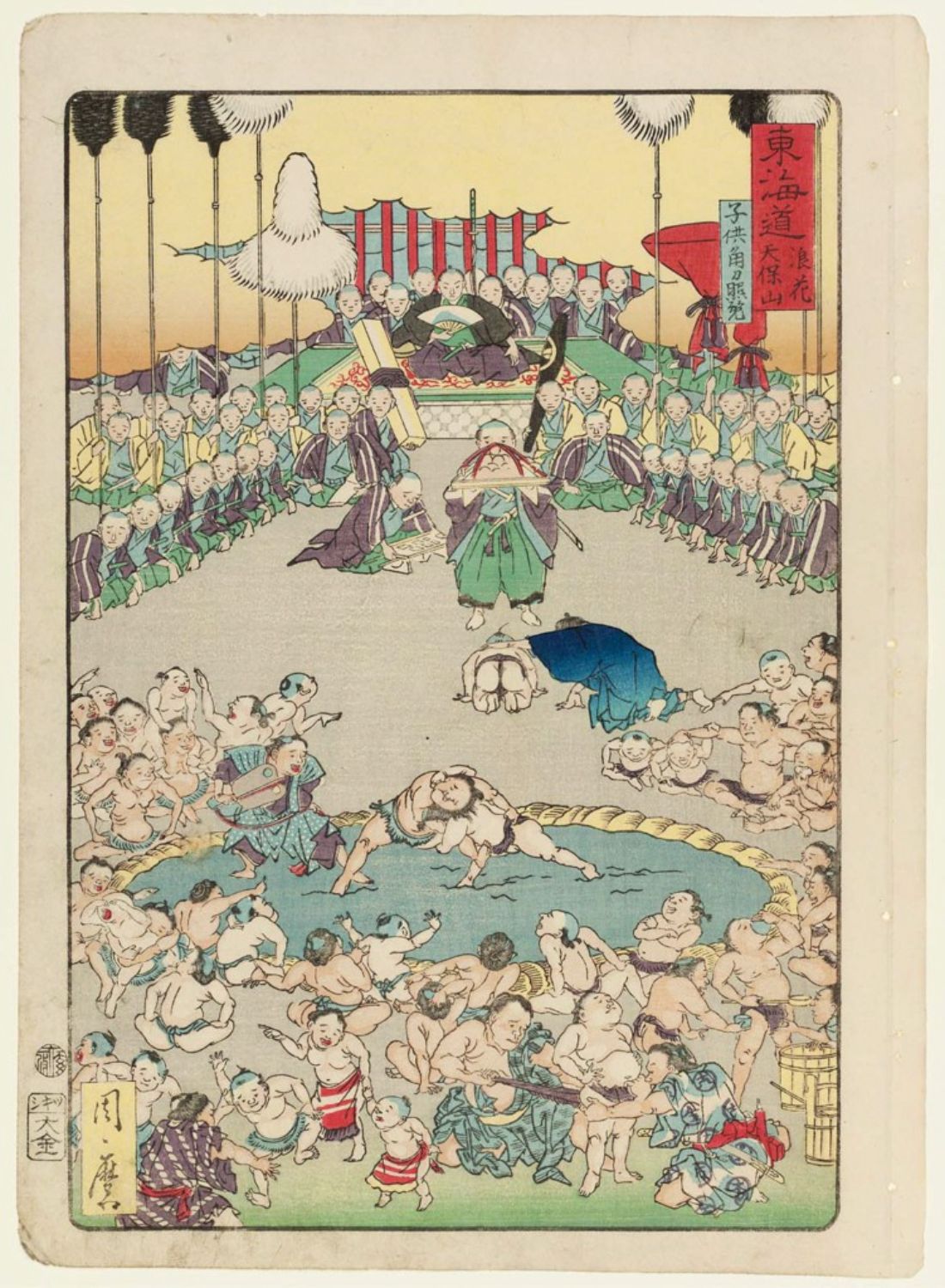
Tenpôzan in Osaka: Viewing Children's Sumo (Naniwa Tenpôzan kodomo sumô shôran), from the series Scenes of Famous Places along the Tôkaidô Road (Tôkaidô meisho fûkei), also known as the Processional Tôkaidô (Gyôretsu Tôkaidô), here called Tôkaidô
1863
Woodblock print
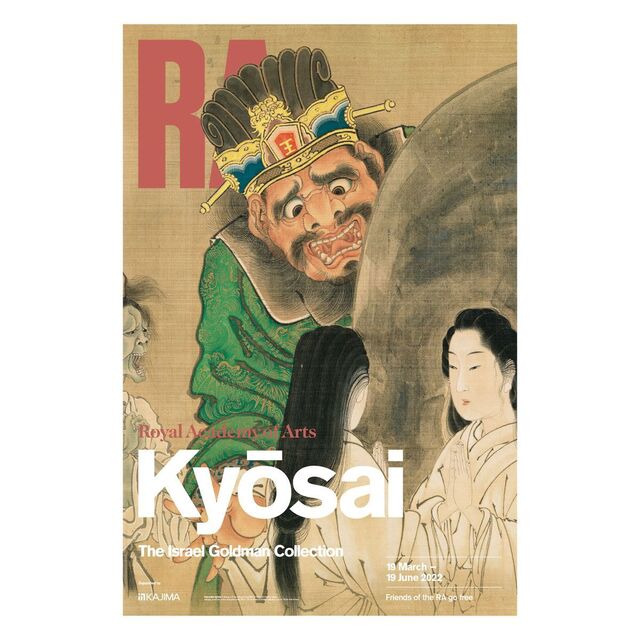
Kyosai, Royal Academy, London, FREE DOMESTIC SHIPPING
2022
Original Museum Lithographic Exhibition Poster
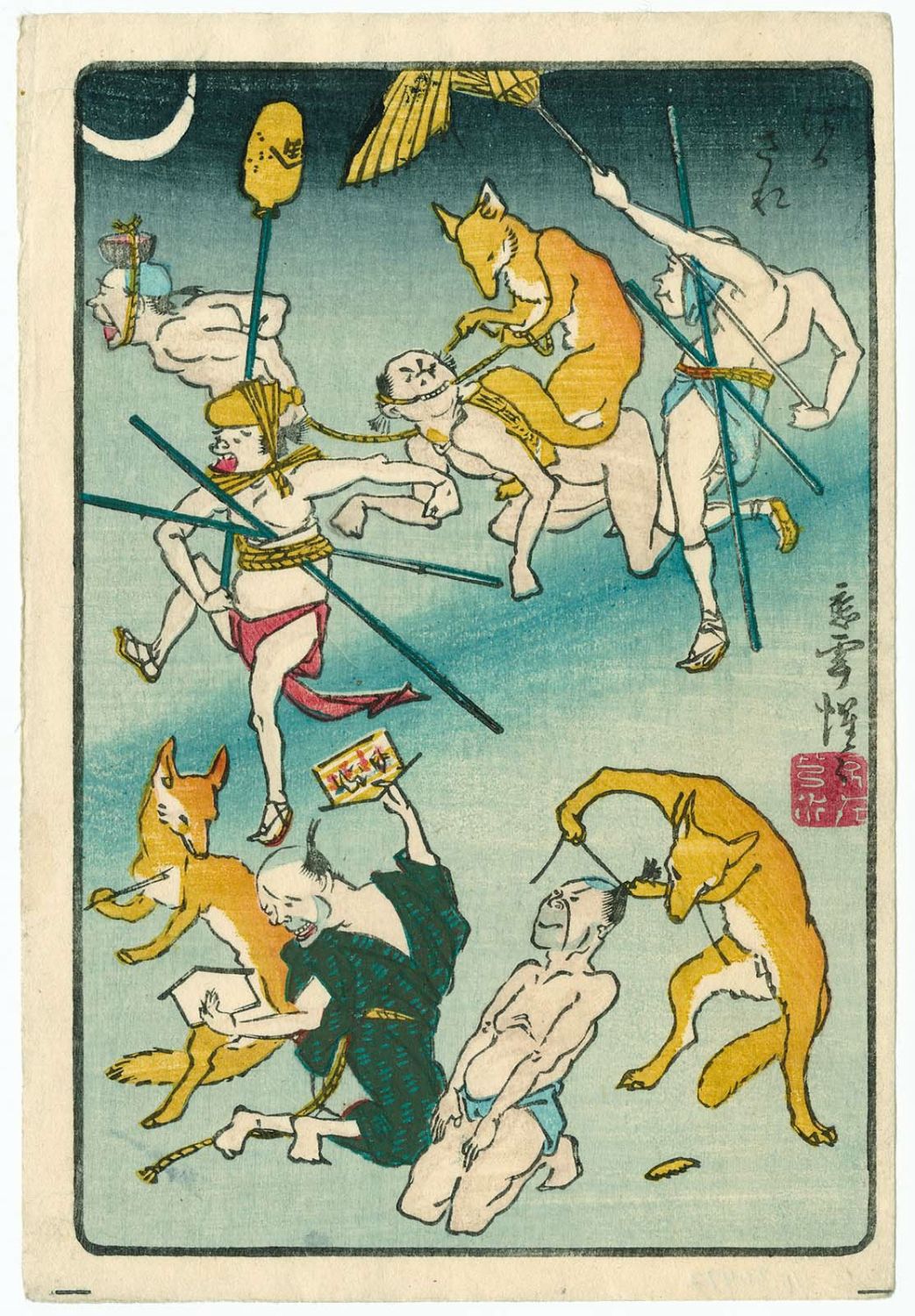
from the series One Hundred Pictures by Kyôsai (Kyôsai hyakuzu)
Woodblock print
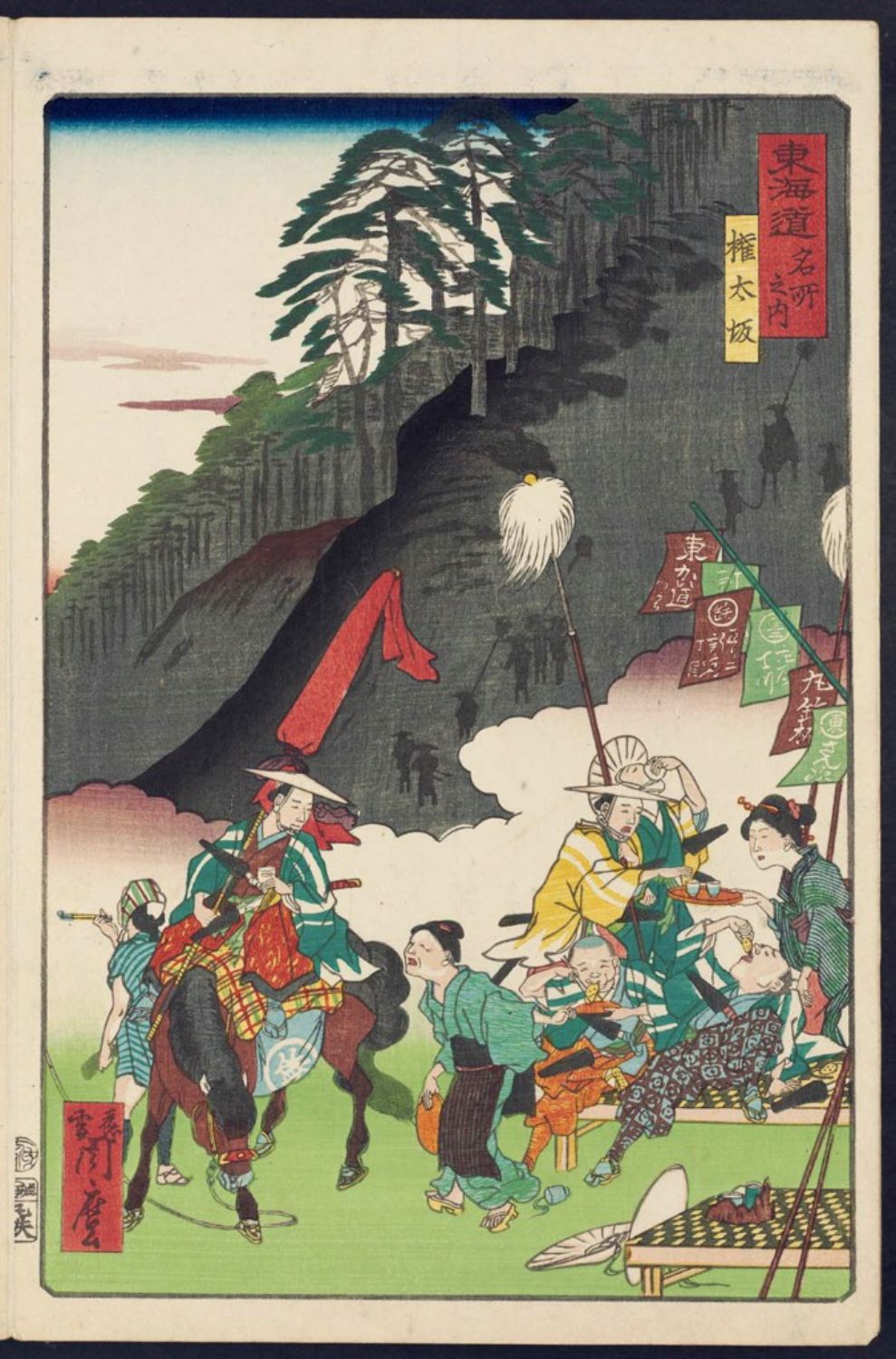
Gontazaka, from the series Scenes of Famous Places along the Tôkaidô Road (Tôkaidô meisho fûkei), also known as the Processional Tôkaidô (Gyôretsu Tôkaidô), here called Tôkaidô meisho no uchi
Woodblock print
More Landscapes Prints

Lake Kugushi in Wakasa Province (Wakasa Kugushiko), from the series Souvenirs of Travel I (Tabi miyage dai isshu)"
Wakasa Kugushiko
1920
Color woodblock print; oban
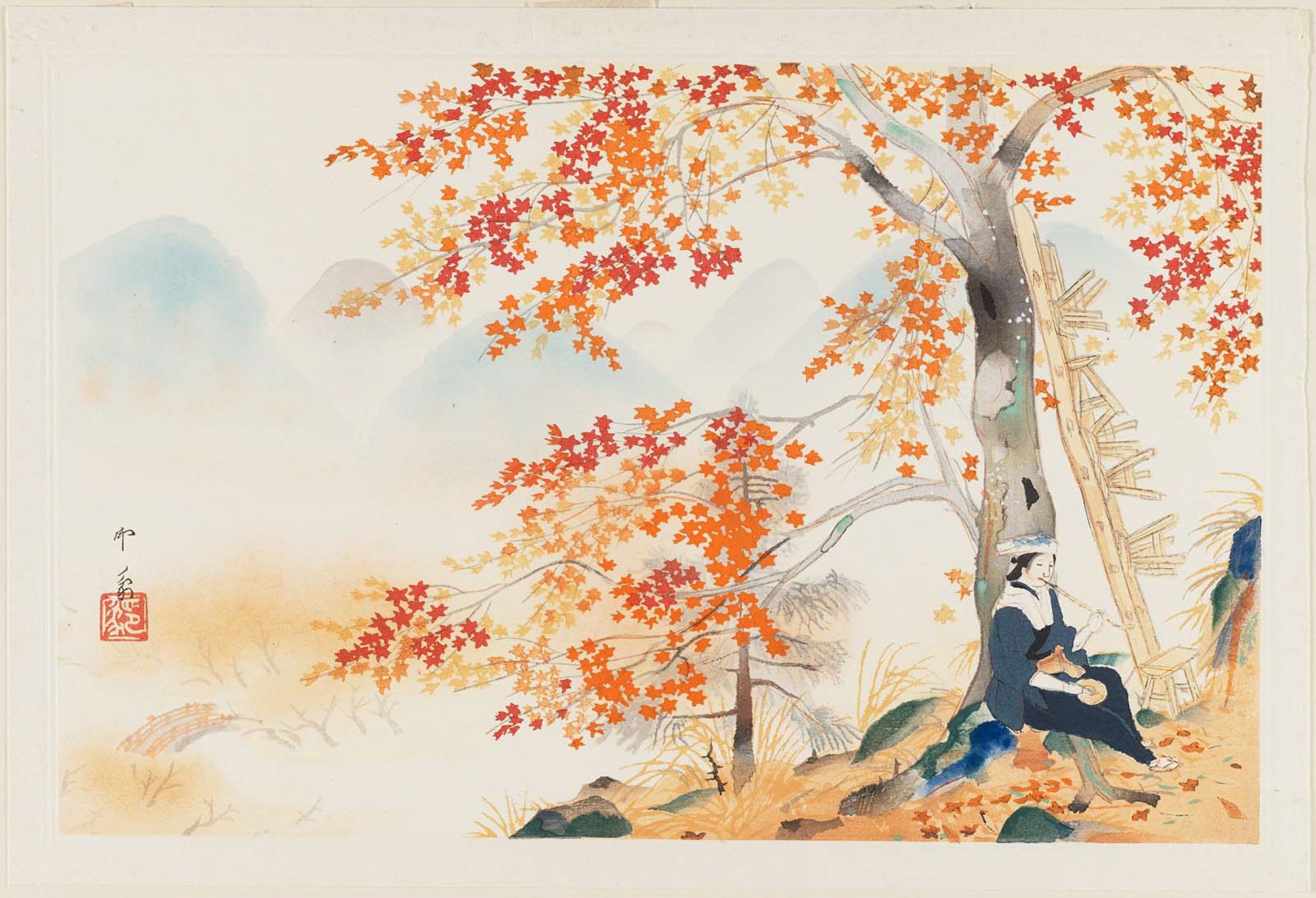
Autumn Maple Leaves at Takao, from the album Eight Views of Kyoto (Kyôto hakkei)
Woodblock print

The Beach at Kaiganji in Sanuki Province (Sanuki Kaiganji no hama), from the series "Collection of Views of Japan II, Kansai Edition (Nihon fukei shu II Kansai hen)"
1934
Color woodblock print; oban

Tea Kettle, section of a sheet from the series "Mirror of Stone Rubbings of Views of the Provinces" (Kohon meihitsu ishizuri kagami)
n.d.
Woodblock print; ishizuri-e, section of harimaze sheet
Featured in Collections
Curated cross-cuts that include this print.
Frequently Asked Questions
The Snake Pine at Tago Bay (Tago no ura hebimatsu), from the series Scenes of Famous Places along the Tôkaidô Road (Tôkaidô meisho fûkei), also known as the Processional Tôkaidô (Gyôretsu Tôkaidô), here called Tôkaidô meisho no uchi was created by Kawanabe Kyosai (河鍋暁斎).
Yes — The Snake Pine at Tago Bay (Tago no ura hebimatsu), from the series Scenes of Famous Places along the Tôkaidô Road (Tôkaidô meisho fûkei), also known as the Processional Tôkaidô (Gyôretsu Tôkaidô), here called Tôkaidô meisho no uchi is part of the Scenes of Famous Places along the Tôkaidô Road series by Kawanabe Kyosai.
The Snake Pine at Tago Bay (Tago no ura hebimatsu), from the series Scenes of Famous Places along the Tôkaidô Road (Tôkaidô meisho fûkei), also known as the Processional Tôkaidô (Gyôretsu Tôkaidô), here called Tôkaidô meisho no uchi depicts landscapes, tōkaidō, and famous places (meisho-e).