
Shinjuku Station (Shinjuku eki), from the series "Scenery of Shinjuku (Gashu Shinjuku fukei)"
by Oda Kazuma
- Series:
- Scenery of Shinjuku
- Date:
- 1930
- Medium:
- Color lithograph
- Source:
- Art Institute of Chicago
Description
Shinjuku Station, depicted in this 1930 color lithograph from the "Scenery of Shinjuku" series, was undergoing transformation from a regional railway stop into one of Tokyo's great transit hubs — a process that would accelerate throughout the decade and eventually make it the busiest station in the world. Kazuma captures the station building and its immediate surroundings: the flow of passengers, the rickshaws and cars beginning to mix with pedestrians, the sense of a node of modern movement around which the new Shinjuku was organizing itself.
More Prints by Oda Kazuma

More Urban Scenes Prints
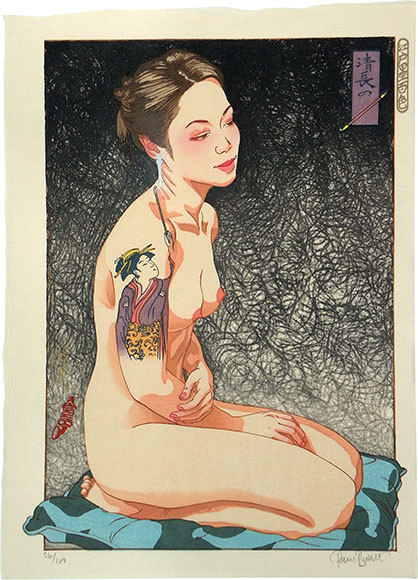
A Hundred Shades of Ink of Edo: Kiyonaga's Pipe (Edo zumi hyaku shoku: Kiyonaga no kiseru)
Woodblock print

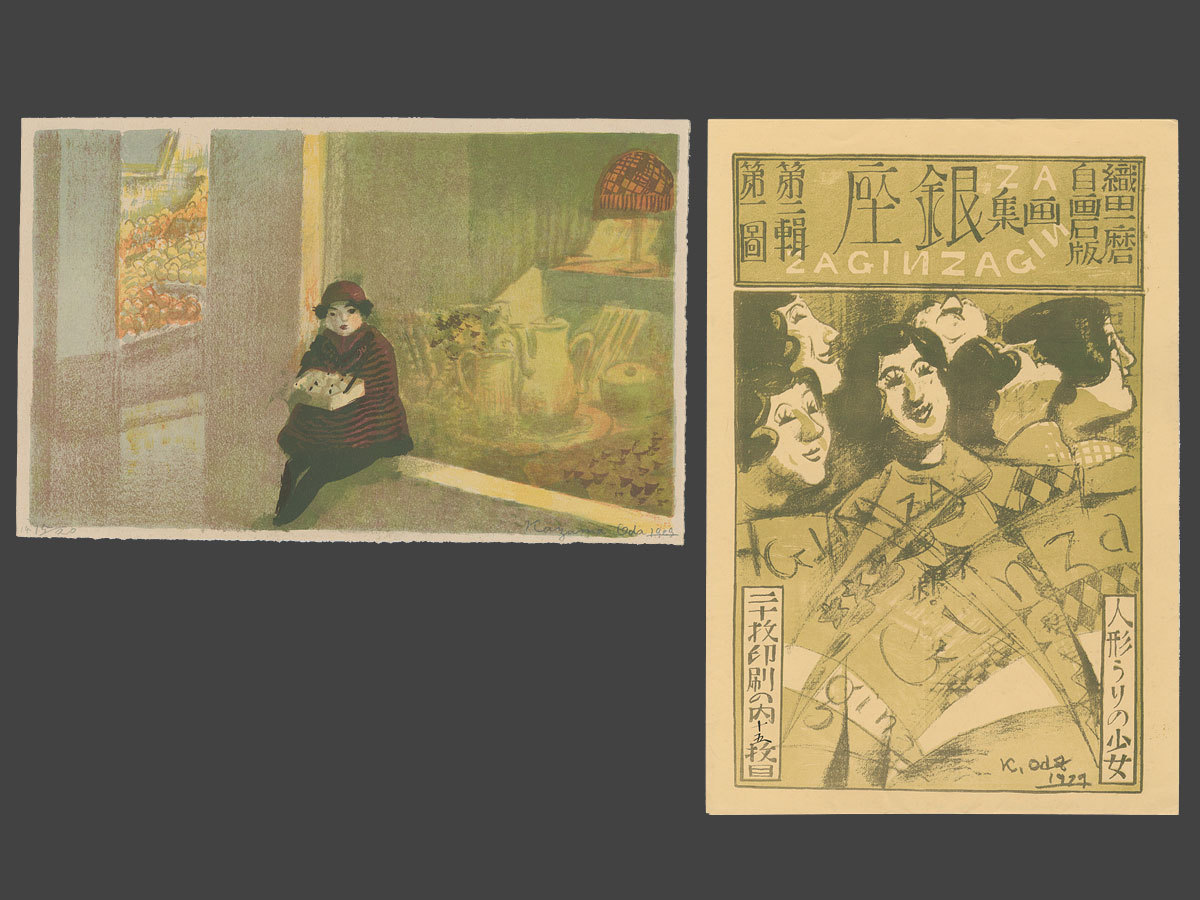
View of Kabuki Theater from Matsuya (Ginza Matsuya yori Kabukiza), no. 3 from the series "Pictures of Ginza, First Series (Gashu Ginza dai isshu)"
1928
Color lithograph

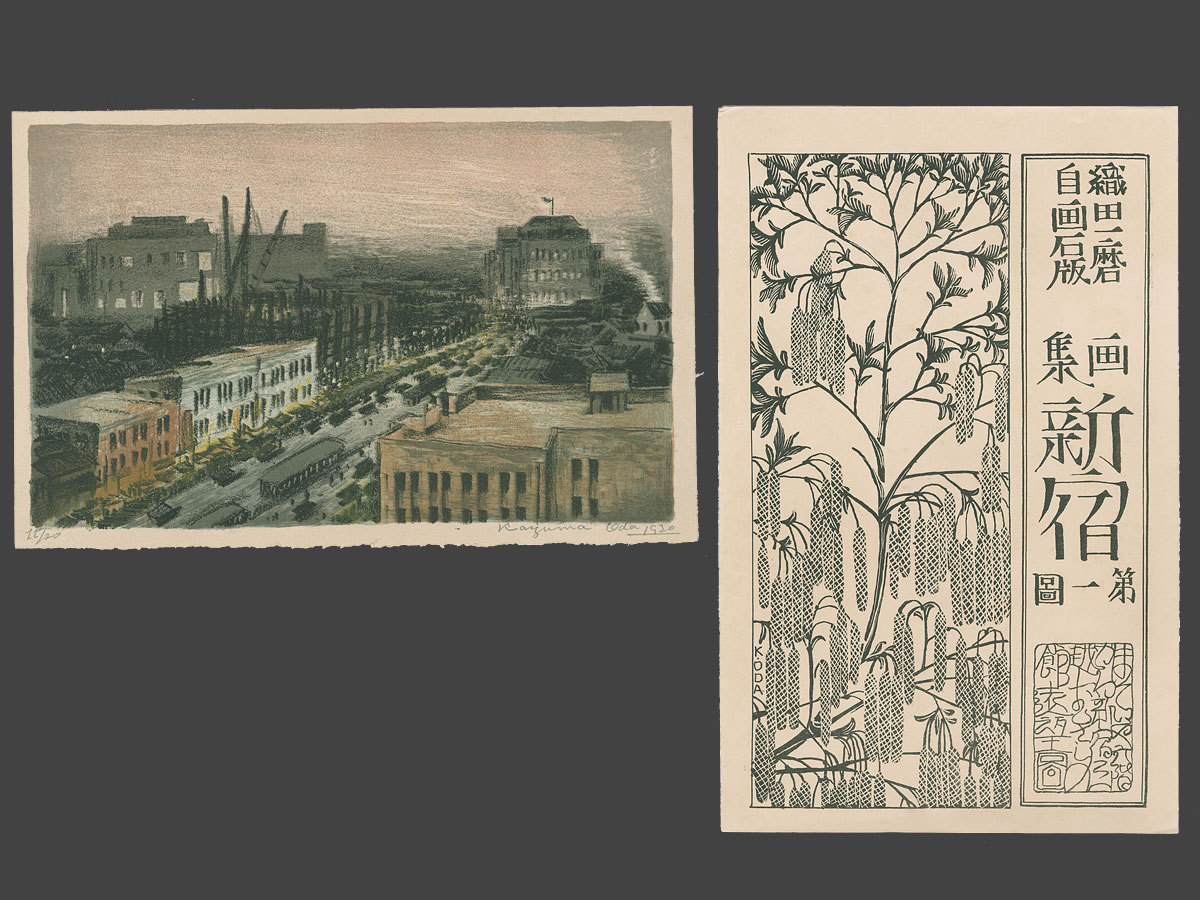
Distant View of Mitsukoshi Movie Theater in Shinjuku from the Sixth Floor of Hoteiya (Hoteiya rokkai kara Shinjuku Mitsukoshi Musashi no kan enbo zu), no. 1 from the series "Scenery of Shinjuku (Gashu Shinjuku fukei)"
1930
Color lithograph
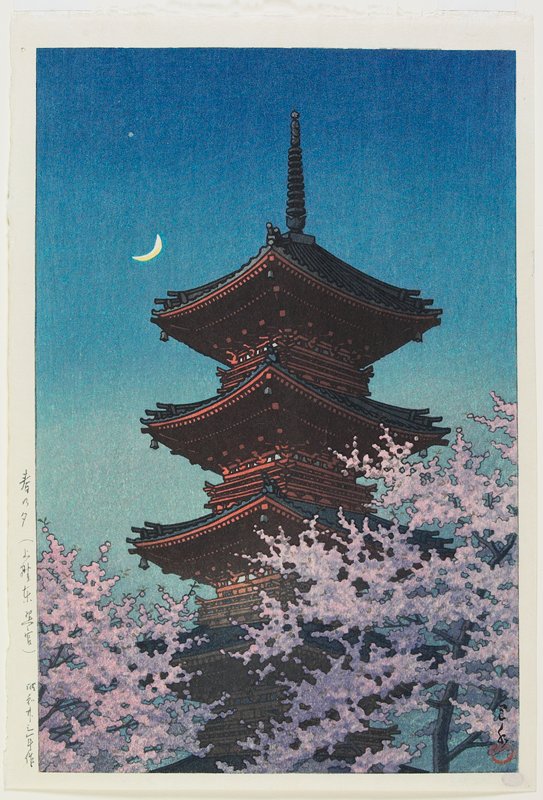
Spring Dusk at the Tōshō Shrine in Ueno
1948
Woodblock print, ink and color on paper
Featured in Collections
Curated cross-cuts that include this print.
Frequently Asked Questions
Shinjuku Station (Shinjuku eki), from the series "Scenery of Shinjuku (Gashu Shinjuku fukei)" was created by Oda Kazuma (織田一磨) in 1930.
Yes — Shinjuku Station (Shinjuku eki), from the series "Scenery of Shinjuku (Gashu Shinjuku fukei)" is part of the Scenery of Shinjuku series by Oda Kazuma.
Shinjuku Station (Shinjuku eki), from the series "Scenery of Shinjuku (Gashu Shinjuku fukei)" uses Lithograph, on color lithograph.
Shinjuku Station (Shinjuku eki), from the series "Scenery of Shinjuku (Gashu Shinjuku fukei)" depicts urban scenes and travel scenes.