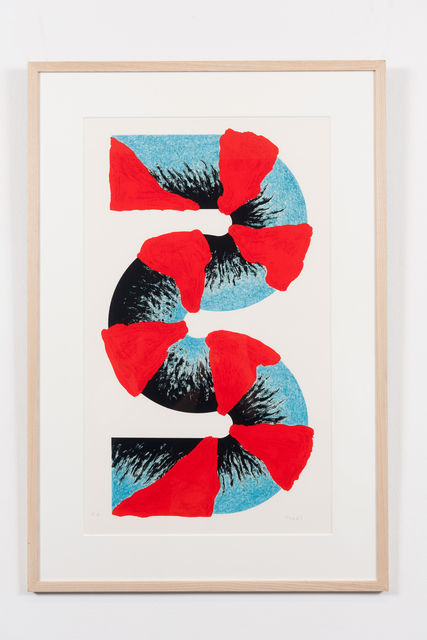
Lovers
by Kumi Sugai
- Date:
- 1988
- Medium:
- Silk screen
- Image courtesy of
- Artsy
Description
Lovers is a print by Kumi Sugai, dated 1988 and produced during the latter half of the artist's long career in France. Born in Kobe in 1919, Sugai trained at the Osaka School of Fine Arts before moving to Paris in 1952, where he established himself as one of the most distinctive Japanese-born artists of the Ecole de Paris generation and one of the most internationally recognized practitioners of modernist abstraction with a Japanese inheritance. His mature work, exemplified by the geometric compositions, hard-edged forms, and saturated colors that he developed from the late 1960s onward, often used motorways, road signs, and abstract symbols as the iconographic anchor for severe planar designs. Lovers is a recurring theme in his prints, treated through an abstract or semi-abstract symbol vocabulary in which paired forms, circles, lines, and color planes stand for the romantic encounter without recourse to figurative description. The 1988 date places the print firmly in his late mature period, when his compositions had distilled into a graphic vocabulary at once Asian in its calligraphic economy and European in its modernist hardness. Sugai's prints were produced in close collaboration with French publishers, including the lithography and silkscreen workshops of Paris, and were widely collected during his lifetime through galleries and biennials in Tokyo and Western Europe. Within his oeuvre, Lovers belongs to the figurative-thematic group whose titles index human or emotional subject matter without abandoning the artist's commitment to flat, color-driven abstraction. The print is documented through the Artsy listing on the secondary market (https://www.artsy.net/artwork/kumi-sugai-lovers), which preserves a record of the design under Kumi Sugai's name. No museum acquisition is recorded in the working brief, and the print is therefore catalogued here from the secondary-market record and the artist's known practice in late twentieth-century European abstraction.
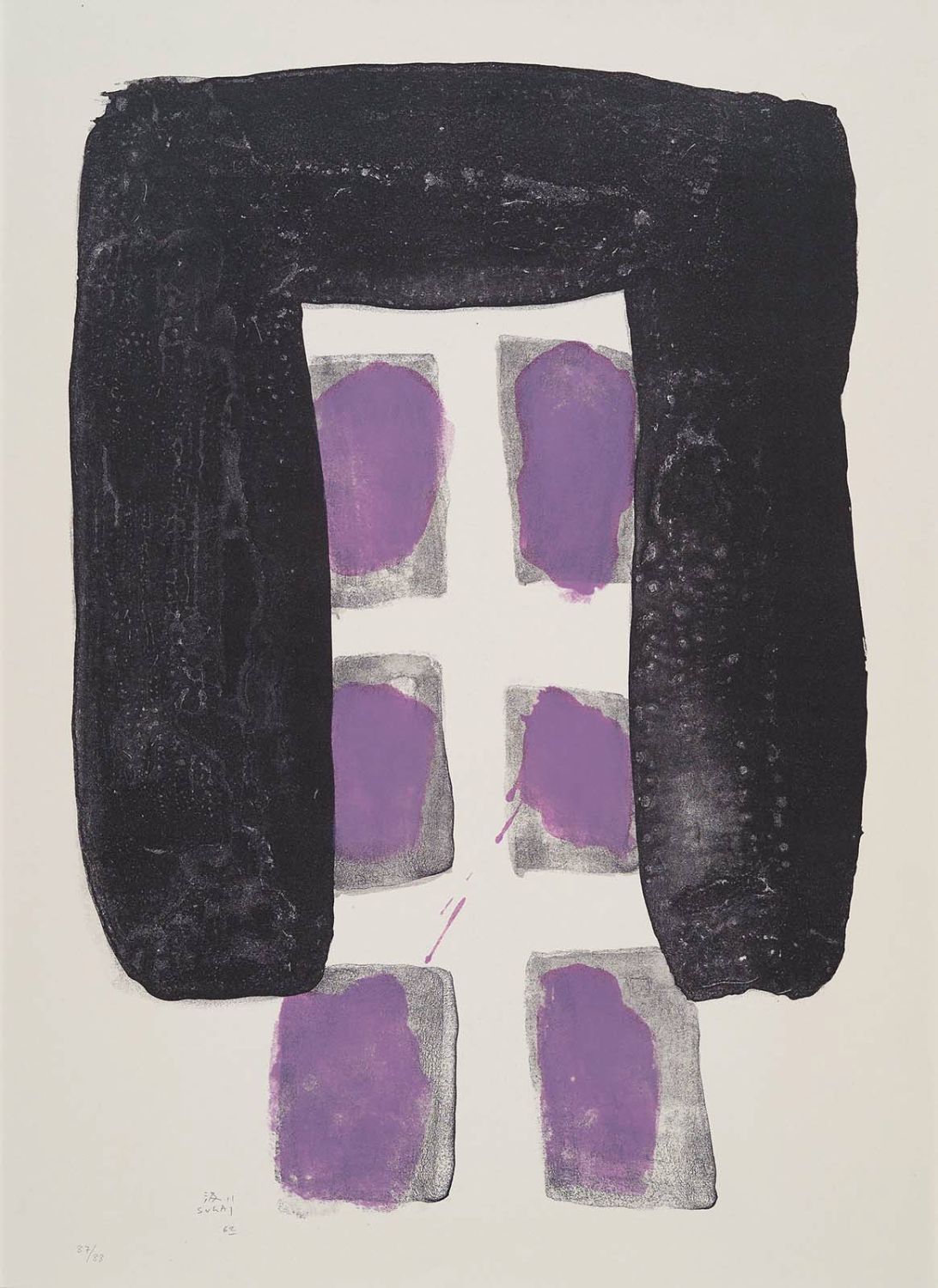
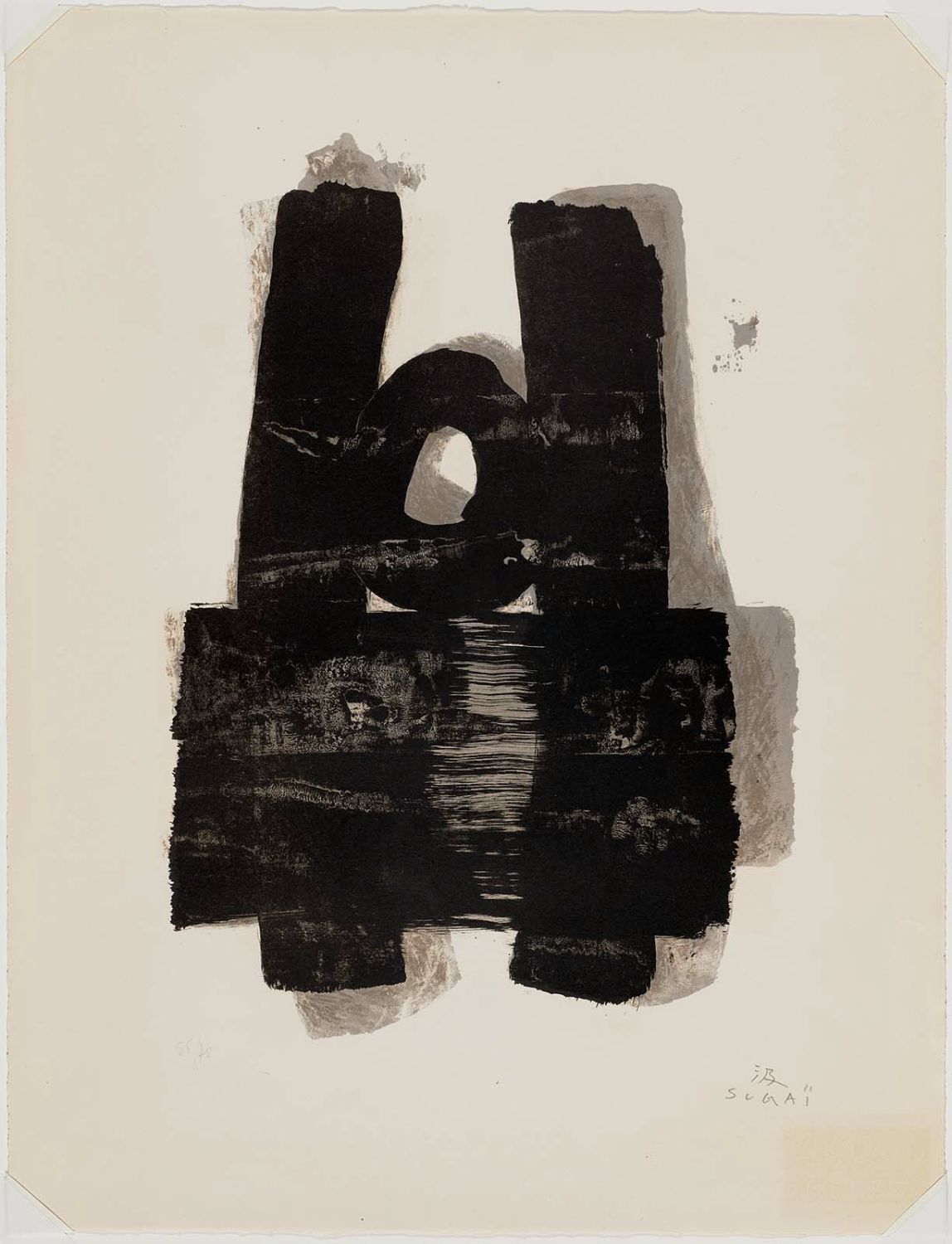
More Prints by Kumi Sugai


More Shunga Prints

Evening Glow for Date no Yosaku and Seki no Koman (Date no Yosaku Seki no Koman Sekisho), from the series Eight views of Traveling Lovers from Joruri Plays (Michiyuki hakkei)
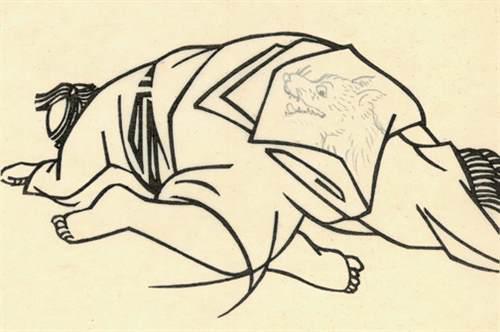
Zodiac Series of Erotica: Dog
Showa - Contemporary 1970's
Drawing
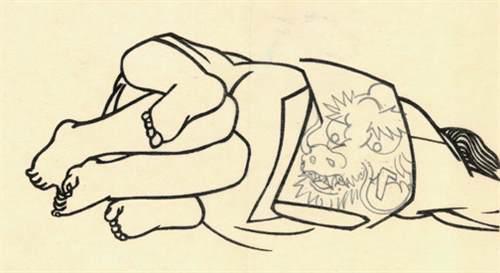
Zodiac Series of Erotica: Dragon
Showa - Contemporary 1970's
Drawing
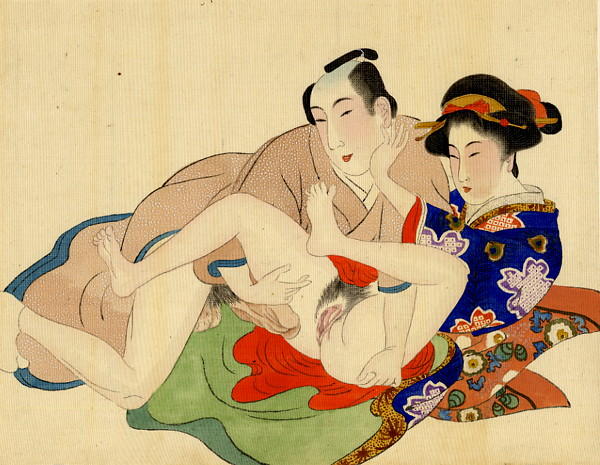
Shunga 1
1900
Woodblock print
Featured in Collections
Curated cross-cuts that include this print.
Frequently Asked Questions
Lovers was created by Kumi Sugai (菅井汲) in 1988.
Lovers uses Silkscreen, on silk screen.
Lovers depicts shunga.