
Akashi (from In the Garden of Genji)
明石
- Medium:
- Aquatint, deep etching, gold leaf
- Image courtesy of
- Hiroaki Miyayama Official Site — In the Garden of Genji
Description
The thirteenth chapter continues Genji's exile, this time on the Akashi shore, where a storm drives him further along the Inland Sea coast and into the household of the lay priest of Akashi, whose daughter becomes mother of Genji's eventual imperial line. Miyayama's print likely takes up either the music of the koto — the instrument by which the Akashi Lady is first introduced to Genji — or the layered horizons of pine, beach, and sea that Heian poetry assigned to the place name. Aquatint allows a tonal gradient close to the bokashi of woodblock printing, suited to the misted atmosphere of the chapter, while the deep-etched contour gives the spare image its graphic anchor. From Akashi onwards Genji's fortunes begin to rise, and the gold-leaf ground of subsequent plates returns to a more confident radiance.
More Prints by Hiroaki Miyayama
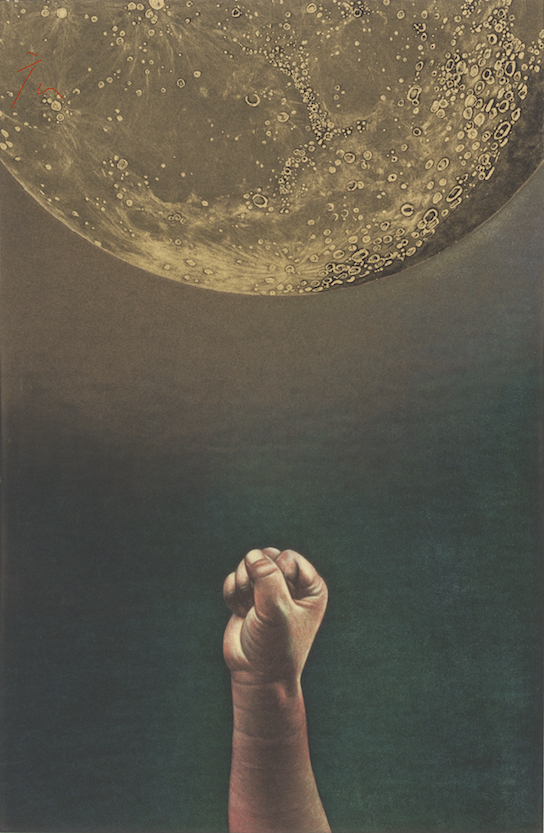


More Gardens Prints
![[Garden of] Taj Mahal, No. 1 (Taji Maharu no niwa, dai ichi) by Hiroshi Yoshida](https://www.artic.edu/iiif/2/230993a7-d4f0-c979-c267-127d48e1ef1c/full/843,/0/default.jpg)
[Garden of] Taj Mahal, No. 1 (Taji Maharu no niwa, dai ichi)
Taji Maharu no niwa, dai ichi
1931
Color woodblock print; oban

Kiyozumi Garden in Moonlight
January 1938
Woodblock print, ink and color on paper

Moon over Kiyosumi Garden (Tsuki no Kiyosumien)
1938
Color woodblock print; oban
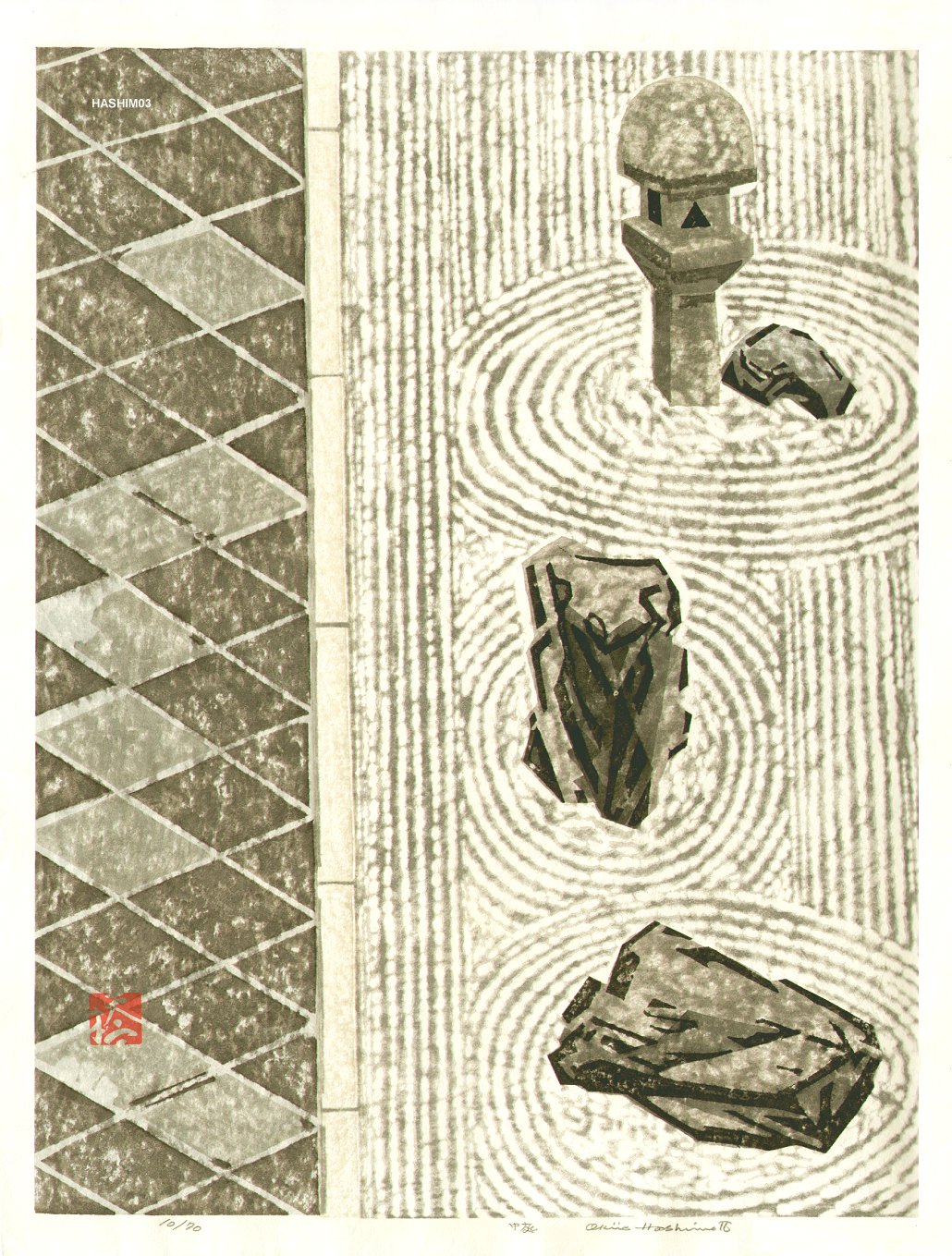
Rock garden
10/70, 1966
Woodblock print
Frequently Asked Questions
Akashi (from In the Garden of Genji) (明石) was created by Hiroaki Miyayama (宮山 広明).
Akashi (from In the Garden of Genji) depicts gardens and literary.