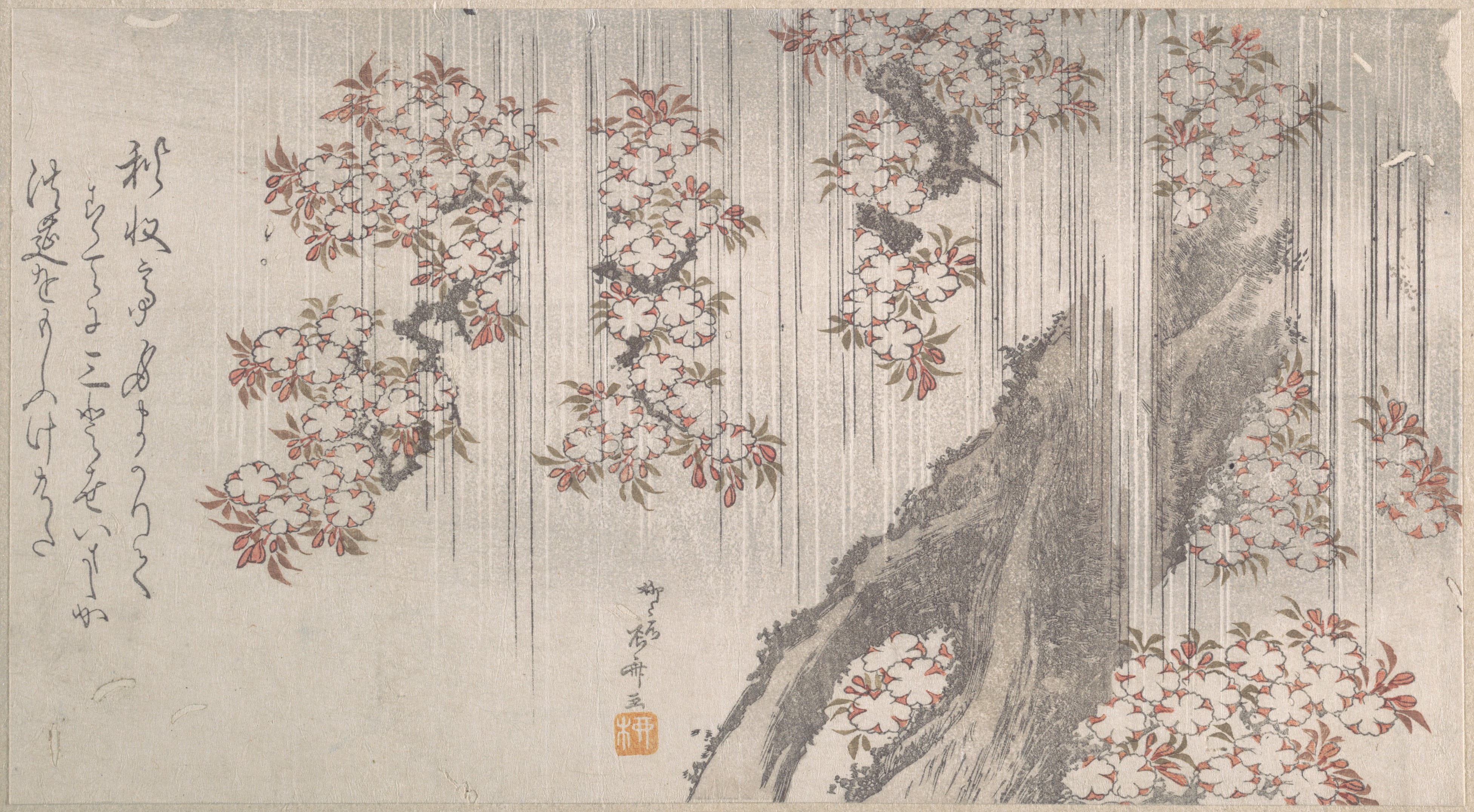
Cherry Blossoms in the Rain
- Date:
- 19th century
- Medium:
- Part of an album of woodblock prints (surimono); ink and color on paper
- Source:
- Metropolitan Museum of Art
Description
Cherry Blossoms in the Rain is a surimono print by Ryuryukyo Shinsai in the Metropolitan Museum of Art, dated to around 1800. The composition shows cherry blossoms wet with rainfall, a quintessential late-spring motif in classical Japanese poetry that links the fragility of the blooms to the brevity of pleasure. Working as a designer within the Hokusai school after his earlier training with Tawaraya Sori, Shinsai handled such subjects with the calligraphic spareness that the surimono format encouraged, where small sheets of luxury paper were intended for close inspection by the members of a kyoka poetry club. The rain is suggested by carefully spaced diagonal strokes or by the limp posture of the heavy blossoms, the kind of restraint that distinguishes surimono from the bolder weather effects of commercial landscape prints. Surimono printers used blind embossing and tonal grading to give the petals a soft, palpable surface against the cream ground, and the limited palette concentrates attention on the meeting of blossom, branch, and weather. The accompanying kyoka verses, originally printed on the sheet or its companions, would have responded to themes of regret, parting, and the recognition that beauty endures the assault of weather only briefly. As one of the more pictorial of Shinsai's compositions, the print shows the Hokusai school's interest in capturing meteorological mood without abandoning poetic understatement.
More Prints by Ryūryūkyo Shinsai
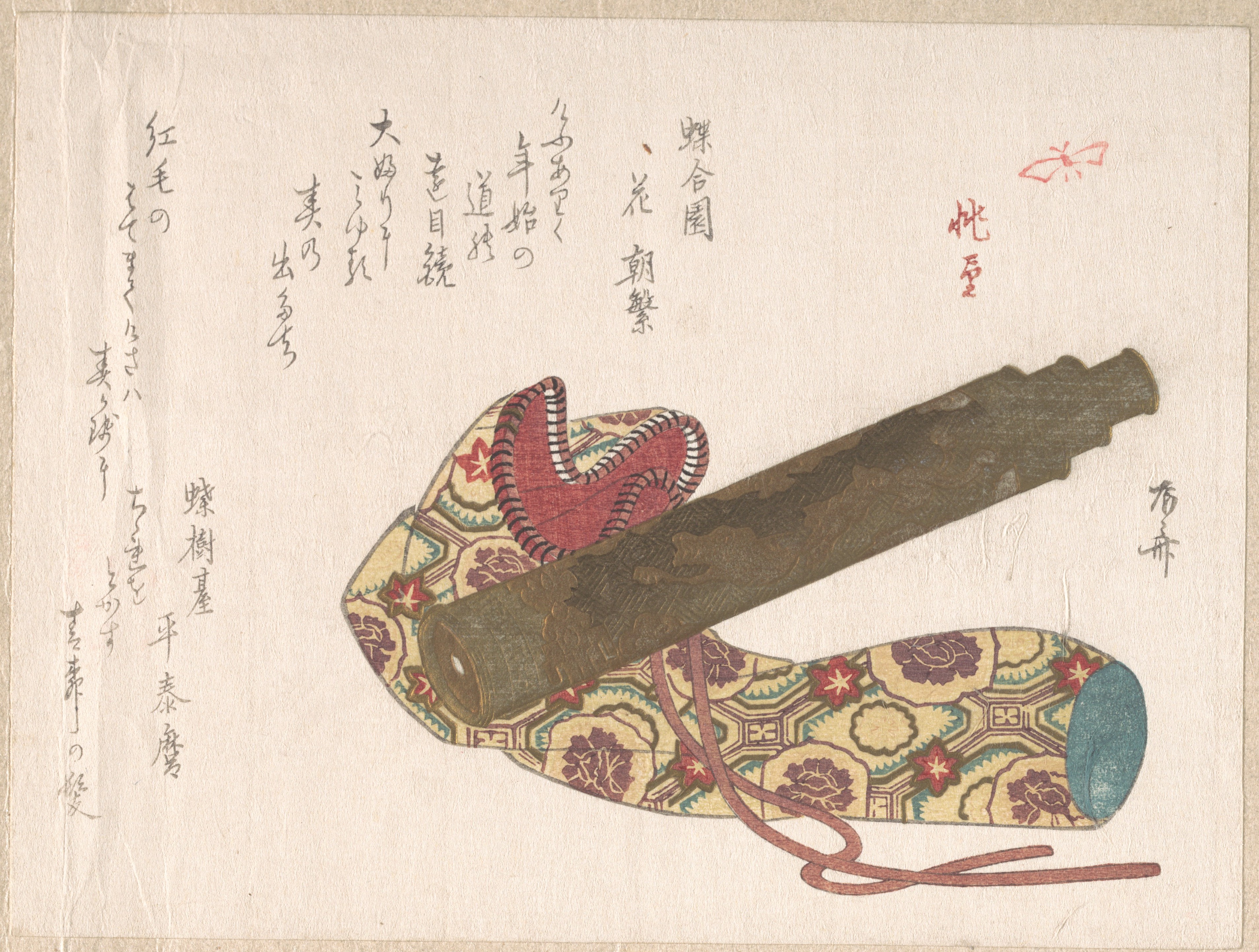
Telescope with Its Bag
19th century
Woodblock print (surimono); ink and color on paper
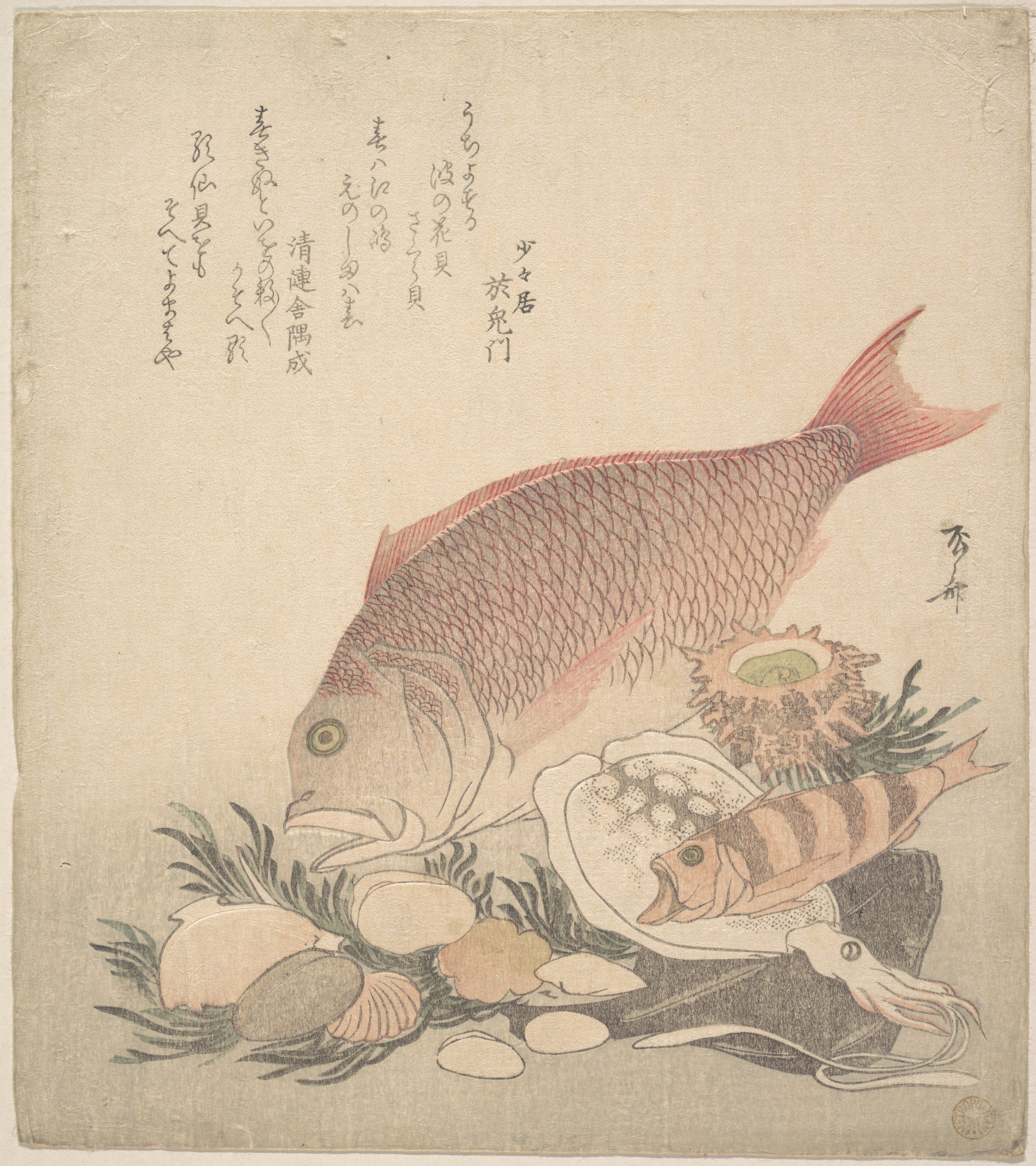
Large and Small Fish Swimming Among Shells and Moss at the Bottom of the Sea
ca. 1830
Woodblock print (surimono); ink and color on paper
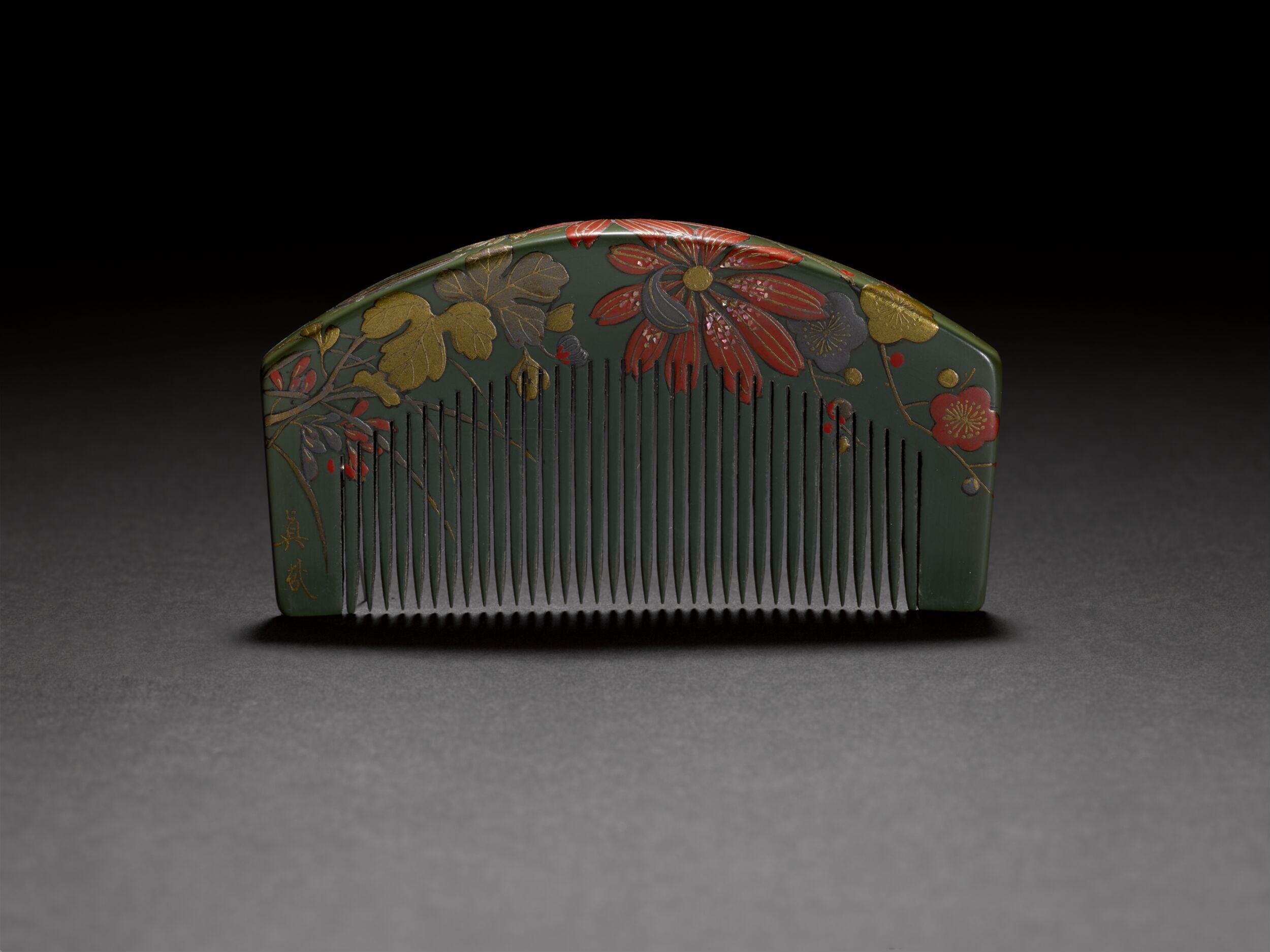
Untitled
1880 - 1895
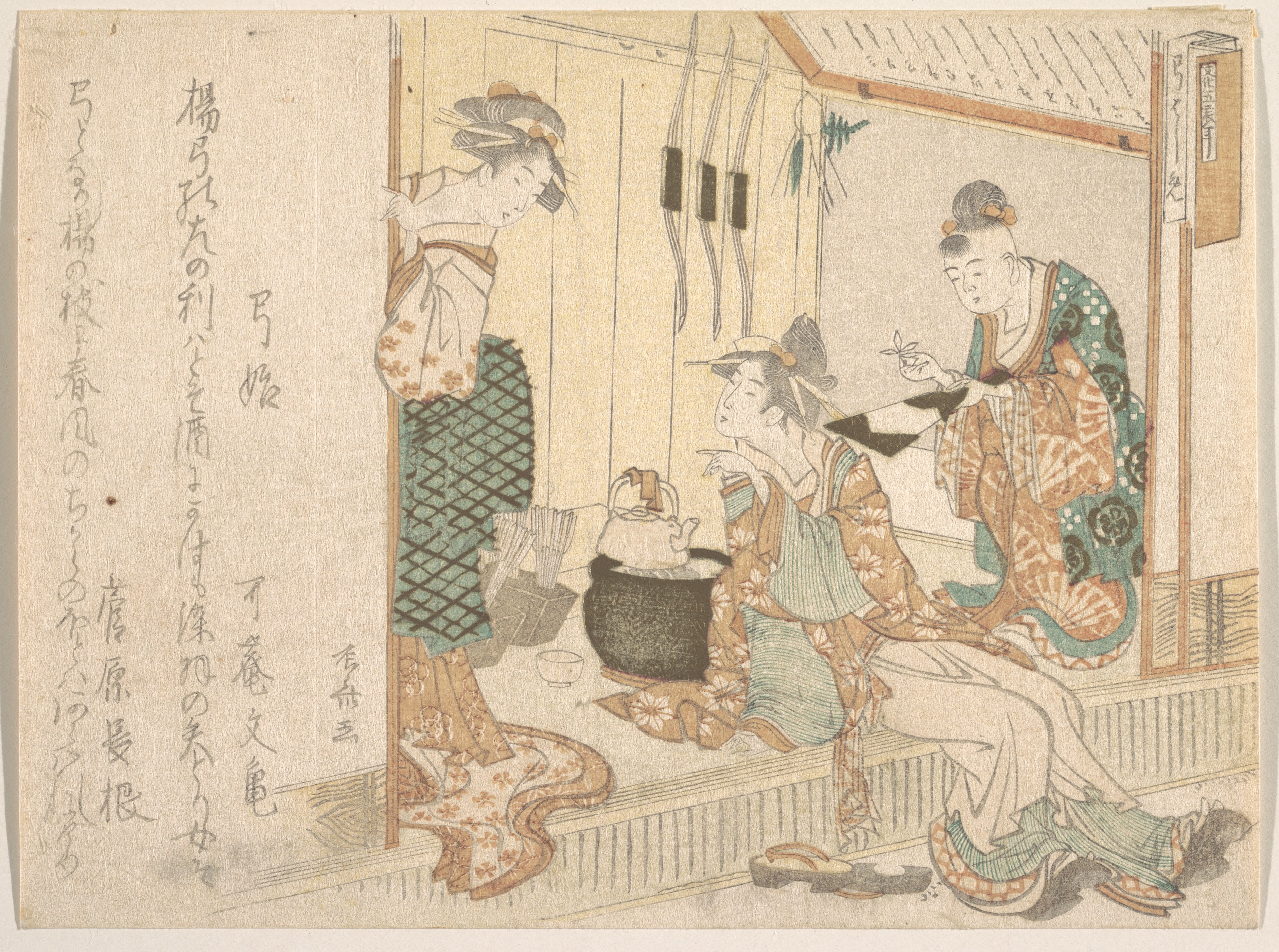
Two Young Ladies Having Tea Attended by Elderly Servant
Woodblock print (surimono); ink and color on paper
More Spring Prints

Frequently Asked Questions
Cherry Blossoms in the Rain was created by Ryūryūkyo Shinsai (柳々居辰斎) in 19th century.
Cherry Blossoms in the Rain depicts spring and rain.