
Abe no Yasuna, Inarinomori no natanenohana (Abe no Yasuna, Colza) / Tosei mitate sanju-rokkasen 當盛見立 三十六花撰 (Contemporary Kabuki Actors Likened to Thirty-Six Flowers (Immortals of Poetry))
- Source:
- ukiyo-e.org
Description
This sheet from Tosei mitate sanju-rokkasen, Contemporary Kabuki Actors Likened to Thirty-Six Flowers (Immortals of Poetry), pairs the legendary court figure Abe no Yasuna with the bright yellow rape blossom, natanenohana or colza, in a Utagawa Kunisada design documented through the British Museum holdings as recorded on ukiyo-e.org. Abe no Yasuna is the father of Abe no Seimei, the famous Heian-period onmyoji or yin-yang diviner, and his story is at the heart of the kabuki play Ashiya Doman ouchi kagami, in which his rescue of a white fox in the Shinoda forest leads the grateful fox-spirit Kuzunoha to take human form and become his wife. Setting Yasuna against Inari shrine forest fields of rape blossom anchors the narrative in the Inarinomori, the fox-haunted forest sacred to Inari, and exploits the seasonal contrast between the bright yellow flowers and the supernatural drama. The mitate, or analogical, framework of the series uses the classical Thirty-Six Immortals of Poetry as a numerical template into which Edo ukiyo-e designers slotted contemporary kabuki actors, each paired with a flower whose connotations comment on the role. Kunisada's late-career hand is recognizable in the assured outlines, the elaborate cartouches, and the costume patterning. The sheet is an excellent representative of how Utagawa school yakusha-e wove kabuki, classical poetry, and botanical iconography into a single design.
More Prints by Utagawa Kunisada

The actors Ichikawa Danjuro VII as Takamoto no kitsune and Segawa Kikunojo V as Izumi no Chieda-gitsune
1818
Color woodblock print; shikishiban, surimono

Basketry Work: By the Craftsman Ichida Shōshichirō of Naniwa (Kagozaiku Naniwa saikunin Ichida Shōshichirō)
1819
Woodblock print; ink and color on paper
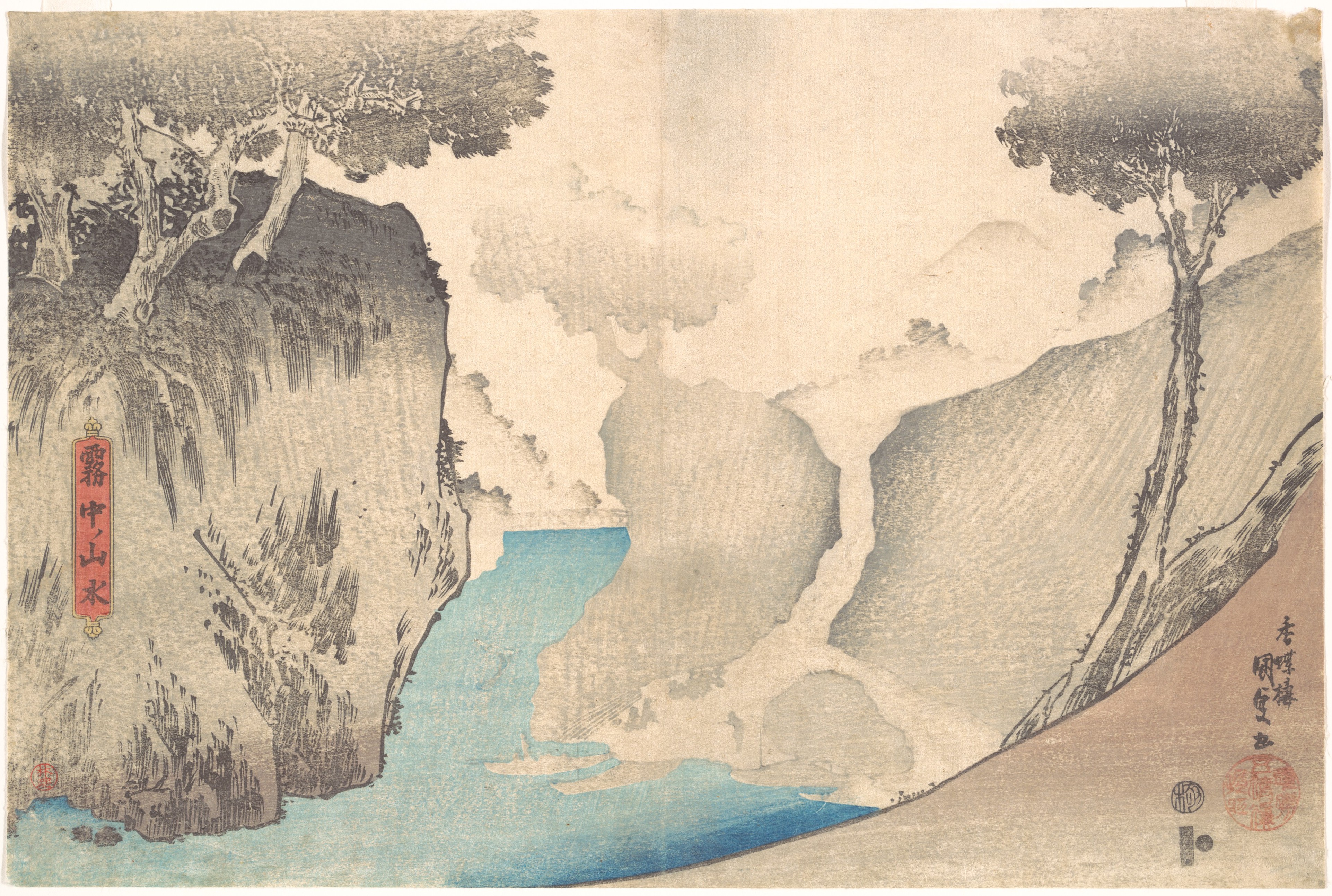
Ochanomizu in the Mist
mid-19th century
Woodblock print; ink and color on paper
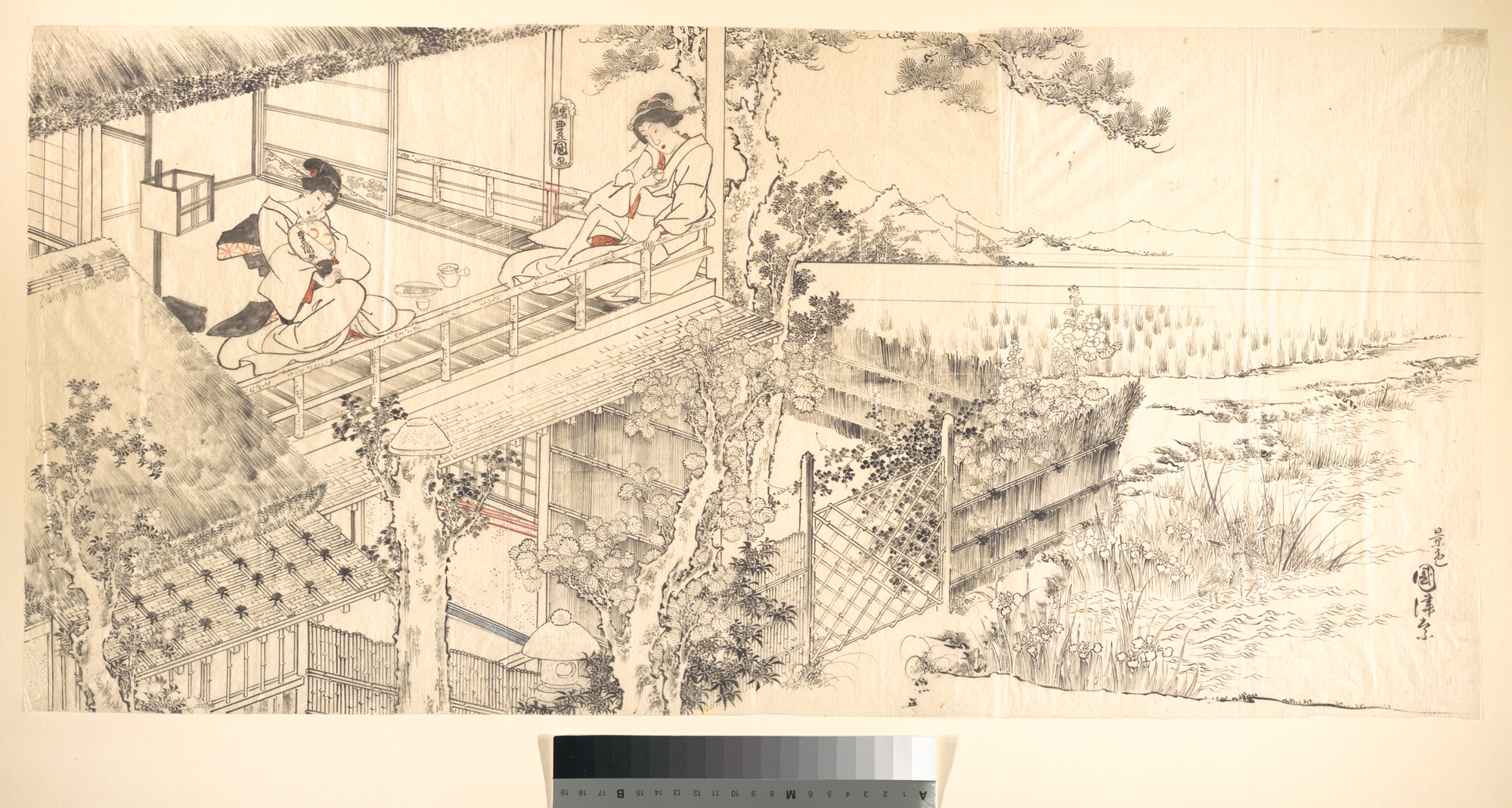
Two Courtesans Enjoying the View from a Teahouse
after 1844
Drawings intended as design for woodblock prints (triptych); ink and color on paper
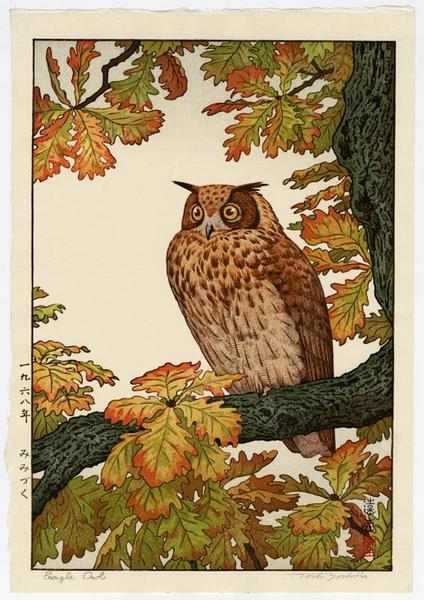
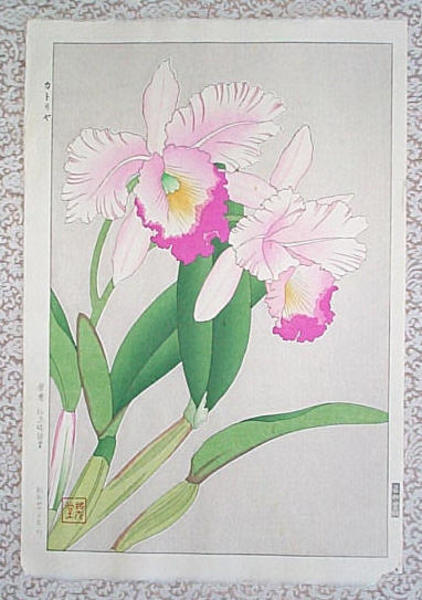
More Birds & Flowers Prints
Frequently Asked Questions
Abe no Yasuna, Inarinomori no natanenohana (Abe no Yasuna, Colza) / Tosei mitate sanju-rokkasen 當盛見立 三十六花撰 (Contemporary Kabuki Actors Likened to Thirty-Six Flowers (Immortals of Poetry)) was created by Utagawa Kunisada (歌川国貞).
Abe no Yasuna, Inarinomori no natanenohana (Abe no Yasuna, Colza) / Tosei mitate sanju-rokkasen 當盛見立 三十六花撰 (Contemporary Kabuki Actors Likened to Thirty-Six Flowers (Immortals of Poetry)) depicts birds & flowers.