
Actor in riding garb
- Date:
- 1834
- Medium:
- Color woodblock print; shikishiban, surimono
- Source:
- Art Institute of Chicago
Description
Actor in Riding Garb is an 1834 woodblock print by Utagawa Kunisada from his prolific yakusha-e production of the early 1830s, when he was unquestionably the leading designer of actor portraits in Edo ukiyo-e. Kabuki characters in formal riding costume — equestrian samurai roles drawn from the warrior repertoire and from history plays — gave designers an opportunity to combine the visual richness of court or military dress with the recognisable face of a contemporary actor. The 'riding garb' (umi-no-yosoi-style hakama and the surcoat or jinbaori associated with mounted warriors) sits high on the body and carries the principal pictorial event, while the actor's likeness and crest identify the specific performer behind the role. By 1834 Kunisada had developed the mature firm contour, dense overprinting and saturated mineral palette that characterise his work for the rest of his career; the heavy black line is decisive, the reds and indigos are deep, and the patterned silks reward close looking. The Art Institute of Chicago holds the impression and dates it to 1834, situating the print within the wider corpus of his early-1830s actor work designed for the Edo print market in close cooperation with the kabuki theatres. While the precise play and role are not preserved with the museum record, the sheet stands as a representative example of how Kunisada used yakusha-e to translate the visual sensation of the stage into a portable, mass-produced image that an Edo viewer could keep in a small album or paste to a screen.
More Prints by Utagawa Kunisada

The actors Ichikawa Danjuro VII as Takamoto no kitsune and Segawa Kikunojo V as Izumi no Chieda-gitsune
1818
Color woodblock print; shikishiban, surimono

Basketry Work: By the Craftsman Ichida Shōshichirō of Naniwa (Kagozaiku Naniwa saikunin Ichida Shōshichirō)
1819
Woodblock print; ink and color on paper
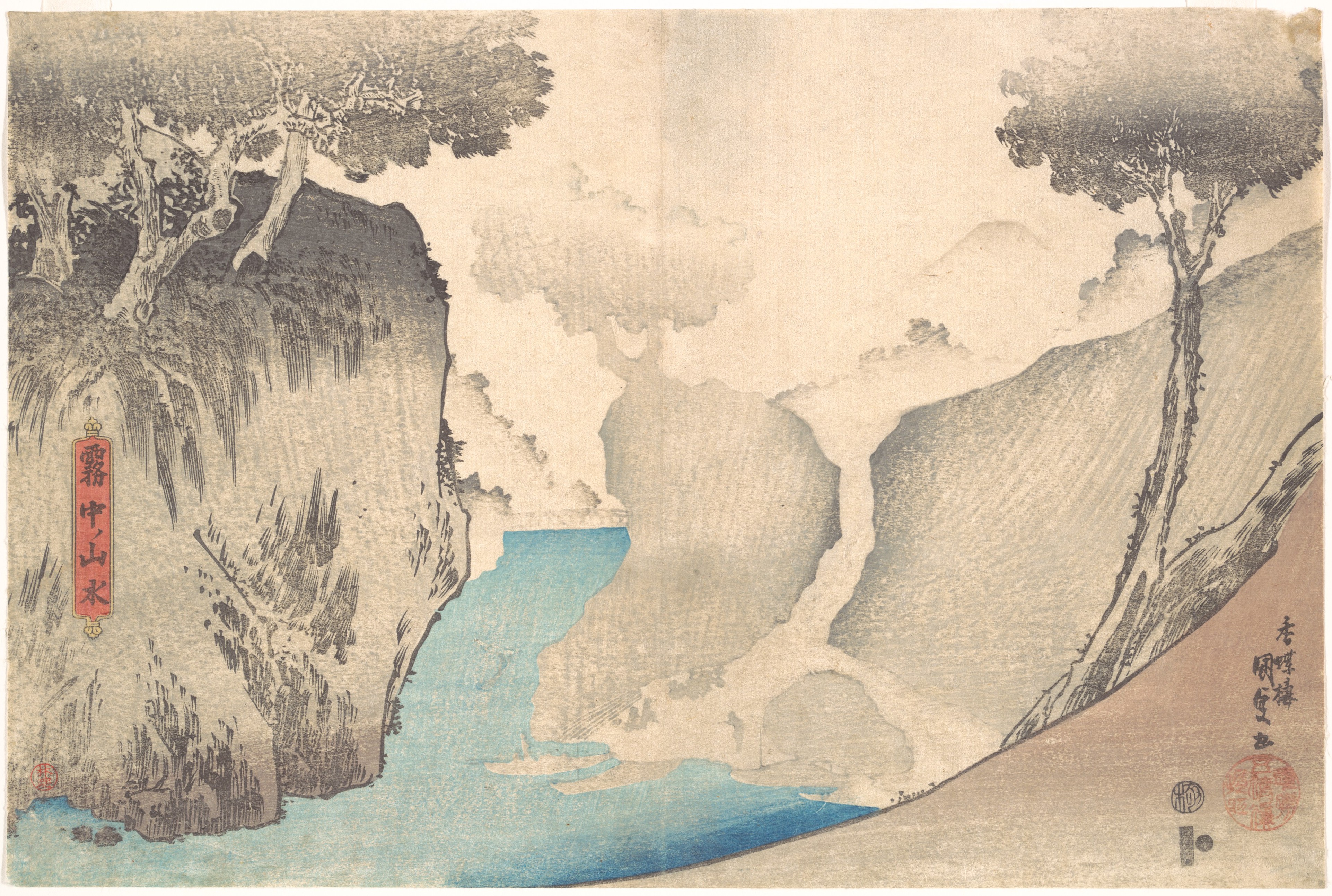
Ochanomizu in the Mist
mid-19th century
Woodblock print; ink and color on paper
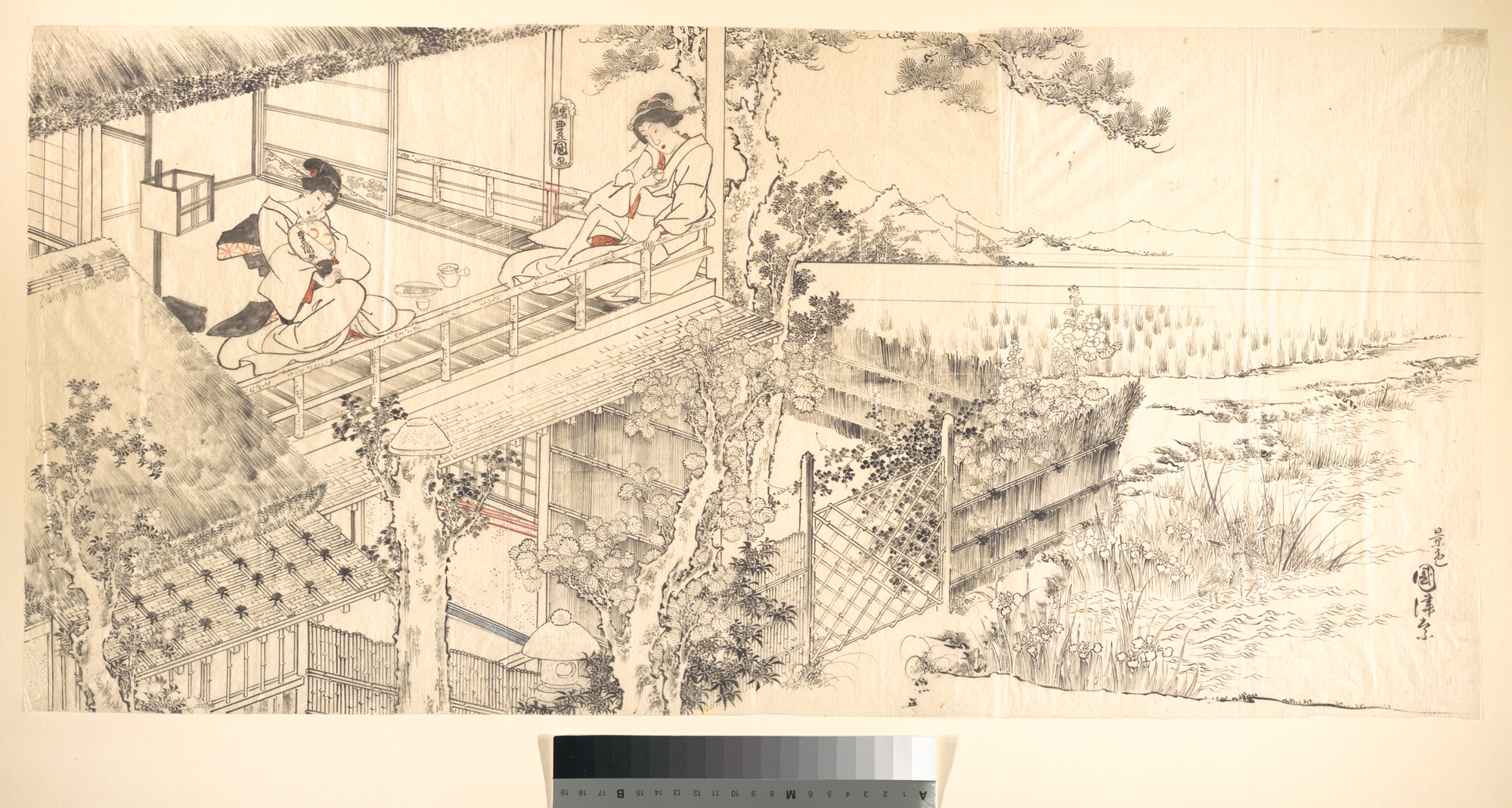
Two Courtesans Enjoying the View from a Teahouse
after 1844
Drawings intended as design for woodblock prints (triptych); ink and color on paper
Frequently Asked Questions
Actor in riding garb was created by Utagawa Kunisada (歌川国貞) in 1834.