
Allusion to the Character Okina
- Date:
- 1855
- Medium:
- Source:
- Victoria and Albert Museum
Description
Allusion to the Character Okina, designed by Utagawa Kunisada in 1855, references one of the most venerated roles in classical Japanese theater. Okina is the ceremonial old man whose ritual dance opens performances of Nō, and his appearance carries explicit Shinto and Buddhist resonances of blessing, longevity, and theatrical authority. Bringing Okina into the world of Edo ukiyo-e — and specifically into Kunisada's yakusha-e practice — is a mitate move: a popular kabuki actor is shown wearing or alluding to Okina's costume, allowing the print to lend the dignity of Nō to a star of the commercial Edo stage. The 1855 dating places the print at a moment of sustained productivity for Kunisada, who was by then operating as Toyokuni III and supplying Edo's leading publishers with a steady flow of theatrical and poetic subjects. The figure's costume would have been rendered with careful attention to the textile patterns and color blocking that distinguished Kunisada's mature manner. The Victoria and Albert Museum preserves this impression as O92883 in its Japanese print collection. For collectors and students, Allusion to the Character Okina is a useful example of how Edo print culture continually negotiated between the elite traditions of Nō and the popular kabuki stage, with Kunisada acting as a mediator who packaged the prestige of one for the audience of the other through the conventions of color woodblock printing.
More Prints by Utagawa Kunisada

The actors Ichikawa Danjuro VII as Takamoto no kitsune and Segawa Kikunojo V as Izumi no Chieda-gitsune
1818
Color woodblock print; shikishiban, surimono

Basketry Work: By the Craftsman Ichida Shōshichirō of Naniwa (Kagozaiku Naniwa saikunin Ichida Shōshichirō)
1819
Woodblock print; ink and color on paper
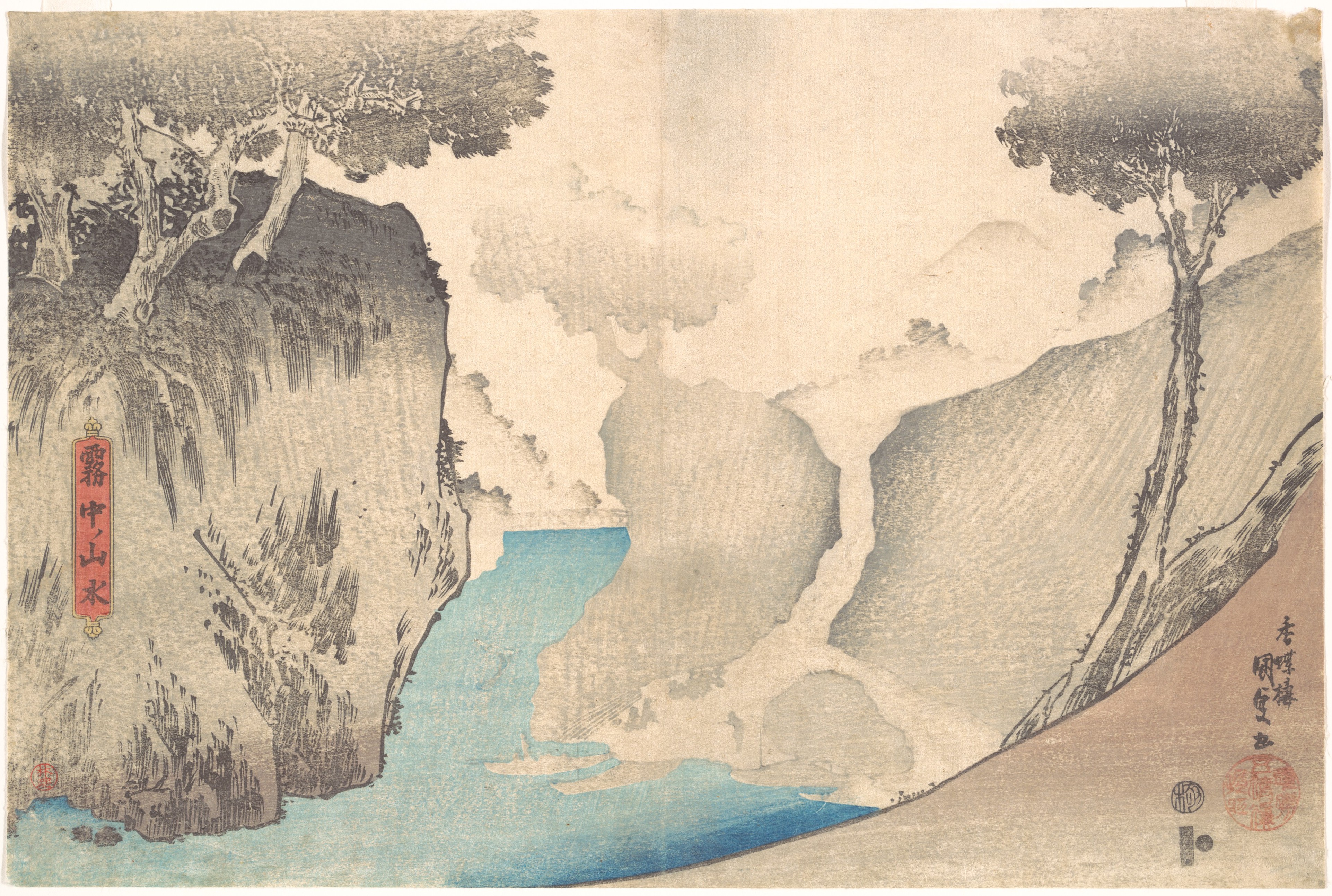
Ochanomizu in the Mist
mid-19th century
Woodblock print; ink and color on paper
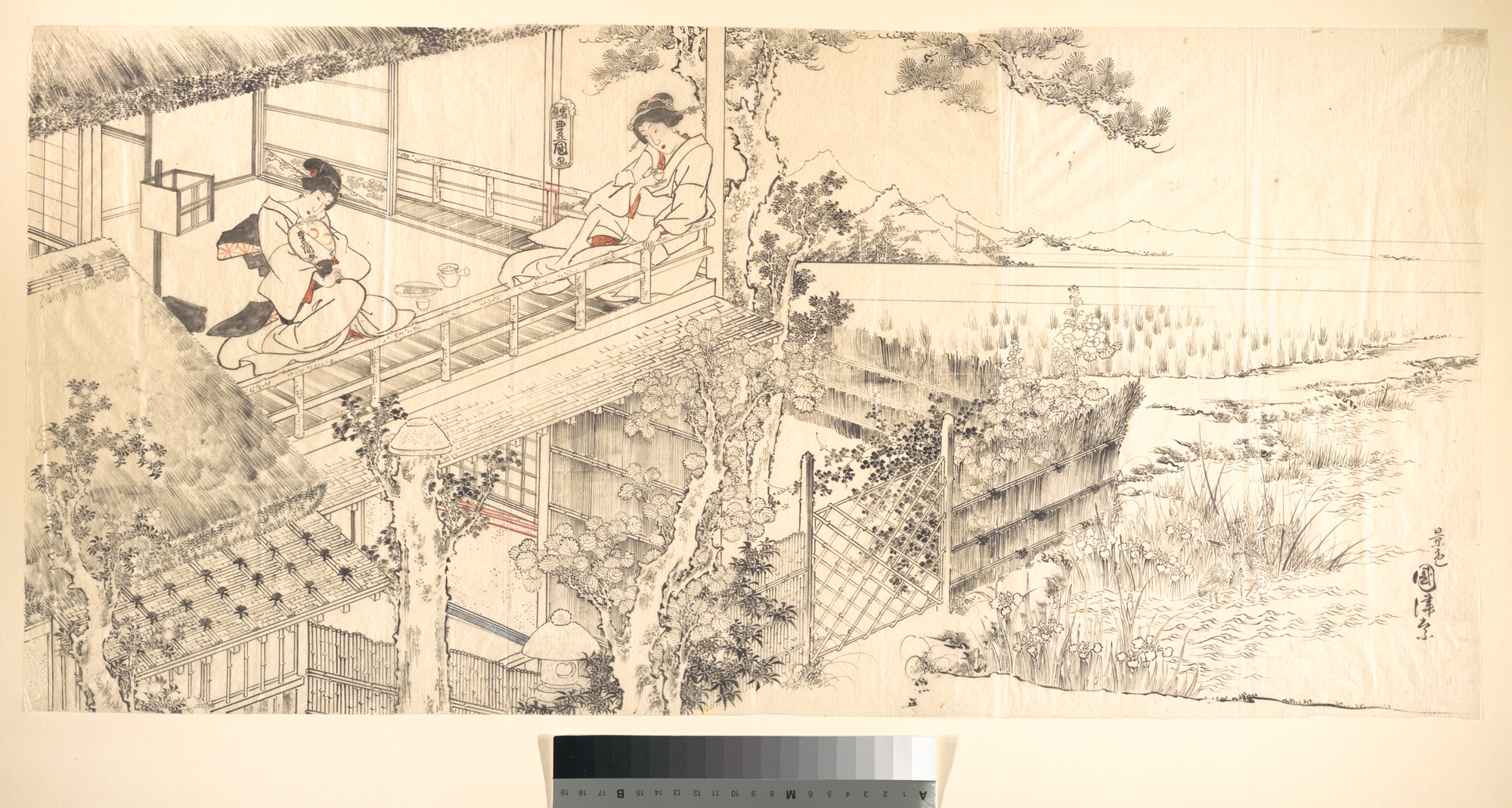
Two Courtesans Enjoying the View from a Teahouse
after 1844
Drawings intended as design for woodblock prints (triptych); ink and color on paper
Frequently Asked Questions
Allusion to the Character Okina was created by Utagawa Kunisada (歌川国貞) in 1855.