Arrival of the Emperor at Tokyo after the Victory (Russo-Japanese War)
- Date:
- May 1895
- Medium:
- Woodblock print; ink and color on paper
- Source:
- Metropolitan Museum of Art
Description
The Metropolitan Museum of Art catalogues this print (accession 55269) as "Arrival of the Emperor at Tokyo after the Victory (Russo-Japanese War)," dated 1895, and attributes the design to Utagawa Kunisada. The combination is internally inconsistent and merits caution: Utagawa Kunisada (Toyokuni III) died in 1865, three decades before the Russo-Japanese War of 1904-1905, and the 1895 year would still postdate his life by thirty years. The most likely readings are that the design is by a later artist working under an Utagawa name (perhaps Kunisada III or another late Utagawa-school designer), that the museum record is in transition, or that the subject is a Sino-Japanese War scene mislabeled. With those caveats noted, the sheet belongs to the senso-e (war print) genre that flourished in the 1890s, in which Meiji designers extended Edo ukiyo-e print conventions to coverage of imperial military events. Read alongside Kunisada's nineteenth-century yakusha-e and bijin-ga, the print illustrates how the Utagawa name and its visual vocabulary persisted into late Meiji journalism, even as the original Edo context that gave ukiyo-e its name had vanished.
More Prints by Utagawa Kunisada

The actors Ichikawa Danjuro VII as Takamoto no kitsune and Segawa Kikunojo V as Izumi no Chieda-gitsune
1818
Color woodblock print; shikishiban, surimono

Basketry Work: By the Craftsman Ichida Shōshichirō of Naniwa (Kagozaiku Naniwa saikunin Ichida Shōshichirō)
1819
Woodblock print; ink and color on paper
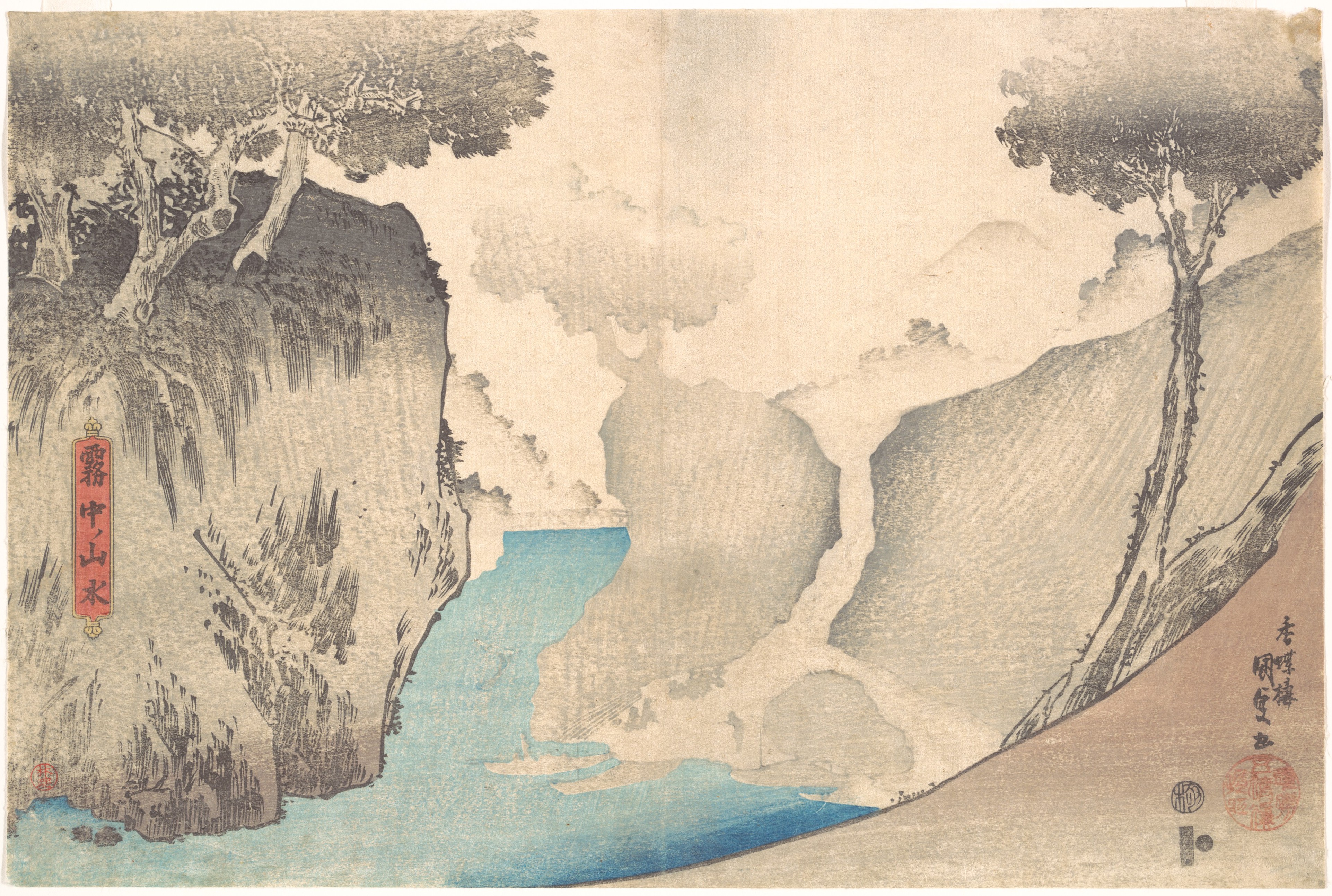
Ochanomizu in the Mist
mid-19th century
Woodblock print; ink and color on paper
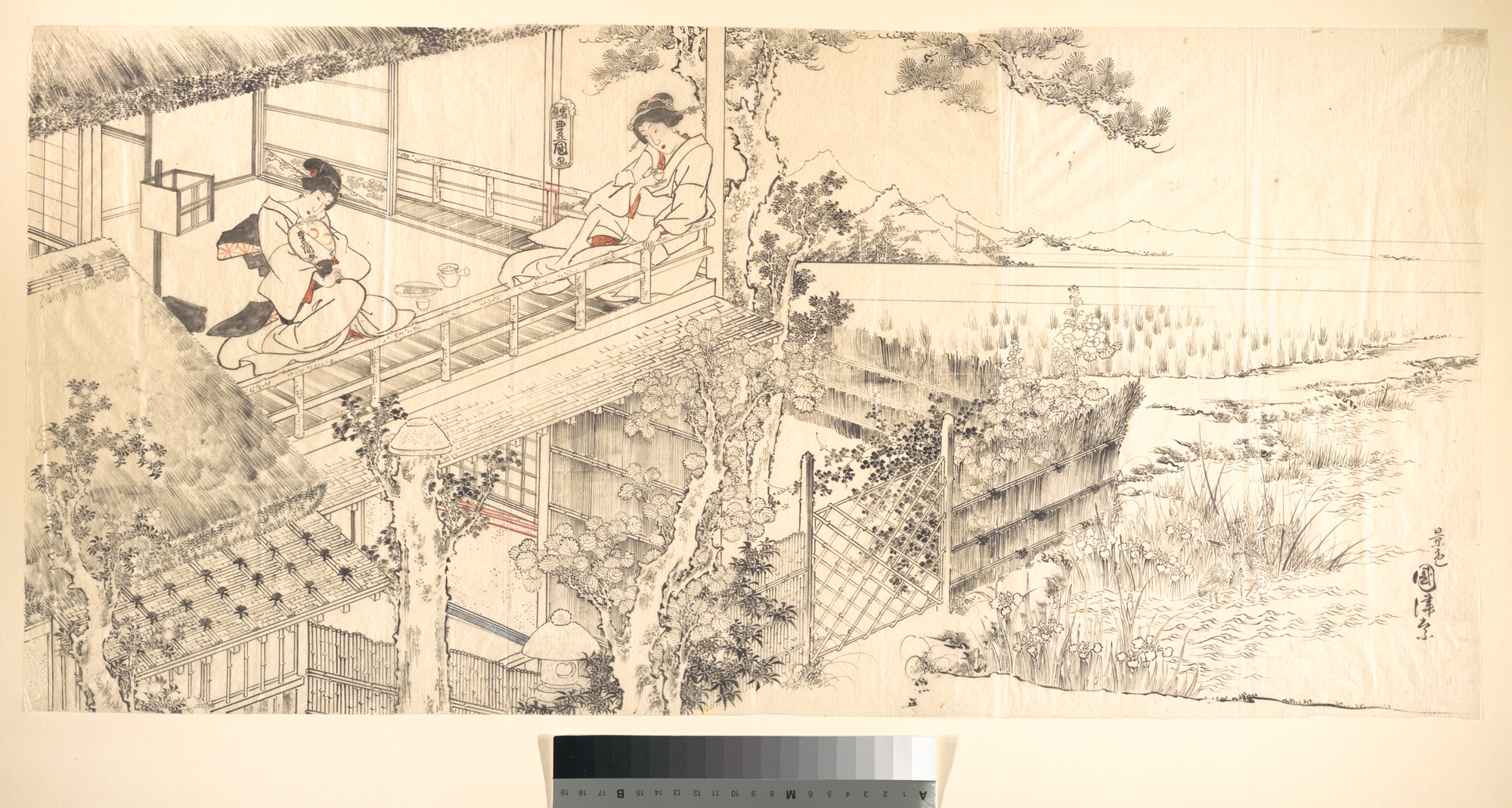
Two Courtesans Enjoying the View from a Teahouse
after 1844
Drawings intended as design for woodblock prints (triptych); ink and color on paper
Frequently Asked Questions
Arrival of the Emperor at Tokyo after the Victory (Russo-Japanese War) was created by Utagawa Kunisada (歌川国貞) in May 1895.