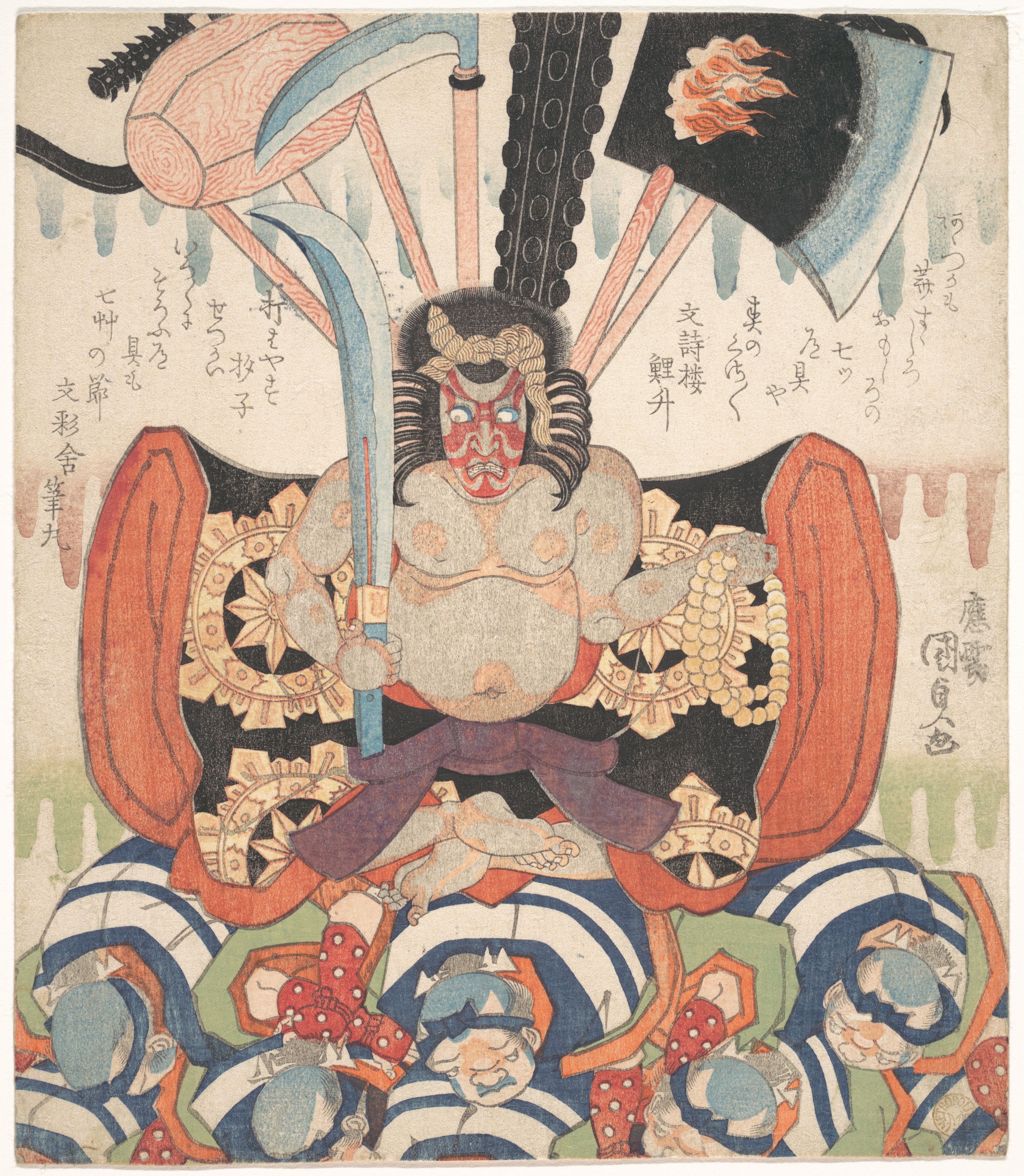
Danjūrō VII's Benkei as Fudō Myōō
- Date:
- ca. 1824
- Medium:
- Woodblock print (surimono); ink and color on paper
- Source:
- Metropolitan Museum of Art
Description
In this striking 1814 Utagawa Kunisada print, the senior kabuki star Ichikawa Danjuro VII appears in the role of Benkei posed as the wrathful Buddhist deity Fudo Myoo, a quintessentially Edo ukiyo-e yakusha-e conceit that fuses theatrical role, devotional iconography, and family lineage. Fudo Myoo, the immovable king of esoteric Buddhist practice, was the patron deity of the Ichikawa house, and Danjuro VII's identification with Fudo, through the famous play "Naritasan Funjin Fudo" and related works, was a cornerstone of the family's stage identity. Kunisada renders Danjuro VII with the deity's blue-black skin, fierce expression, fanged grimace, and crown of flames, holding the sword and lasso with which Fudo binds delusion and severs ignorance. The hybrid presentation, actor as deity, deity as actor, asks the viewer to read the figure simultaneously as a man performing on the Edo stage and as the embodied power of an esoteric Buddha. As one of Toyokuni I's most accomplished pupils, Kunisada had by 1814 begun to mature into the dominant designer of yakusha-e he would soon become, and this print already shows the assertive line and bold color contrasts that would characterize his later style. The image also documents the close historical relationship between kabuki and popular Buddhism in Edo, in which actors and devotees alike participated. The Metropolitan Museum of Art preserves this impression within its broad collection of Edo ukiyo-e theatrical and devotional prints.
More Prints by Utagawa Kunisada

The actors Ichikawa Danjuro VII as Takamoto no kitsune and Segawa Kikunojo V as Izumi no Chieda-gitsune
1818
Color woodblock print; shikishiban, surimono

Basketry Work: By the Craftsman Ichida Shōshichirō of Naniwa (Kagozaiku Naniwa saikunin Ichida Shōshichirō)
1819
Woodblock print; ink and color on paper
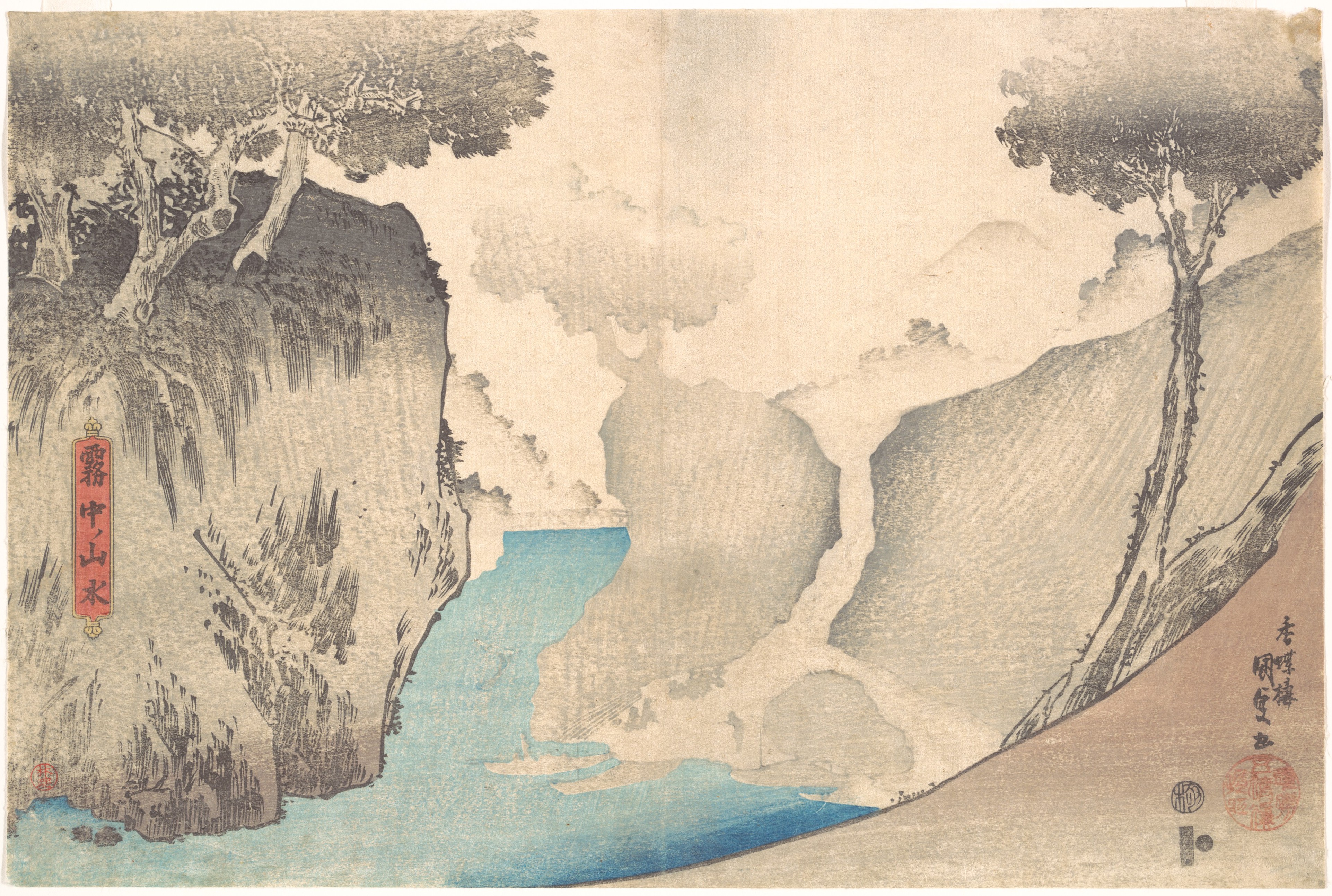
Ochanomizu in the Mist
mid-19th century
Woodblock print; ink and color on paper
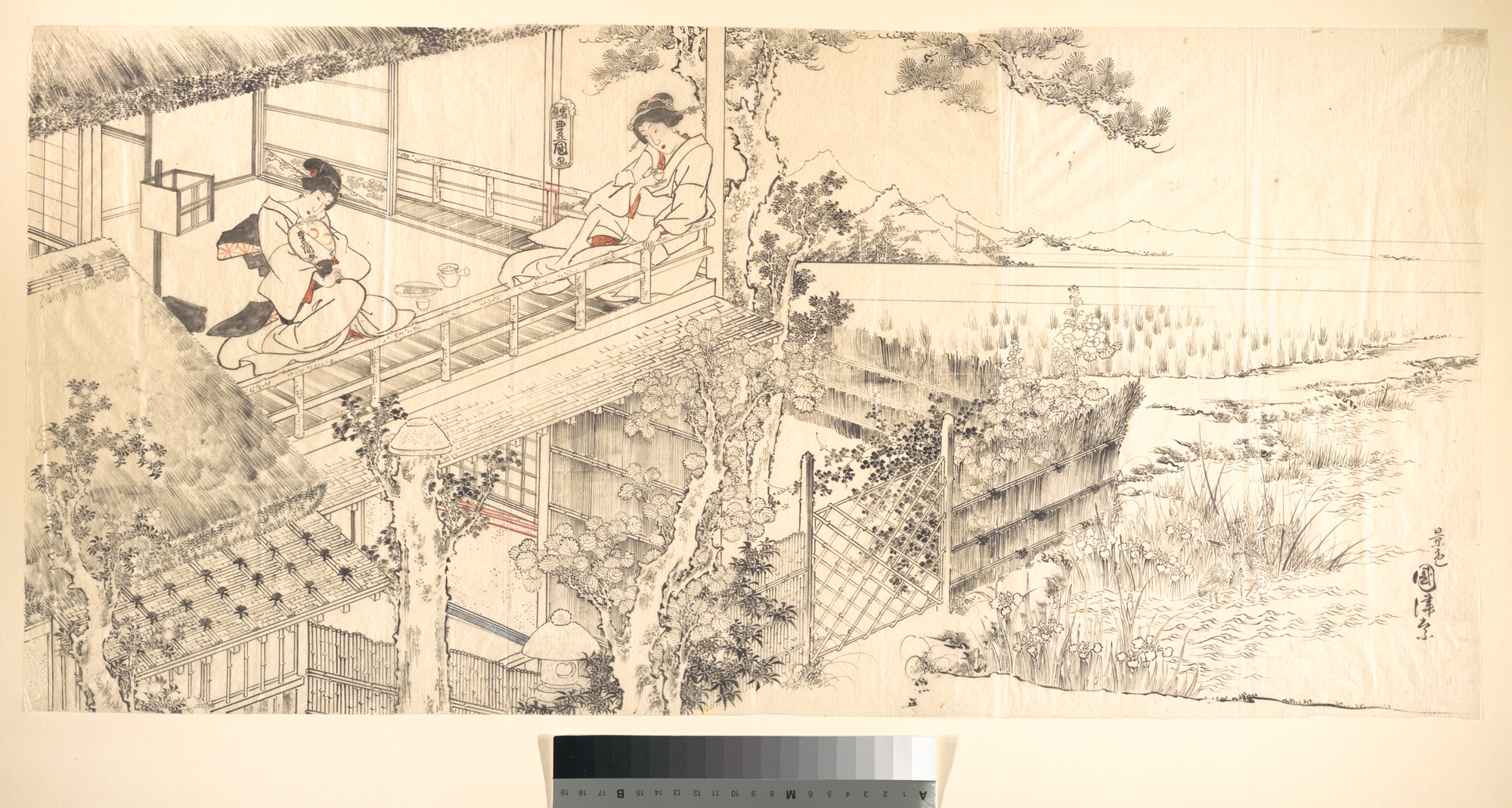
Two Courtesans Enjoying the View from a Teahouse
after 1844
Drawings intended as design for woodblock prints (triptych); ink and color on paper
Frequently Asked Questions
Danjūrō VII's Benkei as Fudō Myōō was created by Utagawa Kunisada (歌川国貞) in ca. 1824.