
Dressing Room Scenes at the Dotonbori Theatres in Osaka
- Date:
- early 1820s
- Medium:
- Source:
- Victoria and Albert Museum
Description
Designed by Utagawa Kunisada around 1820 and held by the Victoria and Albert Museum, Dressing Room Scenes at the Dotonbori Theatres in Osaka is an early career composition that bridges Edo ukiyo-e with the Kamigata theatrical world. The Dotonbori district was the heart of Osaka kabuki, and a Kunisada design depicting its backstage life is unusual within his predominantly Edo-focused yakusha-e production. The composition pulls the viewer behind the curtain into the gakuya or dressing room, where actors apply makeup, fasten wigs, and prepare for the stage in front of mirrors and surrounded by stagehands. By 1820 Kunisada was already a leading designer in the Utagawa school and decades away from taking the Toyokuni III name, but the print shows him handling a multi-figure interior with the confidence that would define his mature triptychs. Backstage prints were a recurring sub-genre of late Edo ukiyo-e because they let buyers feel admitted to the private side of the celebrity culture they consumed publicly, and Kunisada exploits that intimacy without dropping the nigao likenesses that identified each performer. The Victoria and Albert Museum's catalogue documents the impression with care, including its rough date and Osaka subject, marking it as an instructive node within the broader history of yakusha-e and backstage imagery in the Japanese print tradition.
More Prints by Utagawa Kunisada

The actors Ichikawa Danjuro VII as Takamoto no kitsune and Segawa Kikunojo V as Izumi no Chieda-gitsune
1818
Color woodblock print; shikishiban, surimono

Basketry Work: By the Craftsman Ichida Shōshichirō of Naniwa (Kagozaiku Naniwa saikunin Ichida Shōshichirō)
1819
Woodblock print; ink and color on paper
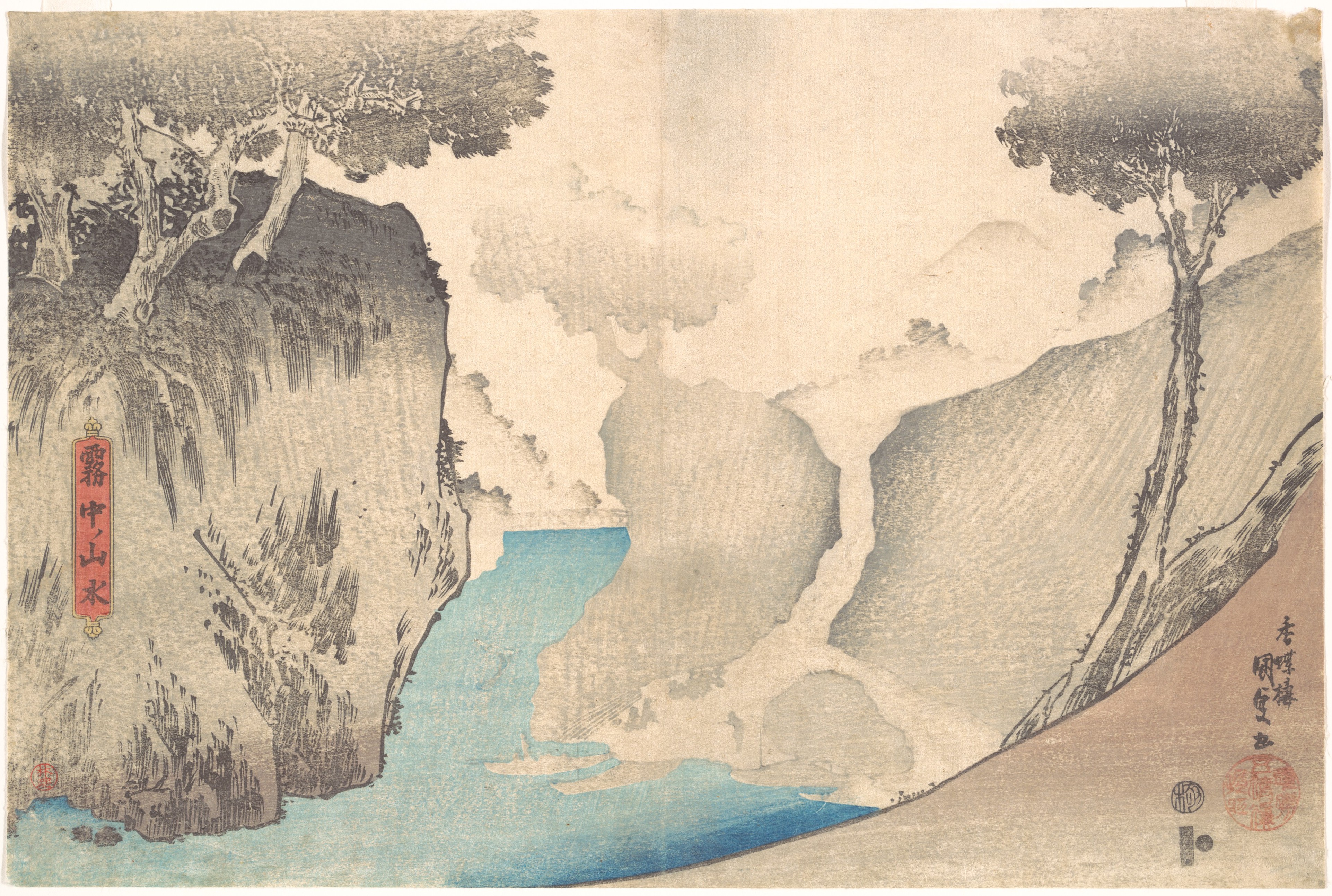
Ochanomizu in the Mist
mid-19th century
Woodblock print; ink and color on paper
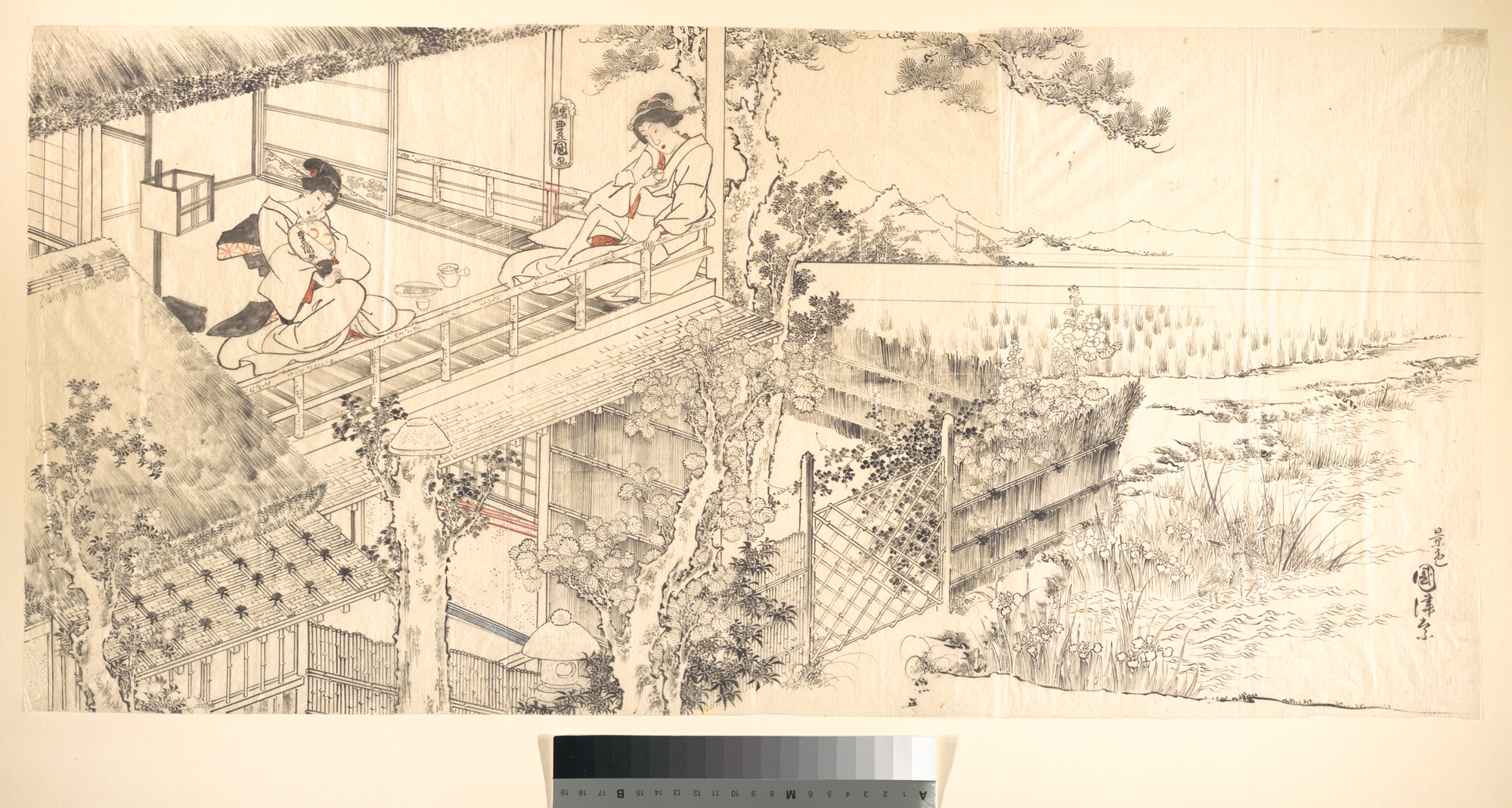
Two Courtesans Enjoying the View from a Teahouse
after 1844
Drawings intended as design for woodblock prints (triptych); ink and color on paper
Frequently Asked Questions
Dressing Room Scenes at the Dotonbori Theatres in Osaka was created by Utagawa Kunisada (歌川国貞) in early 1820s.