
Hinadori, Joshi no momonohana (Hinadori, Peach Blossom) / Tosei mitate sanju-rokkasen 當盛見立 三十六花撰 (Contemporary Kabuki Actors Likened to Thirty-Six Flowers (Immortals of Poetry))
- Source:
- ukiyo-e.org
Description
Hinadori, Jōshi no momonohana (Hinadori, Peach Blossom) belongs to Utagawa Kunisada's series Tōsei mitate sanjūrokkasen (Contemporary Kabuki Actors Likened to the Thirty-Six Immortals of Poetry), one of the major mid-century yakusha-e projects to emerge from his studio. Hinadori is a character from the kabuki play Imoseyama Onna Teikin, where she is one of two young lovers caught in a Romeo-and-Juliet-style feud between rival clans. Her pairing here with peach blossom — a flower associated with the Girls' Day Festival (Hinamatsuri) on the third day of the third month — is a poetic compliment, both to her youth and to her name (Hinadori literally evokes the bird-figures of the doll festival). Kunisada's series uses the Sanjūrokkasen, the classical Thirty-Six Immortals of Poetry, as a frame through which to present contemporary kabuki actors in their famous roles, with each character associated with a particular flower. The result is a visually unified collectible set that appeals simultaneously to fans of theater, classical poetry, and seasonal symbolism — a typical Edo ukiyo-e fusion that Kunisada handled with characteristic fluency. The British Museum preserves this impression as AN00431522. By the time the series appeared in the 1850s, Kunisada was operating as Toyokuni III and had established himself as the dominant supplier of celebrity-actor prints to the Edo market, with this series among his most refined coordinated productions.
More Prints by Utagawa Kunisada

The actors Ichikawa Danjuro VII as Takamoto no kitsune and Segawa Kikunojo V as Izumi no Chieda-gitsune
1818
Color woodblock print; shikishiban, surimono

Basketry Work: By the Craftsman Ichida Shōshichirō of Naniwa (Kagozaiku Naniwa saikunin Ichida Shōshichirō)
1819
Woodblock print; ink and color on paper
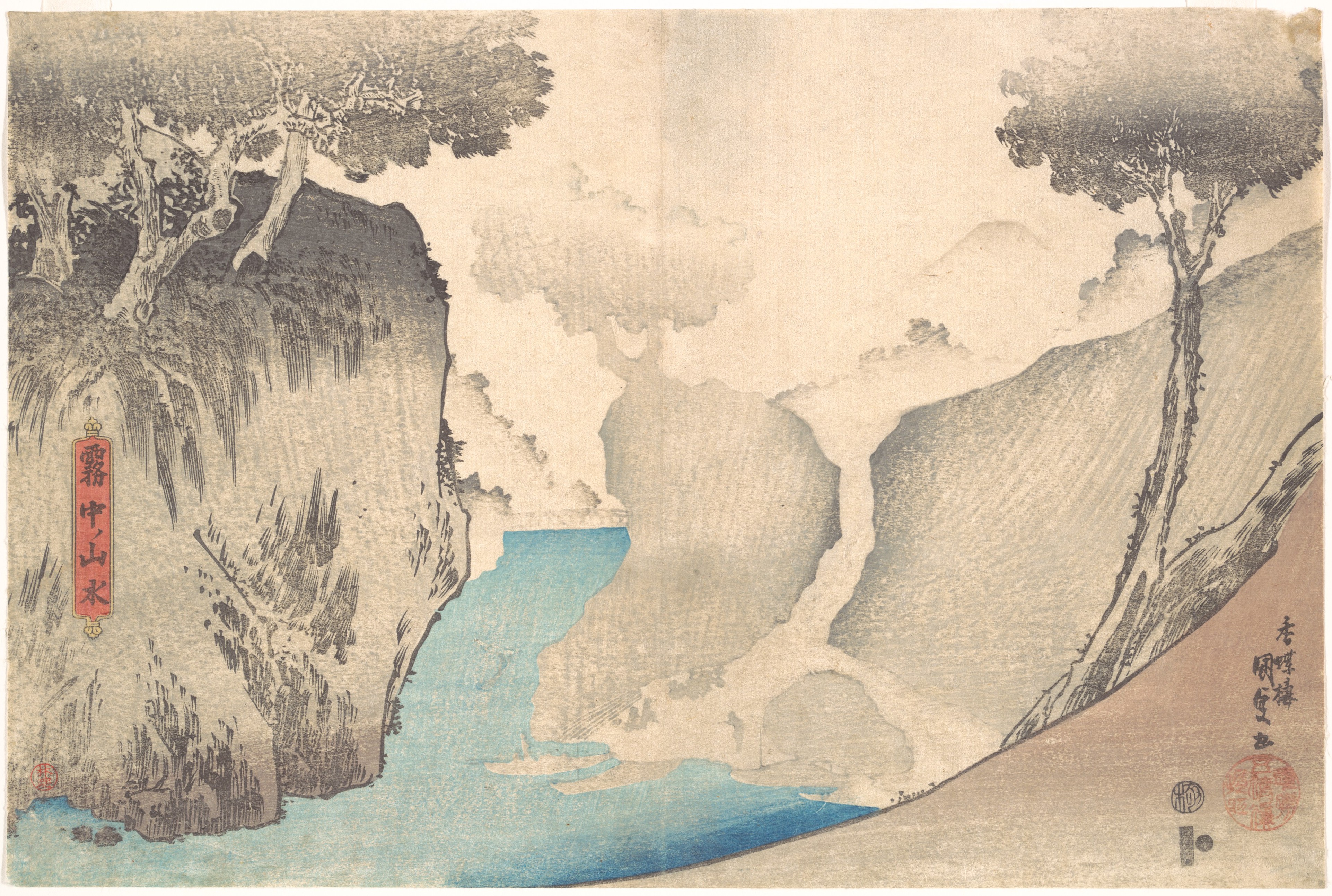
Ochanomizu in the Mist
mid-19th century
Woodblock print; ink and color on paper
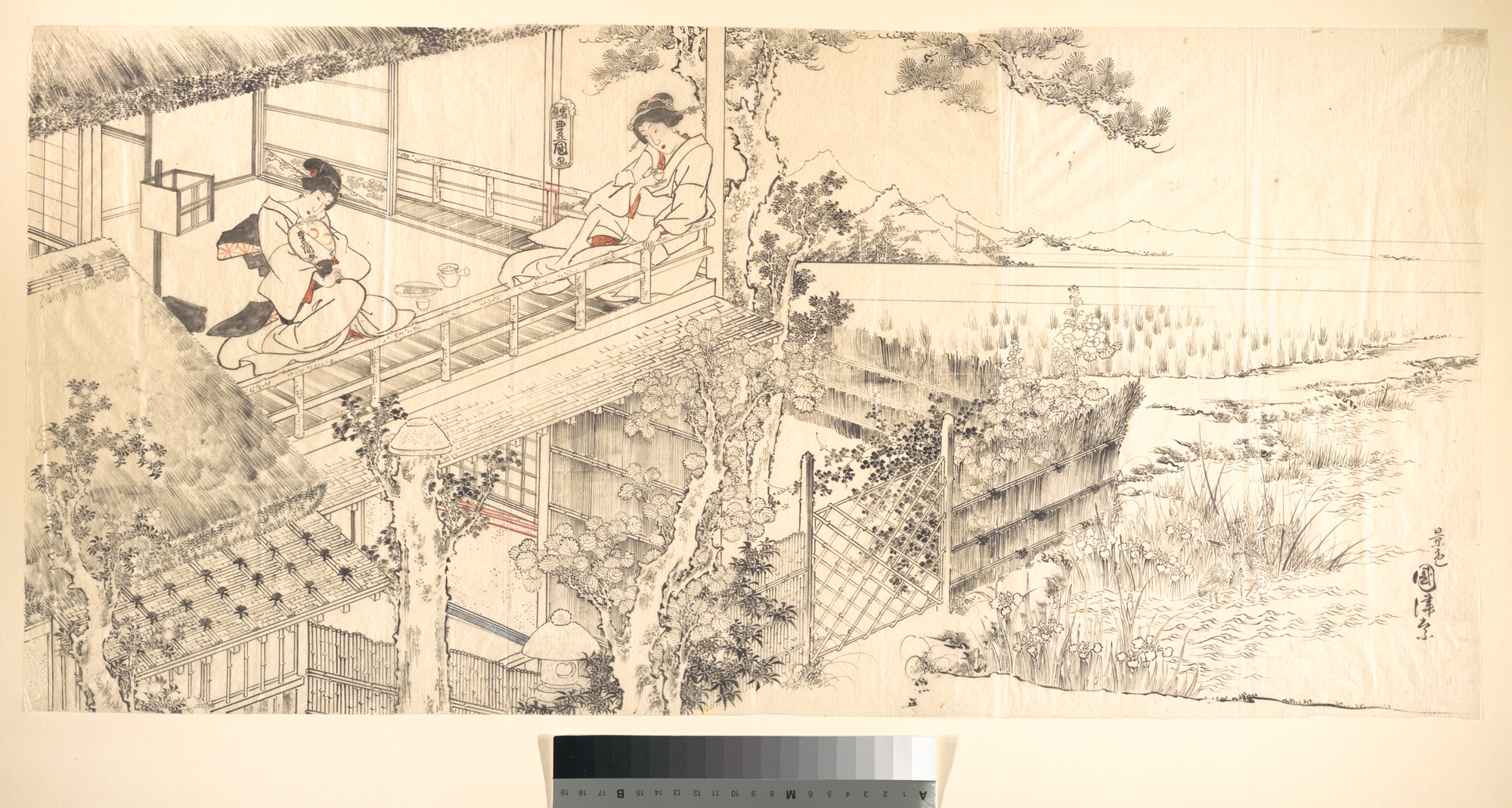
Two Courtesans Enjoying the View from a Teahouse
after 1844
Drawings intended as design for woodblock prints (triptych); ink and color on paper
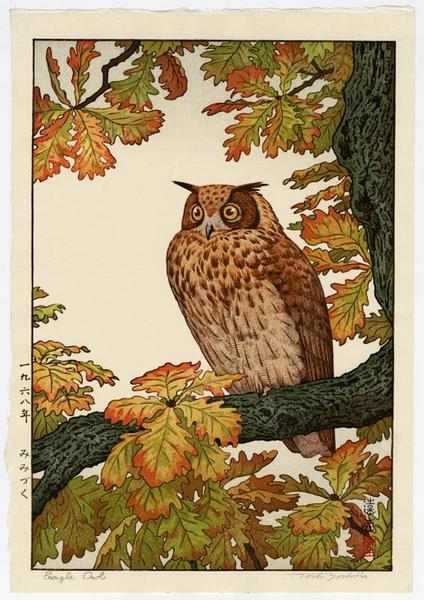
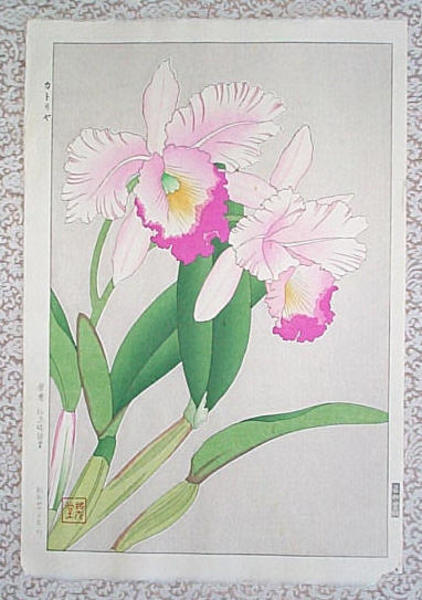
More Birds & Flowers Prints
Frequently Asked Questions
Hinadori, Joshi no momonohana (Hinadori, Peach Blossom) / Tosei mitate sanju-rokkasen 當盛見立 三十六花撰 (Contemporary Kabuki Actors Likened to Thirty-Six Flowers (Immortals of Poetry)) was created by Utagawa Kunisada (歌川国貞).
Hinadori, Joshi no momonohana (Hinadori, Peach Blossom) / Tosei mitate sanju-rokkasen 當盛見立 三十六花撰 (Contemporary Kabuki Actors Likened to Thirty-Six Flowers (Immortals of Poetry)) depicts birds & flowers.